Like
Share
멍실장
강아지 여름 더위 관리·열사병 예방 관리 추천 BEST와 고르는 기준 총정리

The Ultimate Guide to Summer Heat Management and Heatstroke Prevention for Dogs: Top Recommendations and Selection Criteria

Lifestyle & Age CareTop PicksMeongsiljang Veterinary Advisory Board

We’ve compiled effective management strategies and recommended products to help reduce the risk of heatstroke in dogs during the summer. You’ll also find practical tips tailored to different breeds.

Summer Heat Management and Heatstroke Prevention for Dogs Are Essential
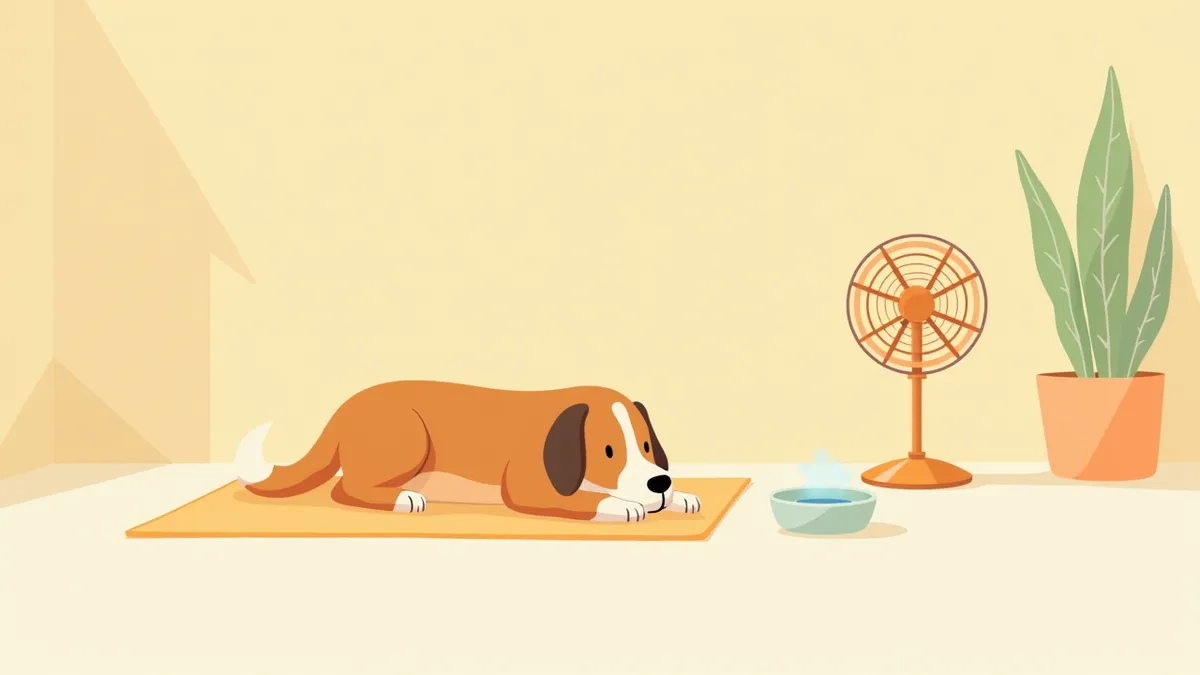
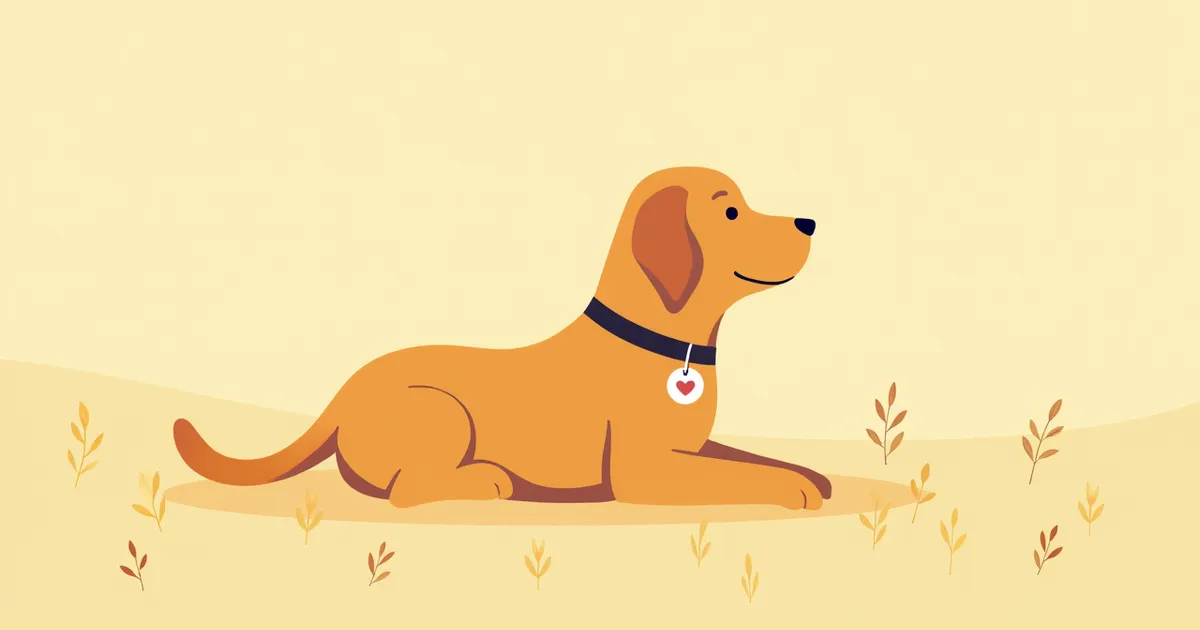
A dog using a cooling mat in the shady backyard
Managing your dog’s comfort during the summer heat is not just a matter of convenience—it’s an essential measure to protect their life. Brachycephalic breeds and overweight dogs are at higher risk for heatstroke because they struggle with breathing and regulating body temperature. In fact, heatstroke occurs more frequently in dogs that are overweight, have short muzzles, or experience breathing difficulties. Keep indoor temperatures within a comfortable range and always provide plenty of clean, fresh water. Avoid walking during the hottest parts of the day, and adjust your routine based on both the ambient temperature and your dog’s condition. Block direct sunlight and ensure consistent ventilation. Dogs try to cool down by panting and seeking out cool surfaces when their body temperature rises, so if you notice these signs, immediately move them to a cool place to rest. These care habits play a vital role in safeguarding your dog’s long-term health.

Criteria for Choosing Summer Heat Management Products for Dogs

When choosing summer heat-management products for your dog, consider safety, intended use, functionality, and suitability for your dog’s breed. - Brachycephalic breeds: Because these dogs have difficulty breathing and regulating body temperature, it’s important to choose products that provide rapid cooling. - Material safety: Ensure the materials are safe if licked by your dog. Products that come into contact with the mouth should be made from food-grade materials for safety. - Intended use: The cooling method should vary depending on whether the product is for indoor rest or outdoor activity. - Duration of effect: How long the cooling effect lasts can vary depending on the environment, so consider the actual usable time. - Size fit: It’s important to choose a product that matches your dog’s size and behavior patterns. Products that are too small or too large may be less effective.
A close-up shot revealing the internal structure and materials of the cooling mat

BEST 1: Cooling Mat Pro (Wireless)

The Cooling Mat Pro is an electric cooling mat that uses a built-in fan to circulate air and help lower skin temperature. It can be used for dogs that have difficulty regulating their body temperature, such as brachycephalic breeds or senior dogs. However, since it is an electrical product, it should be used in a safe environment, and care must be taken to prevent accidents such as the dog chewing on wires or splashing water on it. When using a battery, charging time and usage time may vary depending on the product specifications, and products made with materials that are easy to clean after use are more hygienic and safer. There are also products that can be used without electricity, in which case the duration of the cooling effect may vary depending on the ambient temperature and humidity.
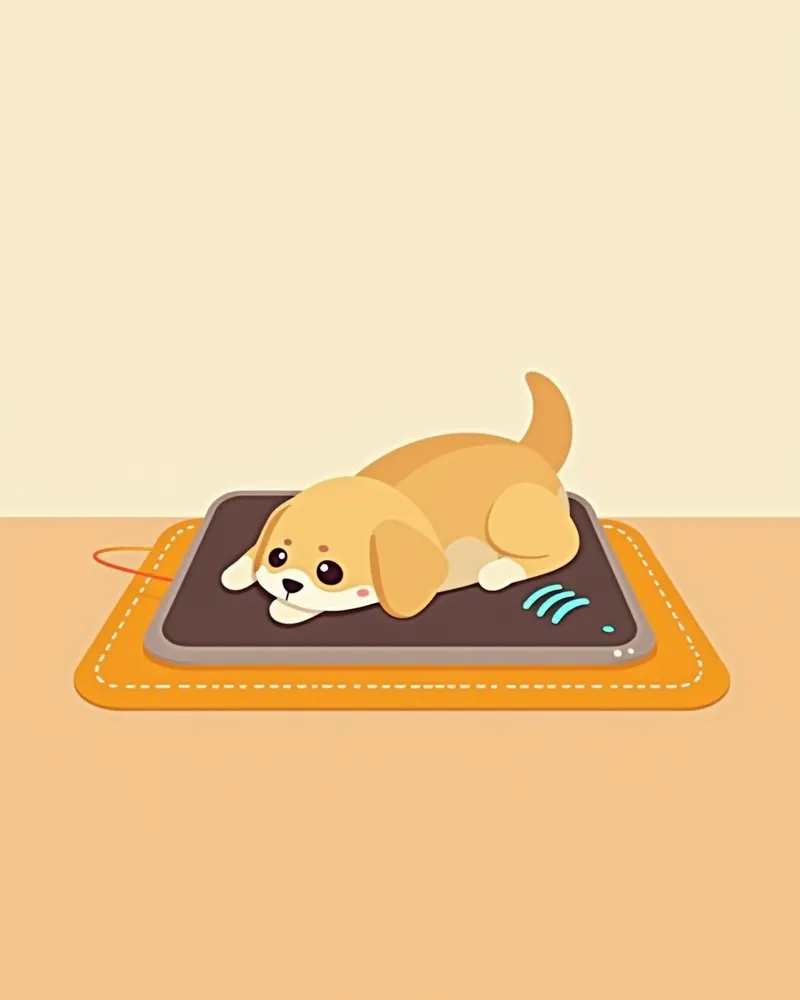
A small dog lying on a wireless cooling mat, with the cooling function in operation.

BEST 2: Water-Activated Cooling Pad (Non-Electric)

Water-activated cooling pads are used by dampening them with water, and storing them in the refrigerator helps maintain their cooling effect for longer. Since they require no electricity, they can be used without concerns about electrical safety, though the duration of the cooling effect may vary depending on the manufacturer and environmental conditions. For safety, choose products made from materials that are non-toxic if licked by dogs. These pads are economical because they are easy to wash and reuse, and they may be particularly suitable for brachycephalic breeds or dogs that spend extended periods indoors. They are lightweight and foldable for convenient storage, and come in various sizes to suit different breeds.
A dog lying on a cooling pad that has been dampened with water and taken out of the refrigerator.

BEST 3: Portable Cooling Headband

This portable cooling headband is a practical accessory designed to be worn around the neck to quickly lower your dog’s body temperature. It absorbs sweat and facilitates rapid evaporation, providing an effective cooling sensation. It’s ideal for use during walks or outings. Lightweight and adjustable, it fits dogs of all breeds. Easy to wash even when soiled with sweat, it ensures convenient hygiene maintenance. For prolonged coolness, dampen the headband and store it in the refrigerator before use. Its easy-on, easy-off design allows you to adjust wear based on your dog’s activity level. We recommend this product for heat-sensitive dogs, as it effectively dissipates heat from the neck area.
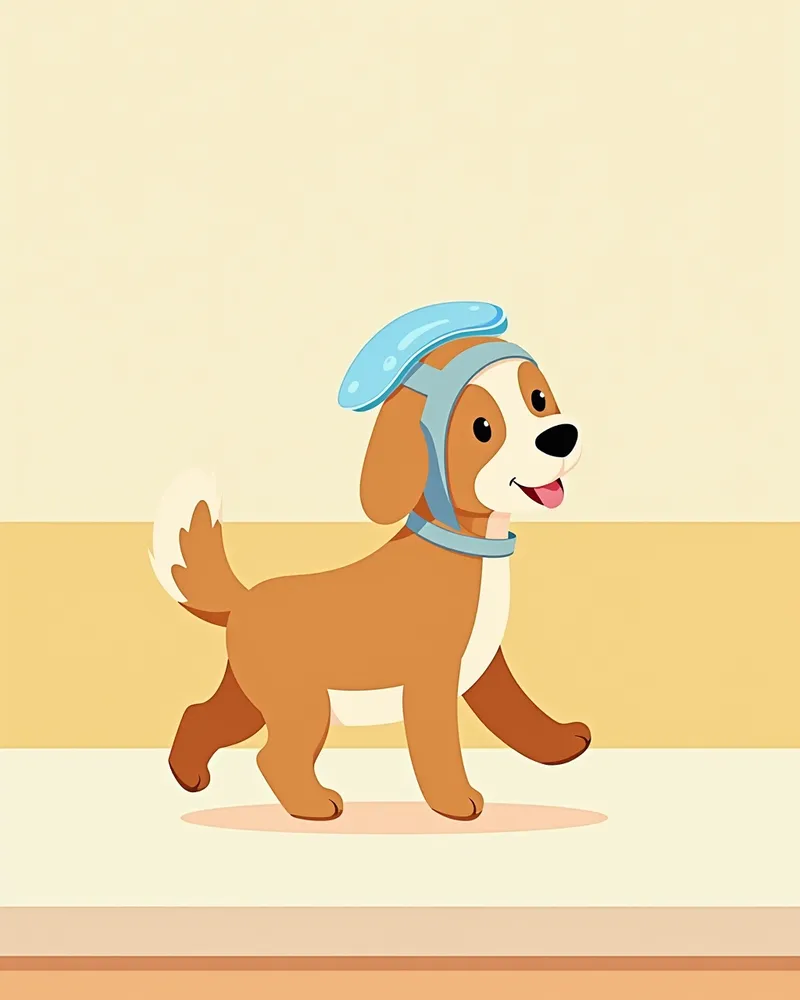
A dog wearing a cooling headband around its neck while on a walk

Comparison Table of Products BEST 1–3

ItemCooling Mat Pro (Wireless)Water-Activated Cooling PadPortable Cooling Headband
Cooling MethodElectric fan + cooling padWater-activated gelMoisture evaporation
Usage TimeVaries by productVaries by productVaries by product
Electricity RequiredRequiredNot requiredNot required
Ease of CleaningVery easyEasyModerate
Breed SuitabilityDogs with difficulty regulating body temperature, such as brachycephalic and senior dogsAll breedsAll breeds

Brachycephalic breeds have difficulty breathing and are at high risk of heatstroke. Use electric products in a safe environment.

Caution: Immediate Veterinary Visit Required if Heatstroke Is Suspected

If your dog collapses, vomits, struggles to breathe, has seizures, becomes lethargic, or their body temperature exceeds 41°C (105.8°F), suspect heatstroke. While a high fever starts at 39.2°C (102.6°F), dogs are especially vulnerable to heatstroke when their temperature reaches 41°C (105.8°F) or higher. In such cases, cool them down by wetting their body with lukewarm or cool water and applying ice packs to areas with major blood vessels, like the neck. However, stop cooling once their temperature drops to about 39.4°C (103°F) to prevent hypothermia. Simultaneously, transport your dog to a vet immediately for accurate diagnosis and treatment, as early intervention significantly improves survival chances.

Tips for Managing Summer Heat in Dogs
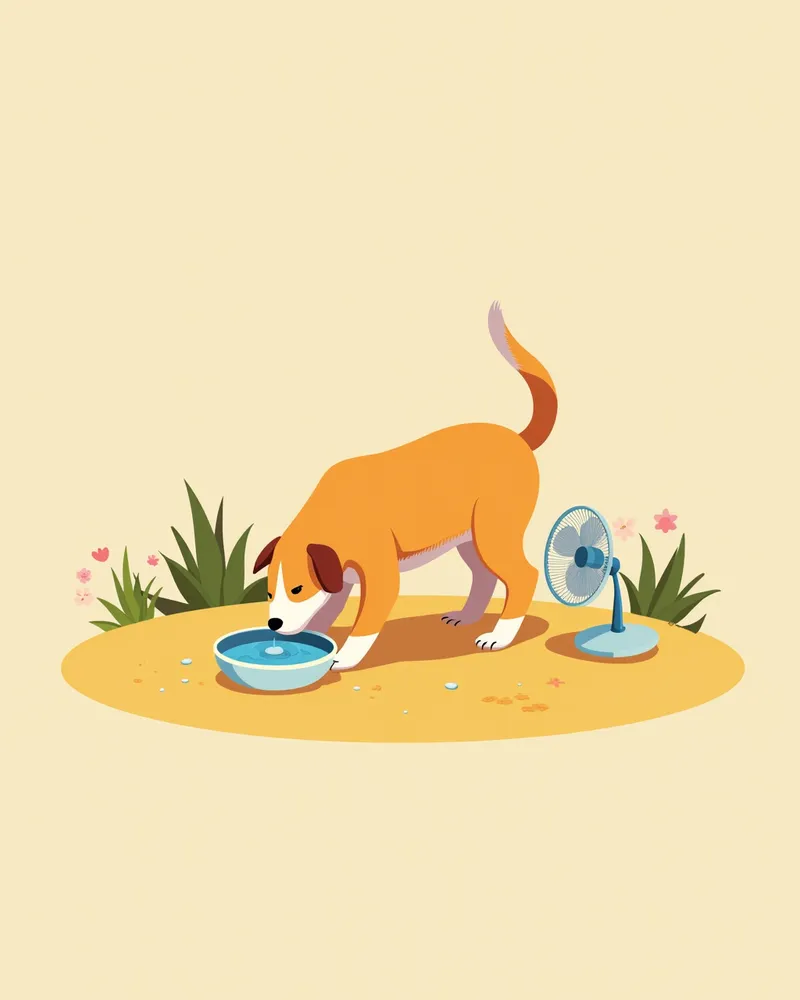
To keep your dog comfortable during the summer heat, maintain a pleasant indoor temperature and always provide fresh, clean water. When walking your dog, avoid the high temperatures and humidity of midday, and adjust the duration and intensity of walks based on your dog’s condition. Ensure good ventilation by opening windows, but block direct sunlight. Always offer plenty of fresh water and clean the water bowl daily. Since it takes time for dogs to acclimate to hot weather, avoid strenuous activity when temperatures rise suddenly and allow them to adjust gradually. If you notice signs of heat exhaustion—such as panting, lethargy, or seeking out cool spots—immediately move your dog to the shade to rest and offer water. These practices are essential for preventing heatstroke.
A dog drinking water in the shade, with a fan blowing air to keep it cool.

Reviewed by a veterinarian

Dr. Tony — Punnawat Phongkittirak

Dr. Tony — Punnawat Phongkittirak

Veterinarian

A veterinarian who majored in veterinary medicine at Khon Kaen University, Thailand, and completed the IVSA program at North Carolina State University in the United States. Drawing on clinical experience at animal hospitals, he works in the pet healthcare field and is dedicated to building a digital care environment that connects pet parents with veterinarians.

Frequently Asked Questions

Are cooling mats safe for brachycephalic breeds?
Brachycephalic breeds have difficulty breathing and cannot dissipate heat quickly, so using a cooling mat can be helpful when cooling is needed. However, if using an electric product, ensure it is used in a safe environment and take care to prevent your dog from licking wires or electronic components or spraying water on them.
What time should I take my pet for a walk?
It’s important to avoid walking your dog during the hottest and most humid parts of the day. While it’s generally recommended to schedule walks before 8 a.m. or after 6 p.m., you should also take into account your dog’s individual condition and the current weather.
Should water be served at room temperature?
It's important to always provide fresh, clean water in sufficient quantities. On hot days, placing water bowls in multiple locations can help ensure your pet stays properly hydrated.
When should you use a cooling headband?
You can use it to keep your dog cool during walks or outings. Worn around the neck, it provides a temporary cooling effect through moisture evaporation, but its effectiveness may be limited in high-temperature environments.
What should I do if I suspect my pet has heatstroke?
If you suspect heatstroke, cool the body by wetting it with lukewarm or cool water and apply ice packs to areas with large blood vessels, such as the neck, then transport the pet to a veterinary clinic immediately. Stop cooling once the body temperature drops to approximately 39.4°C to prevent hypothermic rebound, and seek prompt veterinary diagnosis and treatment, as early intervention is crucial for survival.

Share

Related Guides

References

[1] Drobatz, K.J. (2023). Heat Stroke in Dogs: Pathophysiology and Emergency Management. Small Animal Critical Care Medicine, 3rd Edition.

[2] The Dog Care Handbook, Things I Wish My Vet Had Told Me (2022). Chapter 8: Heat-Related Illnesses in Canines.

[3] Blackwell's Five-Minute Veterinary Consult Clinical Companion, Small Animal Toxicology, 3rd Edition (2021). Heat Stroke Management Guidelines.

This information is based on veterinary literature and does not replace diagnosis or treatment. Please consult a veterinarian for specific health concerns.

Metapet Co., Ltd. | CEO: Park Sung-yong | Business Reg. No. 417-88-02562 | Seoul, South Korea | Customer Center

Dog Summer Heat & Heatstroke Prevention: Best Picks | Meongsiljang