Like
Share
멍실장
고양이 결막염 관리 추천 BEST와 고르는 기준 총정리

7 Best Cat Conjunctivitis Care Products Recommended by Veterinarians — Selection Criteria for Discharge and Redness

Eye HealthTop PicksMeongsiljang Veterinary Advisory Board

Most cases of feline conjunctivitis are caused by infections, and with proper treatment and care, recovery is possible. We’ve compiled the best products and key selection criteria that pet owners should know.

Feline Conjunctivitis Is an Inflammation Around the Eyes

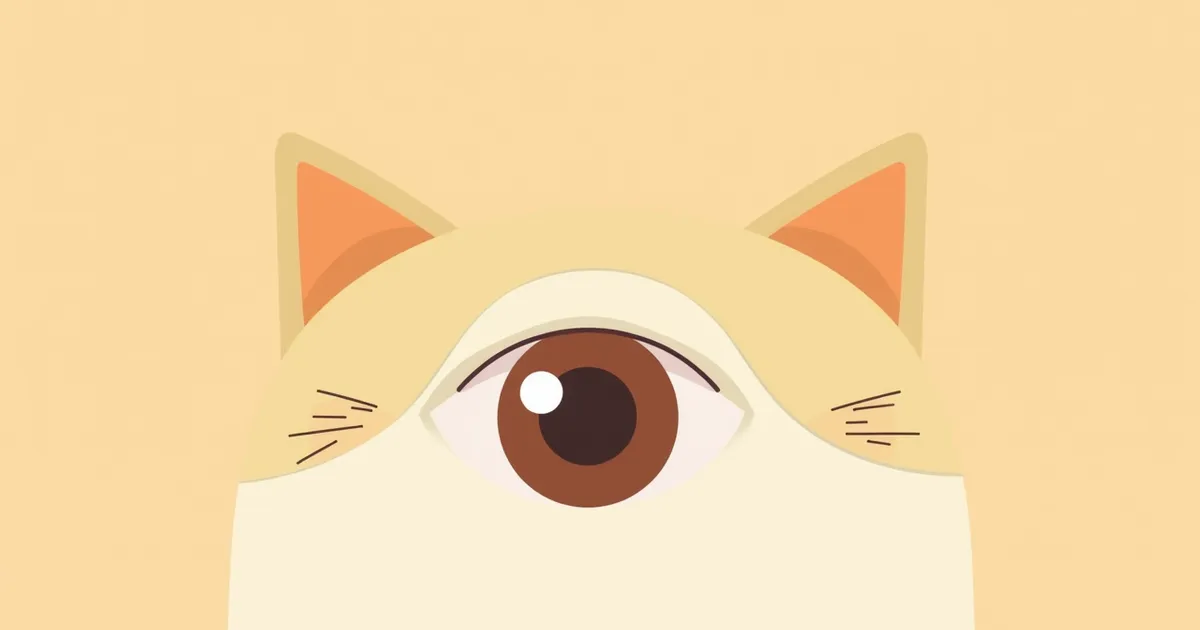
A cat’s eye showing symptoms of conjunctivitis
Feline conjunctivitis is an inflammatory condition affecting the conjunctiva, the thin membrane lining the inner eyelids and covering the white of the eye. In cats, infections such as feline herpesvirus-1 (FHV-1) and Chlamydia are common causes. When the conjunctiva becomes inflamed, the eyes appear red due to blood vessel dilation, and there is an increase in tearing or discharge. This discharge typically starts clear but may become thick and yellowish over time. Be particularly vigilant if you notice your cat squinting, blinking frequently, rubbing its eyes with its paws, or showing signs of discomfort in bright light. Early detection and appropriate treatment are key to recovery, and a comprehensive ophthalmic examination by a veterinarian is essential to identify the underlying cause. Since viral and bacterial conjunctivitis require different treatments, using the wrong medication can worsen symptoms; therefore, never attempt self-treatment.

Good to Know: Conjunctivitis Care

Treatment for feline conjunctivitis varies depending on the cause and symptom type, so it is crucial to first identify the underlying cause through a veterinary diagnosis. Antiviral eye drops are used for viral cases, while antibiotic eye drops are prescribed for bacterial infections. If you notice an increase in sticky or yellowish mucous discharge, a secondary bacterial infection may be present, necessitating veterinary care. Anti-inflammatory medications, particularly steroids, can worsen herpesvirus infections; therefore, they should never be used without veterinary guidance and must be administered cautiously based on a veterinarian’s assessment. If applying eye drops is difficult, consult your veterinarian about alternative formulations or administration techniques. It is essential to complete the full prescribed course of medication consistently. Early treatment and diligent ongoing care are key to recovery.
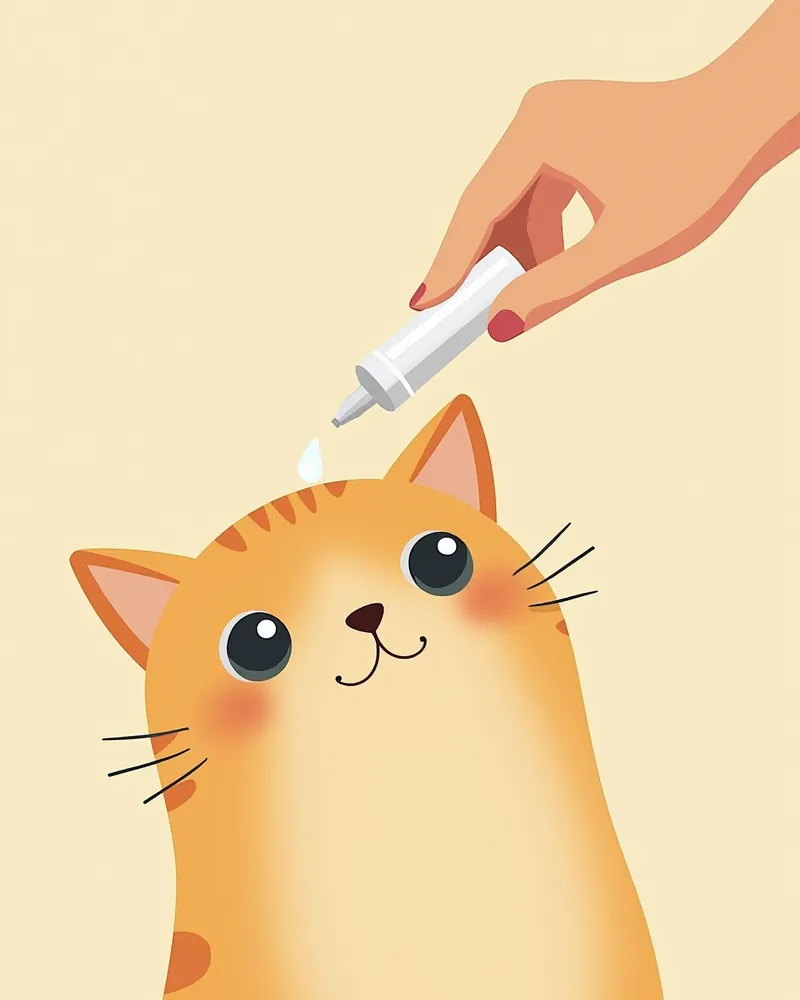
Administering eye drops to a cat

Good to Know 1: What Is Conjunctivitis?

Conjunctivitis is an inflammation of the conjunctiva, the thin membrane lining the inside of the eyelids and covering the white part of the eye. It causes redness, increased discharge and tearing, and frequent blinking or rubbing of the eyes. In cats, conjunctivitis is often caused by infections, particularly feline herpesvirus (FHV-1) and Chlamydia. Other potential causes include allergies, foreign bodies, dry eye, and eyelid abnormalities. Since treatment varies depending on the underlying cause, simply wiping away discharge is often insufficient, making a veterinary examination to identify the root cause essential.
What is conjunctivitis? (Related guide image)

Good to Know 2: Identify the Cause Through Diagnosis and Treat

Conjunctivitis is diagnosed by examining the conjunctiva and cornea, with additional tests such as tear production measurement or fluorescein staining performed if needed to check for corneal damage or dryness. If an infection is suspected, further testing may be conducted to identify the causative pathogen. Treatment involves prescription medications such as antibiotic or antiviral eye drops, tailored to the underlying cause by a veterinarian. In cases of viral conjunctivitis, antibiotics alone are ineffective, making accurate diagnosis essential. Avoid using human eye drops or products found online without veterinary guidance, as they may worsen the condition. Always follow treatment plans based on a proper diagnosis.
We identify the cause through diagnosis and provide treatment. Related guide image

Good to Know 3: Learn About Care and Recurrence Prevention

Apply the prescribed eye drops consistently as directed, and gently wipe away eye discharge using clean gauze and sterile saline. Prevent your pet from rubbing their eyes, and if you have multiple animals, be cautious as infectious conjunctivitis can spread. Feline herpesvirus conjunctivitis is prone to recurrence during times of stress, so maintaining a stable environment is beneficial. If symptoms persist or recur, schedule a follow-up visit to identify any underlying causes.
Learn about management and preventing recurrence. Refer to the related guide image.

Key Points to Know About Conjunctivitis

ItemKey Points
ConditionConjunctival inflammation causing redness, eye discharge, tearing, and eye rubbing
Causes in CatsInfectious causes such as herpes (FHV-1) and chlamydia are common; allergies and foreign bodies also occur
Diagnosis & TreatmentAfter identifying the cause, veterinarian prescribes antibiotic or antiviral eye drops, etc.
CautionDo not use human eye drops or arbitrary products; viral cases will not resolve with antibiotics alone
Management & PreventionKeep eye discharge clean, beware of transmission in multi-cat households; manage stress for herpes

This is not a table recommending specific products or clinics, but a reference to consult with your veterinarian. Always make treatment and testing decisions together with your veterinarian through an examination.

Caution: Do Not Self-Diagnose; Always Visit a Veterinarian

If your cat’s eyes become red or produce discharge, do not attempt to treat the condition at home. Viral and bacterial conjunctivitis require different treatments. Using the wrong medication can worsen symptoms or cause permanent eye damage. Please use only medications diagnosed and prescribed by a veterinarian.

Usage Tip: How to Help Your Cat Accept Treatment Comfortably
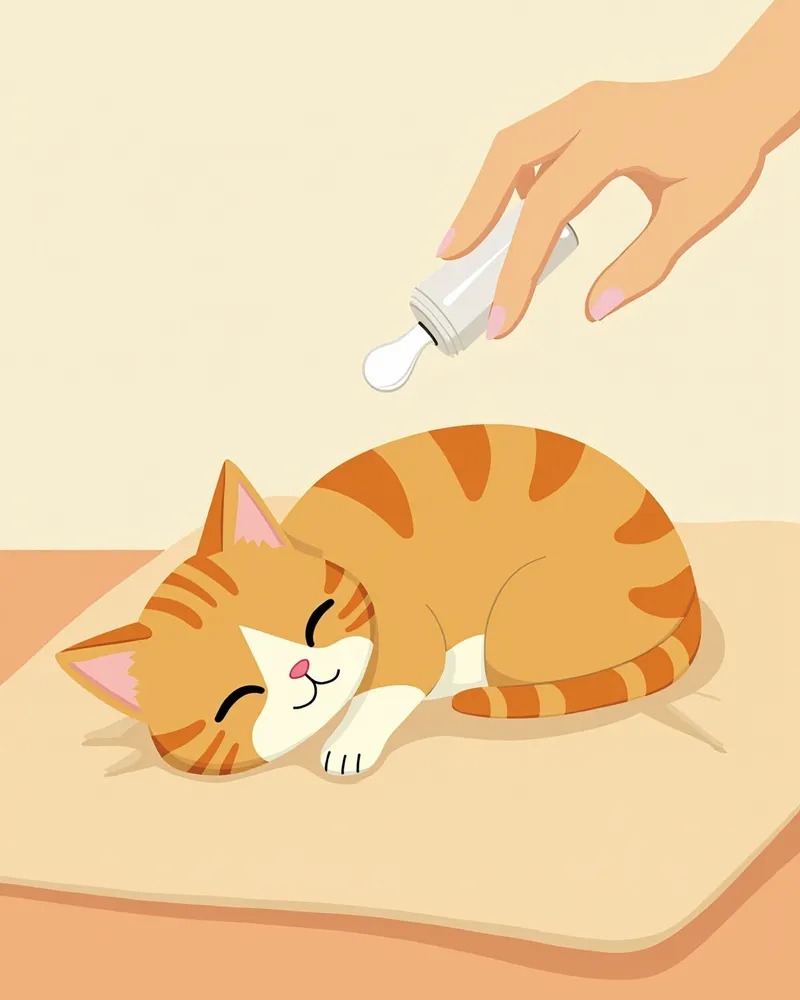
Cats can become very stressed when they dislike eye drops. Start by slowly getting them used to your hands approaching and gently touching around their eyes. This habit will help them accept the treatment more easily. Before applying the medication, ensure your cat is calm, then apply it quickly and gently. Offering a treat as a reward can also be helpful. Never force the process; instead, take your time and gradually help them adapt, as this is key to success. Observe your cat’s reactions and adjust your approach flexibly.
A cat comfortably receiving eye drops

Reviewed by a veterinarian

Dr. Tony — Punnawat Phongkittirak

Dr. Tony — Punnawat Phongkittirak

Veterinarian

A veterinarian who majored in veterinary medicine at Khon Kaen University, Thailand, and completed the IVSA program at North Carolina State University in the United States. Drawing on clinical experience at animal hospitals, he works in the pet healthcare field and is dedicated to building a digital care environment that connects pet parents with veterinarians.

Frequently Asked Questions

Is feline conjunctivitis contagious?
Yes, feline herpesvirus and chlamydia can be transmitted to other cats. If you have multiple cats in your household, they should be isolated and managed separately.
Can conjunctivitis come back after it’s fully cured?
Viral conjunctivitis can recur. It may flare up again during periods of stress or when the immune system is weakened, so preventive care is important.
Does applying eye drops make my cat feel worse?
When used with the right product and proper technique, it can actually speed up recovery. However, be cautious, as using the wrong medication or overusing it can cause irritation.
Can I wash my pet's eyes at home?
Gently wiping with a saline-based cleanser is fine. However, you should avoid using strong detergents or rinsing with water. Always follow your veterinarian's instructions.
Can supplements help treat conjunctivitis?
The cornerstone of conjunctivitis treatment is medication tailored to the underlying cause diagnosed by your veterinarian. There is no clear evidence that nutritional supplements like vitamins or omega-3 fatty acids can cure conjunctivitis, so view them strictly as supportive measures. Avoid relying on them independently, and always consult your veterinarian before use.

Share

Related Guides

References

[1] Esson, D.W. & Calvarese, S. (2022). Clinical Atlas of Canine and Feline Ophthalmic Disease, 2nd Ed. John Wiley & Sons, Inc.

[2] Plumb's Veterinary Drug Handbook, 9th Ed. (2022). Wiley-Blackwell.

[3] Feline Herpesvirus-1 and Chlamydophila felis: Pathogenesis and Management. Journal of Feline Medicine and Surgery, 2021, 23(5), 456-467.

This information is based on veterinary literature and does not replace diagnosis or treatment. Please consult a veterinarian for specific health concerns.

Metapet Co., Ltd. | CEO: Park Sung-yong | Business Reg. No. 417-88-02562 | Seoul, South Korea | Customer Center

7 Best Cat Conjunctivitis Care Products for Discharge & Redness | Meongsiljang