Like
Share
멍실장
고양이 저혈당증 관리 추천 BEST와 고르는 기준 총정리

7 Key Strategies for Managing Feline Hypoglycemia Recommended by Veterinarians — How to Spot Warning Signs

EndocrineTop PicksMeongsiljang Veterinary Advisory Board

Feline hypoglycemia is a dangerous condition in which blood sugar levels drop rapidly due to an excess of insulin. Proper dietary management and the selection of appropriate care products are essential.

Top Recommended Products for Managing Feline Hypoglycemia and Selection Criteria: A Complete Guide
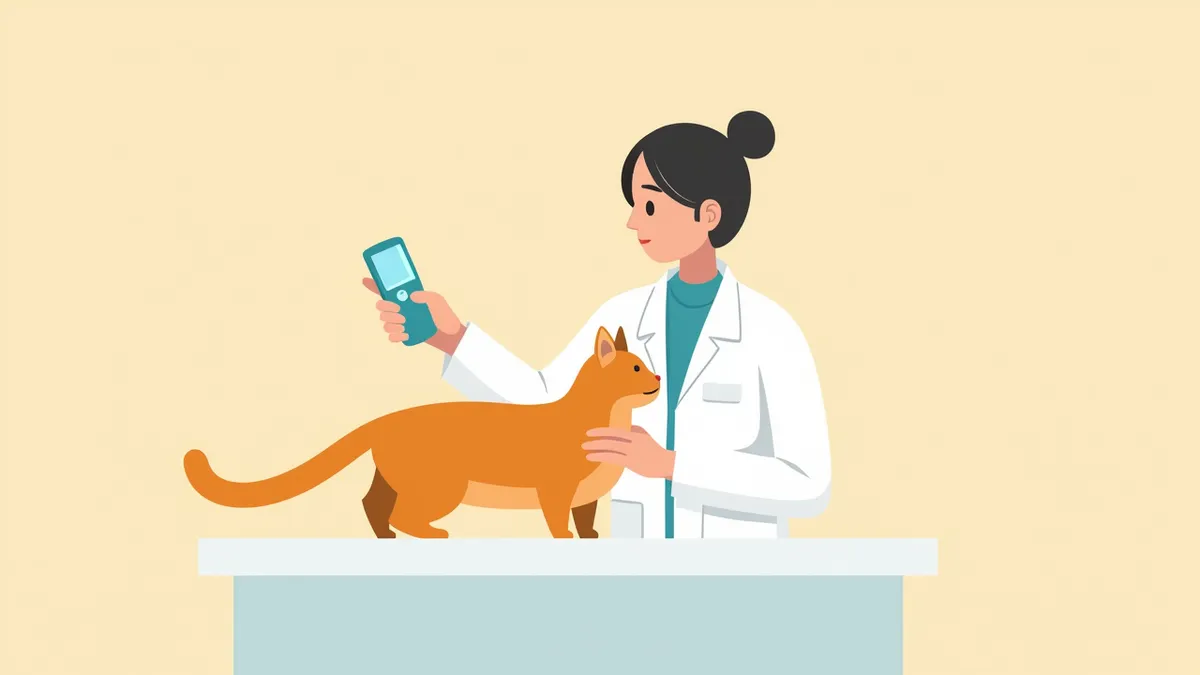
A veterinarian measuring a cat's blood sugar level
Feline hypoglycemia is a dangerous condition in which blood sugar levels drop rapidly, often due to insulin excess or insufficient food intake (such as administering insulin while the cat is anorexic). Because this condition can cause weakness, lethargy, fainting, and even seizures, early detection and consistent management are essential. - Stabilize blood sugar: Choose a diet rich in protein and low in simple sugars to minimize blood sugar fluctuations. - Feed small, frequent meals: For managing chronic hypoglycemia, dividing daily food into five to six small meals helps prevent sudden drops in blood sugar. - Check ingredients: Selecting diets low in simple sugars is beneficial for blood sugar management. - Consult your veterinarian: Always consult your veterinarian before using any products, and strictly follow prescribed treatment and dietary plans. Regular check-ups and blood sugar monitoring are also necessary for safe management.

Selection Criteria: Guide to Choosing Products for Managing Feline Hypoglycemia
When choosing a product to manage feline hypoglycemia, the key factors are the ingredients, calorie content, and the type and amount of carbohydrates. - Low simple sugar principle: Choose products centered on complex carbohydrates that are low in simple sugars and slowly digested and absorbed, which helps minimize rapid blood sugar spikes and drops. - High-protein composition: Ingredients rich in protein support muscle maintenance and energy supply. - Emphasis on natural ingredients: Products with minimal added simple sugars are more beneficial for blood sugar management. - Veterinary recommendation: Always consult your veterinarian and use only products they recommend or prescribe. - Individualized care: Since the appropriate product varies depending on your cat’s age, weight, and health status, avoid one-size-fits-all choices. Regular check-ups and adjustments to the management plan are essential.
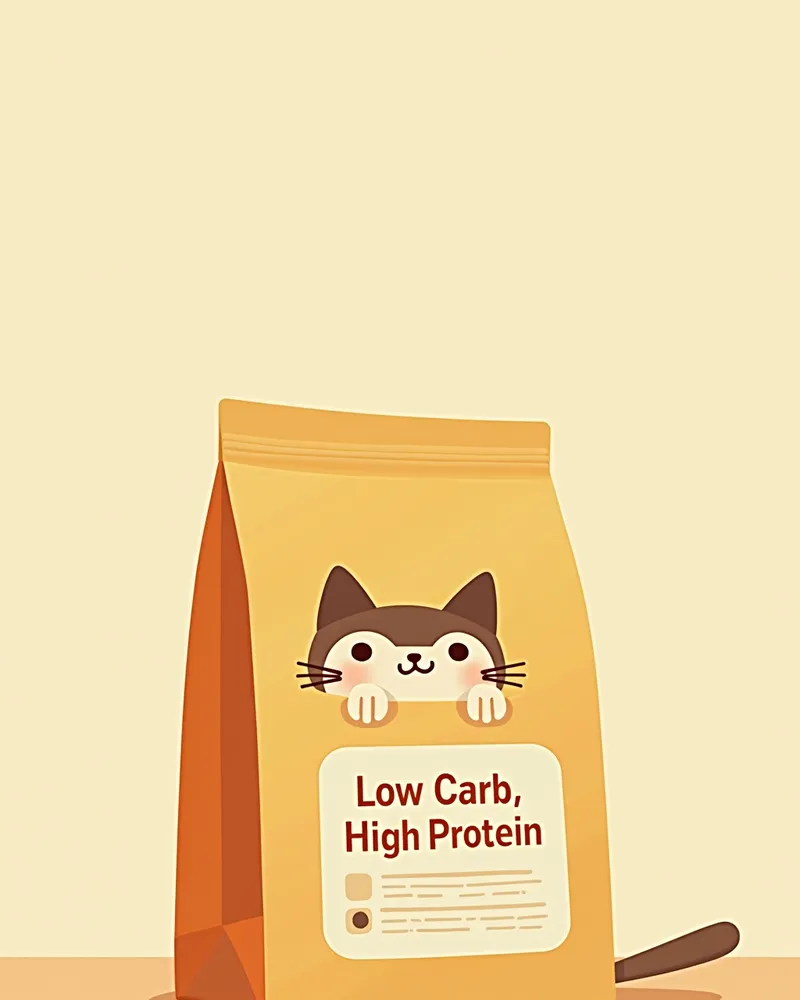
Low-carbohydrate, high-protein pet food packaging box

BEST 1: Premium Low-Carbohydrate Food (Cat-Specific)

This food is formulated with a low carbohydrate content of less than 2% to help minimize blood sugar fluctuations. - High-protein ingredients: Made with animal-based proteins such as chicken and turkey to support muscle maintenance. - Natural flavoring: Enhances the aroma and taste that cats love to help prevent loss of appetite. - Veterinary consultation recommended: Hypoglycemia management should always be conducted in consultation with a veterinarian to ensure stable blood sugar levels. - Small, frequent meals recommended: For chronic hypoglycemia management, dividing daily intake into 5–6 small meals can help prevent sudden drops in blood sugar. - Minimized simple sugars: The ingredient profile is low in simple sugars, making it suitable for long-term dietary management.
Cat-specific low-carbohydrate food bowl

BEST 2: Raw Meat-Based High-Protein Canned Food (Sugar-Free)

This canned food is formulated primarily with raw meat ingredients, resulting in very low carbohydrate content and high moisture levels that help reduce the risk of dehydration. - Sugar-free formulation: Contains no sugars to prevent rapid spikes in blood glucose levels. - Natural texture: Features a soft consistency that cats enjoy, helping to maintain their appetite. - High-protein composition: Rich in protein to effectively support energy metabolism and muscle maintenance. - Feed under veterinary guidance: Administer once or twice daily, strictly following your veterinarian’s instructions. - Long-term stability: Provides stable blood glucose control while helping maintain a healthy appetite during management.
Canned food and spoon for cats

BEST 3: Hypoglycemia-Specific Supplement (Contains Blood Sugar Stabilizing Ingredients)
Although this supplement is labeled as containing certain nutrients, there is insufficient medical evidence to support the claim that it can manage hypoglycemia on its own. The cornerstone of hypoglycemia management is veterinary diagnosis and treatment, along with dietary management. - Limitations of supplements: Supplements cannot replace dietary control or veterinary treatment. - Purpose of nutritional supplementation: They should be considered cautiously only as an adjunct for general nutritional support. - Administration: Administer the product strictly according to the dosage indicated on the label and your veterinarian’s instructions. - Prescription and consultation first: Always consult your veterinarian before use, and use the product only if prescribed. - Caution regarding interactions: Inform your veterinarian if you are administering other medications, as interactions may occur.
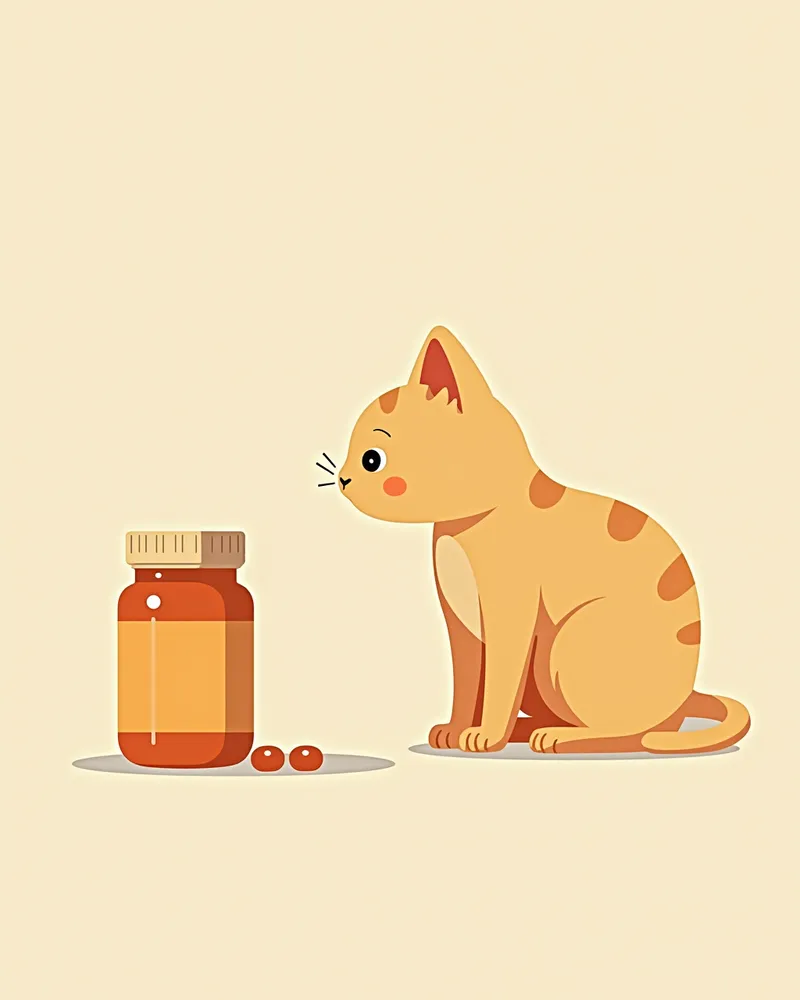
Bottle of hypoglycemia supplement for cats

Comparison Table of BEST 1–3 Products

ItemBEST 1 Dry FoodBEST 2 Canned FoodBEST 3 Supplement
Carbohydrate ContentUnder 2%0%0%
Protein Content45% or higher40% or higherIngredient-based
Sugar PresenceSugar-freeSugar-freeSugar-free
Moisture ContentLowHighLow
Usage MethodDivided feeding1–2 times/day1 tablet per day

All products should be used according to veterinary recommendation criteria. Side effects may occur with overfeeding.

Caution: Risks of Overfeeding

Products for managing hypoglycemia should be used under veterinary guidance. Overdosing can cause blood sugar levels to drop too low, potentially leading to fainting or seizures. Supplements, in particular, must be administered at the exact recommended dosage, as they may interact with other medications.

Usage Tips: Safe Management Methods

Consistency is key to managing feline hypoglycemia. - Small, frequent meals: For chronic hypoglycemia, dividing daily food into five to six small meals helps prevent sudden drops in blood sugar. - Regular monitoring: Use a home glucose meter calibrated for cats to check blood sugar levels, and monitor trends with a glucose curve as recommended by your veterinarian (typically every one to two weeks). - Stress management: Encourage feeding in a quiet environment to minimize stress. - Veterinary consultation: Regularly consult with your veterinarian to review and adjust the management plan. - Record keeping: Document feeding times, appetite, and behavioral changes to detect early warning signs. - Emergency preparedness: If hypoglycemic symptoms appear and the cat is conscious, immediately offer a sugar-containing food and contact your veterinarian right away.
A quiet environment where your cat can eat regularly

Reviewed by a veterinarian

Dr. Tony — Punnawat Phongkittirak

Dr. Tony — Punnawat Phongkittirak

Veterinarian

A veterinarian who majored in veterinary medicine at Khon Kaen University, Thailand, and completed the IVSA program at North Carolina State University in the United States. Drawing on clinical experience at animal hospitals, he works in the pet healthcare field and is dedicated to building a digital care environment that connects pet parents with veterinarians.

Frequently Asked Questions

Is hypoglycemia common in cats?
Cats with blood sugar regulation issues, especially those being treated for diabetes with insulin, can develop hypoglycemia. Early detection and management are crucial.
Can hypoglycemia be prevented through diet alone?
Dietary management is very important, but it should be used in conjunction with the treatment prescribed by your veterinarian. It may not be sufficient on its own.
How do you measure blood sugar levels?
You can measure your cat’s blood sugar at home using a glucometer calibrated for feline use. Follow your veterinarian’s guidance to regularly monitor changes through methods such as blood glucose curves.
I’d like to give my pet a supplement, but which one should I choose?
There isn’t enough evidence to support managing hypoglycemia with supplements alone. Supplements can’t replace veterinary treatment and dietary management, so be sure to consult your veterinarian before use to determine whether they’re necessary and which product is right for your pet.
What are the symptoms of hypoglycemia?
Your pet may show signs of lethargy, weakness, unsteadiness, fainting, seizures, or changes in appetite. If you notice any of these symptoms, please consult your veterinarian immediately.

Share

Related Guides

References

[1] Feline Emergency and Critical Care Medicine, 2nd Ed. (2018). Blackwell Publishing.

[2] Nelson, R.W., et al. (2001). Efficacy of protamine zinc insulin for treatment of diabetes mellitus in cats. J. Am. Vet. Med. Assoc.

[3] The Cat, Clinical Medicine and Management, 2nd Edition. (2020). Elsevier Saunders.

This information is based on veterinary literature and does not replace diagnosis or treatment. Please consult a veterinarian for specific health concerns.

Metapet Co., Ltd. | CEO: Park Sung-yong | Business Reg. No. 417-88-02562 | Seoul, South Korea | Customer Center

7 Vet Tips for Managing Feline Hypoglycemia & Warning Signs | Meongsiljang