Like
Share
멍실장
강아지 타우린 결핍 심근병증 관리 추천 BEST와 고르는 기준 총정리

7 Best Ways to Prevent Dilated Cardiomyopathy in Dogs — Managing Taurine Deficiency

HeartTop PicksMeongsiljang Veterinary Advisory Board

Taurine deficiency cardiomyopathy in dogs is a condition that can lead to impaired heart function, making proper supplementation and dietary management essential. Here’s a summary of recommended products and key criteria for choosing them to ensure effective care.

Taurine-deficient cardiomyopathy in dogs is a serious condition that causes impaired heart function
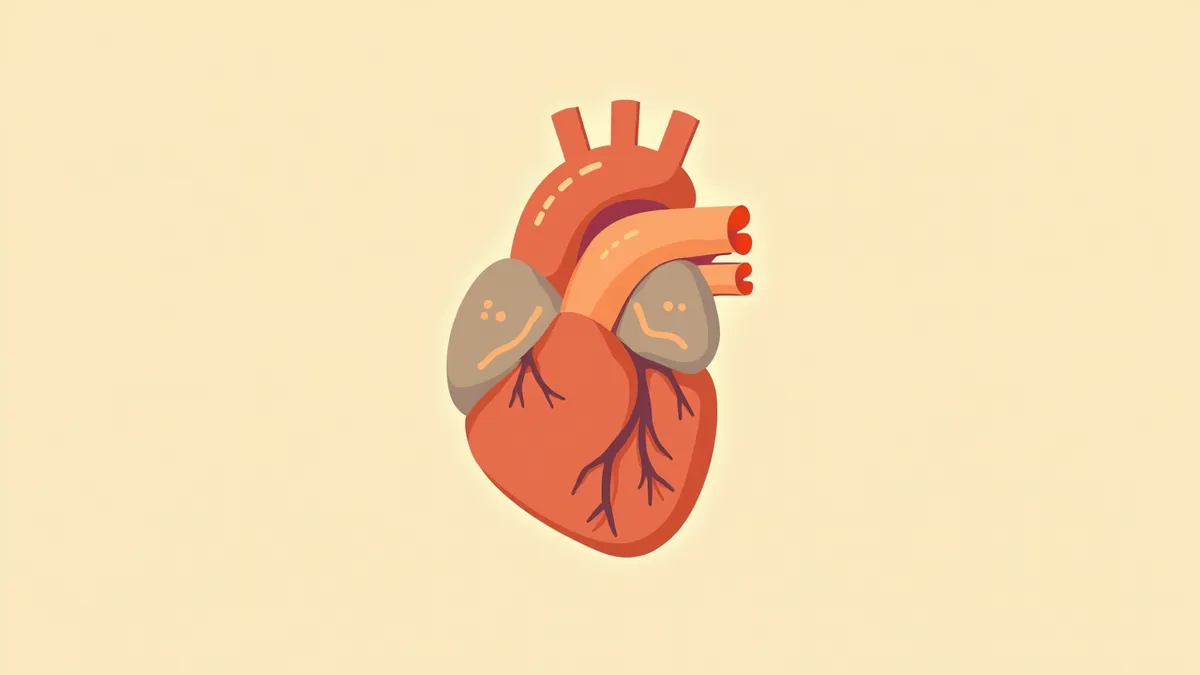
Heart structure in dogs with taurine-deficient cardiomyopathy
Taurine-deficient cardiomyopathy in dogs is a condition in which the heart muscle weakens and the left ventricle dilates due to insufficient taurine, impairing the heart’s ability to contract efficiently and preventing adequate blood circulation at the proper volume and speed. Although dogs can synthesize taurine internally and it is not classified as an essential amino acid for them, certain breeds—including American Cocker Spaniels, Golden Retrievers, Labrador Retrievers, Newfoundlands, and Portuguese Water Dogs—may exhibit low blood taurine levels and require careful monitoring. Additionally, diets high in lamb and rice or those that are low in protein and high in fiber can lead to taurine deficiency. Early detection and taurine supplementation can improve heart function, but regular veterinary check-ups and proper dietary management are also essential. Taurine plays a vital role in maintaining the contractile function of heart muscle.

The key to managing taurine-deficient cardiomyopathy is choosing supplements and dietary control
Managing taurine-deficient cardiomyopathy centers on taurine supplementation and a balanced diet. Taurine is an amino acid involved in the contractile function of heart muscle. Because dogs can synthesize some taurine endogenously, it is not classified as an essential amino acid. However, diets low in taurine bioavailability—such as those based on lamb and rice, or low-protein, high-fiber formulas—can lead to deficiency in certain breeds, resulting in impaired cardiac function. Since dietary taurine levels do not always correlate with blood taurine concentrations, the decision to supplement should be based on blood taurine testing and veterinary assessment. Supplements should be used under veterinary guidance, tailored to the dog’s weight and condition, and regular check-ups are essential to monitor progress. Consistent management is key, and any adjustments to supplementation should be made in consultation with your veterinarian.
Dog food that includes taurine

BEST 1 Recommendation: Taurine Premium Capsules (High Concentration, High Bioavailability)
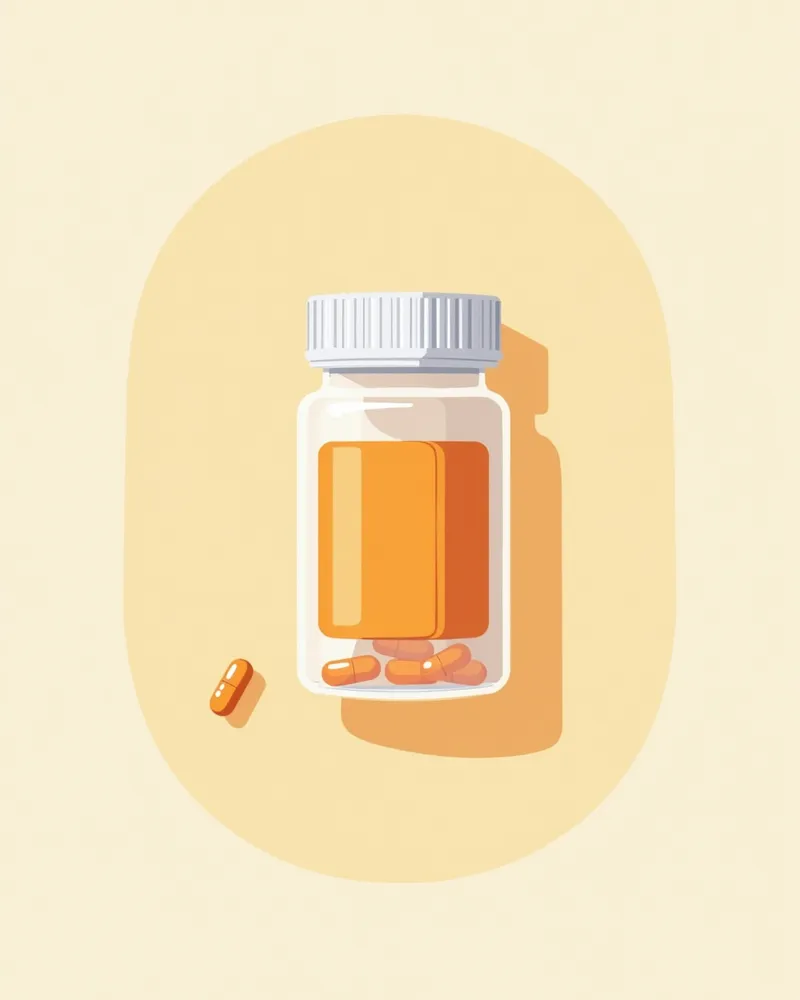
Taurine Premium Capsules contain high-concentration taurine, demonstrating excellent efficacy in improving heart function. The capsule form breaks down quickly in the stomach, offering high bioavailability so that even a small dose can deliver sufficient benefits. They are especially suitable for dogs with weakened heart function or those who have difficulty taking supplements. This veterinarian-recommended product has been verified for safety and quality. Administer one capsule daily, adjusted according to your dog’s body weight. Consistent, long-term use is key.
Product image of Taurine Premium Capsules

BEST 2 Recommendation: Liquid Taurine Supplements (Easy Administration, Fast Absorption)
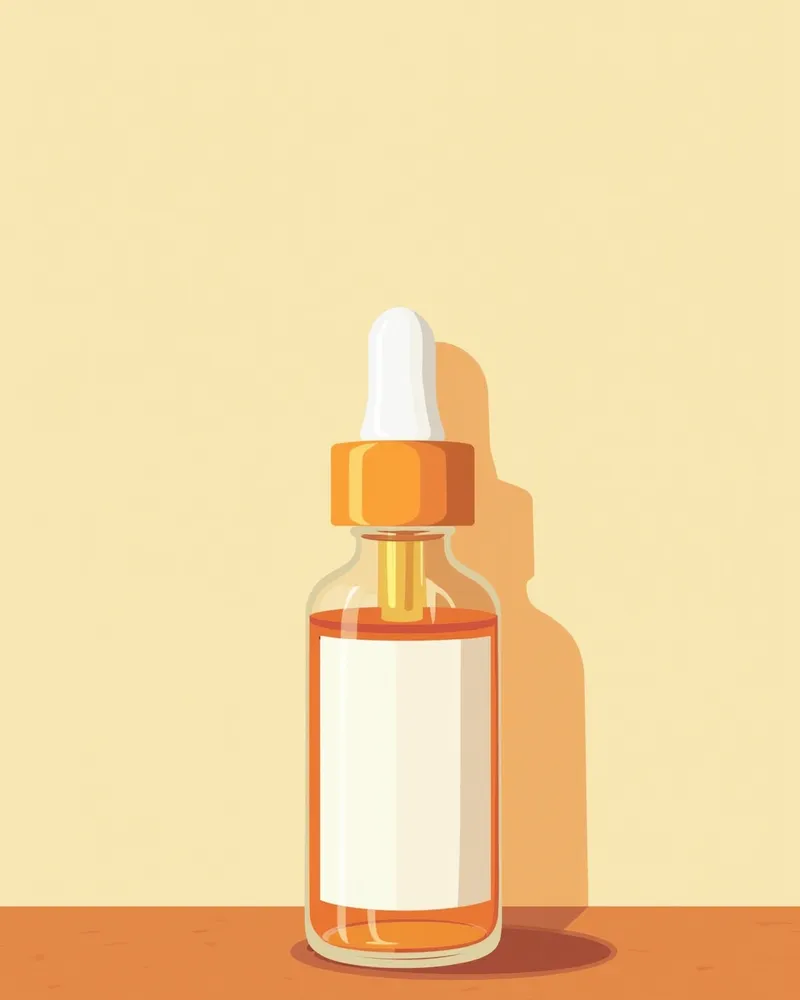
Liquid taurine supplements are easy to administer, making them convenient for dogs. The liquid form is quickly absorbed in the stomach, leading to faster results. It can be given with meals or mixed into water for easier administration, and is especially suitable for young dogs with poor appetites or those who are difficult to medicate. Administer 1 ml per day, adjusted according to your dog's weight. Store away from direct sunlight, and use promptly after opening. Consistent use is key to achieving the desired effects.
Product image of liquid taurine supplement

BEST 3 Recommendation: Premium Diets Containing Taurine (Diet-based Management)

Premium diets containing taurine help prevent and manage taurine deficiency through proper nutrition. These formulas provide a balanced combination of nutrients to support heart health, offering stable, long-term benefits when fed consistently. They are especially recommended for breeds at higher risk of heart disease. In addition to taurine, these diets include other heart-supportive ingredients such as omega-3 fatty acids and coenzyme Q10. Feed once daily, adjusting the portion size according to your pet’s body weight. We recommend consulting your veterinarian before transitioning to a new diet.
Image of a premium pet food product containing taurine

Comparison of BEST 1–3 Products: Ingredients, Form, Administration Method, Price

ItemTaurine ContentFormAdministration MethodPrice (per 1 month)
Taurine Premium Capsule500 mgCapsule1 tablet per dayAbout $20
Taurine Liquid Supplement100 mg/mlLiquid1 ml per dayAbout $20
Taurine Premium Feed1.2 g/kgFeedOnce per dayAbout $30

Prices are based on averages and may vary depending on breed and body weight. Choose after consulting your veterinarian.

Side Effects May Occur with Overdose

Taurine is considered a relatively safe and affordable supplement in veterinary textbooks. However, as with any supplement, it is important to avoid exceeding the recommended dosage and to adhere strictly to the prescribed amount. In cases of compromised heart function, a supplementation plan must be established under the direct guidance of a veterinarian. If adverse symptoms such as diarrhea or decreased appetite occur during use, discontinue administration and consult your veterinarian.

Tips for Using Taurine Supplements: How to Maximize Effectiveness
It is important to take taurine supplements consistently, following your veterinarian’s recommendations. Whether supplementation is needed and the appropriate dosage should be determined based on blood taurine levels and heart condition. Rather than stopping the supplement on your own, it is best to consult with your veterinarian for adjustments. Since the taurine content in food does not always correlate with blood taurine levels, maintaining a proper diet alongside supplementation can be helpful. Additionally, regular heart check-ups with your veterinarian are essential to monitor treatment response. If any unusual symptoms occur during use, stop the supplement immediately and consult your veterinarian. Store the product in a cool, dry place away from direct sunlight, and keep it out of reach of children and pets.
A scene of a puppy undergoing a heart examination

Reviewed by a veterinarian

Dr. Tony — Punnawat Phongkittirak

Dr. Tony — Punnawat Phongkittirak

Veterinarian

A veterinarian who majored in veterinary medicine at Khon Kaen University, Thailand, and completed the IVSA program at North Carolina State University in the United States. Drawing on clinical experience at animal hospitals, he works in the pet healthcare field and is dedicated to building a digital care environment that connects pet parents with veterinarians.

Frequently Asked Questions

How many times a day should taurine supplements be given?
Typically, it’s recommended to administer the suggested daily dose once a day. Since this can vary by product, please check the instructions on the packaging and consult with your veterinarian.
If my dog is taurine-deficient, will food alone be sufficient?
While some premium pet foods contain taurine, the taurin level in the diet does not always correlate with blood taurine levels. If a deficiency is confirmed, supplementation may be necessary, so please consult your veterinarian.
Is it safe to give taurine supplements to my pet long-term?
Taurine is considered a relatively safe supplement. Depending on the heart condition, long-term use may be recommended, so please monitor your pet’s condition through regular check-ups.
Which breeds are more commonly affected by taurine deficiency?
It is more commonly reported in certain breeds, such as American Cocker Spaniels, Golden Retrievers, Labrador Retrievers, Newfoundlands, and Portuguese Water Dogs. However, the type of diet can also influence the development of deficiencies.
Will giving a taurine supplement help restore heart function?
Early detection and proper management can lead to improved heart function. However, the extent of recovery may vary depending on each pet's individual condition.

Share

Related Guides

References

[1] Textbook of Cardiovascular Medicine in Dogs and Cats, 2023

[2] Plumb's Veterinary Drug Handbook, 9th Edition, 2022

[3] American Veterinary Medical Association (AVMA) Guidelines on Nutritional Management of Canine Heart Disease, 2021

This information is based on veterinary literature and does not replace diagnosis or treatment. Please consult a veterinarian for specific health concerns.

Metapet Co., Ltd. | CEO: Park Sung-yong | Business Reg. No. 417-88-02562 | Seoul, South Korea | Customer Center

Prevent Dilated Cardiomyopathy in Dogs: 7 Taurine Tips | Meongsiljang