Like
Share
멍실장
고양이 수신증 관리 추천 BEST와 고르는 기준 총정리

Veterinarian-Recommended Top 7 Kidney Care Products for Cats with Hydronephrosis and Selection Criteria

KidneyTop PicksMeongsiljang Veterinary Advisory Board

Feline hydronephrosis is a condition in which fluid accumulates in the kidneys, making early detection and proper management essential. We’ve outlined key criteria for selecting tailored care products.

Feline hydronephrosis is a condition in which fluid accumulates in the kidneys
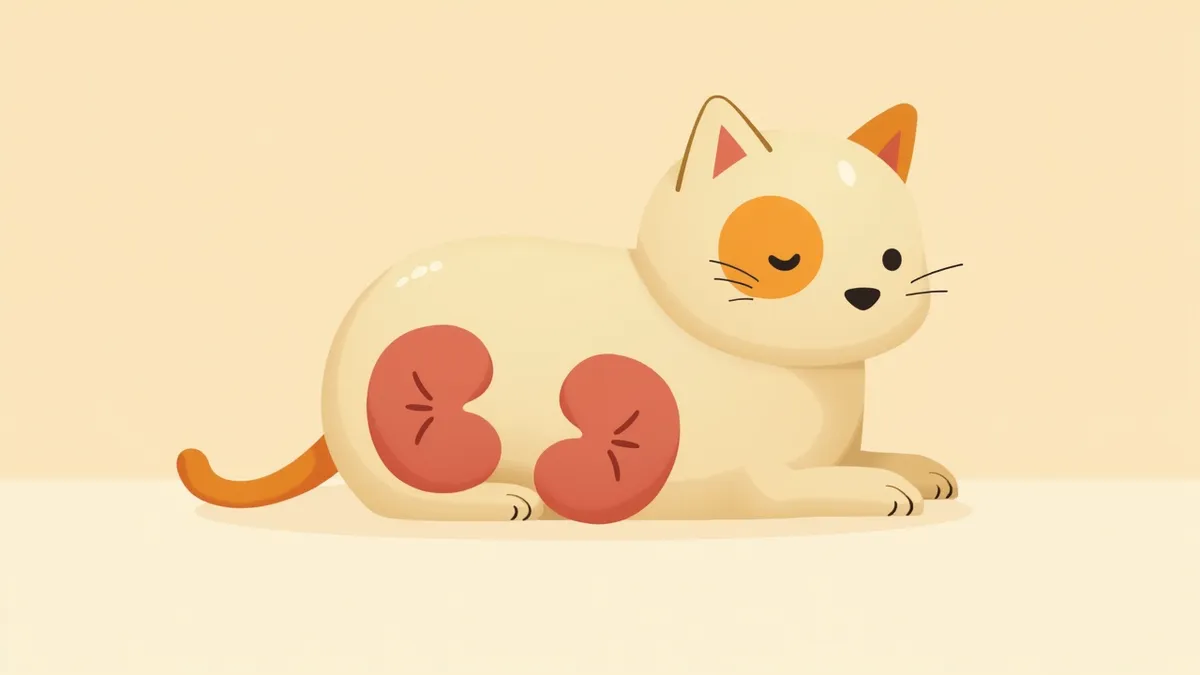
An anatomical illustration comparing a normal feline kidney with one affected by hydronephrosis.
Feline hydronephrosis is a condition that occurs when the kidneys' ability to excrete urine is impaired or the urinary tract becomes blocked, preventing proper urine drainage. This can cause the kidneys to swell and lead to progressive organ damage. Early detection and appropriate management are key to preserving kidney function. Regular veterinary check-ups and accurate diagnosis enable timely intervention. Comprehensive care is essential, including ensuring adequate hydration, dietary management, and medication as needed. Consistently monitoring your cat for any changes in condition is also important.

The selection criteria consist of four key elements

When choosing a product to manage feline hydronephrosis or kidney disease, prioritize safety, ease of administration, and, most importantly, whether it is recommended by a veterinarian. Since textbook evidence supporting the claim that supplements or diets directly improve kidney function is limited, be cautious of any marketing that definitively asserts efficacy. - Safety: Ensure the formulation places minimal burden on cats with compromised kidney function. - Ease of Administration: Opt for forms that are easy for your cat to consume and allow for simple dosage adjustments. - Veterinary Recommendation: The safest approach is to select products under professional guidance. - Integration with Evidence-Based Care: Prioritize established management strategies, such as renal prescription diets and adequate hydration, and view products as supplementary aids. Always check the ingredient names and quantities, and consult your veterinarian before making a decision.
A cat being given a liquid supplement under a veterinarian's guidance

BEST 1: Liquid supplement for kidney protection
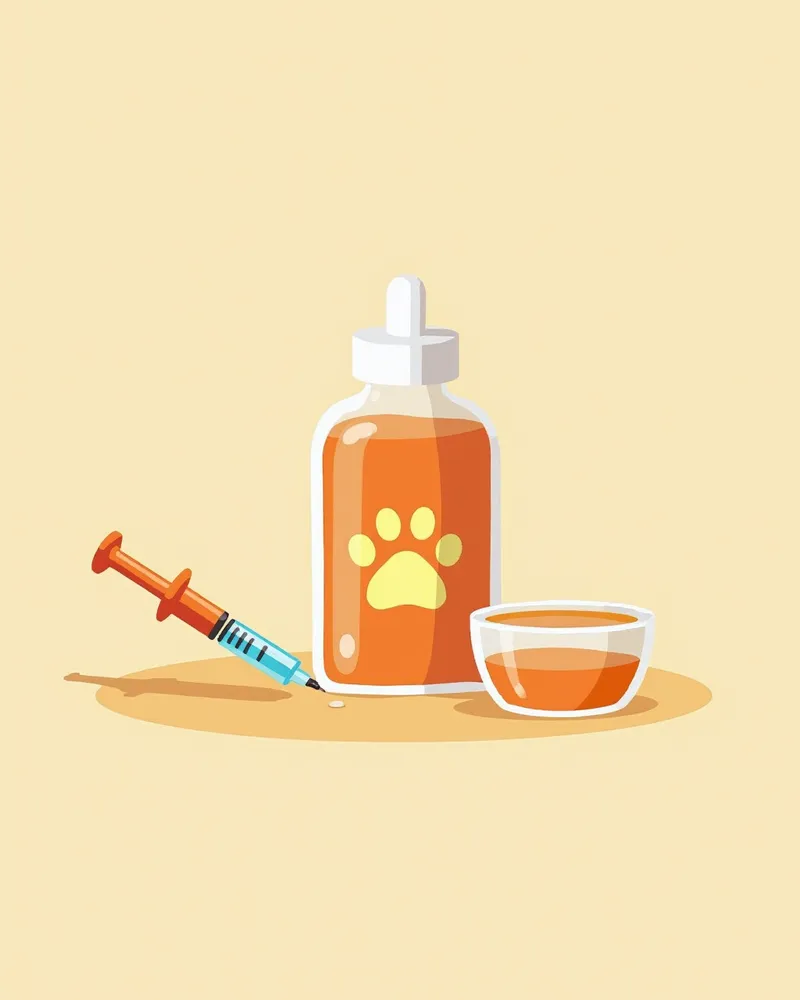
This product is a liquid supplement labeled as containing glucosamine, omega-3 fatty acids, and antioxidants. However, veterinary textbooks do not provide sufficient evidence that these ingredients directly improve feline hydronephrosis or kidney function, so it is best to view this product as a reference rather than a guaranteed treatment. - Ease of Administration: The liquid form makes it relatively easy for cats to consume and allows for convenient dosage adjustments. - Veterinary Consultation Required: Since supplements do not replace diagnosis or treatment, always consult your veterinarian before use. - Combine with Proven Management: The cornerstone of kidney disease management is adequate hydration and a renal prescription diet; supplements play only a supportive role. - Monitor Condition: While administering the supplement, observe and record any changes in appetite and activity levels. - Use with Regular Food: When combining with other diets, follow your veterinarian’s guidance.
An image showing a liquid kidney-support supplement for cats, along with its dosing tool.

BEST 2: Specialized diet for hydration support

This food has a high moisture content, helping cats naturally drink more water. Adequate hydration is especially important for cats with hydronephrosis. - Low-protein, low-sodium formula: Designed to reduce the workload on the kidneys. - Maintains appetite: Its palatable taste minimizes refusal, even with long-term feeding. - Suitable for long-term management: Helps maintain consistent hydration levels. - Improves eating habits: An effective complementary approach for cats that don’t drink enough water. Please provide the appropriate amount as advised by your veterinarian.
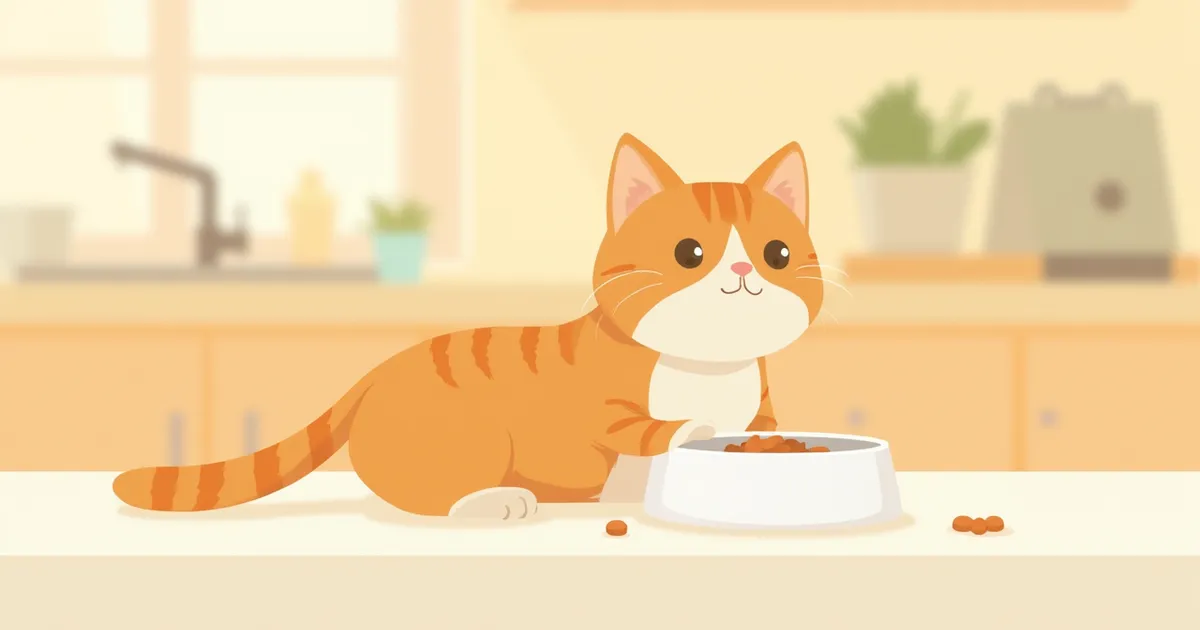
A cat eating moisture-rich wet food and a water mister

BEST 3: Complex supplement for improving kidney function

This product is a complex supplement labeled as containing organic acids, B vitamins, creatine, and other ingredients. However, there is insufficient evidence in veterinary textbooks to support the claim that these ingredients improve renal metabolism or decline in kidney function in cats. In particular, creatine is not universally recommended for cats with kidney disease, so caution is advised. - Ease of Administration: The capsule form makes it relatively easy to administer and generally well-tolerated by cats. - Veterinary Consultation Required: Supplements cannot replace diagnosis or treatment, so always consult your veterinarian before use. - Prioritize Evidence-Based Management: For kidney disease, priority should be given to management strategies prescribed by your veterinarian, such as adequate hydration, renal prescription diets, phosphate binders, and potassium supplementation. - Check Ingredients: Verify the listed ingredients and their concentrations, and monitor for any allergic reactions. - Monitor Condition: Keep a record of changes in energy levels and appetite while administering the supplement.
An image of a kidney function-supporting supplement for cats, complete with a measuring spoon.

Comparison table of products BEST 1–3

ItemBEST 1 Liquid SupplementBEST 2 Wet FoodBEST 3 Combination Supplement
Main IngredientsGlucosamine, omega-3, antioxidantsLow protein, low salt, high moistureOrganic acids, vitamin B complex, creatine
Administration MethodLiquid, syringe administrationConsumed as a mealPowder, mixed into food
FeaturesLimited textbook evidence for kidney effects, for supplementary useEncourages water intake (evidence-based)Limited textbook evidence for kidney effects, for supplementary use
PrecautionsPossible indigestion with excessive intake, caution against asserting effectsCats may dislike itPossible allergic reactions; no evidence recommending creatine for renal patients

Choose after consulting with your veterinarian. The kidney-improving effects of supplements and food cannot be asserted, and appropriate management varies depending on the cat's condition.

Excessive water intake is dangerous

For cats with diabetes or kidney disease, adequate hydration is essential. However, the required amount of water varies depending on the cat’s weight and condition, so it is safer to follow the veterinarian’s recommended guidelines rather than arbitrarily deciding on a quantity. Ensure fresh water is always available, and consistently track daily water intake to monitor for any changes. If your cat is not drinking enough on its own or shows signs of dehydration, a veterinarian can provide fluid supplementation through methods such as subcutaneous fluids.

Usage tips and practical checkpoints

Products for managing polycythemia should be used under veterinary guidance. Always have your cat examined before switching products. Daily records of changes in appetite, elimination habits, and activity levels can help detect early warning signs. It’s also important to monitor water intake, especially noting if your cat drinks frequently at night or if elimination frequency has decreased. Consult your veterinarian immediately if you notice any changes. Consistent care and record-keeping are key to maintaining long-term health.
A log to track your cat’s meals, water intake, and behavioral changes.

Reviewed by a veterinarian

Dr. Tony — Punnawat Phongkittirak

Dr. Tony — Punnawat Phongkittirak

Veterinarian

A veterinarian who majored in veterinary medicine at Khon Kaen University, Thailand, and completed the IVSA program at North Carolina State University in the United States. Drawing on clinical experience at animal hospitals, he works in the pet healthcare field and is dedicated to building a digital care environment that connects pet parents with veterinarians.

Frequently asked questions

Can hydronephrosis be completely cured?
It depends on the underlying cause. While some cases can be resolved by treating the primary condition, others may require long-term management.
Is a vet visit always necessary if my pet develops edema?
Yes, early detection of hydronephrosis is crucial. It's safer to have your pet checked before symptoms appear.
How much water should I give my pet?
Your veterinarian will determine the appropriate water intake for your cat based on their weight and health condition. A healthy cat typically consumes no more than 45 ml of water per kilogram of body weight per day; significantly exceeding this amount may actually signal excessive thirst or polyuria. Rather than forcing large amounts of water, it’s best to ensure fresh water is always available. If dehydration occurs, your veterinarian will administer subcutaneous fluids to replenish hydration.
Can it be managed with just diet?
Dietary management is crucial. Renal prescription diets have been shown to extend survival and improve quality of life in cats with kidney disease, while wet food helps increase fluid intake. However, evidence supporting the added benefit of supplements is limited, so please consult your veterinarian to determine the best combination of diet and supplements for your cat.
Can hydrocephalus recur?
Yes, if the underlying cause isn’t addressed, the condition can recur. Regular check-ups and ongoing care are essential.

Share

Related Guides

References

[1] Feldman BF, Nelson RW. Textbook of Veterinary Internal Medicine, 8th ed. Elsevier, 2015.

[2] Lappin MR, et al. Feline renal disease: diagnosis and management. Vet Clin North Am Small Anim Pract. 2020;50(3):487-504.

[3] American Association of Feline Practitioners (AAFP). Feline Chronic Kidney Disease Guidelines. 2023.

This information is based on veterinary literature and does not replace diagnosis or treatment. Please consult a veterinarian for specific health concerns.

Metapet Co., Ltd. | CEO: Park Sung-yong | Business Reg. No. 417-88-02562 | Seoul, South Korea | Customer Center

Vet's Top 7 Kidney Care Products for Cats with Hydronephrosis | Meongsiljang