Like
Share
멍실장
고양이 망막 박리 관리 추천 BEST와 고르는 기준 총정리

7 Essential Tips for Managing Feline Retinal Detachment: Signs You Must Not Miss

Eye HealthTop PicksMeongsiljang Veterinary Advisory Board

Feline retinal detachment is a serious condition that can lead to vision loss. With proper care and treatment, your cat can maintain a stable condition.

Feline retinal detachment is a serious eye condition that can lead to vision loss
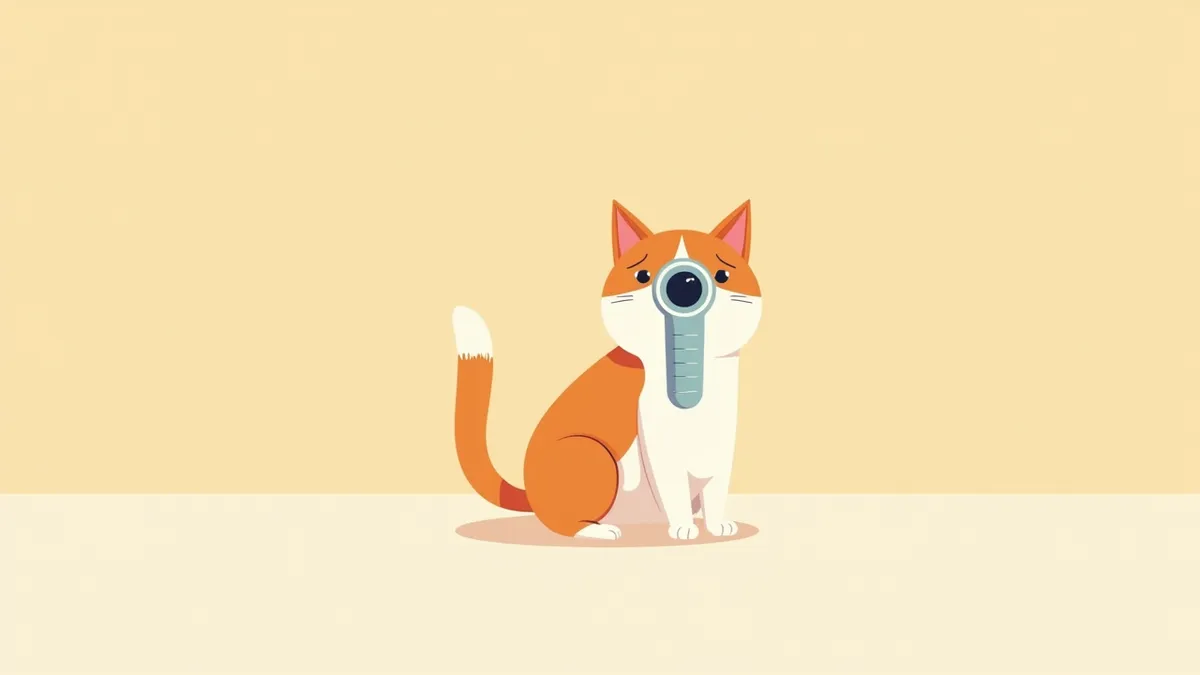
A cat undergoing an eye examination
Retinal detachment occurs when the neural sensory layer of the retina separates from the underlying retinal pigment epithelium (RPE). Early detection and treatment are essential for preserving vision. Once the retina detaches, degeneration begins within one hour, and widespread damage to photoreceptors can progress within two weeks, making rapid intervention critical. In cats, systemic hypertension is the most common cause of retinal detachment and blindness, and it is closely linked to kidney disease. Therefore, regular ophthalmic and blood pressure screenings are especially important for older cats. Pet owners may easily overlook signs of vision loss, such as sudden behavioral changes or frequent bumping into objects in dim light, so careful observation is necessary. - Treat the underlying cause first: Retinal detachment is not a condition that can be resolved with supplements alone. If hypertension is the cause, blood pressure control (e.g., with amlodipine) is key; if inflammation is the cause, steroid therapy prescribed by a veterinarian is essential. Treatment must target the root cause. - Potential for spontaneous reattachment: In cats, particularly, the detached retina may reattach and vision may return if the underlying cause is well-managed. However, the prognosis remains guarded when detachment has occurred. - Veterinary consultation is essential: For safety, any supplement or treatment should only be decided under the diagnosis and prescription of a veterinarian.

Know This: Managing Feline Retinal Detachment
Feline retinal detachment is not a condition that can be managed with supplements alone; it is an emergency that requires accurate diagnosis, treatment of the underlying cause, and consistent follow-up monitoring. When determining a management plan, discuss the following points with your veterinarian: - Identify the cause first: Treatment varies significantly depending on the underlying cause, such as hypertension, inflammation, trauma, tumors, or kidney disease. Therefore, the cause should be confirmed first through fundus examination, intraocular pressure measurement, and ocular ultrasound. - Cause-specific treatment: If hypertension is the cause, blood pressure is controlled with medications like amlodipine or ACE inhibitors. Inflammatory (bullous) detachments often respond well to systemic steroid therapy. - Monitor for side effects: Prescribed medications such as antihypertensives or steroids may cause side effects like lethargy, gastrointestinal disturbances, or changes in kidney function, so regular check-ups are essential. - Veterinary consultation is mandatory: Always consult your veterinarian before changing or using any product or treatment long-term. Only by approaching the condition with a focus on the underlying cause can safe and effective management be achieved.
Comparison image of cat eye health supplement bottles

Know This 1: What is retinal detachment and how urgent is it?
Retinal detachment occurs when the retina, the light-sensitive neural layer at the back of the eye, separates from the underlying retinal pigment epithelium (RPE). Once detached, the photoreceptor cells in that area are cut off from their oxygen and nutrient supply, leading to damage. Textbook timelines indicate that retinal degeneration can begin within one hour of detachment, and widespread photoreceptor damage may occur within about two weeks, making time critical. Key symptoms include sudden vision loss or blindness, dilated pupils that do not react well to light, and the absence of a menace response. Fortunately, if the underlying cause is identified and managed early, the retina can reattach and vision may be restored. Therefore, if you suspect these symptoms, it is crucial to visit a veterinary clinic as soon as possible.
What is retinal detachment, and how urgent is it? Related guide image

Know This 2: How is it diagnosed and what are the treatment options?
Diagnosis is confirmed by a veterinary ophthalmologist or an experienced veterinarian through fundus examination, intraocular pressure measurement, and ocular ultrasound. Because the treatment approach varies significantly depending on the underlying cause of retinal detachment, accurately identifying the cause is the top priority. If hypertension is the cause, medical management focused on lowering blood pressure is central to treatment; if the cause is inflammatory, veterinarians prescribe anti-inflammatory and immunosuppressive therapies. While surgical correction is possible in some cases, the prognosis varies greatly depending on the timing, extent of detachment, and underlying cause, so veterinarians make individualized assessments based on each patient’s specific circumstances.
How is it diagnosed, and what treatment options are available? Related guide images

Know This 3: Daily management and precautions for owners
Even after treatment, glaucoma can recur or intraocular pressure may fluctuate, so regular ophthalmic follow-ups are essential. If hypertension was the underlying cause, it is crucial to administer prescribed antihypertensive medication consistently without missing doses. Keep the environment safe to prevent your cat from shaking its head vigorously or bumping into objects, and restrict access to high places, as impaired vision increases the risk of falls. Over-the-counter supplements or unproven home remedies applied directly to the eyes lack verified efficacy and may worsen the condition; therefore, all treatments must strictly follow your veterinarian’s prescriptions and instructions.
Guidance image on daily care and precautions for pet owners

What Owners Should Know About Feline Retinal Detachment

ItemKey Points
SymptomsSudden vision loss, mydriasis (loss of pupillary light response), and loss of menace response
CauseVarious, including hypertension, kidney disease, inflammation (bullous), trauma, and tumors (hypertension is most common in cats)
DiagnosisConfirmed by the veterinarian through fundus exam, ocular ultrasound, and intraocular pressure and blood pressure measurement
TreatmentDepending on the cause, medical treatment such as blood pressure control or steroids, or surgical correction is decided
CautionRegular follow-up exams, consistent use of prescribed medication, and no unverified folk remedies

This is not a table recommending specific products or hospitals, but a reference to consult with your veterinarian. Decisions about treatment and testing must always be made together with your veterinarian through an examination.

Overdose Can Cause Side Effects

When treating retinal detachment, it is crucial to strictly adhere to the prescribed dosage. Blood pressure medications such as amlodipine and ACE inhibitors may cause side effects like lethargy, gastrointestinal disturbances, and decreased kidney function. Steroids used for inflammatory detachment also require caution with long-term use. Cats, in particular, have a lower drug metabolism capacity than humans or dogs, so overdosing can lead to severe side effects such as liver and kidney toxicity. Never increase the dosage on your own; always follow the veterinarian’s recommended dose. If any unusual symptoms occur during treatment, stop the medication immediately and visit the clinic.

Usage Tip: Closely Monitor Your Cat’s Response

Once treatment or management begins, keep a daily log of your cat’s appetite, bowel movements, and activity level. If you notice a sudden loss of appetite or decreased activity, visit the clinic immediately. Always consult your veterinarian before changing any medications or products. Retinal detachment can recur or lead to changes in intraocular or blood pressure even after treatment, so regular eye exams and follow-up monitoring are essential. - Monitor for changes: Carefully observing your cat’s behavior can help detect problems early. - Stick to the dosing schedule: Administering medication consistently at the same time each day reduces the risk of missed doses and helps maintain stable control of underlying conditions like hypertension. - Adjust the environment: Since vision impairment increases the risk of falls and collisions, minimizing stress and providing a safe, stable environment is beneficial.
A cat care notebook and a picture of a cat sleeping peacefully

Reviewed by a veterinarian

Dr. Tony — Punnawat Phongkittirak

Dr. Tony — Punnawat Phongkittirak

Veterinarian

A veterinarian who majored in veterinary medicine at Khon Kaen University, Thailand, and completed the IVSA program at North Carolina State University in the United States. Drawing on clinical experience at animal hospitals, he works in the pet healthcare field and is dedicated to building a digital care environment that connects pet parents with veterinarians.

Frequently Asked Questions

Can supplements help with retinal detachment?
Veterinary textbooks do not support the use of supplements to treat retinal detachment itself. Since retinal detachment is a condition that requires identifying and treating underlying causes such as hypertension or inflammation, accurate veterinary diagnosis and targeted treatment of the root cause should take priority over supplement use.
Which ingredients are good for retinal health?
There is no established textbook evidence proving that any specific supplement is effective for feline retinal detachment. Instead, treating the underlying cause is the most reliable way to protect the retina—for example, managing blood pressure with medications like amlodipine for hypertension, or using steroid therapy for inflammatory conditions.
Which cats are at higher risk for retinal detachment?
Cats with systemic hypertension are at the highest risk, and hypertension is closely linked to kidney disease. Therefore, regular blood pressure and ophthalmic examinations are essential for senior cats or those with kidney disease or hypertension.
When should I start giving the supplement?
Rather than focusing on whether to take supplements, it is more important for a veterinarian to first assess the risk of retinal detachment and any underlying conditions, such as hypertension or kidney disease. Always consult with your veterinarian before starting any product, and continue treating the underlying cause alongside any supportive care.
Will my pet's vision improve after taking the supplement?
Supplements alone won’t restore vision. However, in cats, early management of underlying causes like high blood pressure can sometimes allow a detached retina to reattach and vision to return, making early diagnosis and treatment of the root cause essential.

Share

Related Guides

References

[1] Gelatt KN, MacKay EO. Distribution of intraocular pressure in dogs. Vet Ophthalmol 1998;1(2–3):109–14.

[2] Côté E. Clinical veterinary advisor. Dogs and cats. 3rd ed. St. Louis, MO: Elsevier Mosby; 2015.

[3] Ettinger SJ, Feldman EC, Côté E. Textbook of veterinary internal medicine: diseases of the dog and the cat. 8th ed. St. Louis, MO: Elsevier; 2017.

This information is based on veterinary literature and does not replace diagnosis or treatment. Please consult a veterinarian for specific health concerns.

Metapet Co., Ltd. | CEO: Park Sung-yong | Business Reg. No. 417-88-02562 | Seoul, South Korea | Customer Center

Feline Retinal Detachment: 7 Tips & Signs You Can't Miss | Meongsiljang