

Veterinarian-Recommended Top 5 Medicated Shampoos for Canine Yeast Dermatitis — Relieves Itching and Greasiness
We’ve compiled five medicated shampoos effective against yeast dermatitis (Malassezia dermatitis) in dogs, including their ingredients, precautions, and usage instructions. If your dog suffers from recurring itching and a greasy, musty odor, be sure to check this out.
Why Is Shampoo Choice Important for Canine Yeast Dermatitis?

Which Dogs Are Prone to It?
At-a-Glance Comparison of the Top 5 Medicated Shampoos for Canine Yeast Dermatitis
| Item | Combination medicated | Ketoconazole | Selenium sulfide | Lauric acid·Tea tree | Oatmeal moisturizing |
|---|---|---|---|---|---|
| Main antifungal ingredients | Chlorhexidine 2% + Miconazole 2% | Ketoconazole 1–2% | Selenium sulfide 1% | Lauric acid·Tea tree extract (limited textbook evidence) | Colloidal oatmeal (moisturizer, not an antifungal) |
| Recommended stage | Acute recurrence | Maintenance·Supportive management | With oiliness·dandruff | Early·Supportive | Post-treatment moisturizing |
| Weekly use frequency | 2×/week | 1–2×/week | 1×/week | 1–2×/week | 1×/week |
| Contact time | 10 min | 10 min | 5–10 min | 5 min | 3–5 min |
| Safety | safe | safe | caution | safe | safe |
If the contact time (the time you wait with the lather applied) is not observed, efficacy drops significantly. In evidence-based reviews, a regimen of 2% miconazole·2% chlorhexidine shampoo used twice weekly for 3 weeks is recognized as having good evidence. The antifungal effects of natural ingredients such as tea tree·lauric acid and oatmeal have limited textbook evidence, and antifungal ingredients with established evidence include miconazole, ketoconazole, enilconazole, and selenium sulfide. All medicated shampoos are recommended for use after veterinary diagnosis.
No. 1 — Chlorhexidine + Miconazole Combination Medicated Shampoo
No. 2 — Ketoconazole Single-Ingredient Medicated Shampoo
No. 3 — Selenium Sulfide Shampoo

No. 4 — Lauric Acid and Tea Tree Extract Natural Medicated Shampoo
No. 5 — Colloidal Oatmeal Moisturizing Shampoo (Supportive Use)
Points to Check Before Using Medicated Shampoos
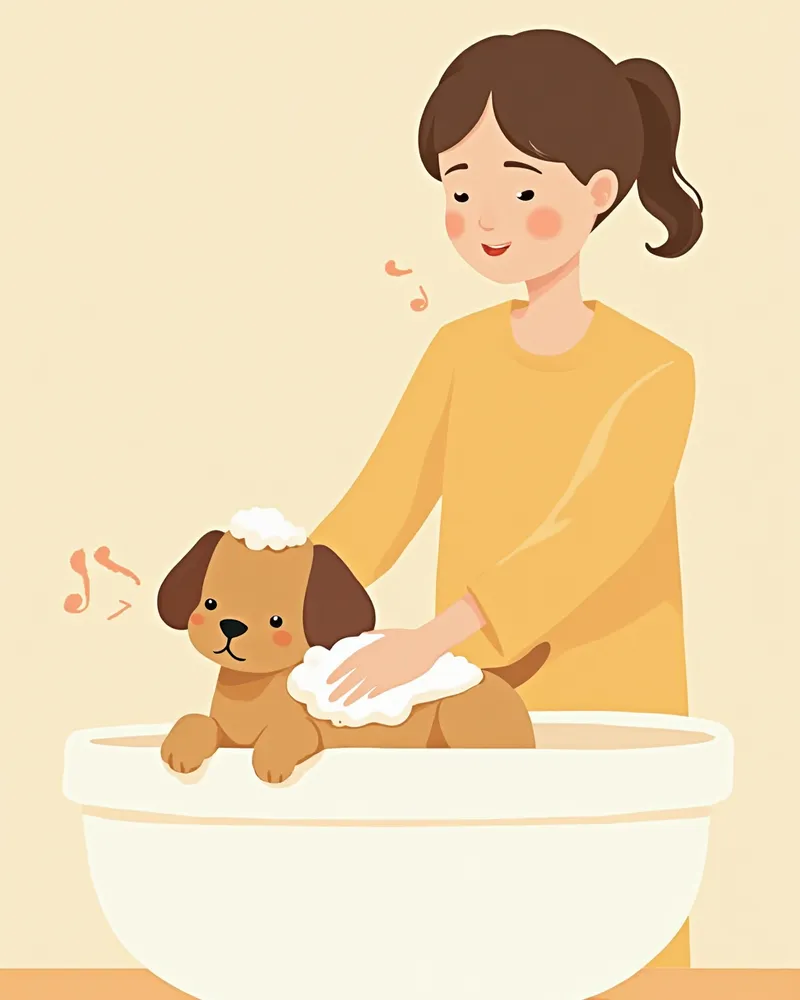
Diagnosing yeast dermatitis always starts with a veterinary examination. Conditions that look similar—such as bacterial pyoderma, mange, or atopic dermatitis—require different treatments, and repeatedly using the wrong medicated shampoo can compromise the skin barrier and worsen symptoms. Additionally, failing to observe the recommended contact time (usually 10 minutes) reduces effectiveness, while inadequate rinsing can leave residual ingredients that irritate the skin. For puppies, pregnant dogs, or pets with underlying health conditions, consulting your veterinarian before use is essential.
How to Double the Effectiveness
Go to the Vet, Not the Shampoo, If You See These Signs
Shampoo care alone may not always be enough. If you notice severe oozing, pus, or a strong odor from the skin, or if your pet tilts its head to one side, scratches at its ears, or loses balance (which could indicate otitis externa or interna), you should seek veterinary care immediately. Additionally, if there is no improvement—or if the condition worsens—after using medicated shampoo for more than four weeks, your pet may need systemic antifungal medication (oral drugs) or allergy testing.
Reviewed by a veterinarian

Dr. Tony — Punnawat Phongkittirak
VeterinarianA veterinarian who majored in veterinary medicine at Khon Kaen University, Thailand, and completed the IVSA program at North Carolina State University in the United States. Drawing on clinical experience at animal hospitals, he works in the pet healthcare field and is dedicated to building a digital care environment that connects pet parents with veterinarians.
Reviewed 2026-05-11
Frequently Asked Questions
Can I use medicated shampoo every day?
Can I use dandruff shampoo made for humans?
Will the itching subside within a few days after using medicated shampoo?
Can yeast dermatitis be transmitted to humans?
Can shampoo alone cure it?
Share
Related Guides
Top 5 Medicated Dog Shampoos — For Pyoderma and Bacterial Infections
Top 5 Medicated Cat Shampoos Recommended by Veterinarians — Fungal Dermatitis and Fungal Care

Top 5 Supplements for Feline Atopic Dermatitis and Allergies — Immune Modulation
Top Recommended Nebulizer Therapy Management for Dogs and Selection Criteria

Top Recommendations and Selection Criteria for Canine Nasal Tumor Management

Top Recommended Products and Selection Criteria for Managing Canine Influenza in Dogs
Top Recommended Bronchodilators for Dogs and Key Selection Criteria

The Best BOAS Management Products for Brachycephalic Dogs and How to Choose Them

Top Recommended Products for Managing Feline Pulmonary Edema and Selection Criteria

Top Recommended Products for Feline Pleural Effusion Management and Selection Criteria
References
[1] Hnilica KA, Patterson AP, Small Animal Dermatology: A Color Atlas and Therapeutic Guide, 4th Edition, Elsevier, 2017
[2] Miller WH, Griffin CE, Campbell KL, Muller and Kirk's Small Animal Dermatology, 7th Edition, Elsevier, 2013
[3] Negre A et al., Evidence-based veterinary dermatology: a systematic review of interventions for Malassezia dermatitis in dogs, Veterinary Dermatology, 2009