Like
Share
멍실장
강아지 각막 색소침착 관리 추천 BEST와 고르는 기준 총정리

7 Key Points for Managing Corneal Pigmentation in Dogs, as Recommended by Veterinarians

Eye HealthTop PicksMeongsiljang Veterinary Advisory Board

Corneal pigmentation in dogs is a common eye condition caused by genetic factors and aging. Choosing the right care products can help maintain your dog’s eye health for years to come.

What Is Corneal Pigmentation in Dogs?
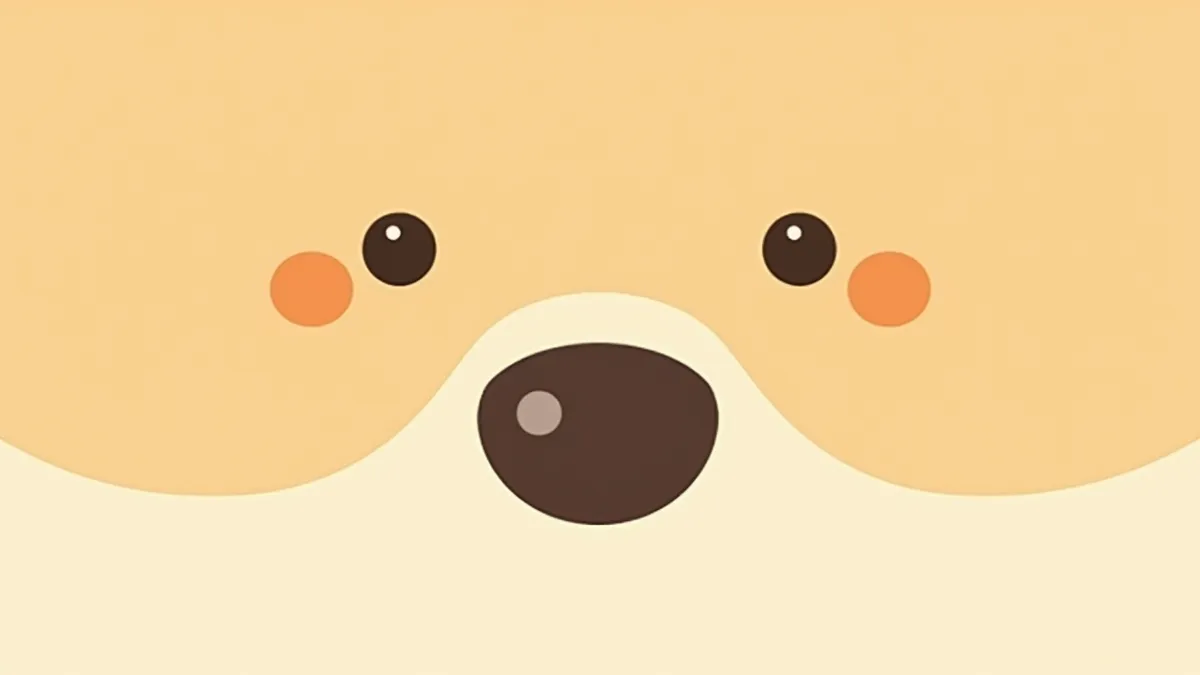
An anatomical image showing mild corneal pigmentation in a dog's eye
Corneal pigmentation (pigmentary keratitis) in dogs is a relatively common condition characterized by the gradual accumulation of brown pigment on the surface of the cornea and the adjacent conjunctiva. Clinically, it presents as smooth or irregular brown opacities, with the extent of involvement varying from case to case. Rather than a single cause, multiple factors often contribute, including exposure due to incomplete eyelid closure (ectropion), chronic or severe keratitis, quantitative or qualitative abnormalities of the tear film, trichiasis (eyelashes irritating the cornea), and genetic predispositions. Inflammatory keratitis accompanied by neurovascular proliferation may also occur concurrently. - Pigmentation: As brown pigment accumulates on the cornea, the eye may appear cloudy or develop brown spots. - Causes: Multiple factors often interact, including exposure (ectropion), chronic keratitis, tear film abnormalities, eyelash irritation, and genetic predisposition. - Precautions: Pigmentation is progressive; if severe, it can obstruct vision, leading to visual impairment or even functional blindness. Even if asymptomatic, early detection and management through regular ophthalmic examinations are crucial. This condition is reported more frequently in brachycephalic breeds such as Pugs and in Cairn Terriers.

Criteria for Selecting Products to Manage Corneal Pigmentation in Dogs
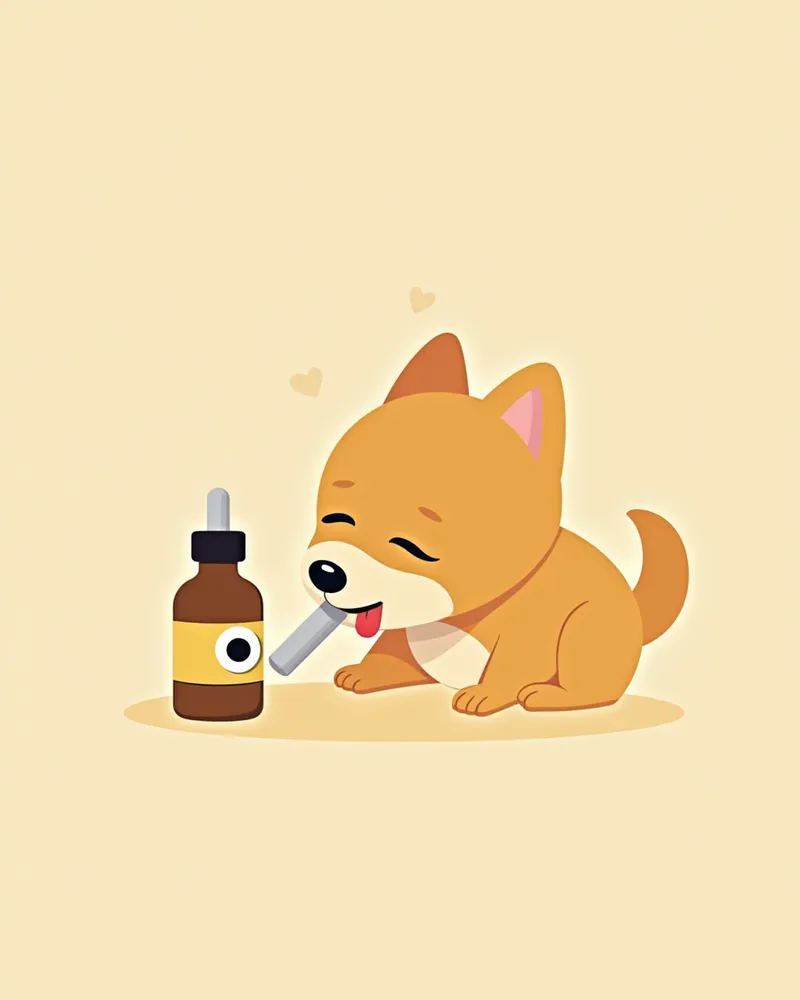
When selecting a product to manage corneal pigmentation in dogs, prioritize formulations that are gentle and non-irritating to the eyes. The cornerstone of standard care involves using lubricants (artificial tears) to coat and protect the corneal surface, stabilizing the tear film, and addressing underlying causes such as inflammation or tear film abnormalities. Above all, consulting with a veterinarian before choosing a product is the safest approach.
Tear film protection and lubrication: Coats the corneal surface to reduce irritation caused by exposure and dryness.
Minimizing eye strain: Requires a gentle formulation free of irritating ingredients.
Addressing underlying causes: Concurrently evaluate contributing factors such as eyelash irritation, tear film abnormalities, and inflammation.
Consult a veterinarian before selection: Using products after proper diagnosis and consultation ensures safety.
Suitable for long-term use: Long-term management may be necessary to slow disease progression.
A puppy safely using eye drops

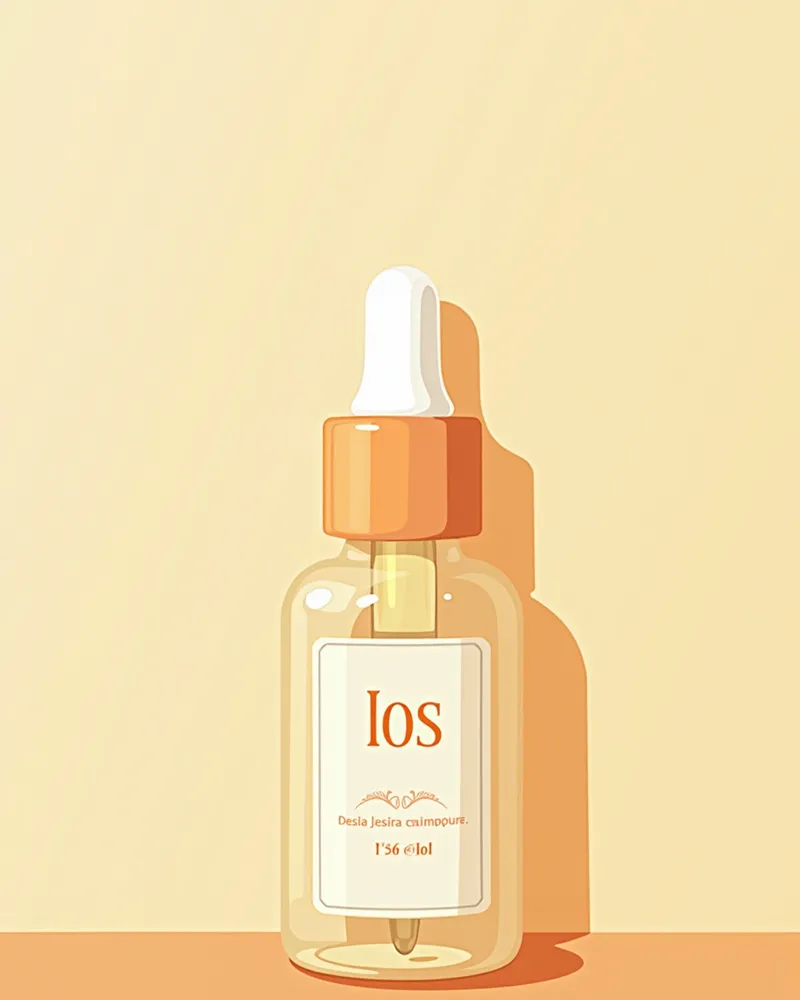
BEST 1: Ios Eye Protection Oil

Ios Eye Protection Oil is introduced as a product to assist with the daily management of corneal pigmentation in dogs. Its formulation focuses on covering and protecting the corneal surface while providing lubrication. However, since it is not established in veterinary textbooks that ingredients such as lutein and zeaxanthin reduce pigmentation, it is best understood as an auxiliary aid for protection and lubrication. The gentle formulation is generally well-tolerated by dogs, but consulting a veterinarian before use is recommended for safety.
Supports Tear Film Protection: Designed to cover the corneal surface, reducing irritation caused by exposure and dryness.
Minimizes Irritation: The fragrance-free and colorless formulation is designed to be gentle even on sensitive eyes.
Consult a Veterinarian Before Use: It is more effective when used alongside management of the underlying cause.
Assists with Long-Term Management: Since pigmentation is progressive, consistent care may be necessary.
Product image of I-Os eye protection oil

BEST 2: Luna Vita Eye Health Capsules
Luna Vita Eye Health Capsules are marketed as a dietary supplement. While they contain lutein, omega-3 fatty acids, and vitamin E, veterinary textbooks do not confirm that these oral supplements can slow the progression of corneal pigmentation in dogs. Therefore, this product should be understood as a general nutritional aid rather than a treatment, and it is safest to consult your veterinarian before deciding whether and when to administer it. The capsule form makes dosing relatively easy.
Nutritional ingredients for supportive purposes: The formula is presented as a blend aimed at general eye health.
Understand efficacy conservatively: There is no evidence to support claims that it inhibits the progression of pigmentation.
Capsule formulation: The convenient capsule form makes administration easy.
Veterinary consultation required: Always consult your veterinarian before use to ensure safety.
Product image of LunaVita Eye Health Capsules

BEST 3: Premium EyeWay Eye Cleanser
The Premium EyeWay Eye Cleanser is an everyday care product designed to keep your dog’s eye area clean. Its gentle, saline-based formula is ideal for softly wiping away dust and debris from around the eyes. However, please note that there is no scientific evidence to suggest that cleansing alone reduces pigmentation; therefore, it is best understood as a supportive aid for hygiene. If you notice any irritation or abnormalities, do not rely on home care alone—consulting a veterinarian is the safest course of action.
Gentle Formula: Based on saline solution to minimize eye irritation.
Daily Hygiene Care: Helps maintain cleanliness around the eyes.
Supports Removal of External Debris: Assists in reducing irritation by removing dust and foreign particles.
Prioritize Veterinary Care if Abnormalities Occur: Consult a veterinarian immediately if you observe redness, pain, or changes in vision.
Gently cleansing around a puppy’s eyes.

Comparison Table of BEST 1–3 Products

ItemAios Eye Protection OilLunavita Eye Health CapsulePremium Eyeway Eye Cleanser
Key IngredientsLutein, Zeaxanthin, Vitamin ELutein, Omega-3, Vitamin EPhysiological saline, Hyaluronic acid
FormulationLiquid oilCapsuleLiquid cleanser
Frequency of Use1–2 times a day1 tablet a day1–2 times a day
Predisposed Breeds (Reference)Brachycephalic breeds such as Pugs, Cairn TerriersAll breedsAll breeds
Veterinary Consultation RecommendedYesYesYes

Understand product efficacy conservatively, and it is safest to consult a veterinarian before use and choose it alongside managing the underlying cause.

Caution: Visit a Veterinary Clinic Immediately If You Notice Abnormalities in Your Dog’s Eyes

If your dog’s eyes become red, show light sensitivity, or exhibit vision loss, seek veterinary care immediately. Early diagnosis is crucial because pigmentary changes can affect vision.

Tips for Managing Corneal Pigmentation in Dogs

Managing corneal pigmentation in dogs hinges on daily habits and choosing the right products. It’s important to regularly clean around your dog’s eyes and avoid exposing them to irritating environments. We also recommend consulting with a veterinarian before using any products.
Cleaning Around the Eyes: Gently wipe around your dog’s eyes daily with a soft cloth.
Avoiding Irritating Environments: Prevent prolonged play in dusty areas.
Regular Check-ups: Schedule eye exams every six months.
Consult Before Using Products: Choose products together with your veterinarian.
Gently wiping around your dog's eyes

Reviewed by a veterinarian

Dr. Tony — Punnawat Phongkittirak

Dr. Tony — Punnawat Phongkittirak

Veterinarian

A veterinarian who majored in veterinary medicine at Khon Kaen University, Thailand, and completed the IVSA program at North Carolina State University in the United States. Drawing on clinical experience at animal hospitals, he works in the pet healthcare field and is dedicated to building a digital care environment that connects pet parents with veterinarians.

Frequently Asked Questions

Can corneal pigmentation in dogs be treated?
There is no treatment that can completely remove pigment that has already deposited in the cornea. However, it is possible to manage the condition by addressing underlying causes such as eyelash irritation, tear film abnormalities, and inflammation, and by slowing progression with lubricants (artificial tears) or medications prescribed by a veterinarian, such as cyclosporine or tacrolimus.
Can pigmentation affect vision?
In some cases, pigment deposits can obstruct the visual field, leading to vision loss, and in severe cases, functional blindness may occur. Early detection and management are crucial.
Do all dogs experience corneal pigmentation?
No. It is more commonly seen in certain breeds, particularly brachycephalic breeds like Pugs or Cairn Terriers. Eyelid structure, tear film abnormalities, and genetic factors all play a role.
Is it okay to use eye drops multiple times a day?
While it varies by product, it’s generally recommended to use it once or twice a day. Overuse can irritate the eyes.
When can I start giving dietary supplements?
Whether to administer the product and when to start depends on the specific product and your dog’s condition, so it’s safest to consult with your veterinarian before making any decisions rather than deciding on your own.

Share

Related Guides

References

[1] Petersen-Jones SM, Mentzer AL, Dubielzig RR, et al. Ocular melanosis in the Cairn Terrier: histopathological description and immunohistological investigation. Vet Ophthalmol. 2007;10 Suppl 1:63–69.

[2] Hanselman BA. Melanocytic glaucoma in a cairn terrier. Can Vet J. 2002;43(4):296–298.

[3] Clinical Atlas of Canine and Feline Ophthalmic Disease, 2nd Ed. Elsevier, 2020.

This information is based on veterinary literature and does not replace diagnosis or treatment. Please consult a veterinarian for specific health concerns.

Metapet Co., Ltd. | CEO: Park Sung-yong | Business Reg. No. 417-88-02562 | Seoul, South Korea | Customer Center

7 Key Tips from Vets for Managing Corneal Pigmentation in Dogs | Meongsiljang