
Like
Share
멍실장
강아지 목부위 림프절 비대 및 영상 촬영 이미지

7 Key Evaluation and Management Essentials for Canine Lymph Node Metastasis, as Recommended by Veterinarians

Oncology/CancerTop PicksMeongsiljang Veterinary Advisory Board

Evaluating lymph node metastasis in dogs is a key step in determining the stage of cancer. We provide a comprehensive guide to the recommended diagnostic methods and management standards for accurate assessment.

Evaluating Lymph Node Metastasis in Dogs is a Key Step in Determining Cancer Stage
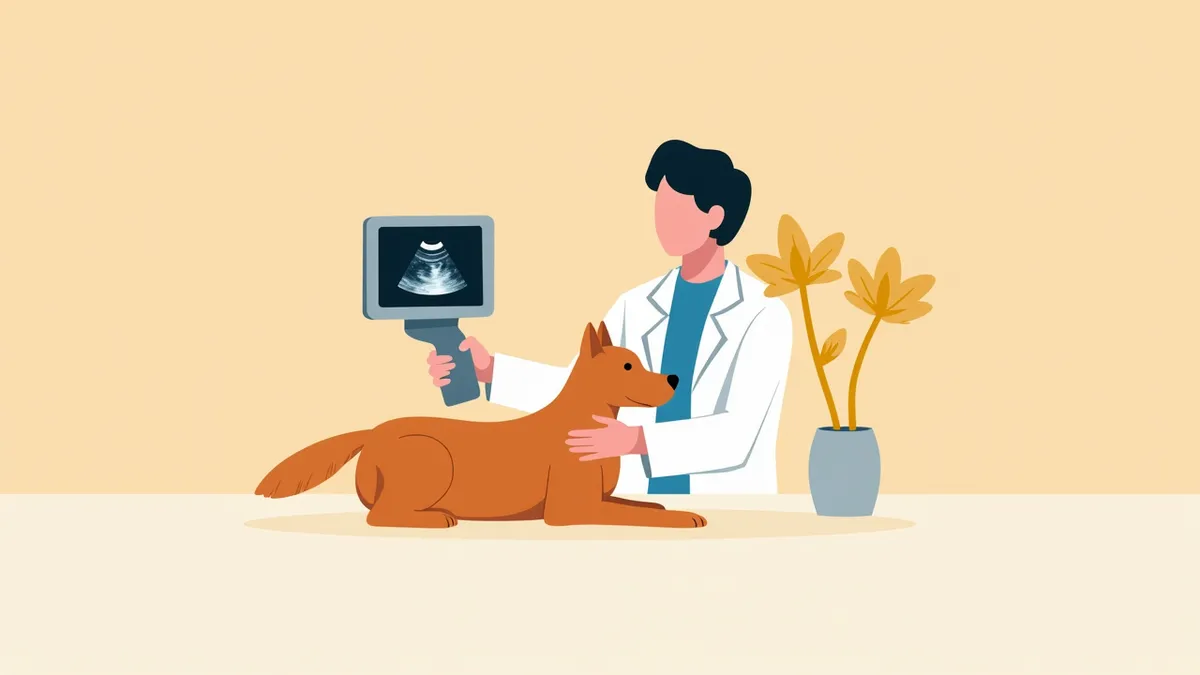
Ultrasound examination for assessing lymph node metastasis in dogs
Evaluating lymph node metastasis is essential to determine whether cancer has spread through the lymphatic system. The condition of the lymph nodes is one of the most critical indicators influencing prognosis and treatment options for nearly all malignant solid tumors, so accurately identifying metastasis helps guide treatment decisions. - High-accuracy assessment: Enlarged lymph nodes should first be evaluated with a fine-needle aspiration (FNA) to examine the cells. If the result is negative or inconclusive, or if the lymph node is firm, a biopsy should be performed to confirm the tissue diagnosis. Biopsies generally offer higher diagnostic accuracy for metastasis than cytology alone. - Safety considerations: Metastasis cannot be confirmed by palpable size alone, so it’s important to start with physical examination and non-invasive assessments to minimize stress and risk. - Cost-effectiveness: Accurate testing early on can help reduce subsequent treatment costs. - Accessibility: Work with your veterinarian to ensure basic evaluations can be performed at local clinics. Going through this process enables customized treatment tailored to your dog’s specific condition.

Selection Criteria: Tips for Choosing a Clinic for Lymph Node Metastasis Assessment

When selecting a lymph node metastasis assessment for your dog, you should consider four key criteria: accuracy, safety, cost, and accessibility. For an accurate diagnosis, imaging techniques and biopsy should be used in conjunction, and it is best to make the final decision after consulting with your veterinarian.
Accuracy: Methods with high diagnostic precision, such as imaging and biopsy, should be prioritized.
Safety: Tests that minimize the need for anesthesia and reduce pain are preferred.
Cost: Consider whether the procedure is covered by insurance, as well as potential long-term management costs.
Accessibility: Confirm that the clinic’s location and the testing schedule are convenient for you.
By comprehensively evaluating these four criteria, you can choose the assessment method that is best suited for your pet.

Check 1: Whether Lymph Nodes Are Evaluated via Fine-Needle Aspiration and Biopsy
Evaluating lymph node metastasis is a crucial step in determining the cancer stage and planning treatment, as it checks whether the tumor has spread to nearby lymph nodes. Enlarged or suspicious lymph nodes are examined through fine-needle aspiration (FNA) or biopsy to analyze cells and tissues for signs of metastasis. Since palpable size alone cannot confirm metastasis, diagnostic testing is essential. Make sure your veterinary clinic has a reliable system for performing these tests and sending samples to a trusted pathology lab.
High-resolution ultrasound equipment and color Doppler imaging for assessing lymph node metastasis in dogs

Check 2: Whether Imaging and Systemic Staging Tests Are Integrated

Rather than examining just a single lymph node, it’s more accurate to assess how widely the cancer has spread throughout the body by performing chest and abdominal imaging or evaluating other areas, depending on the tumor type. Staging the disease according to international standards, such as the WHO classification, helps guide treatment decisions and estimate prognosis. Therefore, it’s best to choose a clinic that integrates lymph node assessment into a comprehensive staging workup and clearly explains the purpose of each test.
Ultrasound-guided biopsy scene for evaluating lymph node metastasis in dogs

Check 3: Whether Results Are Linked to Treatment Planning and Oncology Care

Lymph node metastasis results directly influence treatment decisions, such as the extent of surgery and the need for chemotherapy or radiation therapy. It’s best to choose a clinic where a veterinarian can clearly explain what the results mean, outline the next steps, and refer you to a veterinary oncologist for specialized care. Don’t be swayed by advertisements claiming unproven supplements can prevent metastasis; it’s crucial to receive treatment based on accurate diagnosis. You can feel more at ease if the clinic also provides regular follow-up monitoring for recurrence or metastasis after treatment.
A multidisciplinary team meeting to evaluate lymph node metastasis in dogs

Checklist for Selecting a Clinic for Lymph Node Metastasis Evaluation

ItemRecommended Criteria
Testing MethodA facility that confirms lymph node metastasis via FNA/biopsy and refers to pathology
Staging AssessmentA facility that evaluates overall staging, such as WHO staging, through imaging and systemic testing
Interpretation CapabilityA veterinarian who accurately interprets metastasis status and staging
Result InterpretationConnects results to a treatment plan such as surgery, chemotherapy, or radiation, with oncology care referral
Cost GuidanceA facility that informs you in advance of estimated costs and the possibility of additional testing before the exam

This is not a table recommending specific products or hospitals, but a reference for consulting with your veterinarian. Treatment and testing decisions must always be made together with your veterinarian through an examination.

Caution: Consult Your Veterinarian Before Biopsy

Lymph node biopsies may involve anesthesia and discomfort, so the decision should only be made after a thorough assessment of your dog’s overall health. In particular, if your dog has compromised heart, liver, or kidney function, the risks associated with anesthesia can increase significantly. Your veterinarian should evaluate your dog’s general health status and clearly explain both the necessity and potential risks of the biopsy. Never proceed with the procedure based on your own judgment alone.

Usage Tips: Carefully Manage Pre- and Post-Procedure Care

Proper care before and after lymph node metastasis evaluation is crucial for your dog. Before the procedure, strictly adhere to the fasting period prescribed by your veterinarian, especially if anesthesia is required. Afterward, limit your dog’s activity and closely monitor the site for any swelling or signs of pain. Once you receive the results, discuss a treatment plan with your vet to determine if further testing or therapy is needed. Regular follow-up exams may also be necessary, so be sure to keep track of your appointment schedule.

Reviewed by a veterinarian

Dr. Tony — Punnawat Phongkittirak

Dr. Tony — Punnawat Phongkittirak

Veterinarian

A veterinarian who majored in veterinary medicine at Khon Kaen University, Thailand, and completed the IVSA program at North Carolina State University in the United States. Drawing on clinical experience at animal hospitals, he works in the pet healthcare field and is dedicated to building a digital care environment that connects pet parents with veterinarians.

Frequently Asked Questions

Why is evaluating lymph node metastasis important?
Evaluating lymph node metastasis is essential for determining the stage of cancer. The condition of the lymph nodes is a key indicator that influences prognosis and treatment options, as the presence or absence of metastasis affects both the treatment approach and expected outcomes, making accurate assessment crucial.
Is needle aspiration or biopsy very painful?
Fine-needle aspiration (FNA) is typically performed with a thin needle without anesthesia, minimizing stress for your pet. However, if the FNA results are negative or if the lymph node is firm, a biopsy is conducted under general anesthesia. Local anesthesia is rarely used for biopsies because it can damage the lymph node structure. After the procedure, there may be temporary swelling or discomfort, but your veterinarian will manage these symptoms.
Is PET-CT available at all veterinary hospitals?
No, PET-CT equipment is only available at certain specialized veterinary hospitals or university-affiliated clinics. It's a good idea to check in advance whether your local clinic has this equipment.
When will the biopsy results be available?
Results are typically available within 3 to 7 days. If the pathological analysis is complex, it may take longer, so please consult with your veterinarian.
If metastasis is suspected, should treatment be started immediately?
It is important to accurately determine whether the condition has metastasized and then develop a treatment plan together with your veterinarian. Accurate diagnosis takes priority over immediate treatment.

Share

Related Guides

References

[1] Plumb's Veterinary Drug Handbook, 9th ed. (2022). Wiley-Blackwell.

[2] Withrow SJ, MacEwen EG. (2020). Small Animal Clinical Oncology, 5th ed. Elsevier.

[3] American College of Veterinary Internal Medicine (ACVIM). (2021). Guidelines for the Evaluation of Lymph Node Metastasis in Canine Cancer Patients.

This information is based on veterinary literature and does not replace diagnosis or treatment. Please consult a veterinarian for specific health concerns.

Metapet Co., Ltd. | CEO: Park Sung-yong | Business Reg. No. 417-88-02562 | Seoul, South Korea | Customer Center

Dog Lymph Node Metastasis: 7 Vet Keys to Evaluation & Care | Meongsiljang