
Like
Share
멍실장
강아지 당뇨병 개 관리 추천 BEST와 고르는 기준 총정리

7 Key Tips for Managing Canine Diabetes from a Veterinarian — From Symptoms to Diet

EndocrineTop PicksMeongsiljang Veterinary Advisory Board

Canine diabetes is an endocrine disorder in which abnormal insulin secretion makes it difficult to regulate blood sugar levels. We’ve compiled recommended products and key criteria for selecting them to help you manage your dog’s condition effectively.

Canine diabetes is an endocrine disorder caused by abnormal insulin secretion

Insulin injection sites for managing diabetes in dogs
Canine diabetes is an endocrine disorder in which blood sugar levels are difficult to regulate due to insufficient insulin secretion or impaired insulin function. Long-term management is essential, and the cornerstone of care lies in the owner’s accurate understanding and consistent daily management. Basic management includes insulin injections, dietary control, and blood glucose monitoring. Early detection and diligent care can significantly improve your dog’s quality of life. Regular veterinary consultations and meticulous blood glucose record-keeping are especially important. - Stabilizing blood glucose: Combining insulin injections with dietary control helps minimize blood sugar fluctuations and prevent long-term complications. - Dietary management: The key is selecting food that is low in sugar, high in protein, and centered on complex carbohydrates. - Regular monitoring: Measuring blood glucose once or twice daily allows for precise adjustment of insulin dosage.

4 Key Criteria for Choosing Canine Diabetes Management Products
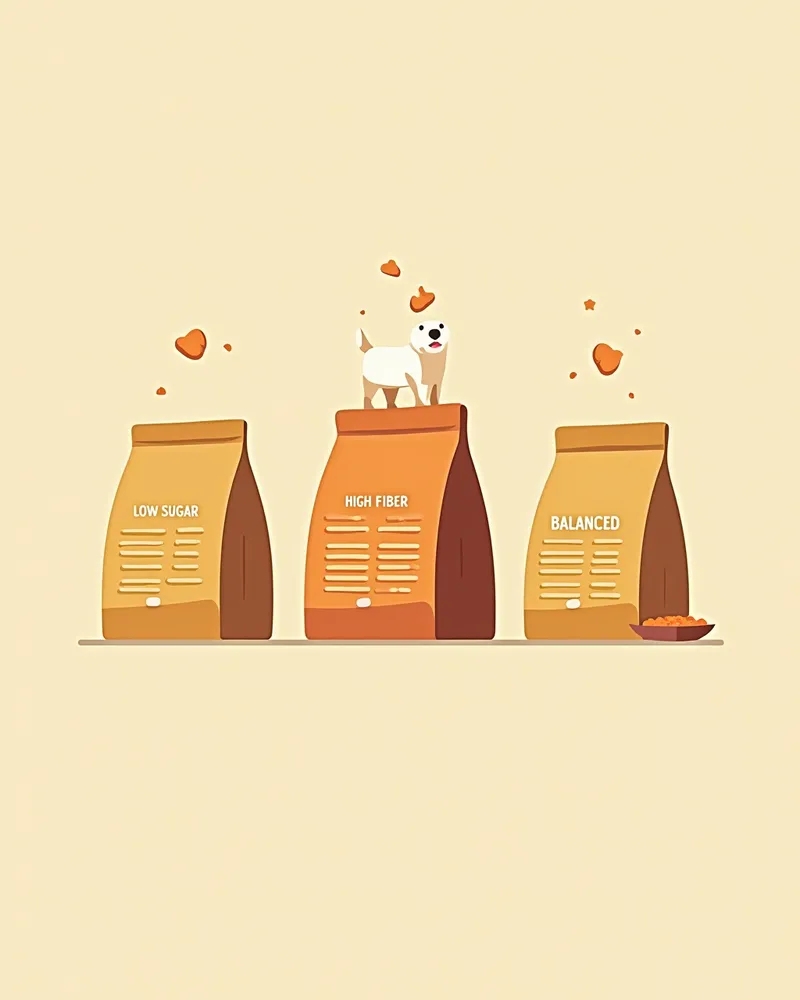
When choosing a diabetes management product for your dog, be sure to consider four key criteria. First, the product should contain ingredients that help stabilize blood sugar levels and have a low sugar content. Second, opt for products rich in dietary fiber or complex carbohydrates. Third, it’s safest to choose products recommended by veterinarians or backed by clinical research. Finally, the product should allow for feeding amounts tailored to your dog’s individual weight and activity level.
Comparison image of dog diabetic diets

BEST 1: Glucosamine + Crowberry Mixed Nutritional Supplement
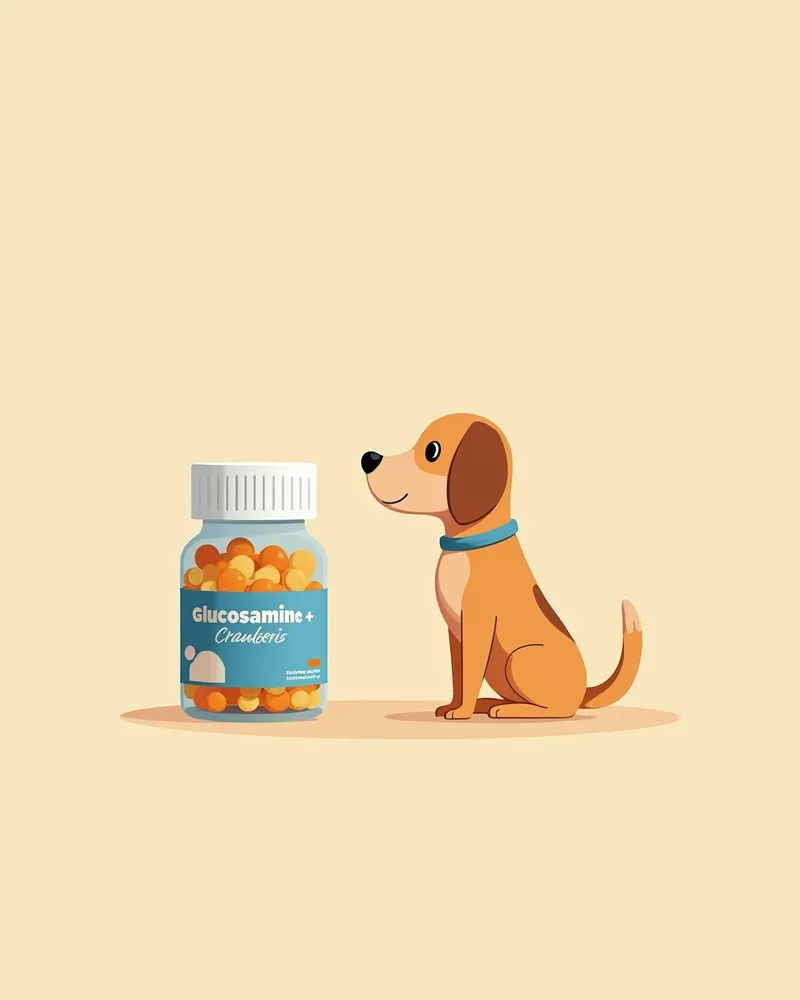
This product is a nutritional supplement combining glucosamine and crowberry extract. However, it’s important to remember that managing blood sugar in dogs with diabetes relies primarily on insulin injections, a diet low in sugar and rich in complex carbohydrates, and consistent blood glucose monitoring—not on supplements alone. Glucosamine is commonly used to support joint health and may be considered as an adjunct under veterinary guidance, especially for senior dogs needing joint care. That said, there is no evidence in veterinary textbooks to support the claim that crowberry extract directly improves blood sugar levels or insulin sensitivity, so its effect on glycemic control cannot be confirmed. Therefore, this supplement should be viewed strictly as a complementary food, not a treatment, and must always be used alongside veterinarian-approved diet and insulin therapy. Monitor blood glucose levels before and after administration, and consult your veterinarian before adding any new products to your dog’s regimen for safety. - Glucosamine: Commonly used to support joint cartilage health. - Crowberry extract: Known for its antioxidant properties, but its effects on blood sugar and insulin improvement are not supported by veterinary textbook evidence. - Low-sugar management: Reducing sugar intake helps prevent post-meal blood sugar spikes. - Adjunctive use: This is a supportive measure that cannot replace insulin injections or dietary management.
Product image of glucosamine + crowberry supplement

BEST 2: Low-Sugar, High-Protein Dog Food (Sugar-Free, Complex Carbohydrate-Based)

This food features an extremely low sugar content and a high ratio of protein to complex carbohydrates. It helps prevent sudden spikes in blood sugar and supports long-term glycemic stability. Additionally, its rich fiber content slows down digestion and absorption. Feed twice daily, adjusted for your pet’s body weight, and it can be used alongside insulin injections. It is one of the foods recommended by veterinarians. - Low-sugar formula: The absence of sugar or simple carbohydrates helps minimize blood glucose fluctuations. - High-protein ratio: Supports muscle maintenance and energy supply, while also aiding in weight management. - Complex carbohydrates: Break down slowly to ensure a gradual rise in blood sugar levels. - Rich in dietary fiber: Promotes gastrointestinal health and helps maintain a feeling of fullness for longer.
Product image of a low-sugar, high-protein pet food

BEST 3: Blood Glucose Monitoring Kit (For Home Use)
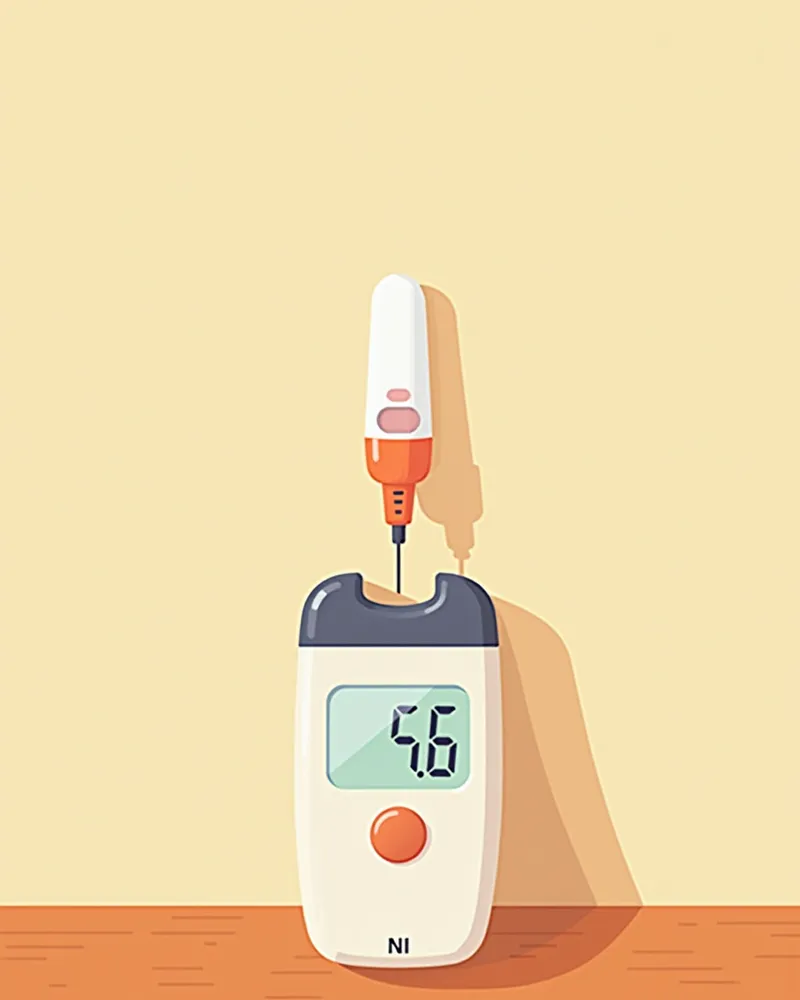
This kit makes it easy to monitor your pet’s blood glucose levels at home. Simply collect a small blood sample and apply it to the test strip, and you’ll get results in just 10 seconds. Recommended by veterinarians, this device is both highly accurate and user-friendly. Checking blood sugar one to two times a day can greatly assist in adjusting the timing and dosage of insulin injections, which is especially crucial during the initial management phase. - Accurate readings: A veterinarian-recommended device with high reliability. - Easy to use: Results in 10 seconds, making daily monitoring hassle-free. - Repeatable testing: Regular checks one to two times a day help identify blood glucose patterns. - Insulin dose adjustment: Use the results to fine-tune injection amounts.
Product image of the puppy blood glucose monitoring kit

Comparison Table of BEST 1–3 Products

ItemBEST 1 (Supplement)BEST 2 (Food)BEST 3 (Monitoring Kit)
Main ingredientsGlucosamine, crowberry extractLow-sugar high-protein, complex carbohydratesBlood glucose meter, test strips
Main effectsJoint-health support (textbook evidence for blood-sugar improvement is insufficient)Prevents blood sugar spikes, long-term stabilityReal-time blood sugar checks, aids insulin adjustment
Frequency of useOnce a dayTwice a day1–2 times a day
Additional tipsUse only as a supplementary food; veterinary consultation recommendedFeed together with foodWash hands thoroughly before measuring

All products should be used under veterinary guidance. Supplements cannot replace insulin or dietary therapy, and responses may vary between individual animals.

Caution: Excessive Sugar Intake Is Dangerous

When managing your dog’s diabetes, never give them foods or treats containing sugar or artificial sweeteners. These can cause a rapid spike in blood glucose, worsening insulin deficiency. In severe cases, this can lead to shock or diabetic ketoacidosis. Always carefully check ingredient labels and consult your veterinarian before offering any food or treat.

5 Tips for Managing Canine Diabetes

Consistency is the key to managing diabetes in dogs. First, administer insulin injections at the same time every day. Second, maintain a consistent schedule and portion size for meals. Third, monitor blood glucose levels regularly. Fourth, keep exercise levels consistent. Fifth, consult with your veterinarian on a regular basis. Adhering to these five habits can help stabilize blood sugar and improve your dog’s quality of life. - Regular injections: Sticking to a set time ensures consistent insulin efficacy, making blood sugar control easier. - Consistent meal schedule: Regular meal times allow you to align feeding with insulin administration. - Blood glucose records: Documenting test results enables you and your veterinarian to develop an effective management plan. - Exercise moderation: Excessive exercise can lower blood sugar, so caution is necessary.
Image of a schedule for managing diabetes in dogs

Reviewed by a veterinarian

Dr. Tony — Punnawat Phongkittirak

Dr. Tony — Punnawat Phongkittirak

Veterinarian

A veterinarian who majored in veterinary medicine at Khon Kaen University, Thailand, and completed the IVSA program at North Carolina State University in the United States. Drawing on clinical experience at animal hospitals, he works in the pet healthcare field and is dedicated to building a digital care environment that connects pet parents with veterinarians.

Frequently Asked Questions

Can a dog’s diabetes be cured?
While a complete cure remains elusive, proper management can help your pet lead a normal life. Insulin injections and dietary control are key.
Can I give treats to a dog with diabetes?
Regular treats are not suitable. You should use low-sugar treats or special diets recommended by your veterinarian. It's essential to check the ingredients carefully.
How often should blood glucose levels be monitored?
Start with 2–3 injections per day, then adjust the dosage as directed by your veterinarian. It’s important to monitor your pet’s condition both before and after each injection, as well as before and after meals.
How long can a dog with diabetes live?
With proper insulin therapy and dietary and blood glucose management, pets can maintain a good quality of life. However, inadequate care can lead to serious complications such as diabetic ketoacidosis (DKA), which is a life-threatening emergency with a high mortality rate. The specific prognosis varies depending on the individual pet and any concurrent diseases, so it is important to consult with a veterinarian to develop an appropriate management plan.
Does insulin injection hurt?
Insulin is typically administered via subcutaneous injection using a fine needle, and your dog’s resistance will likely decrease as they become accustomed to the process. Your veterinarian will guide you on proper injection techniques and storage methods, such as refrigeration.

Share

Related Guides

References

[1] The Dog Care Handbook, Things I Wish My Vet Had Told Me, 2023

[2] Notes on Canine Internal Medicine, 4th Ed, 2021

[3] Clinical Medicine of the Dog and Cat, 4th Ed, 2020

This information is based on veterinary literature and does not replace diagnosis or treatment. Please consult a veterinarian for specific health concerns.

Metapet Co., Ltd. | CEO: Park Sung-yong | Business Reg. No. 417-88-02562 | Seoul, South Korea | Customer Center

7 Vet Tips for Managing Canine Diabetes: Symptoms to Diet | Meongsiljang