Like
Share
멍실장
강아지 사시 증상이 나타난 모습의 실사 사진

7 Key Checkpoints for Managing Canine Strabismus, as Recommended by Veterinarians

Eye HealthTop PicksMeongsiljang Veterinary Advisory Board

For dog owners, this is an ophthalmic condition that can affect your pet’s vision and requires proper care and treatment. Here are the top three most effective products and management strategies.

Strabismus in Dogs Is an Ophthalmic Condition That Can Affect Visual Function

A frontal photograph of a puppy exhibiting symptoms of strabismus
Strabismus in dogs occurs when the eye deviates in one direction—such as inward or outward—due to an imbalance in the nerves and muscles that control eye movement (displacement of the eyeball within the orbit). Causes vary widely, ranging from congenital or breed-related factors to issues with the extraocular muscles or nerves, orbital lesions, and vestibular or intracranial neurological diseases. Congenital, stable strabismus may persist throughout life without significantly affecting vision. However, if a previously normal eye suddenly turns, identifying the underlying disease is crucial. Rather than directly impairing vision, strabismus itself often accompanies neurological signs such as head tilting or balance disorders, depending on the underlying cause, making early detection and veterinary care essential. - Prioritize cause evaluation: If strabismus is new or changing, diagnostic testing alongside routine check-ups is necessary to identify the underlying cause. - Create a safe environment: Organize indoor spaces to prevent falls or collisions in dogs experiencing balance issues or visual changes.

Good to Know: Strabismus Management

Strabismus in dogs isn’t a condition that can simply be “corrected” with over-the-counter products. The key is to first identify the underlying cause and then manage or treat it accordingly. Therefore, veterinary care takes priority over any product. Please refer to the guidelines below only if your veterinarian has recommended eye drops or supplementary nutrition specifically to address an underlying medical condition. - Safety: Ensure you are using ingredients approved by your veterinarian and choose formulations that minimize eye irritation. - Ease of Use: Opt for products with a gentle taste or formulation that your dog will accept, and that are easy to administer. - Veterinary Prescription First: Prioritize prescribed treatments and management plans tailored to the diagnosed cause over products advertised as “cures for strabismus.” Never determine dosage or usage methods on your own. - Ongoing Monitoring: Long-term safety is better ensured through regular check-ups to monitor changes in eye and neurological health, rather than relying on products that promise short-term results.
Comparison image of three nutritional supplements for managing strabismus in dogs

Good to Know 1: What Is Strabismus?

Strabismus is a condition where the eyes do not look in the same direction, with one or both eyes deviating inward, outward, or in other directions. In some breeds, it can be congenital and persist throughout life without significantly affecting vision. However, if an eye that was previously normal suddenly turns to one side, it could indicate issues with the nerves or muscles controlling eye movement, lesions in the orbit (the space behind the eye), or neurological disorders, so caution is warranted. It is important to determine whether the strabismus is congenital or newly developed.
Eye Calm Protector liquid product image

Good to Know 2: Cause Assessment Is Key
Congenital and stable strabismus is typically monitored without specific treatment. However, if strabismus appears suddenly or is accompanied by other symptoms such as head tilting, balance issues, proptosis (bulging eyes), or pain, diagnostic tests are necessary to identify the underlying cause. Alongside a neurological examination, imaging studies may be performed to assess the condition of the orbit, nervous system, and brain. It is important to identify any underlying causes rather than focusing solely on the strabismus itself, so any changes should be evaluated through a veterinary visit. Treatment and prognosis vary depending on the underlying cause.
Product image of Sashe Care Capsules

Good to Know 3: Management and When to Seek Veterinary Care

Congenital strabismus rarely interferes with daily life if vision is unaffected, so routine eye health monitoring is generally preferred over aggressive correction. In contrast, when strabismus develops suddenly or is accompanied by other symptoms, treating the underlying cause is essential. If you notice sudden changes in eye position, head tilting, or balance issues, these may indicate neurological problems, so seek veterinary care promptly. It is important to avoid unproven remedies and instead pursue diagnosis and treatment tailored to the specific cause.
Product image of the natural-ingredient eye health package

Points to Know About Strabismus

ItemKey Points
ConditionThe two eyes cannot look in the same direction; may be congenital (stable)
CautionEvaluate the cause if strabismus appears suddenly or is accompanied by head tilt or balance disorder
DiagnosisNeurological exam + imaging if needed to evaluate the orbit, nerves, and brain
TreatmentCongenital stable type is observed; newly developed cases require treatment of the underlying disease
When to See a VetSeek care promptly with sudden changes or accompanying neurological symptoms

This is not a table recommending specific products or clinics, but a set of criteria to reference when consulting your veterinarian. Decisions about treatment and testing must always be made together with your veterinarian through an examination.

Excessive Use Can Cause Side Effects

Using eye drops or supplements excessively without a veterinarian’s guidance can cause eye irritation or digestive upset. The frequency and dosage vary depending on the specific medication and condition, so there is no universal rule for how many times to administer them. Always follow the dosage instructions provided by your veterinarian and do not increase the amount on your own. Consult your vet before use, and if any adverse reactions occur, stop using the product immediately and seek veterinary care.

Usage Tips: Apply at Consistent Times in a Quiet Environment

It’s best to apply eye drops at consistent times in the morning and evening. Approach your dog slowly in a quiet room to help them stay relaxed. Offering supplements alongside treats can reduce resistance. Safety equipment is more effective when installed after observing your dog’s habits. Consistent care is the most important factor. - Maintain a consistent routine: Using products at the same time each day helps your dog become accustomed to them, reducing refusal. - Prepare a quiet environment: Approaching in a low-noise space helps minimize stress. - Administer with treats: The improved taste encourages your dog to take them naturally. - Establish a regular care habit: Apply consistently, once or twice daily, to build up benefits over time. - Monitor after use: If any side effects appear, stop use immediately and consult your veterinarian.
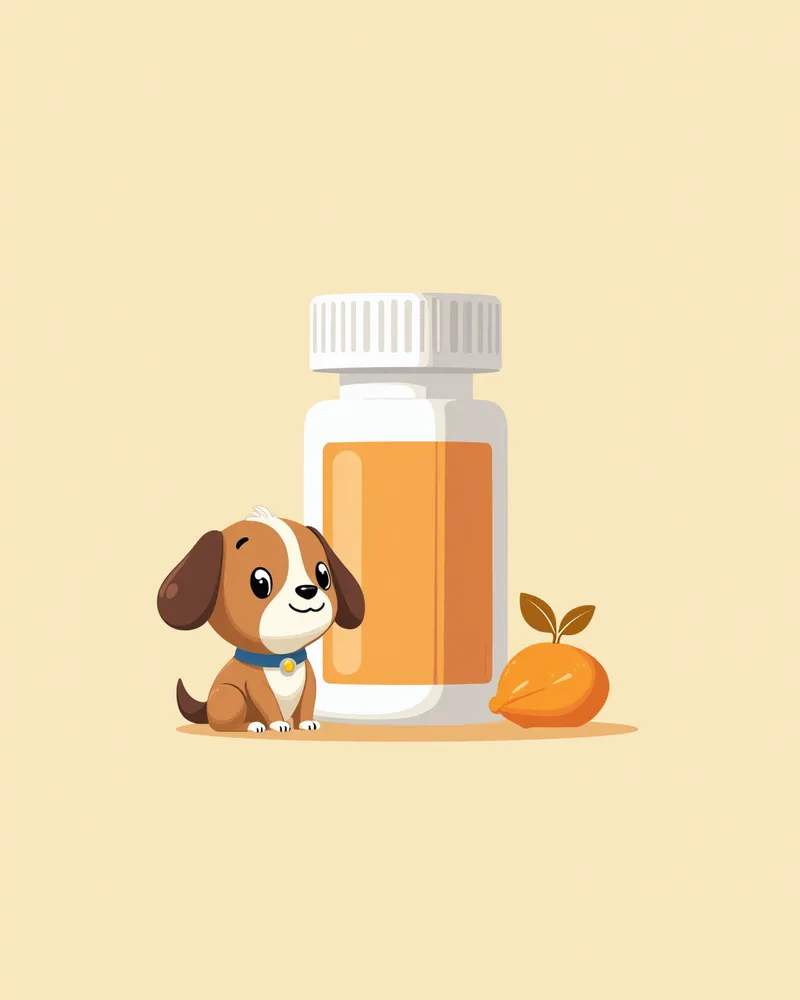
A scene of administering eye health supplements to a puppy.

Reviewed by a veterinarian

Dr. Tony — Punnawat Phongkittirak

Dr. Tony — Punnawat Phongkittirak

Veterinarian

A veterinarian who majored in veterinary medicine at Khon Kaen University, Thailand, and completed the IVSA program at North Carolina State University in the United States. Drawing on clinical experience at animal hospitals, he works in the pet healthcare field and is dedicated to building a digital care environment that connects pet parents with veterinarians.

Frequently Asked Questions

Can dogs with this condition be treated?
The approach depends on the underlying cause. Congenital, stable strabismus typically requires no specific treatment, just regular monitoring. In contrast, sudden-onset strabismus demands identifying and treating the root cause—such as vestibular or neurological issues, orbital lesions, or extraocular muscle inflammation. Because treatment options and prognosis vary significantly depending on the cause, a veterinary examination is essential.
Does strabismus cause vision loss?
Strabismus itself does not directly impair vision. However, if there is an underlying neurological or vestibular disorder, other symptoms such as balance problems may occur. If you notice any changes, please consult your veterinarian for an evaluation.
Is it okay to use eye drops three times a day?
The number of times you should administer eye drops varies depending on the product and the diagnosed condition. There is no fixed standard; the safest approach is to strictly follow the dosage and administration instructions prescribed by your veterinarian. Do not arbitrarily increase or decrease the frequency.
How long should I continue giving my pet nutritional supplements?
There isn’t a set timeframe; it depends on your veterinarian’s assessment. It’s best to decide whether to continue based on regular check-ups that evaluate your pet’s eye and overall health.
Can dogs refuse to wear safety gear?
At first, your pet may feel uncomfortable, but they will gradually get used to it and start using it comfortably. Take your time to help them adjust.

Share

Related Guides

References

[1] BSAVA Manual of Canine and Feline Dermatology, 4th Ed, 2023

[2] Plumb's Veterinary Drug Handbook, 9th Ed, 2022

[3] American College of Veterinary Ophthalmologists (ACVO) Guidelines on Canine Strabismus, 2021

This information is based on veterinary literature and does not replace diagnosis or treatment. Please consult a veterinarian for specific health concerns.

Metapet Co., Ltd. | CEO: Park Sung-yong | Business Reg. No. 417-88-02562 | Seoul, South Korea | Customer Center

Canine Strabismus: 7 Vet-Recommended Care Checkpoints | Meongsiljang