Like
Share
멍실장
강아지 망막 박리 관리 추천 BEST와 고르는 기준 총정리

7 Key Tips for Managing Canine Retinal Detachment and Selection Criteria Recommended by Veterinarians

Eye HealthTop PicksMeongsiljang Veterinary Advisory Board

Canine retinal detachment is a serious eye condition that can lead to vision loss. It’s important to choose the right management products and treatments.

Canine Retinal Detachment Is a Serious Eye Condition That Can Lead to Vision Loss

A scene of a puppy receiving an eye examination with a veterinarian.
Canine retinal detachment occurs when the neurosensory retina separates from the underlying retinal pigment epithelium (RPE). Without early detection and treatment, it can lead to vision loss or blindness. Various causes may be involved, including immune-mediated factors, trauma, inflammation, systemic hypertension, and genetic predispositions, with certain breeds such as German Shepherds, Australian Shepherds, and Labrador Retrievers being reported cases. - Antioxidants: Antioxidants like vitamin E are known to protect cell membranes from free radicals and may be considered as part of supportive nutritional management. - Omega-3 fatty acids: n-3 fatty acids, particularly DHA, are essential for the development and function of the retina and brain. - Veterinary diagnosis is essential: Retinal detachment itself is difficult to resolve with supplements alone. Surgical interventions such as laser retinopexy or vitrectomy may be necessary, alongside diagnostic tools like funduscopy and ultrasound. Nutritional supplementation does not replace veterinary treatment, so always consult a professional for diagnosis and guidance. Regular ophthalmic exams and proper care are crucial for preserving vision.

Key Criteria for Choosing Products to Manage Canine Retinal Detachment
When choosing a product to support your dog’s retinal detachment management, prioritize ingredients with scientific backing and proven safety, as well as veterinary recommendations. However, since retinal detachment itself cannot be treated with supplements, these products should only be considered as supportive aids. - Antioxidant ingredients: Vitamin E is known as a natural antioxidant that protects cell membranes from free radicals. It is helpful to choose a product that includes vitamin E when feeding high levels of polyunsaturated fatty acids. - Omega-3 fatty acid ratio: Products containing DHA, which is essential for retinal and brain function, are considered for supporting eye health. - Product stability: It is important to select products with minimal synthetic additives and clearly identified ingredient sources. - Veterinary consultation is essential: The most suitable product varies depending on each dog’s individual health status, so always consult with a professional before making a decision. If any unusual symptoms occur during use, discontinue immediately and visit a veterinary clinic.
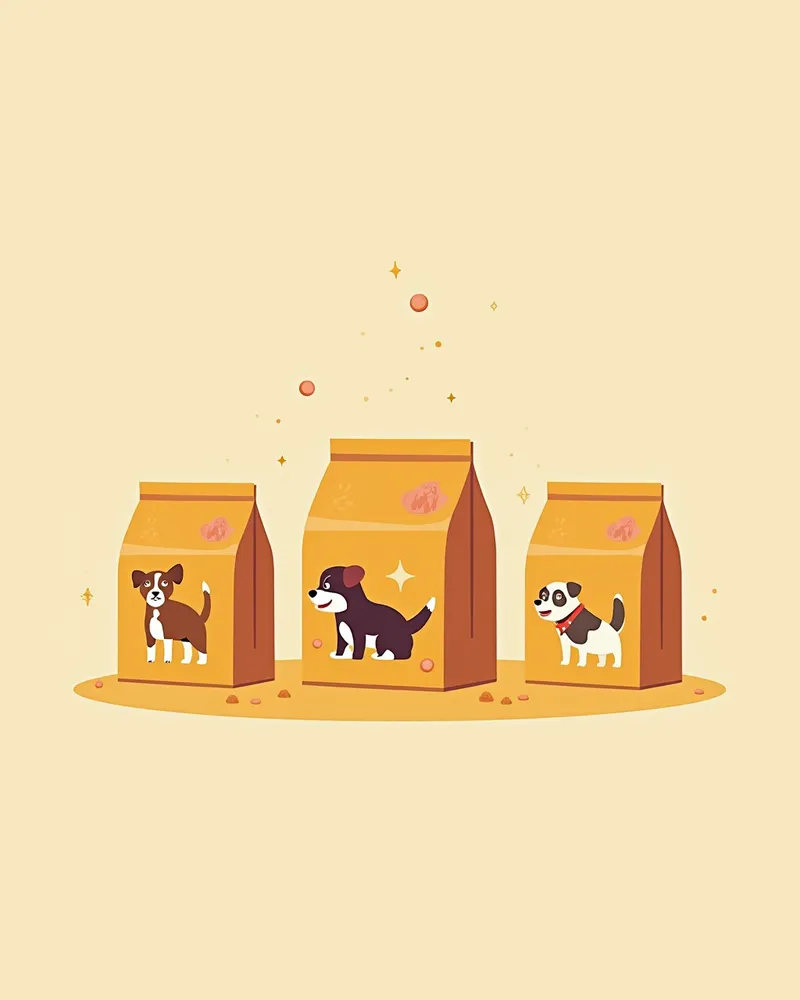
A comparison of three dog food formulas that highlight ingredients for retinal health

BEST 1: RetinaCare Premium Supplement
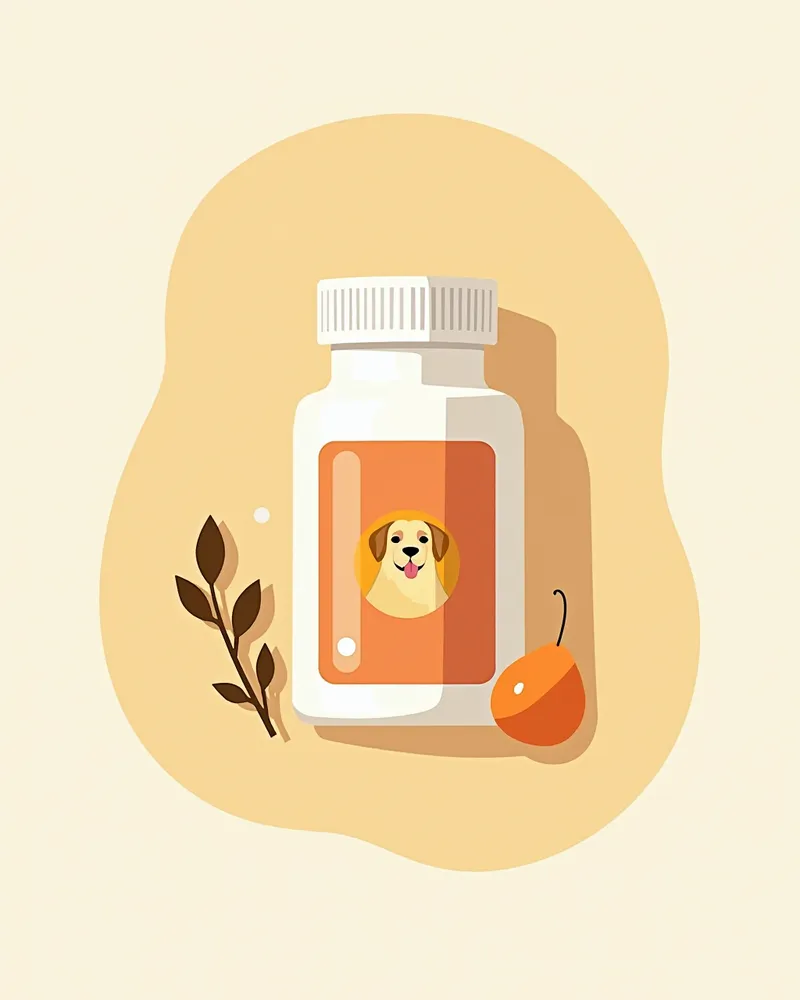
RetinaCare Premium is a retinal support supplement containing lutein, zeaxanthin, and omega-3 fatty acids. - Key Ingredients: Omega-3s, particularly DHA, are known to be essential nutrients for retinal and brain function, making them useful for supporting eye health. - Absorption: Although in tablet form, it is relatively easy to administer, making it suitable for daily nutritional supplementation. - Veterinarian Recommendation: For safety, always consult your veterinarian before choosing a product. - Administration: Simply give one tablet daily with meals. - Long-term Safety: Even supplements can cause side effects if overdosed, so always follow the recommended dosage. Please note that retinal detachment itself cannot be treated with supplements and may require surgical intervention.
Product photo of RetinaCare Premium supplement bottle

BEST 2: Vision-Support Premium Food (Omega-3 Enhanced)
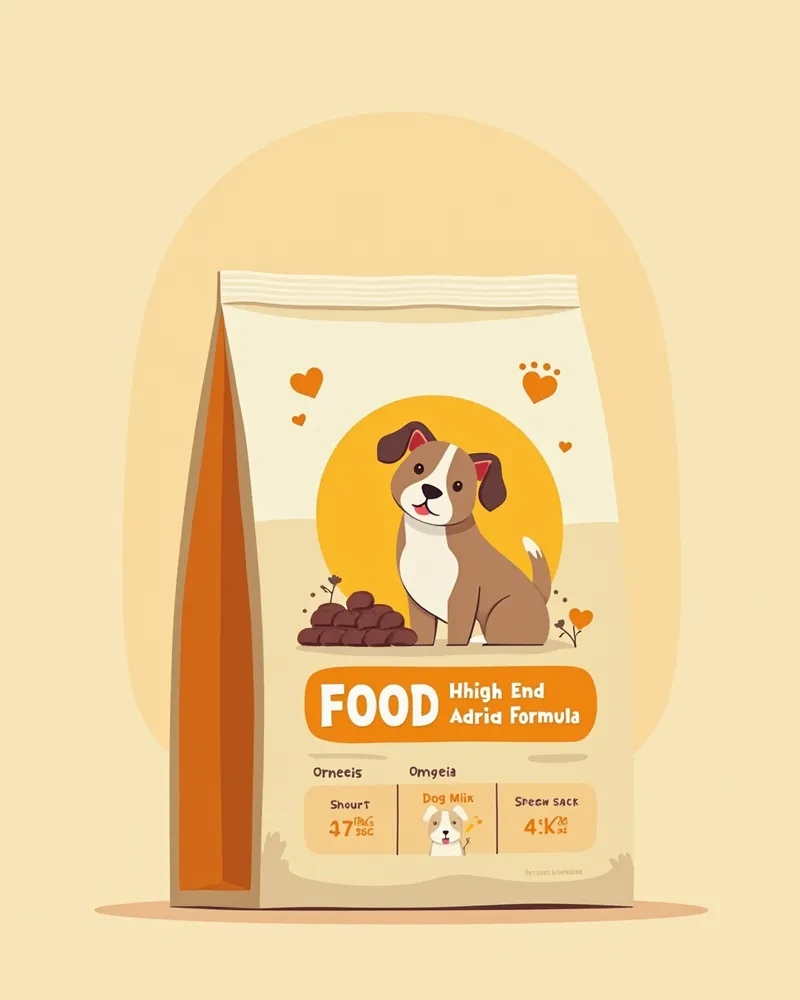
Vision-support premium food is rich in omega-3 fatty acids and vitamin E, which may help support eye health. - Key ingredients: n-3 fatty acids such as DHA and EPA are involved in cell membrane structure and help reduce inflammatory responses by replacing omega-6 metabolites in the cell membrane. - Dietary integrated management: Daily nutritional supplementation can be achieved with a single food, making feeding management convenient. - Long-term feeding stability: Manufactured with natural ingredients, it is relatively easy on the body even with long-term feeding. - Vitamin E: Vitamin E is an antioxidant that protects cell membranes from free radicals and is beneficial when fed together with polyunsaturated fatty acids. - Food selection tip: Retinal detachment cannot be treated with food alone, so choose this product in conjunction with a veterinarian’s diagnosis.
Photo of the packaging for omega-3-enriched eye-support dog food

BEST 3: Liquid Supplements for Retinal Protection

Liquid supplements for retinal protection are easy to administer and convenient to give. - Ease of Administration: The liquid form makes it easy to give to dogs that have difficulty swallowing pills. - Key Ingredients: Products containing antioxidants and omega-3 fatty acids can be used to support eye health. However, they do not treat retinal detachment itself. - User-Friendly: These supplements are easy to administer even to dogs with poor appetites or those who struggle with taking medication. - Adjustable Dosage: Small amounts can be given, making it easy to adjust the dosage according to the dog's weight and condition. Always follow the recommended dosage to avoid overfeeding. - Storage Stability: Store the product according to the instructions on the label.
Product photo of a liquid supplement for retinal protection

Comparison Table of BEST 1–3 Products

ItemProduct NameMain IngredientsFormulationRecommended Timing
BEST 1RetinaCare Premium SupplementLutein, zeaxanthin, omega-3CapsuleSupplemental feeding
BEST 2Vision Protect Premium FoodOmega-3, vitamin EFoodDaily feeding
BEST 3Retina Protect Liquid SupplementLutein, zeaxanthin, vitamin CLiquidSupplemental feeding

Nutritional supplements cannot treat retinal detachment and are a supportive measure. Retinal detachment may require surgical treatment. Ingredient content and administration method may differ depending on the product specifications, so choose after consulting a veterinarian.

Caution: Risk of Side Effects with Overdosing

Overdosing on retinal-protective supplements can cause mild gastrointestinal symptoms such as vomiting and diarrhea, while excessive vitamin E intake may lead to bleeding tendencies. Always administer the dosage recommended by your veterinarian. If you notice any abnormalities such as gum bleeding or lethargy, stop giving the supplement immediately and consult your veterinarian.

Tips for Managing Canine Retinal Detachment

Regular ophthalmic examinations are essential for managing retinal detachment in dogs. - Examination schedule: Have your dog’s eyes checked regularly at a specialized veterinary clinic. If retinal detachment or retinal hemorrhage is observed, systemic hypertension must be evaluated first. - Environmental adjustments: Maintain a safe environment, such as arranging furniture carefully, to prepare for sudden changes in vision. - Stress management: Keep the environment stable and monitor your dog’s overall condition. - Dietary management: A balanced diet rich in nutrients like omega-3 fatty acids is recommended. - Exercise and rest: Maintain overall health through regular walks and adequate rest. - Warning signs: Seek immediate veterinary care if you notice sudden vision loss, dilated pupils with sluggish reactions, eye rubbing, or disorientation in dim light.
A puppy resting comfortably in a quiet environment

Reviewed by a veterinarian

Dr. Tony — Punnawat Phongkittirak

Dr. Tony — Punnawat Phongkittirak

Veterinarian

A veterinarian who majored in veterinary medicine at Khon Kaen University, Thailand, and completed the IVSA program at North Carolina State University in the United States. Drawing on clinical experience at animal hospitals, he works in the pet healthcare field and is dedicated to building a digital care environment that connects pet parents with veterinarians.

Frequently Asked Questions

Is retinal detachment curable?
Retinal detachment cannot be reversed with nutritional supplements alone. However, if the detachment is relatively recent (within 1–3 weeks) and complications are minimal, surgical procedures such as laser retinopexy or vitrectomy may be used to reattach the retina. That said, complete restoration of vision is not always possible, making early diagnosis and treatment crucial.
What are the early symptoms of retinal detachment in dogs?
Sudden vision impairment, dilated pupils that do not react well to light, and eye rubbing can be warning signs. If you notice these symptoms, consult your veterinarian immediately.
When should I start giving my pet nutritional supplements?
It is safest to start giving the supplement only after your veterinarian has diagnosed your pet and recommended the appropriate timing. However, since supplements do not treat retinal detachment itself, they should be used only as a supportive measure. Always consult your veterinarian for proper diagnosis and treatment.
Can retinal protection be achieved with just dog food?
Retinal detachment cannot be treated with food or supplements alone. Since surgical intervention may be required after diagnosis, be sure to consult your veterinarian to determine the best course of action.
What lifestyle habits can help prevent retinal detachment?
Regular eye exams, managing underlying conditions such as systemic hypertension, and maintaining a stable environment can be helpful. If you notice any abnormal symptoms, seeking veterinary care promptly is the most important step.

Share

Related Guides

References

[1] Esson DW, Calvarese S. Clinical Atlas of Canine and Feline Ophthalmic Disease, 2nd Ed. Wiley, 2022.

[2] Gelatt KN. Veterinary Ophthalmology. Blackwell Publishing, 2007.

[3] Plumb DC. Plumb's Veterinary Drug Handbook. 9th ed. Wiley, 2021.

This information is based on veterinary literature and does not replace diagnosis or treatment. Please consult a veterinarian for specific health concerns.

Metapet Co., Ltd. | CEO: Park Sung-yong | Business Reg. No. 417-88-02562 | Seoul, South Korea | Customer Center

Canine Retinal Detachment: 7 Vet Care & Selection Tips | Meongsiljang