Like
Share
멍실장
강아지 눈에 약간의 각막 부종이 있는 실물감 있는 의학적 일러스트

Top Recommendations and Selection Criteria for Managing Canine Corneal Edema

Eye HealthTop PicksMeongsiljang Veterinary Advisory Board

Corneal edema in dogs is an eye condition that can cause vision loss and pain. It’s important to choose the right care products and treatments.

Canine Corneal Edema: A State of Disrupted Ocular Fluid Balance

Your dog has developed corneal edema.
Corneal edema in dogs occurs when excess fluid accumulates in the cornea, which should normally be clear, causing it to appear bluish, cloudy, and thickened. In the early stages, vision impairment and pain may not be obvious, but as the condition progresses, vesicular or ulcerative changes can develop, often accompanied by pain. Corneal edema is rarely an independent disease; rather, it is frequently a secondary manifestation of other ocular conditions such as trauma, inflammation, corneal ulcers, uveitis, glaucoma (elevated intraocular pressure), or corneal endothelial dysfunction. Therefore, a veterinary examination is essential for an accurate diagnosis, as treatment and prognosis vary significantly depending on the underlying cause. - Veterinary Diagnosis and Prescription: Identifying the underlying cause is the priority, and medications are prescribed by a veterinarian following diagnosis. - Corneal Protection: Supportive care, such as using lubricants (e.g., artificial tears), can help protect the corneal surface. - Caution with Self-Medication: Avoid using medications like steroids without veterinary guidance, as they can worsen ulcers.

Key Points: Managing Corneal Edema

The key to managing canine corneal edema is identifying and treating the underlying cause, rather than relying on over-the-counter products for general care. Therefore, it is essential to base your approach on a veterinarian’s diagnosis and prescription. - Prioritize an accurate diagnosis: First, identify the root cause through procedures such as intraocular pressure measurement, fluorescein staining, and internal eye examinations to rule out conditions like glaucoma, corneal ulcers, uveitis, or endothelial dysfunction. - Targeted treatment: Standard veterinary care involves using lubricants (artificial tears) to protect the corneal surface, alongside medications selected by your vet based on the specific cause, such as topical steroids, cyclosporine, or tacrolimus. These medications must never be used without veterinary guidance. - Potential for long-term management: In cases like endothelial dysfunction, long-term medication may be necessary to slow disease progression. - Caution with self-prescribed ingredients: Instead of using unproven ingredients based on your own judgment, consult your veterinarian to verify their safety and necessity first.
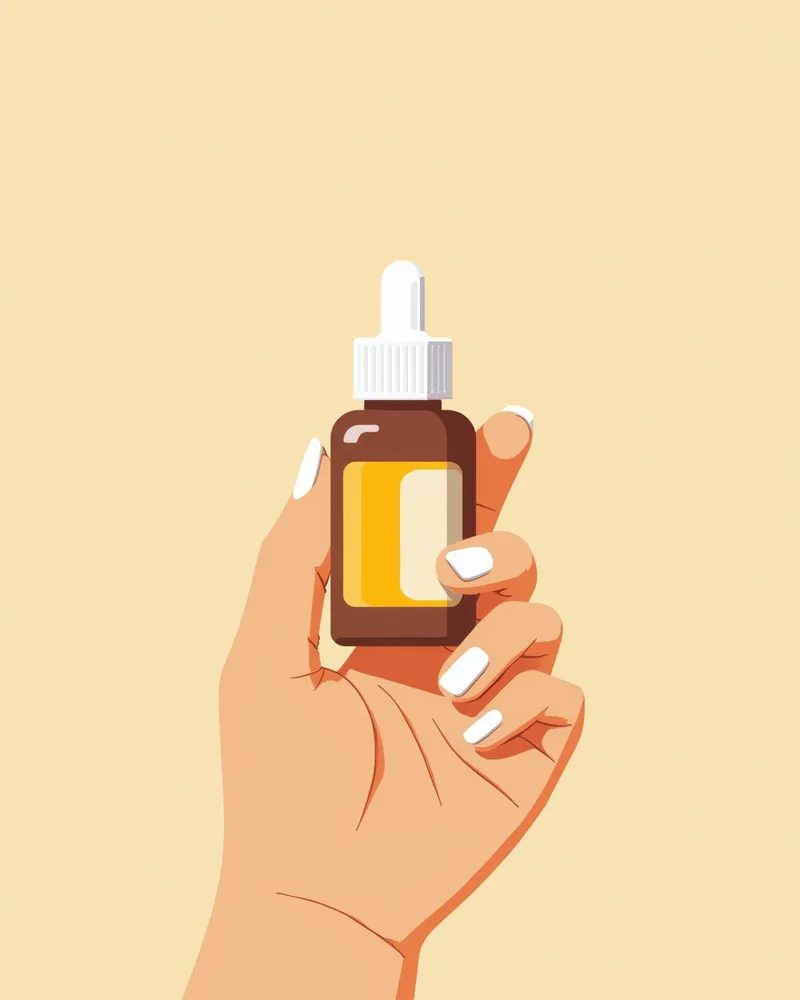
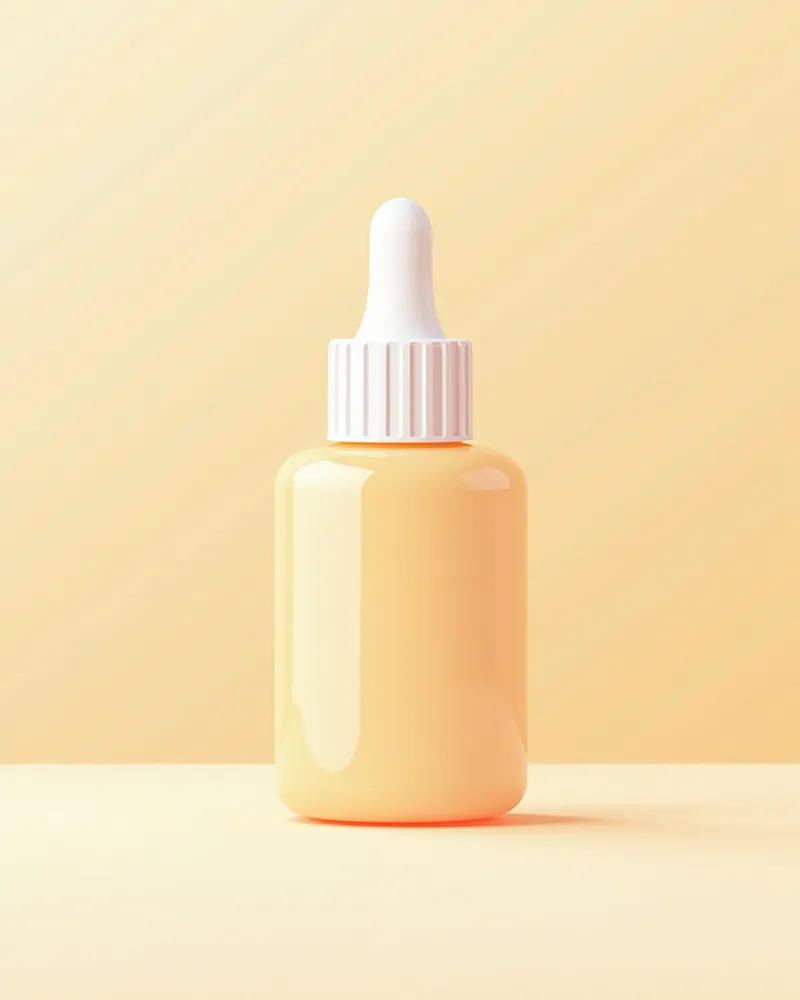
Holding a bottle of puppy eye drops in hand

Key Point 1: What Is Corneal Edema?

Corneal edema occurs when fluid accumulates in the cornea, which should normally be clear, causing it to appear cloudy and bluish. Rather than being a primary issue of the cornea itself, it often results from other eye conditions. Causes can include dysfunction of the corneal endothelial cells (the innermost layer), corneal ulcers, uveitis, glaucoma, or trauma. Therefore, when the cornea appears cloudy, it’s important not just to treat the symptom but to identify the underlying cause of the edema, as treatment and prognosis vary significantly depending on the cause.
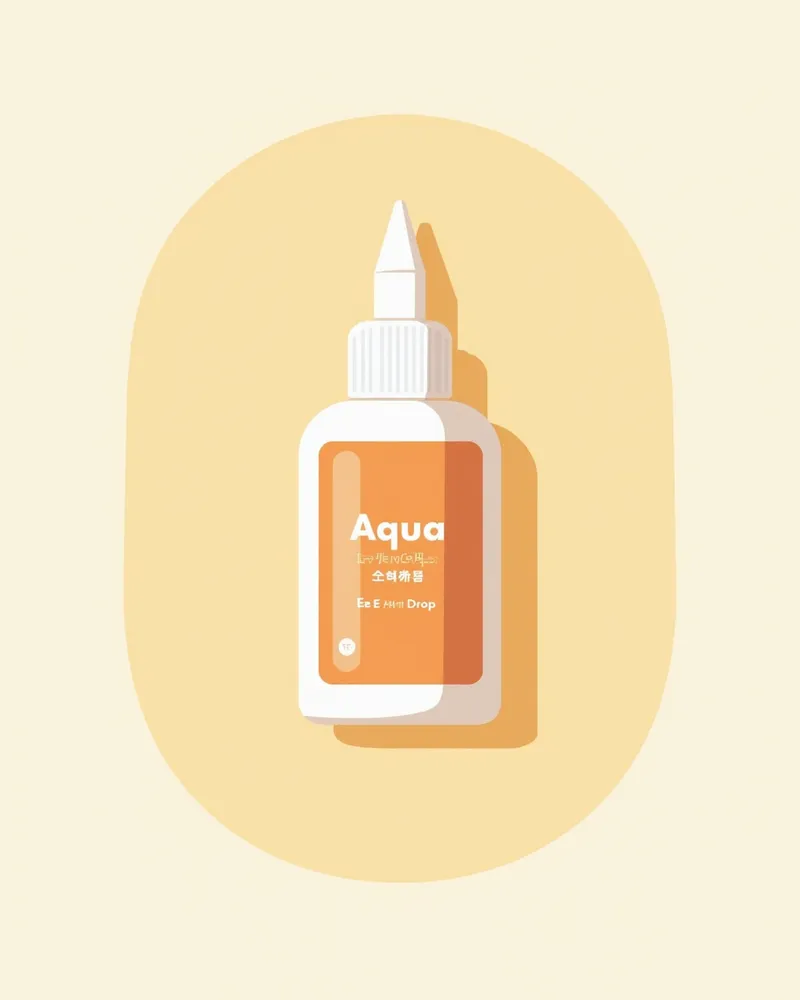
Acroa Tear Film Protectant Eye Drops Bottle

Key Point 2: Diagnosing the Underlying Cause Is Key to Treatment

The first step in managing corneal edema is a comprehensive eye exam to identify the underlying cause. We measure intraocular pressure to rule out glaucoma, use fluorescein staining to check for ulcers, and examine the interior of the eye for conditions like uveitis. Treatment focuses on addressing the root disease rather than the edema itself. For example, if glaucoma is the cause, we lower the intraocular pressure; if it’s uveitis, we treat the inflammation. Your veterinarian will prescribe appropriate medication after diagnosis, often alongside supportive therapies to protect the cornea.
Lunavio Eye Health Care Kit Contents

Key Point 3: Monitoring Progress and Follow-up Visits Are Essential
Corneal edema may improve if the underlying cause is well controlled, but in some cases, such as when there is endothelial damage, recovery can be difficult. During treatment, it’s important to follow the prescribed regimen closely, monitor changes in vision and the degree of cloudiness, and attend follow-up visits to track progress. If pain suddenly worsens or the eye becomes increasingly cloudy, the underlying condition may be deteriorating, so seek veterinary care immediately. Managing corneal edema effectively hinges on consistently addressing its root cause rather than focusing solely on the swelling itself.
Petmaid Eye Protection Eye Drops Bottle

Important Facts About Corneal Edema

ItemKey Points
ConditionFluid accumulates in the cornea causing it to become hazy and cloudy, usually a result of another disease
CausesReduced corneal endothelial function, ulcers, uveitis, glaucoma, trauma, etc.
DiagnosisIdentify the cause through intraocular pressure, fluorescein staining, and internal eye examination
TreatmentTreating the underlying disease is key; prescribed after veterinary diagnosis
CourseImprovement possible when the cause is controlled; confirm progress with follow-up, and seek immediate care if it worsens

This is not a table recommending specific products or clinics, but a reference for when you consult a veterinarian. Treatment and testing decisions must always be made together with a veterinarian through an examination.

Caution: Overuse Can Burden the Eyes

Products and eye drops for managing corneal edema must always be used under a veterinarian’s guidance. In particular, topical steroids can interfere with corneal wound healing or cause corneal degeneration with long-term use, and they may worsen existing ulcers, so they require careful application. Therefore, avoid arbitrarily increasing the frequency of use. If your dog’s eyes become more red or painful after use, or if you notice increased eye-rubbing behavior, stop using the product immediately and consult your veterinarian.

Usage Tip: Minimizing Your Dog’s Stress Is Crucial
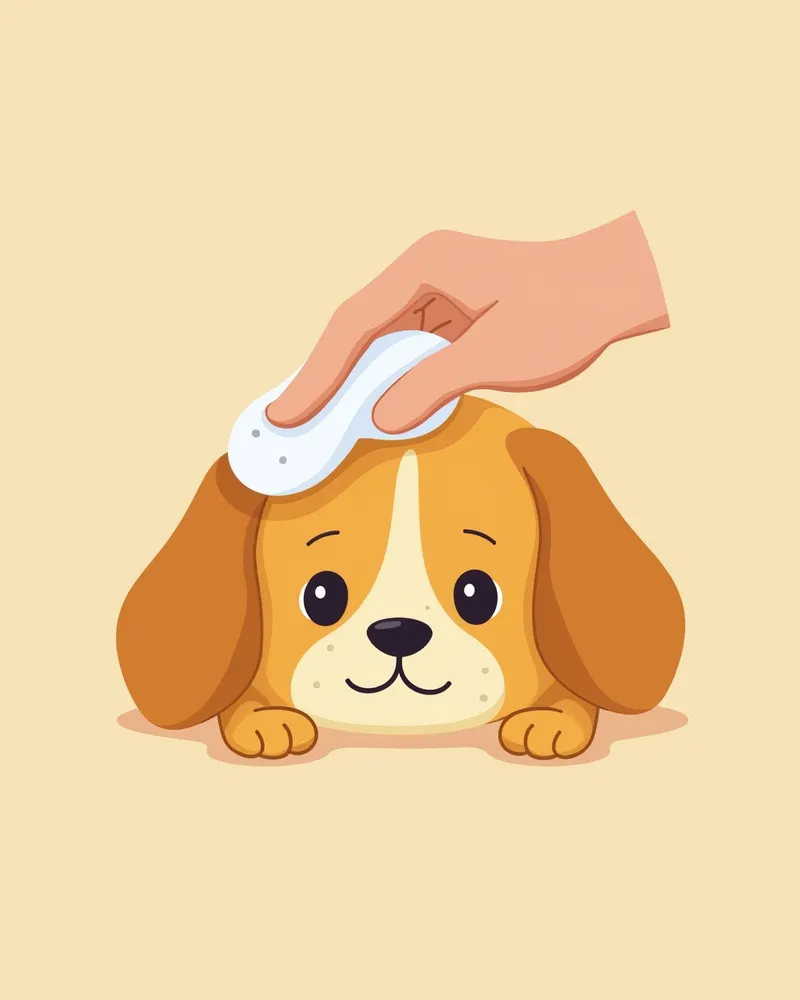
Minimizing stress is crucial when managing your dog’s corneal edema. Administering treatment in a quiet, well-lit environment helps your dog accept it more easily. Gently soothe your dog before administration, and use small treats or praise to encourage a positive response. When applying eye drops, hold your dog’s hand lightly but avoid excessive pressure. Administering the medication at the same time every day helps your dog get into a routine, making management much easier. Additionally, monitor your dog’s response after administration and consult your veterinarian immediately if you notice any abnormal signs. - Environment adjustment: Administering treatment in a quiet space reduces stress. - Emotional stability: A gentle tone and affectionate gestures are helpful. - Repetitive training: Gradually familiarize your dog with the treatment process. - Response observation: Consistently record changes in your dog’s eye condition.
Gently wiping around a puppy's eyes

Reviewed by a veterinarian

Dr. Tony — Punnawat Phongkittirak

Dr. Tony — Punnawat Phongkittirak

Veterinarian

A veterinarian who majored in veterinary medicine at Khon Kaen University, Thailand, and completed the IVSA program at North Carolina State University in the United States. Drawing on clinical experience at animal hospitals, he works in the pet healthcare field and is dedicated to building a digital care environment that connects pet parents with veterinarians.

Frequently Asked Questions

Can corneal edema in dogs be treated?
It depends on the underlying cause. If factors like inflammation or intraocular pressure are well controlled, improvement is possible; however, some conditions, such as corneal endothelial cell damage, are difficult to reverse. Therefore, prompt diagnosis and treatment tailored to the specific cause are most important, and outcomes tend to be better with earlier intervention.
Can I use eye drops multiple times a day?
The frequency of use varies depending on the type of medication and the underlying cause, so please follow your veterinarian’s instructions. While lubricants that protect the cornea may require frequent application, medications such as steroids must be used exactly as prescribed; increasing the dosage on your own can lead to side effects.
Can it be managed with natural remedies?
Corneal edema is often a secondary symptom of other eye conditions, making it difficult to address the underlying cause with natural remedies alone. Rather than self-treating with unproven ingredients, it is safest to consult a veterinarian for a proper diagnosis and targeted treatment.
Should I continue the medication even after the swelling has gone down?
Depending on the underlying condition, long-term medication may be necessary to slow disease progression. Even if symptoms improve, do not stop the medication on your own; it is safest to follow your veterinarian’s instructions regarding the treatment duration and keep all scheduled follow-up appointments.
What should I do if my pet’s eyes turn red?
If your dog’s eyes become more red or if they start scratching more frequently, stop using the product immediately and consult your veterinarian.

Share

Related Guides

References

[1] Crispin SM, Barnett KC. Dystrophy, degeneration and infiltration of the canine cornea. Journal of Small Animal Practice, 1983; 24: 63–83.

[2] Laus JL, dos Santos C, Talieri IC, et al. Combined corneal lipid and calcium degeneration in a dog with hyperadrenocorticism: a case report. Vet Ophthalmol, 2002;5(1):61–64.

[3] Cho J. Surgery of the globe and orbit. Top Companion Anim Med, 2008;23(1):23–37. doi: 10.1053/j.ctsap.2007.12.004.

This information is based on veterinary literature and does not replace diagnosis or treatment. Please consult a veterinarian for specific health concerns.

Metapet Co., Ltd. | CEO: Park Sung-yong | Business Reg. No. 417-88-02562 | Seoul, South Korea | Customer Center

Canine Corneal Edema: Top Care Picks & How to Choose | Meongsiljang