Like
Share
멍실장
고양이 구강 진균 감염 관리 추천 BEST와 고르는 기준 총정리

7 Signs of Feline Oral Fungal Infection and Management Tips for Bad Breath and Ulcers

Oral HealthTop PicksMeongsiljang Veterinary Advisory Board

Feline oral fungal infections are challenging to treat, so choosing the right management products and therapies is crucial. This article highlights the top three effective management products and explains how to select them.

Feline Oral Fungal Infections Are Infectious Diseases That Are Difficult to Treat

A cat with fungal lesions in its mouth
Feline oral fungal infections are infectious diseases caused by fungi such as Candida invading the mouth. Because there is no clearly defined optimal treatment duration and relapses have been reported upon discontinuation of medication, consistent management is essential. The risk is particularly high in cats with suppressed immune systems or those suffering from chronic diseases. - Early detection and appropriate management: It is important to consult a veterinarian immediately if even mild symptoms appear. - Consistency is key to treatment: Veterinary guidelines recommend continuing treatment for a certain period even after clinical symptoms have resolved, so long-term management is necessary rather than expecting a quick cure. - Managing side effects: Antifungal agents such as ketoconazole and itraconazole have been reported to cause hepatotoxicity, while other side effects include loss of appetite, vomiting, diarrhea, and lethargy. Therefore, strictly adhere to the dosage and frequency prescribed by your veterinarian, and regularly monitor liver function tests during long-term use. Closely observe your cat’s response, and if any abnormal symptoms occur, discontinue use immediately and visit the clinic.

Key Information: Managing Feline Oral Fungal Infections

When selecting oral antifungal products or treatments for your cat, consider the following criteria: - Effectiveness: Itraconazole is generally recommended as a well-tolerated treatment for feline fungal infections. In cases of resistance or recurrence, terbinafine may be used in combination with other medications. Note that these antifungal agents require a veterinary prescription. - Safety: Ketoconazole and itraconazole carry a risk of hepatotoxicity, so liver function should be monitored monthly during long-term use. It is essential to confirm that the active ingredient is well-tolerated by your cat, as cats often do not tolerate ketoconazole well. - Ease of Use: Choose a formulation, such as a spray or capsule, that your cat will accept without resistance. - Combination Therapy: If the response to a single medication is inadequate, your veterinarian may recommend combining multiple antifungal agents. - Veterinary Recommendation: For a safe choice, consider not only user reviews but also professional veterinary advice.
A veterinarian examining a cat's mouth

Key Information 1: What Is the Condition and How Serious Is It?
Feline oral fungal infections are conditions caused by the overgrowth of fungi, such as Candida, on the oral mucosa. While rare in healthy cats, the risk increases significantly in immunocompromised individuals or those on long-term antibiotic therapy. Key symptoms include white or yellowish pseudomembranous patches in the mouth, bad breath, excessive drooling, and decreased appetite. Because the infection can spread to the esophagus and gastrointestinal tract if left untreated, early veterinary diagnosis is essential.
What is the condition and how serious is it? Related guide image

Key Information 2: Diagnosis and Treatment Options
Diagnosis is made by confirming the presence of fungi through cytology or culture of oral lesions. Veterinarians often also assess for underlying causes, such as immunosuppression, diabetes, or FIV/FeLV infection. Treatment involves the topical or systemic administration of antifungal medications prescribed by a veterinarian. If an underlying disease is present, it must be treated concurrently to reduce the risk of recurrence. The duration and method of treatment are determined by the veterinarian based on the extent of the infection and the cat’s overall condition.
Informational image regarding diagnostic and treatment options

Key Information 3: Daily Care and Precautions
During treatment, it is important to maintain good oral hygiene and avoid using antibiotics or steroids without your veterinarian’s guidance. To support immune function, provide a balanced diet and a low-stress environment. If the condition recurs frequently, an underlying immune disorder may be present, making regular check-ups essential. Only your veterinarian should assess treatment efficacy and adjust medications; stopping or changing drugs on your own can be dangerous.
Guidance image on daily care and precautions

What Pet Owners Should Know About Feline Oral Fungal Infections

ItemKey points
SymptomsWhite patches in the oral cavity, bad breath, drooling, decreased appetite
CauseImmune suppression, long-term antibiotic use, underlying disease
DiagnosisConfirm fungus by smear/culture testing and evaluate underlying causes
TreatmentAdminister veterinarian-prescribed antifungals (topical or systemic)
CautionNo unauthorized medication; confirm recurrence through regular checkups

This is not a table recommending specific products or clinics, but criteria to reference when consulting your veterinarian. Always make treatment and testing decisions together with your veterinarian through an examination.

Excessive Use Can Cause Side Effects

Antifungal medications, such as ketoconazole and itraconazole, can cause liver toxicity, and other side effects like loss of appetite, vomiting, diarrhea, and lethargy have been reported. Therefore, it is essential to strictly follow the dosage and frequency prescribed by your veterinarian, and to regularly monitor liver function tests during long-term use. If any side effects occur, stop the medication immediately and visit the clinic.

Usage Tip: Consistency Is Key to Management
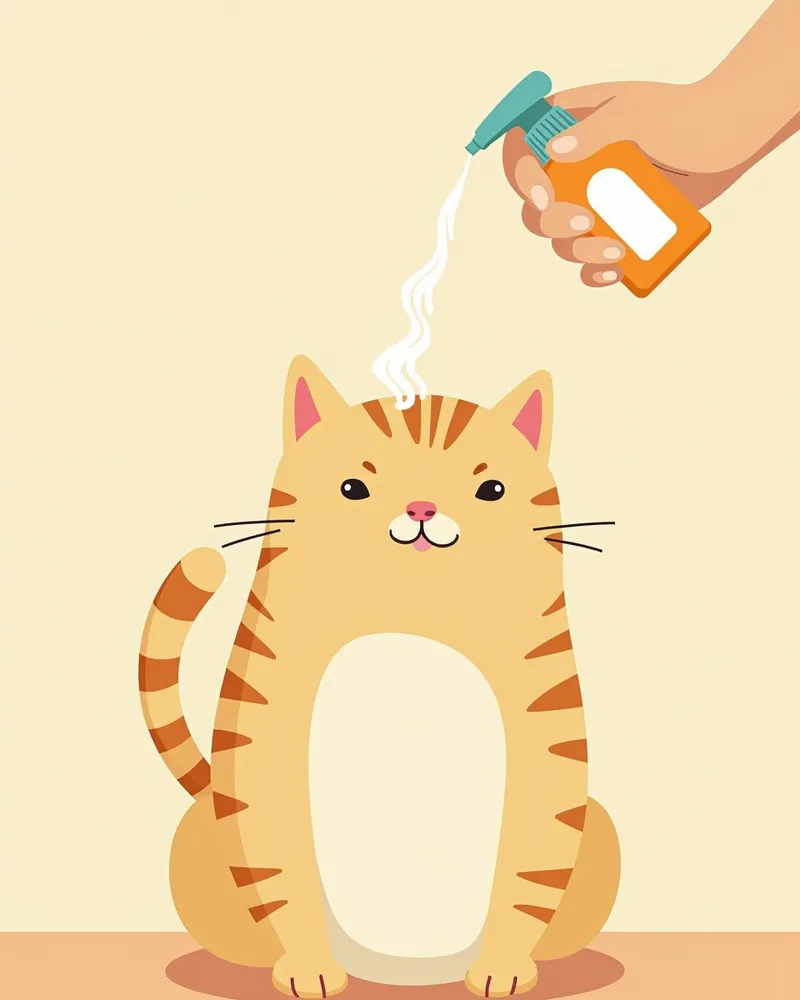
Managing oral fungal infections in cats requires long-term care rather than short-term treatment. Veterinary guidelines recommend continuing therapy for a specified period even after clinical symptoms have resolved. - Consistent Use: To achieve effective results, administer the medication consistently at the frequency and dosage prescribed by your veterinarian. - Monitor Response: Check your cat’s oral condition, appetite, and behavior daily. Consult your veterinarian immediately if you notice any abnormal signs. - Oral Hygiene: Maintaining good oral hygiene during treatment can be beneficial. - Regular Check-ups Are Essential: Regular veterinary consultations and oral examinations are important to monitor both the safety and efficacy of the medication. For drugs with potential hepatotoxicity, liver function tests should also be performed. - Comprehensive Management Strategy: In addition to antifungal therapy, it is effective to concurrently provide balanced nutritional supplementation, stress management, and care for any underlying conditions. - Managing Side Effects: If side effects such as decreased appetite, vomiting, diarrhea, or lethargy occur, discontinue use immediately and visit the clinic.
A pet owner spraying an oral care spray on their cat.

Reviewed by a veterinarian

Dr. Tony — Punnawat Phongkittirak

Dr. Tony — Punnawat Phongkittirak

Veterinarian

A veterinarian who majored in veterinary medicine at Khon Kaen University, Thailand, and completed the IVSA program at North Carolina State University in the United States. Drawing on clinical experience at animal hospitals, he works in the pet healthcare field and is dedicated to building a digital care environment that connects pet parents with veterinarians.

Frequently Asked Questions

Can feline oral fungal infections be treated?
Antifungal treatment can help control the symptoms. However, since there is no clearly defined optimal treatment duration and relapses have been reported upon discontinuation of medication, it is more important to focus on consistent management and monitoring for recurrence rather than assuming a complete cure.
Can natural treatments alone be effective?
The only treatments with evidence-based support in veterinary textbooks are the antifungal medications prescribed by veterinarians. Since there is insufficient scientific evidence to prove the effectiveness of natural ingredients or supplementary products, please do not rely on them without professional guidance and always consult your veterinarian first.
What happens if the product is used incorrectly?
Antifungal medications can cause side effects such as liver toxicity, loss of appetite, vomiting, and diarrhea. Always use them exactly as prescribed by your veterinarian in terms of dosage and frequency, and consult your vet immediately if you notice any adverse reactions.
What should I do if my pet’s oral infection keeps coming back?
If the condition recurs, your veterinarian should reassess the cause of the infection and any underlying diseases (such as FIV/FeLV, diabetes, or immunosuppression) and adjust the treatment plan accordingly. Management of any underlying conditions should also be addressed.
Which product is the safest?
Safety profiles vary by medication. For example, cats often tolerate ketoconazole poorly, so itraconazole is recommended. Because evidence supporting the safety and efficacy of natural products is limited, prioritize treatments recommended by your veterinarian.

Share

Related Guides

References

[1] Pesavento PA, Bannasch MJ, Bachmann R, et al. Fatal Streptococcus canis infections in intensively housed shelter cats. Vet Pathol. 2007;44(2):218–221.

[2] Pressler BM, Vaden SL, Lane IF, et al. Candida spp. urinary tract infections in 13 dogs and seven cats: predisposing factors, treatment, and outcome. J Am Anim Hosp Assoc. 2003;39(3):263–270.

[3] German AJ, Hall EJ, Day MJ. Chronic intestinal inflammation and intestinal disease in dogs, J Vet Intern Med 17:8, 2003.

This information is based on veterinary literature and does not replace diagnosis or treatment. Please consult a veterinarian for specific health concerns.

Metapet Co., Ltd. | CEO: Park Sung-yong | Business Reg. No. 417-88-02562 | Seoul, South Korea | Customer Center

7 Signs of Feline Oral Fungal Infection & Care Tips | Meongsiljang