
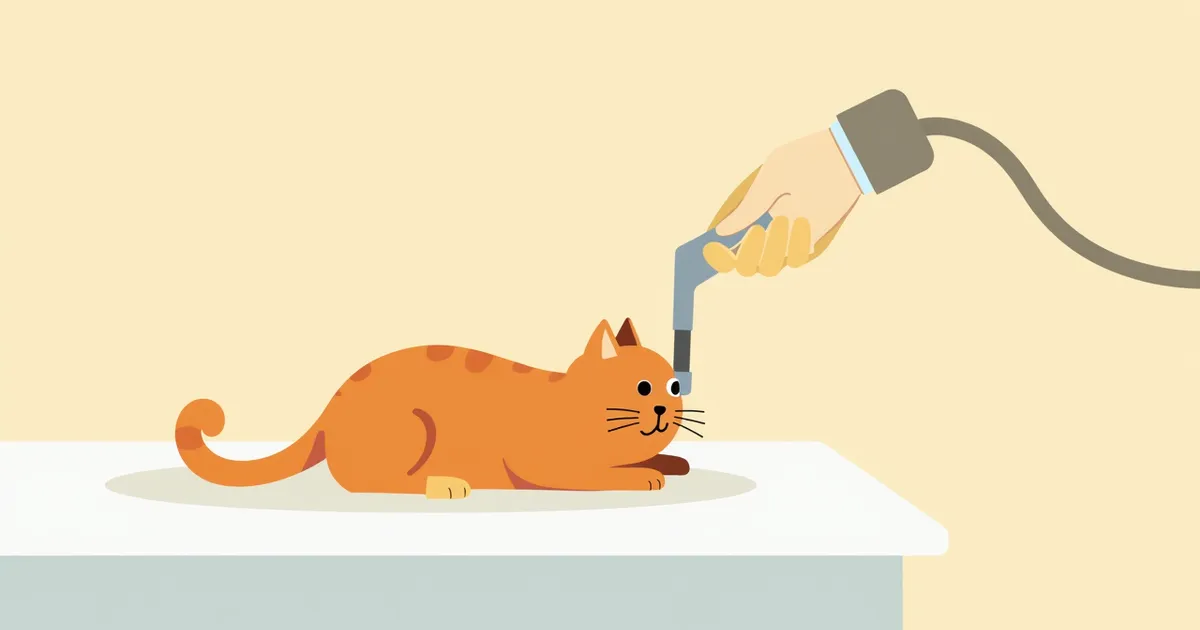
Top Recommendations and Selection Criteria for Feline Bronchoscopy Management
Feline bronchoscopy is a key diagnostic tool for accurately identifying the cause of chronic coughing or difficulty breathing. We’ve put together an easy-to-read guide with our top product recommendations and selection criteria to help you manage your cat’s condition effectively.
What is Feline Bronchoscopy?

Selection Criteria: Tips for Choosing a Clinic for Feline Bronchoscopy

Check 1: Availability of Flexible Endoscopes for Small Animals and Anesthesia Monitoring

Check 2: Concurrent Lavage, Cytology, and Culture Tests Based on Indications

Check 3: Respiratory Experience and Comprehensive Interpretation

Checklist for Choosing a Clinic for Bronchoscopy
| Item | Recommended criteria |
|---|---|
| Equipment | A place equipped with a flexible bronchoscope for small animals and anesthesia monitoring/emergency systems |
| Test operation | A place that combines bronchoalveolar lavage (BAL), cytology/culture, and imaging tests |
| Interpretation capability | A veterinarian with extensive respiratory care experience who accurately interprets findings |
| Result interpretation | A place that provides guidance on treatment, environmental management, and recovery plans appropriate to the cause |
| Cost guidance | A place that informs you in advance of estimated costs before testing and the possibility of anesthesia and additional tests |
This is not a table recommending specific products or hospitals, but criteria to reference when consulting a veterinarian. Always make treatment and testing decisions together with a veterinarian through examination.
Precautions: Prohibited Items After Bronchoscopy
After a bronchoscopy, proper care goes beyond just administering medication; daily management is equally important. Use the following checklist to guide you: Indoor air quality management: Maintain appropriate humidity levels, minimize airway irritants such as dust and smoke, and use an air purifier. Dietary adjustments: Appetite may temporarily decrease after the procedure, so switch to soft food and reintroduce treats gradually. Minimize noise: Reduce exposure to loud sounds, including television, music, and raised voices. Rest and oxygen-rich environment: Allow your pet to rest adequately in a quiet, well-oxygenated environment until airway reflexes have fully recovered. Monitor breathing and coughing: If coughing becomes severe or persistent, or if your pet appears to be struggling to breathe, consult your veterinarian. The severity and frequency of coughing may vary depending on the recovery progress.
Usage Tips: Post-Bronchoscopy Care Checklist

Reviewed by a veterinarian

Dr. Tony — Punnawat Phongkittirak
VeterinarianA veterinarian who majored in veterinary medicine at Khon Kaen University, Thailand, and completed the IVSA program at North Carolina State University in the United States. Drawing on clinical experience at animal hospitals, he works in the pet healthcare field and is dedicated to building a digital care environment that connects pet parents with veterinarians.
Reviewed 2026-06-29
Frequently Asked Questions
What should I do if my pet’s cough gets worse after a bronchoscopy?
Do I still need to give my pet medication after the test?
Can I stop the medication once the coughing goes away?
Can I give this alongside other supplements?
When can my pet return to its normal routine after the examination?
Share
Related Guides

Top Recommended Feline Bronchodilators and Selection Criteria: A Complete Guide

Best Recommendations and Selection Criteria for Monitoring Your Cat’s Respiratory Rate (RR) During Sleep for Heart Care

Best Recommendations and Selection Criteria for Monitoring Your Dog’s Respiratory Rate (RR) During Sleep for Heart Care

7 Best Liver Tumor Management Products for Dogs Recommended by Veterinarians — Criteria for Primary and Metastatic Cases

Top 7 Management Strategies for Canine Cirrhosis and Hepatic Fibrosis — A Complete Guide to Slowing Progression

Comprehensive Guide to Causes, Differential Diagnosis, and Management Recommendations for Elevated ALT and ALP in Dogs

7 Signs of Drug- or Toxin-Induced Liver Damage in Dogs That Veterinarians Warn About

7 Key Tips for Managing Copper-Associated Hepatitis in Dogs, as Recommended by Veterinarians

7 Best Ways to Manage Chronic Hepatitis in Dogs Recommended by Veterinarians and Selection Criteria

7 Warning Signs of Biliary Obstruction in Dogs and Management Tips Selected by Veterinarians
References
[1] Lynelle R. Johnson, DVM, MS, PhD, Dipl ACVIM (SAIM). Small Animal Critical Care Medicine, 3rd Ed. 2023.
[2] Canine and Feline Respiratory Medicine, 3rd Edition. Elsevier, 2022.
[3] Textbook of Respiratory Disease in Dogs and Cats. Wiley-Blackwell, 2021.