

Shivering When Getting in the Car — Top 7 Motion Sickness & Anxiety Relief Products and How to Choose Them
Car anxiety and motion sickness in dogs have different causes, so they need to be addressed separately. We’ve compiled effective management strategies and tips for choosing the right products, including desensitization training, pheromone-based products, and veterinarian-prescribed antiemetics.
Dog Car Phobia and Motion Sickness: Why It’s Essential to Distinguish the Cause First

Phobia or Motion Sickness? — A Symptom-Based Checklist
See a Vet First If You Notice These Symptoms
If vomiting occurs two or more times or signs of dehydration appear—such as dry gums and reduced skin elasticity—seek veterinary care immediately. If your pet is experiencing extreme fear that leads to self-injury, such as damaging the cage or bleeding from the paw pads, or if panic episodes recur, consult a veterinary behavior specialist.
Desensitization Training — Step-by-Step Methods to Change Your Dog’s Association with the Car
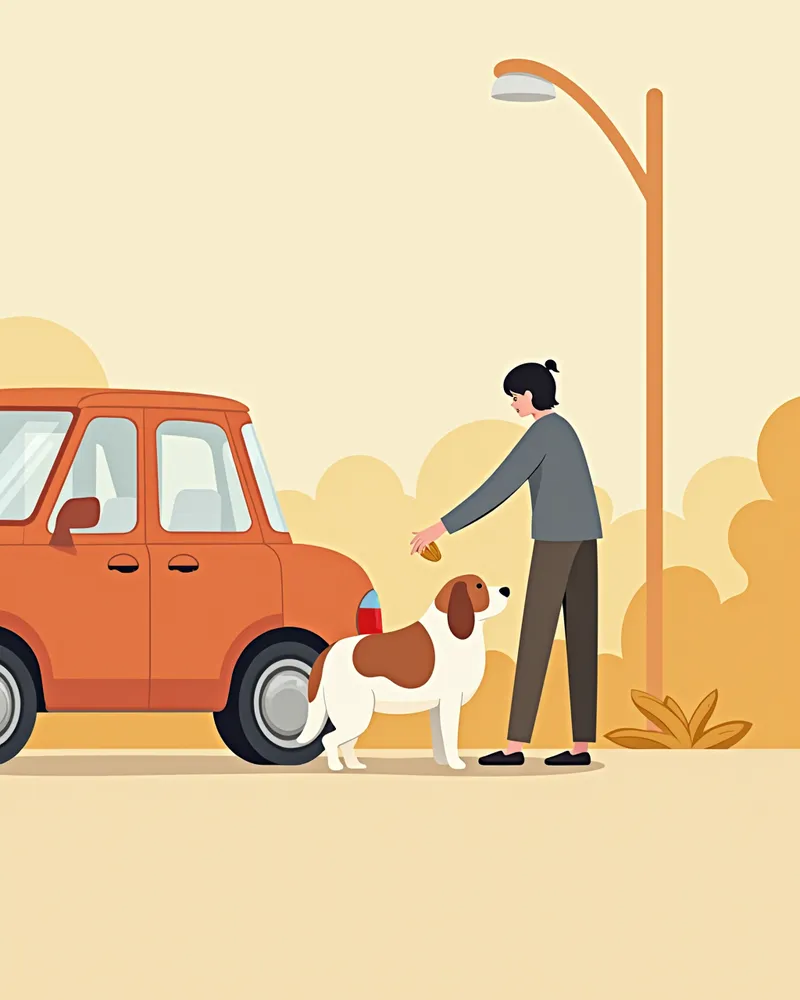
Top Recommended Products for Phobia Relief — Selection Criteria and Usage
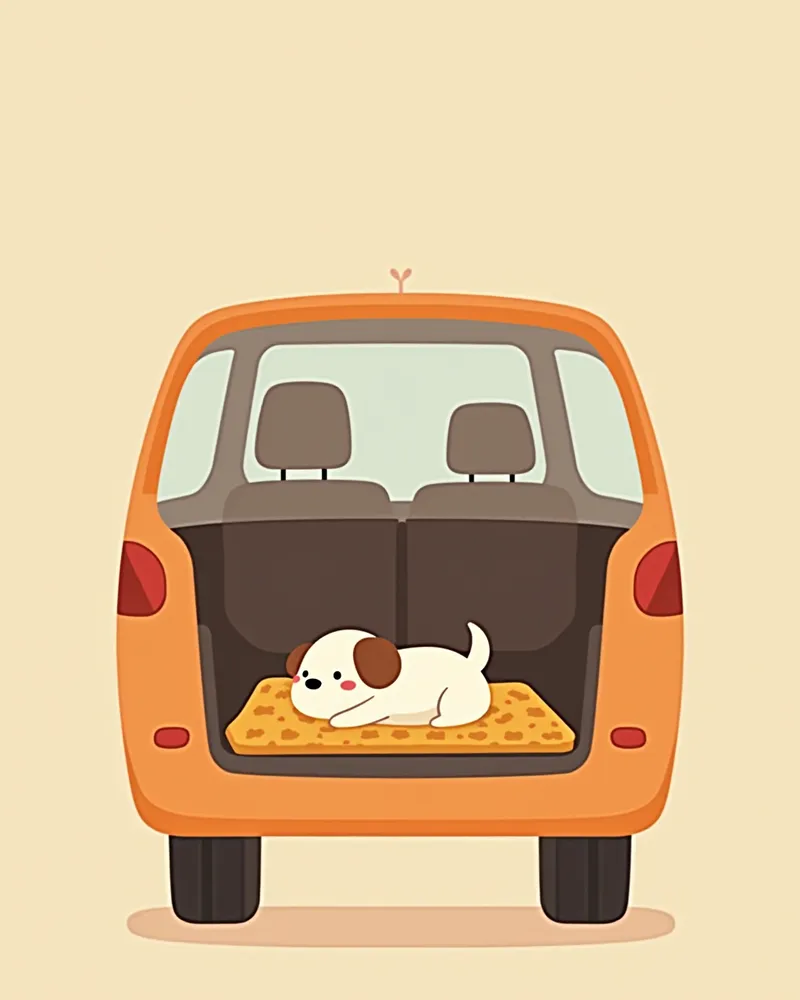
When Motion Sickness Is the Main Cause — Prescribed Medications and Lifestyle Management Tips

Comparison of Management Methods — Which Approach Is Right for Your Dog?
| Item | Main Target | Onset of Effect | Prescription Required |
|---|---|---|---|
| Desensitization Training | Fear-focused | After 2–4 weeks | Not required |
| Pheromone Spray | Mild fear | 30 min before | Not required |
| Calming Treats & Supplements | Mild anxiety | 30–60 min before | Not required |
| Veterinarian-Prescribed Antiemetic | Motion sickness–focused | 2 hours before | Required |
| Anti-Anxiety Medication | Severe fear | Consult veterinarian | Required |
If two or more symptoms overlap, work with your veterinarian to create a combined management plan
Pay Extra Attention to Small Breeds, Brachycephalic Breeds, and Senior Dogs
Small breeds like Maltese and Chihuahuas tend to exhibit strong fear responses. Brachycephalic breeds such as French Bulldogs and Pugs are prone to rapid buildup of travel stress due to their respiratory anatomy. In senior dogs, symptoms like motion sickness and fear may suddenly worsen despite previously tolerating travel well; consult your veterinarian if you notice any deterioration.
Reviewed by a veterinarian

Dr. Tony — Punnawat Phongkittirak
VeterinarianA veterinarian who majored in veterinary medicine at Khon Kaen University, Thailand, and completed the IVSA program at North Carolina State University in the United States. Drawing on clinical experience at animal hospitals, he works in the pet healthcare field and is dedicated to building a digital care environment that connects pet parents with veterinarians.
Reviewed 2026-06-01
Frequently Asked Questions
Can I buy dog motion sickness medication without a prescription?
How long does desensitization training take?
Can I give my pet a treat before getting in the car?
What should I do if my dog keeps barking in the car?
When and how should I use the pheromone spray?
Share
Related Guides

7 Behavioral Enrichment Strategies for Mental Stimulation Recommended by Veterinarians

Top 5 Calming Supplements for Dogs and Cats in 2026

L-Theanine Effects and Calming Support

7 Key Tips for Managing Feline Insulinoma Recommended by Veterinarians — How to Prevent Hypoglycemia
Top Recommended Management Strategies for Fear-Based Aggression in Dogs and Selection Guidelines

7 Best Environmental Enrichment Strategies to Combat Boredom and Stress in Cats — Expert Selection Criteria

The Ultimate Guide to Increasing Your Dog’s Water Intake: Management Tips, Recommended Products, and Selection Criteria
Top Recommended Dog Urine Specific Gravity Test Kits and Selection Criteria
Top Recommended Products for Managing Urethral Stricture in Dogs and Selection Criteria
Top Recommended Management Products for Canine Urethral Obstruction and Selection Criteria
References
[1] Hammerle M. et al., Veterinary Guide to Preventing Behavior Problems in Dogs and Cats, Wiley-Blackwell, 2023, Chapter 9 (Car Ride Anxiety)
[2] Korpivaara M., Laapas K., Huhtinen M. et al., Dexmedetomidine oromucosal gel for noise-associated acute anxiety and fear in dogs, Veterinary Record, 2017, 180(14):356
[3] Pratsch L. et al., Carrier training cats reduces stress on transport to a veterinary practice, Applied Animal Behaviour Science, 2018