Like
Share
멍실장
고양이 심장 질환 조기 선별 관리 추천 BEST와 고르는 기준 총정리

7 Best Early Screening Tips for Feline Heart Disease Chosen by Veterinarians — More Important When Asymptomatic

HeartTop PicksMeongsiljang Veterinary Advisory Board

Feline heart disease can progress rapidly because early symptoms are often absent, making early screening crucial. Protect your cat’s heart health through regular check-ups and proper care.

Early Screening for Feline Heart Disease Is the First Step to Saving Lives
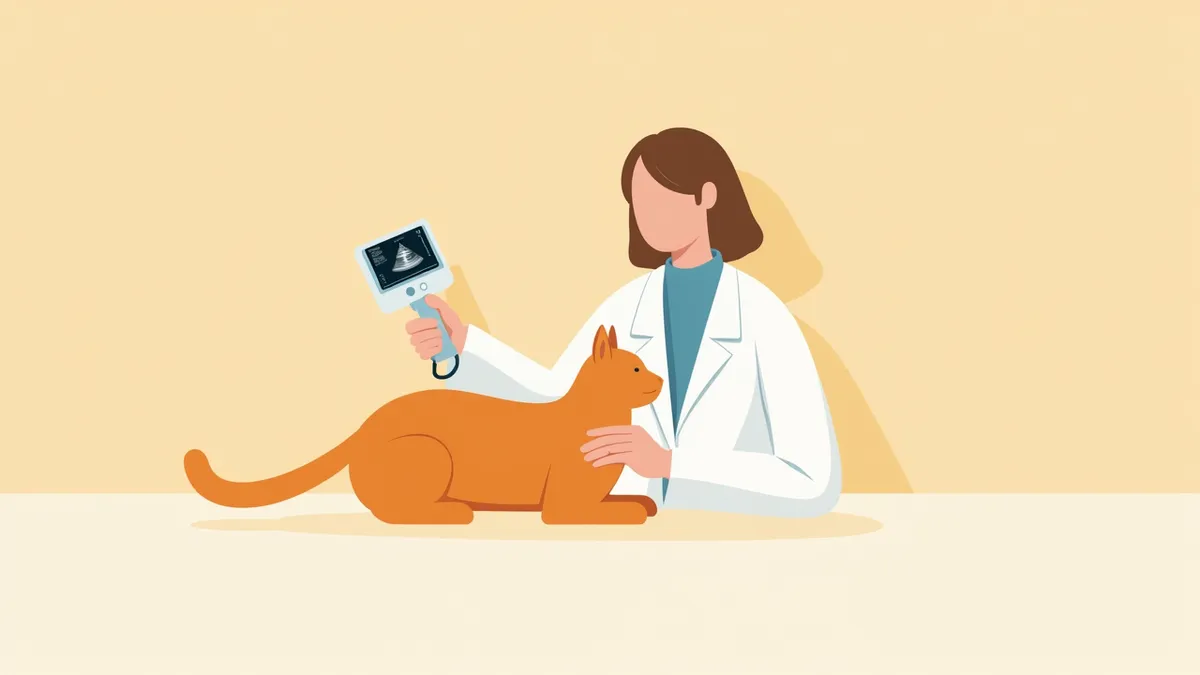
A veterinarian using a handheld ultrasound device on a cat's chest
Early screening for feline heart disease is a crucial step that allows for the detection and management of conditions even during the asymptomatic stage. This is especially important for cardiomyopathies such as hypertrophic cardiomyopathy (HCM) and restrictive cardiomyopathy, which are the most common heart diseases in cats. In their early stages, these conditions often present with few or no symptoms, and heart sounds may appear normal on auscultation, making regular veterinary check-ups essential. Identifying the disease while it is still asymptomatic enables close monitoring of its progression and the early initiation of management strategies to prevent complications like congestive heart failure or arterial thromboembolism. By consistently utilizing the diagnostic methods recommended by your veterinarian, you can help preserve your cat’s heart health for the long term.

Selection Criteria: Tips for Choosing a Clinic for Early Screening of Feline Heart Disease
When screening cats for early signs of heart disease, it’s important to consider accuracy, safety, and repeatability. Non-invasiveness and the ability to detect early changes are the most critical factors. Echocardiography is the most sensitive non-invasive test for diagnosing hypertrophic cardiomyopathy and differentiating other heart conditions, as it allows for precise evaluation of cardiac structure and function. However, its effectiveness heavily depends on the operator’s expertise, so choosing a clinic with experienced veterinarians is advantageous. Electrocardiography helps identify arrhythmias (abnormal heart rhythms), but its sensitivity for detecting structural changes like cardiac enlargement is low, making it limited as a standalone screening tool. Blood biomarker tests, such as NT-proBNP, serve as screening indicators to objectively assess cardiac strain. Auscultation is simple, but asymptomatic cats may not have heart murmurs, or if they do, the murmurs may not indicate serious heart disease, so it should be considered a supplementary method. It’s best to consult with your veterinarian to weigh the pros and cons of each test and develop a tailored screening plan.
A veterinarian listening to a cat's heart with a stethoscope

Check 1: Echocardiography and Auscultation Equipment and Examination Techniques
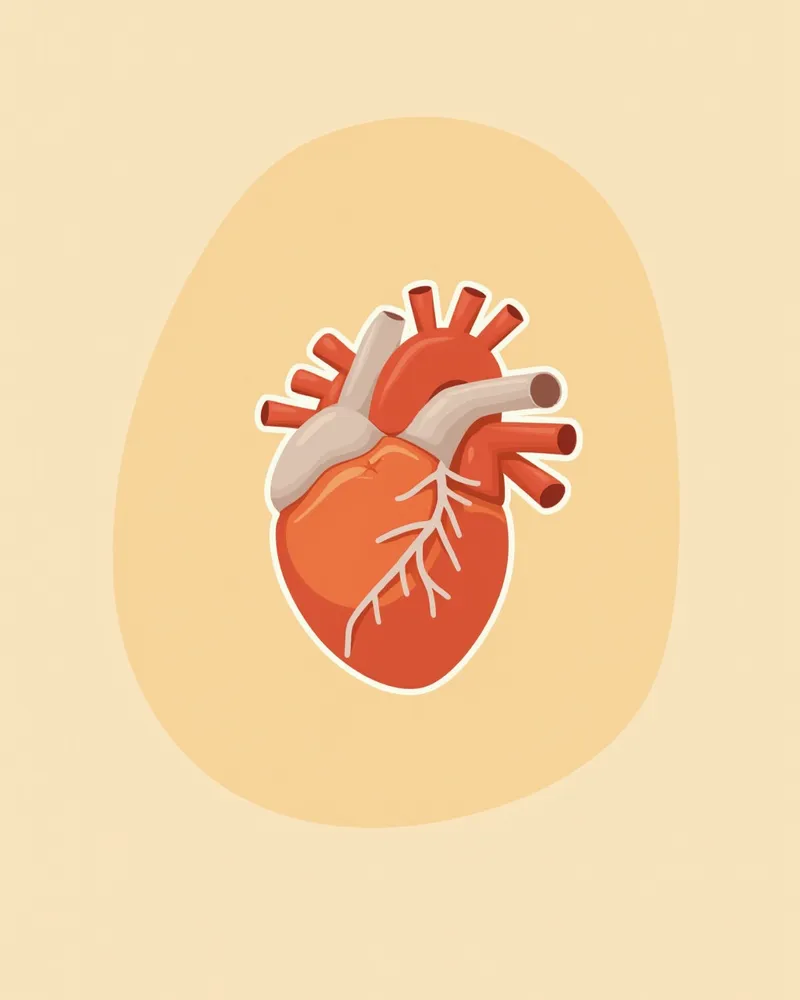
When screening for early-stage heart disease in cats, the most important factor is confirming whether the clinic has an echocardiography machine. Relying solely on chest X-rays can cause you to miss early structural changes. If the hospital has an ultrasound machine with Doppler functionality, it can evaluate blood flow velocity and check for valve regurgitation. You should also verify whether the clinic offers cardiac biomarker blood tests, such as NT-proBNP, either in-house or through a partnership with an external laboratory.
Guide images on echocardiography and auscultation equipment and examination techniques for the heart

Check 2: Experience with Feline-Specific Examinations and Understanding of Indications
Because cats develop different types of heart disease than dogs, it’s important to choose a clinic experienced with feline-specific conditions such as hypertrophic cardiomyopathy (HCM). Confirm that the veterinarian clearly explains the timing and indications for screening asymptomatic cats. If you own a high-risk breed for HCM, such as a Maine Coon or Ragdoll, a clinic with a regular screening protocol is advantageous. Additionally, look for a practice that employs appropriate handling techniques and provides a stress-minimizing environment before examinations.
Guide image on experience in conducting tests for cats and understanding indications

Check 3: Veterinarian Interpretation Skills, Result Explanation, and Specialist Referral
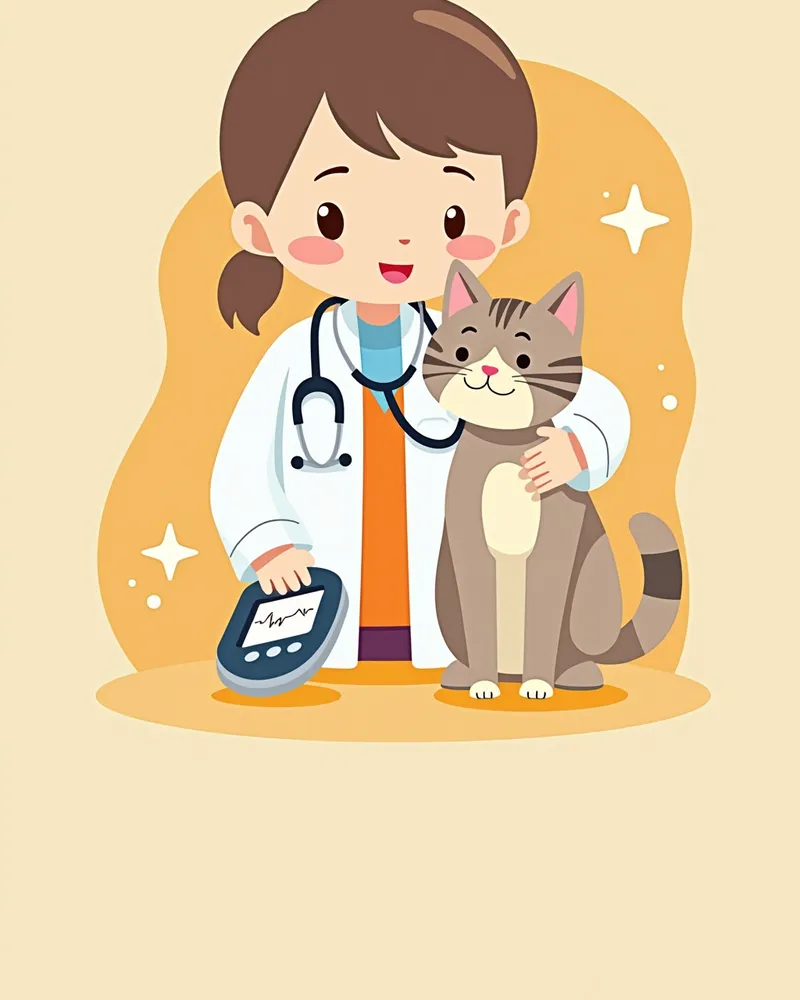
Check whether the veterinarian personally interprets the echocardiogram results and explains them in an easy-to-understand manner. Clinics that clearly outline the next steps—such as follow-up monitoring intervals and when to initiate medication—when mild abnormalities are detected tend to be more trustworthy. Complex heart conditions may require collaboration with a veterinary cardiologist. Since only veterinarians should interpret results and determine treatment plans, be sure to confirm that the clinic provides ample consultation time after the examination.
Guidance image on veterinary diagnostic capabilities, result interpretation, and connection to specialized care

Checklist for Choosing a Clinic for Early Screening of Feline Heart Disease

ItemRecommended Criteria
EquipmentCheck whether echocardiography equipment with Doppler capability is available
Test operationOperation of a feline HCM screening protocol and stress-minimizing restraint
Interpretation capabilityVeterinarian performs ultrasound interpretation directly and can link to biomarker testing
Result interpretationWhen abnormal findings are present, clearly explain the follow-up interval and criteria for starting treatment
Cost informationTransparently explain the cost of each ultrasound and blood test item in advance

This is not a table recommending specific products or hospitals, but a reference for consulting your veterinarian. Treatment and testing decisions must always be made together with a veterinarian through examination.

Caution: Always Consult a Veterinarian for Early Screening of Feline Heart Disease

Early screening for feline heart disease should not be decided solely by the owner’s judgment. The appropriate timing and frequency of each test vary depending on the cat’s age, breed, and genetic risk factors. A veterinarian should assess the overall health status and then develop a customized testing plan. Incorrect timing or frequency of tests can cause unnecessary stress and may even lead to missing important signs. To minimize stress in cats before testing, it is important to conduct the procedures in a quiet environment.

Usage Tips: How to Maximize the Effectiveness of Early Screening Tests
To maximize the effectiveness of early screening for feline heart disease, it’s important to follow a few key tips. First, keep your cat in a quiet, low-stress environment before the exam, and use gentle restraint to minimize stimulation. Stress can elevate heart and respiratory rates, making it harder to interpret the results accurately. Although echocardiography is a painless, non-invasive procedure, reducing stress during restraint helps ensure a more precise assessment. A veterinarian should interpret the results and explain them clearly to you. After the exam, monitor your cat for any unusual signs and contact your clinic immediately if anything seems off. At home, regularly measure and record your cat’s resting respiratory rate, and keep all test records together to support long-term monitoring of heart health. Open communication with your veterinarian is essential to fully understand the significance of the screening.
The cat resting quietly after its check-up, and the veterinarian gently petting it.

Reviewed by a veterinarian

Dr. Tony — Punnawat Phongkittirak

Dr. Tony — Punnawat Phongkittirak

Veterinarian

A veterinarian who majored in veterinary medicine at Khon Kaen University, Thailand, and completed the IVSA program at North Carolina State University in the United States. Drawing on clinical experience at animal hospitals, he works in the pet healthcare field and is dedicated to building a digital care environment that connects pet parents with veterinarians.

Frequently Asked Questions

When should early screening for feline heart disease begin?
The appropriate starting age depends on breed and individual risk factors. For breeds predisposed to cardiomyopathy—such as Maine Coons, Ragdolls, Norwegian Forest Cats, Siberians, British Shorthairs, Sphynx, and Devon Rexes—it is generally recommended to perform an annual cardiac ultrasound between the ages of 1 and 3, followed by additional screenings at ages 5 and 8. However, the exact timing and frequency of these evaluations should be determined in consultation with your veterinarian.
Does an echocardiogram cause pain in cats?
No, it's a harmless and safe non-invasive test, so there's no pain involved. However, since cats may experience stress during the procedure, it's important to conduct it gently in a quiet environment.
Does a high proBNP test result always mean there is a disease?
No, a high NT-proBNP level doesn’t necessarily mean your pet has a disease. However, if the level is elevated, further detailed testing is needed, and the veterinarian should make a comprehensive assessment along with other test results.
Aren't regular checkups expensive?
While early-stage care may involve upfront costs, catching issues early to prevent serious complications ultimately saves money in the long run. Consult your veterinarian to create a care plan that fits your budget.
What should I do if my cat is afraid of medical examinations?
To minimize your cat’s stress, it’s important to have them wait in a quiet environment before the exam and for the veterinarian to approach gently, using minimal-stimulus handling techniques. Depending on the situation, the veterinarian may also consider sedation if deemed necessary.

Share

Related Guides

References

[1] Textbook of Cardiovascular Medicine in Dogs and Cats, 2023, Chapter 12: Early Detection in Feline Heart Disease

[2] Feline Emergency and Critical Care Medicine, 2nd Ed, 2021, Section 5: Preclinical Monitoring of Hypertrophic Cardiomyopathy

[3] American Association of Feline Practitioners (AAFP) Guidelines on Feline Cardiovascular Health, 2022

This information is based on veterinary literature and does not replace diagnosis or treatment. Please consult a veterinarian for specific health concerns.

Metapet Co., Ltd. | CEO: Park Sung-yong | Business Reg. No. 417-88-02562 | Seoul, South Korea | Customer Center

7 Vet Tips for Early Feline Heart Disease Screening | Meongsiljang