Like
Share
멍실장
고양이 심장 처방 식이 관리 추천 BEST와 고르는 기준 총정리

7 Best Prescription Diets for Feline Heart Disease Recommended by Veterinarians — Criteria for Choosing Low-Sodium Food

HeartTop PicksMeongsiljang Veterinary Advisory Board

We’ve compared and analyzed the best prescription diets for managing feline heart disease, along with key considerations for making an effective choice. Choose products that meet veterinary-recommended standards.

Prescription Diets for Feline Heart Disease Are Essential for Managing Heart Health
Image of the packaging box for a veterinarian-prescribed dietary product
Dietary management is a key component of caring for cats with heart disease. Prescription diets are formulated to provide appropriate levels of protein and calories while implementing a mild restriction on sodium, tailored to the cat’s specific cardiac condition. - Mild sodium restriction: This helps reduce fluid accumulation in congestive heart failure, thereby easing the burden on the heart. - Taurine supplementation: Since taurine deficiency in cats can be linked to dilated cardiomyopathy, ensuring adequate taurine intake is essential. - Maintaining adequate protein and calories: To prevent muscle loss (cardiac cachexia), which is common in cats with heart failure, it is crucial that protein and calorie intake remain sufficient. Maintaining an ideal body condition takes priority over aggressive weight loss. - Palatability: Cats with heart disease often experience reduced appetite, so food should be selected for its appealing taste and aroma to encourage eating. All dietary changes should be managed consistently under the guidance of a veterinarian.

Key Information: Dietary Management for Feline Heart Disease
When selecting a prescription diet, it’s helpful to check a few key factors. The most important consideration is nutritional management tailored to the specific type and stage of heart disease, and choosing a product recommended by your veterinarian is the safest approach.
Moderate sodium restriction: For congestive heart failure, select a diet that moderately restricts sodium to help reduce fluid accumulation.
Potassium and magnesium management: These minerals are also considered in cardiac nutritional care, with levels maintained at appropriate amounts based on your veterinarian’s assessment.
Adequate protein and calories: The diet should provide sufficient protein and calories to prevent muscle loss and help maintain an ideal body condition.
Taurine supplementation: Check that the diet contains an appropriate level of taurine, which is important for feline myocardial health.
Comparison of nutritional content labels for heart-prescription diets

Key Information 1: Why Dietary Management Is Necessary for Cats with Heart Disease
As feline heart disease, particularly hypertrophic cardiomyopathy (HCM) or dilated cardiomyopathy (DCM), progresses, the heart’s pumping function declines, which can lead to congestive heart failure characterized by fluid accumulation in the lungs or chest cavity. At this stage, excessive sodium intake worsens fluid retention and places additional strain on the heart. Additionally, muscle loss and weight loss are common, making adequate protein and calorie intake essential. Dietary management plays a crucial role alongside medication in reducing cardiac burden and maintaining quality of life.
An informational image explaining why dietary management is important for cats with heart disease

Key Information 2: General Principles and Treatment Options for Prescription Heart Diets
Prescription heart diets are formulated to moderately restrict sodium while providing adequate taurine, which is essential for maintaining feline myocardial function. Dilated cardiomyopathy (DCM) can be associated with taurine deficiency, so taurine supplementation may be included in treatment even when test results fall within the normal range. Medications used depend on the stage of the disease and may include diuretics (furosemide), ACE inhibitors, pimobendan to support cardiac contraction, and clopidogrel to prevent blood clots. Prescription diets alone cannot treat heart disease; they must always be used in conjunction with medication prescribed by a veterinarian following a proper diagnosis.
An informative image outlining the general principles and treatment options for cardiac prescription diets

Key Information 3: Daily Care Precautions and the Importance of Veterinary Prescription
When transitioning to a heart-prescription diet, it’s best to make the change gradually over one to two weeks, as a sudden switch can cause stress. Avoid treats and human food, which may be high in sodium. If your pet’s appetite remains poor for an extended period, consult your veterinarian right away, as prolonged loss of appetite can lead to muscle loss and nutritional imbalances. Be cautious with heart supplements or homemade raw-food recipes sold online, as their safety and efficacy are often unproven. Never start any new diet or supplement without first consulting your veterinarian.
Guidance on daily care precautions and the importance of veterinary prescriptions

What Pet Owners Should Know About Prescription Diets for Feline Heart Disease

ItemKey Points
ConditionA state in which the heart's pumping function is reduced due to cardiomyopathy, etc.
CauseOccurs from various causes such as genetics, taurine deficiency, and aging
DiagnosisDiagnosed by a veterinarian via echocardiography, chest X-ray, and blood tests
TreatmentPrescription of diuretics and cardiac medications along with a low-sodium prescription diet
CautionUnverified supplements and homemade diets are prohibited without veterinary confirmation

This is not a table recommending specific products or hospitals, but a reference for consulting your veterinarian. Treatment and testing decisions must always be made together with a veterinarian through examination.

Caution: Unauthorized Changes to Prescription Diets Can Cause Serious Side Effects

Prescription heart diets should only be fed under the precise diagnosis and prescription of a veterinarian. Sudden changes in diet may cause cats to refuse food or develop a loss of appetite. In cases of acute heart failure, avoid changing the diet, and always consult your veterinarian before making any changes to your cat’s diet or supplements.

Usage Tips: How to Encourage Your Cat to Eat
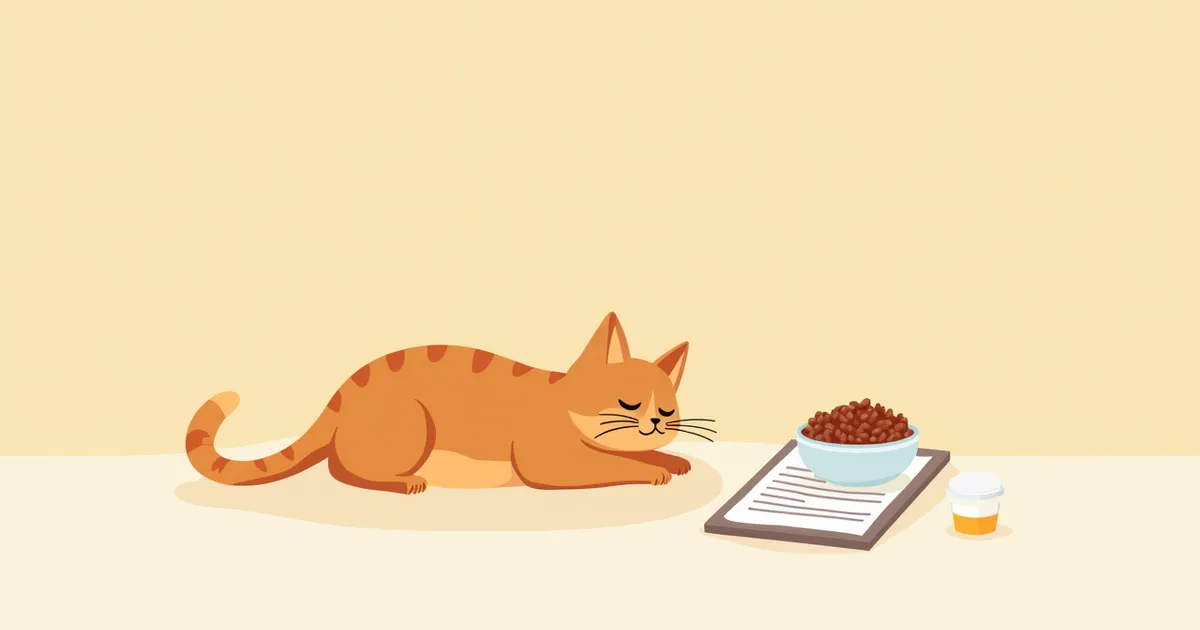
To help your cat accept a prescription diet, a gradual transition is essential. Over about seven days, mix the new food with the old, increasing the proportion of the new food by one-quarter each day. Warming the food slightly with warm water can enhance its aroma and make it more appealing. Feed at consistent times in a quiet environment. Avoid overfeeding; strictly adhere to the daily recommended intake and follow the portion size advised by your veterinarian. Monitor your cat’s response after meals and consult your vet immediately if you notice any unusual symptoms.
A cat enjoying a meal that has been gently warmed.

Reviewed by a veterinarian

Dr. Tony — Punnawat Phongkittirak

Dr. Tony — Punnawat Phongkittirak

Veterinarian

A veterinarian who majored in veterinary medicine at Khon Kaen University, Thailand, and completed the IVSA program at North Carolina State University in the United States. Drawing on clinical experience at animal hospitals, he works in the pet healthcare field and is dedicated to building a digital care environment that connects pet parents with veterinarians.

Frequently Asked Questions

Will feeding a prescription diet cause my cat to gain weight?
Prescription diets are specifically formulated with weight management in mind. Since the calorie content is carefully controlled to prevent excess intake, your pet won’t gain weight as long as you follow the recommended feeding amounts.
Can I give my pet other food if they are on a prescription diet?
Other pet foods and human foods often contain high levels of sodium, which can strain the heart, so it’s best not to give them without veterinary guidance. If you want to offer treats, choose low-sodium options, but always consult your veterinarian to determine the appropriate types and amounts.
Will I see immediate results after starting a prescription diet?
It’s unlikely that a prescription diet alone will cure heart disease or significantly improve heart function in a short period. Instead, the diet works alongside medication to reduce the strain on the heart and help maintain your pet’s quality of life. Therefore, it’s important to consistently feed the prescribed diet under your veterinarian’s guidance and regularly monitor your pet’s condition.
Will my cat dislike prescription food?
Prescription diets are formulated with your cat’s taste preferences in mind. While your cat may be hesitant at first, they will gradually adjust. If needed, your veterinarian can recommend flavor enhancers to help.
How long should I feed my pet a prescription diet?
Heart disease is a chronic condition, so it requires long-term medication as determined by your veterinarian. Regular check-ups are essential to monitor your pet's condition.

Share

Related Guides

References

[1] Freeman, L.M., & Rush, J.E. (2019). Applied Veterinary Clinical Nutrition, 2nd Ed. Wiley-Blackwell.

[2] Oyama, M.A., et al. (2008). Perceptions and priorities of owners of dogs with heart disease. Journal of Veterinary Internal Medicine, 22(3), 581–587.

[3] Mallery, K.F., et al. (1999). Factors contributing to the euthanasia decision in dogs with congestive heart failure. Journal of the American Veterinary Medical Association, 214(10), 1201–1204.

This information is based on veterinary literature and does not replace diagnosis or treatment. Please consult a veterinarian for specific health concerns.

Metapet Co., Ltd. | CEO: Park Sung-yong | Business Reg. No. 417-88-02562 | Seoul, South Korea | Customer Center

7 Best Prescription Diets for Feline Heart Disease | Meongsiljang