Like
Share
멍실장
고양이 고혈압과 신장 질환 관리 추천 BEST와 고르는 기준 총정리

Before Hypertension Damages Your Cat’s Kidneys: The Best 7 Blood Pressure and Kidney Management Tips

KidneyTop PicksMeongsiljang Veterinary Advisory Board

Early detection and management of hypertension and kidney disease in cats are crucial. Here’s a summary of the criteria for selecting effective management products and methods.

Early Management Is Key for Feline Hypertension and Kidney Disease
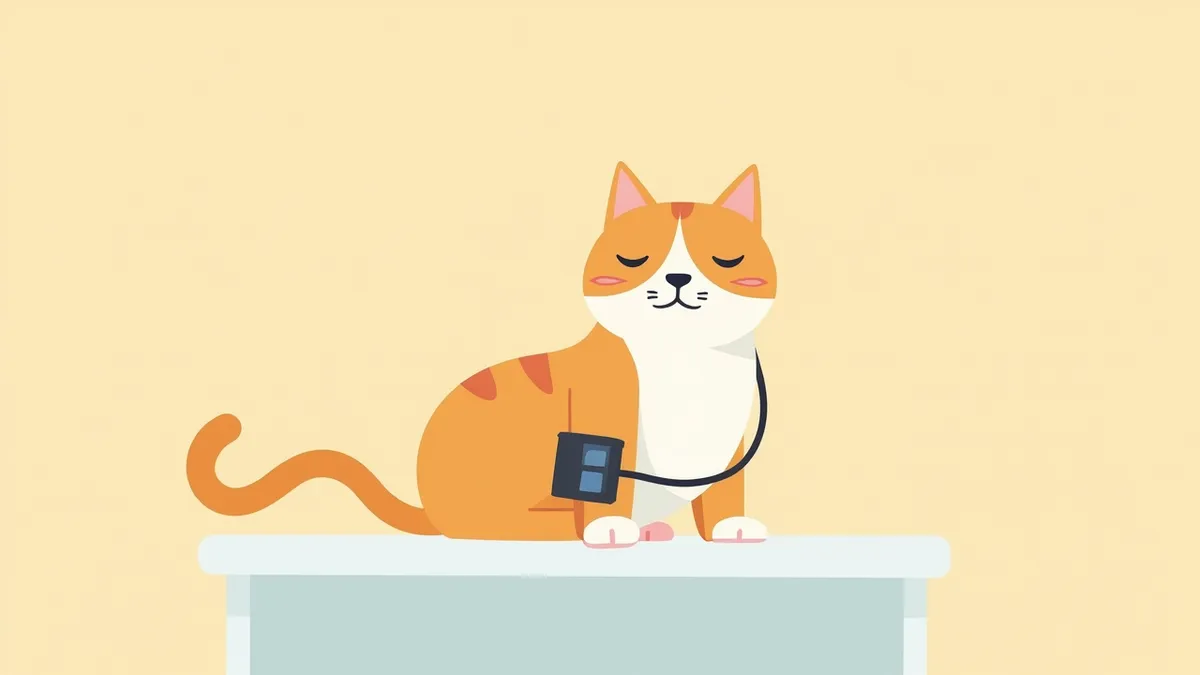
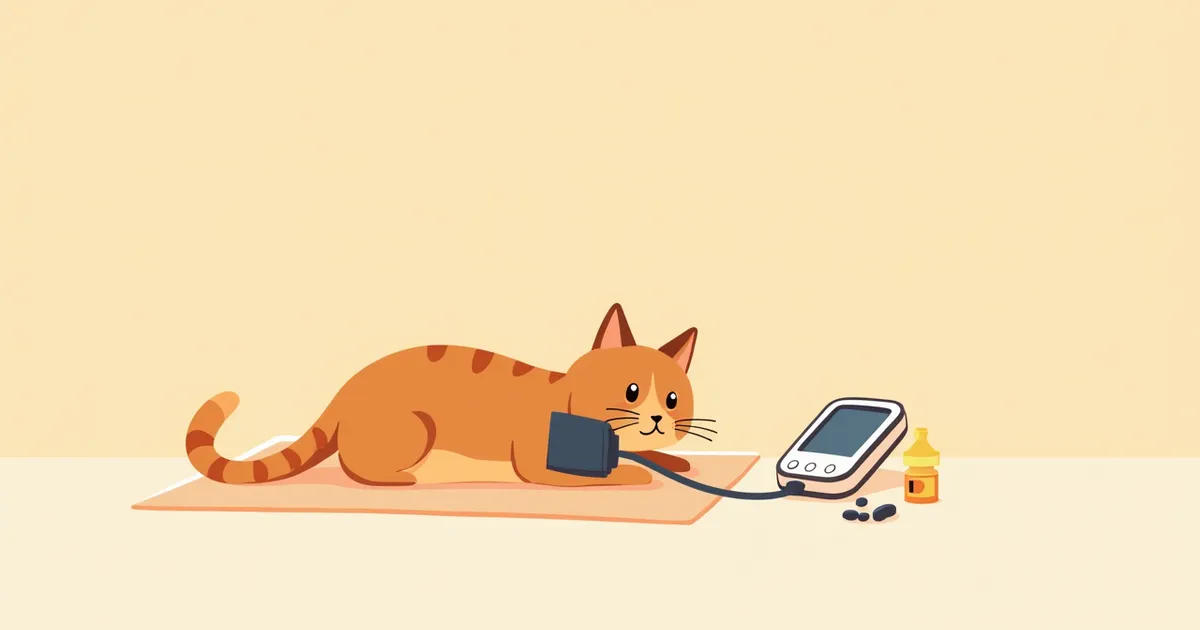
A cat having its blood pressure measured during a routine checkup.
Hypertension and kidney disease in cats often show few early symptoms, making early detection challenging. However, regular check-ups that include blood pressure monitoring and blood and urine tests can help identify issues early on. For cats aged seven years and older, we recommend one to two check-ups per year. Early detection significantly improves treatment outcomes and greatly enhances quality of life. Working with your veterinarian to develop a management plan is essential, as early intervention can greatly extend your cat’s lifespan.

Selection Criteria: Effectiveness, Safety, and Cat-Specific Suitability

When choosing a product to manage feline hypertension and kidney disease, be sure to check three key criteria. - Effectiveness: Look for ingredients shown in veterinary research to support kidney health, such as omega-3 fatty acids and antioxidants like vitamins E and C. However, supplements alone cannot control blood pressure; prescription medication from your veterinarian is required for hypertension treatment. - Safety: The formulation should be gentle enough for long-term use. Cats with compromised kidney function are at risk of hyperkalemia (high blood potassium), so pay special attention to potassium and magnesium content. - Feline Suitability: Choose a form that is easy for your cat to consume, such as capsules, liquids, or treats. A palatable product ensures better compliance. - Ingredient Purity: It is important to select products with high raw material purity and minimal additives. - Ease of Use: Opt for products that are simple to administer and easy to give regularly without the need for special tools.
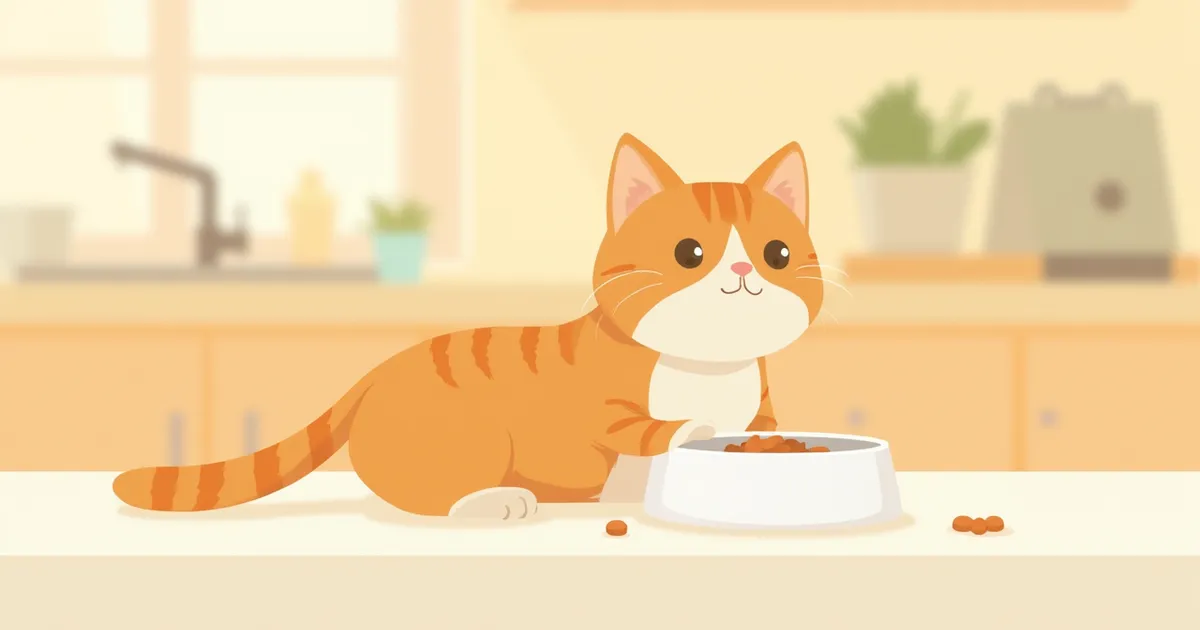
An image showing a liquid supplement and cat food placed together so that the cat can eat well.

BEST 1: Kidney Health Capsule Pro

This capsule supplement is designed to support kidney health, primarily through its omega-3 fatty acid content. Veterinary studies have reported that omega-3 fatty acids may help with kidney management. However, supplements containing potassium and magnesium can cause hyperkalemia in cats with compromised kidney function, so a veterinarian must determine whether to use the product and at what dosage based on test results and body weight. Please also remember that supplements do not replace blood pressure medication, and blood pressure control requires a veterinarian’s prescription. The capsule form makes it easy to administer with water, and for senior cats, it is most meaningful when used alongside regular veterinary check-ups.
An image showing the Renal Health Capsule Pro product in cat-friendly packaging.

BEST 2: Hypertension Management Liquid Supplement
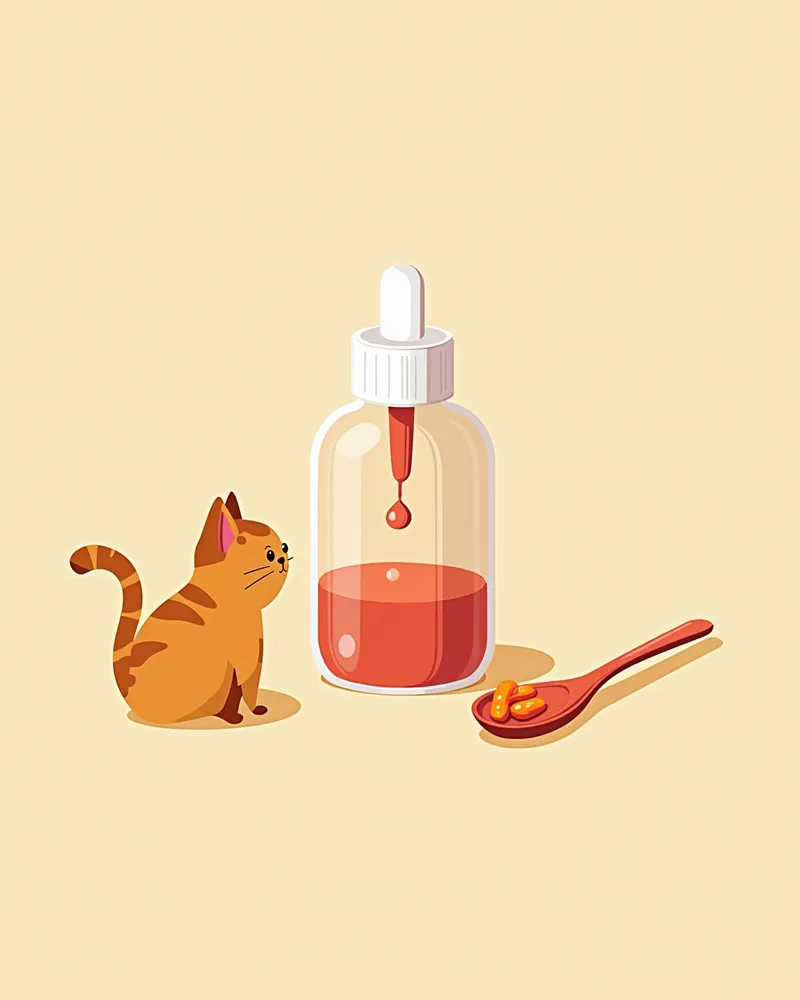
The liquid form makes it easy for cats to consume and convenient to mix into their food. However, even products with high potassium content do not directly lower blood pressure, and they can pose a risk of hyperkalemia in cats with impaired kidney function, so caution is advised. For treating systemic hypertension in cats, veterinarian-prescribed medications such as amlodipine are the primary treatment. Supplements play only a supportive role, so it is important to encourage adequate water intake after administration and to follow the veterinarian’s recommended dosage. To minimize stress during blood pressure measurements, feeding your cat in a quiet environment can be helpful.
An image of a liquid supplement with a flavor that cats will love

BEST 3: Cat-Specific Renal Prescription Diet
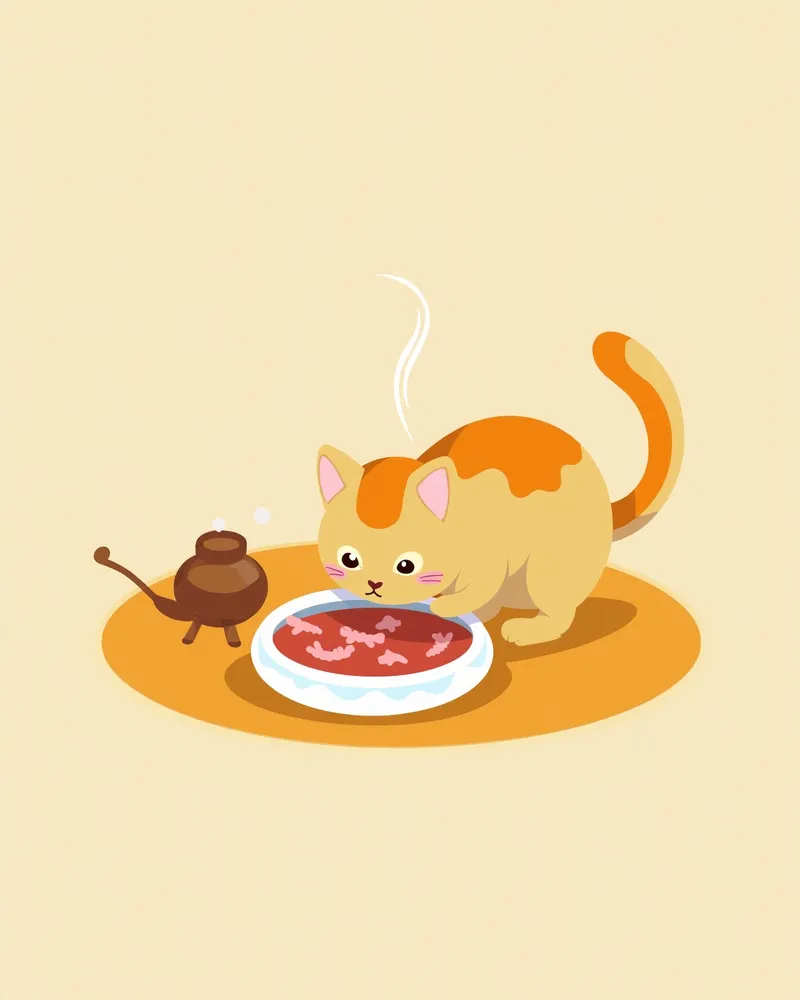
This food is a renal prescription diet formulated with adjusted protein and phosphorus levels to reduce the burden on the kidneys. - Kidney-supporting nutrients: Antioxidants such as omega-3 fatty acids, vitamin E, and vitamin C have been reported to help support kidney health. - Low-phosphorus dietary management: Reducing phosphorus intake through diet can help slow the progression of kidney disease. - Encouraging hydration: For cats with kidney disease experiencing increased thirst and urination, a wet (canned) prescription diet can help increase fluid intake. - Consistent consumption is key: Prescription diets are only effective when cats eat enough to meet their caloric needs, so it’s important to monitor appetite, weight, and muscle mass together. Consult your veterinarian to choose the right food, and combine it with regular check-ups for the best results.
An image showing kidney-specific cat food and water placed together.

Comparison Table of Products BEST 1–3

ItemKidney Health Capsule ProHypertension Management Liquid SupplementCat-Specific Renal Diet Food
Main IngredientsOmega-3, antioxidant components (caution with potassium/magnesium)Contains potassium (caution for hyperkalemia)Low-phosphorus, low-protein prescription diet, omega-3
FormCapsuleLiquidCan/dry
Ease of AdministrationHighVery highModerate
Additional EffectsSupports joint protectionBlood pressure control requires prescription medicationEncourages water intake

Blood pressure is not controlled by supplements alone; adjust the timing and dosage after consulting a veterinarian. Cats with reduced kidney function require particular caution against excessive intake of potassium and magnesium.

Caution: Side Effects May Occur with Overdose

Products high in potassium or magnesium can cause serious side effects if given in excess to cats with impaired kidney function. A veterinarian must determine the appropriate dosage based on your cat’s weight and test results.

Usage Tips: Consistent Administration Habits and Environmental Control Are Important

It’s best to give supplements at the same time every day. After administration, make sure your cat drinks plenty of water. To reduce stress, feeding in a quiet environment can be helpful. Regular check-ups and blood pressure monitoring are also important. Observe your cat’s response and adjust the dosage as needed. Maintain open communication with your veterinarian to regularly review the management plan. Healthy lifestyle habits play a significant role in disease prevention.
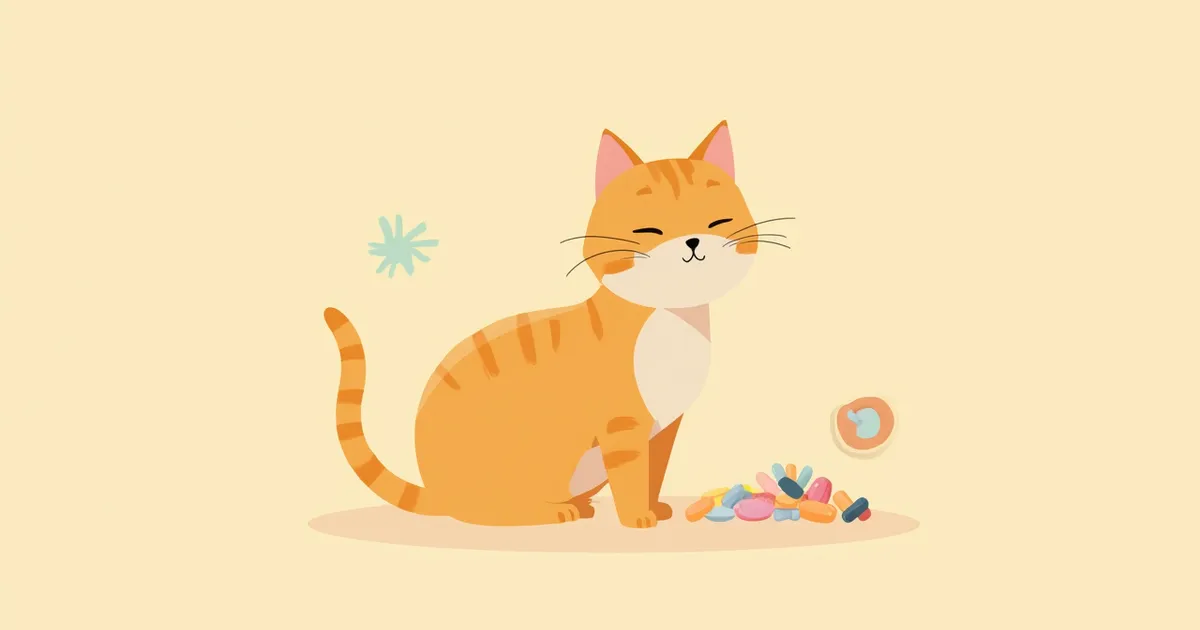
A cat eating a supplement next to a water fountain

Reviewed by a veterinarian

Dr. Tony — Punnawat Phongkittirak

Dr. Tony — Punnawat Phongkittirak

Veterinarian

A veterinarian who majored in veterinary medicine at Khon Kaen University, Thailand, and completed the IVSA program at North Carolina State University in the United States. Drawing on clinical experience at animal hospitals, he works in the pet healthcare field and is dedicated to building a digital care environment that connects pet parents with veterinarians.

Frequently Asked Questions

How can you tell if a cat has high blood pressure and kidney disease?
While typically asymptomatic, symptoms such as excessive thirst, increased urination, weight loss, and lethargy may occur. Early detection is possible through regular check-ups.
When should I start giving the supplement?
For senior cats or those at risk of kidney disease, consider starting supplements alongside regular check-ups after age seven. Always consult your veterinarian for personalized advice.
Is a diet of commercial pet food alone sufficient?
Dietary foods can help with basic care, but combining them with supplements can make management even more effective. Please consult with your veterinarian to decide whether to use them.
Can I stop giving the supplement?
Supplements are intended for long-term use, so don’t stop taking them abruptly. Gradually reduce the dosage under your veterinarian’s guidance.
My cat won’t eat its supplements. What should I do?
You can mix liquid products or supplements into your cat’s food, or coat their favorite treats with the supplement. Follow the method recommended by your veterinarian.

Share

Related Guides

References

[1] Langston, C.E. et al. (2023) Small Animal Critical Care Medicine, 3rd Ed. Elsevier.

[2] The Cat, Clinical Medicine and Management, 2nd Edition (2022). Elsevier.

[3] American Association of Feline Practitioners (AAFP) Guidelines on Chronic Kidney Disease in Cats (2021).

This information is based on veterinary literature and does not replace diagnosis or treatment. Please consult a veterinarian for specific health concerns.

Metapet Co., Ltd. | CEO: Park Sung-yong | Business Reg. No. 417-88-02562 | Seoul, South Korea | Customer Center

Manage Cat Blood Pressure Before Hypertension Harms Kidneys: Top 7 | Meongsiljang