Like
Share
멍실장
고양이 신장 기능 조기 선별(SDMA) 관리 추천 BEST와 고르는 기준 총정리

7 Key Signs for Early Detection of Feline Kidney Disease with SDMA Testing

KidneyTop PicksMeongsiljang Veterinary Advisory Board

Early screening for kidney function in cats using SDMA is a key method for detecting chronic kidney disease in older cats at an early stage. Accurate testing and selecting appropriate management products are essential.

What is Early Screening for Feline Kidney Function (SDMA)?

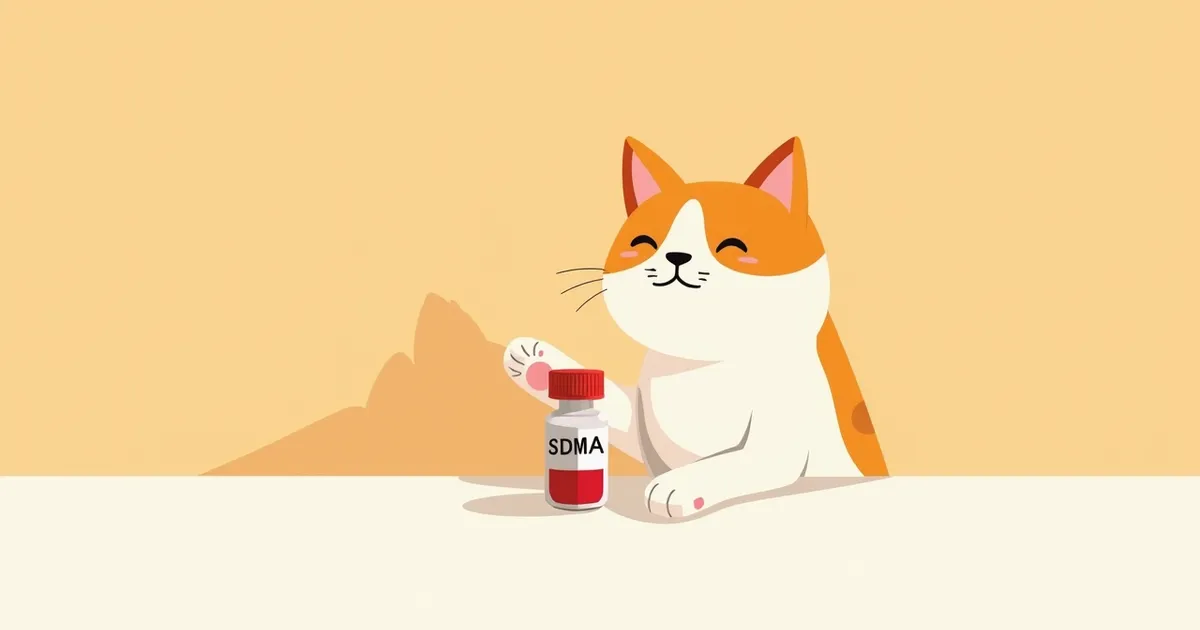
A cat undergoing early screening for kidney function (SDMA) test
The SDMA (Symmetric Dimethylarginine) blood test is a valuable screening tool for early detection of chronic kidney disease in cats. SDMA correlates well with glomerular filtration rate (GFR) and can reflect declines in kidney function earlier than creatinine. According to veterinary textbooks, SDMA levels begin to rise when approximately 40% of kidney function is lost, whereas creatinine levels typically increase only after about 75% of function is lost, making SDMA a more sensitive and reliable indicator. Additionally, SDMA is less influenced by age, body size, and muscle mass, which is another advantage. Feline life stage guidelines recommend considering SDMA alongside creatinine and urinalysis when assessing kidney function. However, because SDMA levels can also increase due to prerenal factors such as dehydration, it is not specific to kidney disease alone. Therefore, the key is to work closely with your veterinarian to interpret the results in the context of other indicators and monitor trends over time for ongoing management.

Selection Criteria: Tips for Choosing a Clinic for Early Screening of Feline Kidney Function (SDMA)
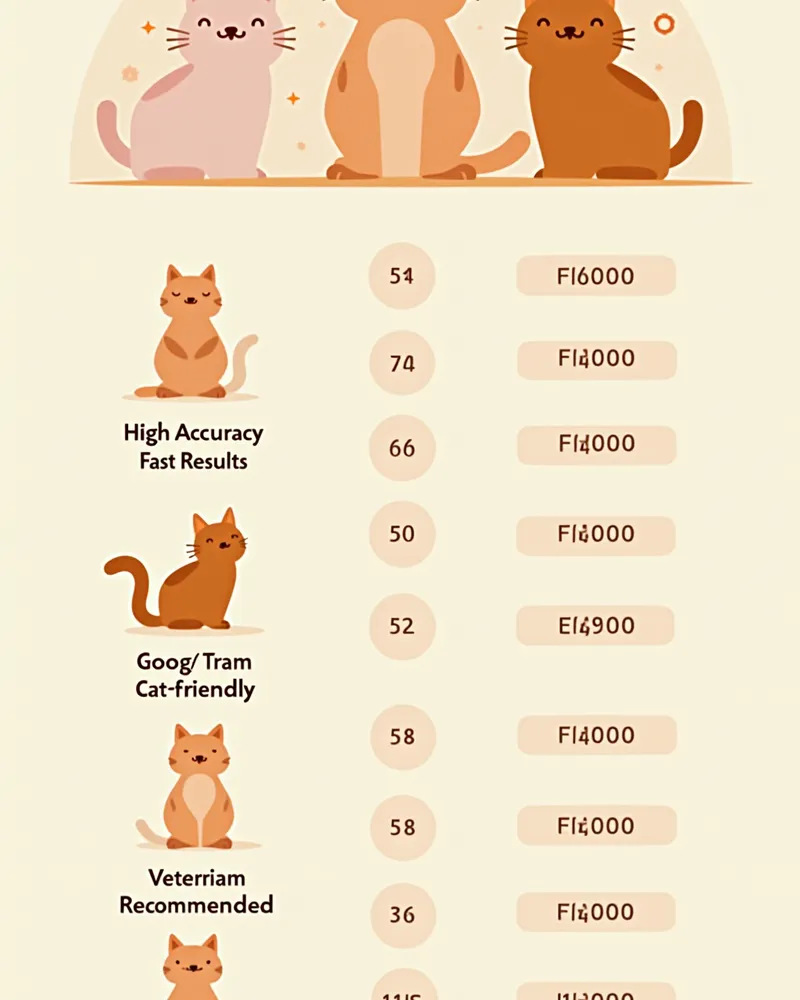
When selecting an early screening test for feline kidney function (SDMA), be sure to check the following criteria to ensure accurate results and a safe testing process.
High-accuracy testing method: Choose products that include SDMA-based testing.
Rapid result delivery: A system that provides same-day results is ideal.
Cat-friendly design: Small-volume blood collection equipment that minimizes stress is essential.
Veterinarian-recommended products: Brands widely used in clinical practice tend to be more reliable.
Cost-effectiveness: The price should be affordable enough for regular screening.
Comparison of criteria for choosing SDMA test products

Check 1: Properly Equipped with SDMA Testing Equipment and Techniques
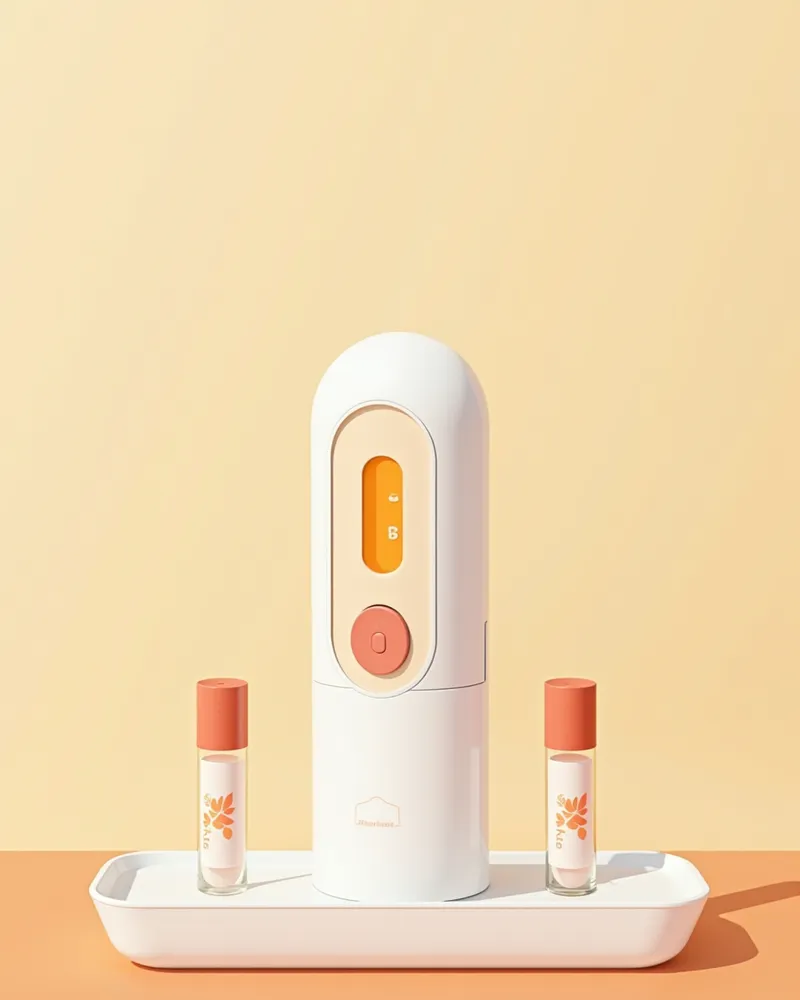
SDMA (symmetric dimethylarginine) is a biomarker that can detect kidney function decline earlier than creatinine. According to textbooks, SDMA levels rise when kidney function has decreased by about 40%, whereas creatinine levels only increase after approximately 75% of kidney function is lost, allowing for earlier detection of changes. To perform this test accurately, a hospital needs appropriate blood analysis equipment and reagents. SDMA can be measured using the laboratory's immunoassay equipment or in-house benchtop analyzers, or it can be sent to an external testing facility. It's a good idea to check before your visit whether the hospital conducts comprehensive kidney panel tests including SDMA in-house or sends them to an external testing facility. The time it takes to receive results may vary depending on the testing method.
We have the proper equipment and testing methods for SDMA tests. See the related guide image.

Check 2: Appropriate Indication Assessment and Testing Operation System

SDMA screening is especially recommended for routine checkups of healthy adult cats, cats suspected of having chronic kidney disease, and animals on long-term nephrotoxic medications. Make sure your vet clinic advises on the appropriate timing for testing based on your cat’s age, underlying conditions, and symptoms. The reliability of results is higher at clinics that follow standardized protocols for fasting requirements, blood collection methods, and sample storage and transport. It’s also important to check whether the clinic provides a plan for ongoing monitoring.
We have a system in place to determine appropriate indications and manage diagnostic testing. Please refer to the accompanying guide image.

Check 3: Robust Veterinarian Interpretation Skills and Result Interpretation/Integrated Care

SDMA levels should not be interpreted in isolation; they must be evaluated comprehensively alongside other kidney indicators such as serum creatinine, BUN, urine specific gravity, and blood pressure. If abnormal results are found, confirm that your veterinarian will explain the need for additional tests (such as ultrasound or quantitative urine protein analysis) and outline a management plan including dietary adjustments and fluid therapy. Diagnosis and treatment decisions must always be made by your attending veterinarian. It is important to choose a clinic that clearly explains the results to you and collaboratively plans follow-up testing schedules.
Veterinarians have strong diagnostic skills and provide thorough result interpretation and follow-up care. Related guide image

Checklist for Selecting a Clinic for Early Screening of Feline Kidney Function (SDMA)

ItemRecommended Criteria
EquipmentCheck whether they have renal panel testing equipment including SDMA
Test OperationBlood collection, sample storage, and transport procedures are standardized
Interpretation CapabilitySDMA is comprehensively interpreted together with other renal markers
Result InterpretationWhen abnormal findings occur, additional testing and management plans are guided in connection
Cost GuidanceCosts per test item and follow-up schedules are explained in advance

This is not a table recommending specific products or hospitals, but criteria to reference when consulting with your veterinarian. Treatment and testing decisions must always be made together with your veterinarian through examination.

Caution: Pre-Test Precautions

Because SDMA levels can appear elevated in dehydrated cats, please do not intentionally restrict water before the test; instead, allow your cat to drink freely as usual. Dehydration or prerenal factors (reduced renal blood flow) can raise SDMA levels even in the absence of intrinsic kidney disease. Additionally, SDMA results may vary slightly between laboratories and analyzers when values are near the reference range, so it is best to evaluate trends alongside other kidney markers rather than relying on a single result. Whenever possible, perform the test in a quiet environment, and always consult your veterinarian for result interpretation. After the test, allow your cat to rest quietly.

Tips for SDMA Testing

For consistent SDMA test results, it’s best to perform the test at the same time each year. For example, scheduling the test the day before your cat’s birthday makes it easier to track changes over time. Keeping a record of the results, like a journal, can be very helpful during consultations with your veterinarian. After the test, giving your cat a treat helps create a positive experience. Additionally, preparing in a quiet environment can help reduce stress before the test.
SDMA test records and the scene of providing cat treats

Reviewed by a veterinarian

Dr. Tony — Punnawat Phongkittirak

Dr. Tony — Punnawat Phongkittirak

Veterinarian

A veterinarian who majored in veterinary medicine at Khon Kaen University, Thailand, and completed the IVSA program at North Carolina State University in the United States. Drawing on clinical experience at animal hospitals, he works in the pet healthcare field and is dedicated to building a digital care environment that connects pet parents with veterinarians.

Frequently Asked Questions

When should SDMA testing begin?
The guidelines for feline life stages recommend considering SDMA alongside creatinine and urinalysis when assessing kidney function. This is especially advisable for middle-aged cats or those at risk of kidney disease, as including it in regular check-ups can be beneficial. The specific testing frequency should be determined in consultation with your veterinarian, based on your cat’s age and overall health status.
Does a high SDMA test result always mean kidney disease?
A high result doesn’t necessarily mean your pet has a disease. It can also be elevated due to pre-renal factors like dehydration, during growth phases, or in certain infections and tumors. Additionally, values near the reference range may vary depending on the laboratory. Therefore, it’s best to consult with your veterinarian and confirm with other kidney indicators, such as creatinine levels and urinalysis.
Is it accurate to test at home?
SDMA is measured using high-performance liquid chromatography, mass spectrometry, or immunoassays on laboratory or in-clinic analyzers. Because results can vary significantly depending on the method and equipment used, accurate at-home testing is difficult. For the most accurate and safe results, it is best to have the test performed and interpreted by a veterinarian at a clinic.
Is the SDMA test painful for cats?
Blood draws can cause a brief moment of discomfort, but the procedure is very short and gentle. Most cats resume their normal behavior immediately after the test.
Is there anything special I need to do after the test?
After the examination, let your cat rest quietly and ensure they have plenty of water. If any unusual symptoms appear, contact your veterinarian immediately.

Share

Related Guides

References

[1] Langston, C.E. et al. (2023) Small Animal Critical Care Medicine, 3rd Edition. Elsevier.

[2] The Cat, Clinical Medicine and Management, 2nd Edition (2022). Wiley-Blackwell.

[3] Veterinary Workbook of Small Animal Clinical Cases (2021). Mosby.

This information is based on veterinary literature and does not replace diagnosis or treatment. Please consult a veterinarian for specific health concerns.

Metapet Co., Ltd. | CEO: Park Sung-yong | Business Reg. No. 417-88-02562 | Seoul, South Korea | Customer Center

7 Key Signs to Detect Feline Kidney Disease Early with SDMA Testing | Meongsiljang