Like
Share
멍실장
강아지 급성 신부전 원인·응급 처치 관리 추천 BEST와 고르는 기준 총정리

7 Emergency Signs and Causes of Acute Kidney Failure in Dogs You Must Not Miss

KidneyTop PicksMeongsiljang Veterinary Advisory Board

Acute kidney failure in dogs is a critical condition marked by a sudden decline in kidney function, with severe complications potentially developing within hours. Depending on the underlying cause, dehydration, toxic injury, and electrolyte imbalances can rapidly worsen.

Acute Kidney Failure in Dogs Is a Rapidly Progressing, Life-Threatening Condition
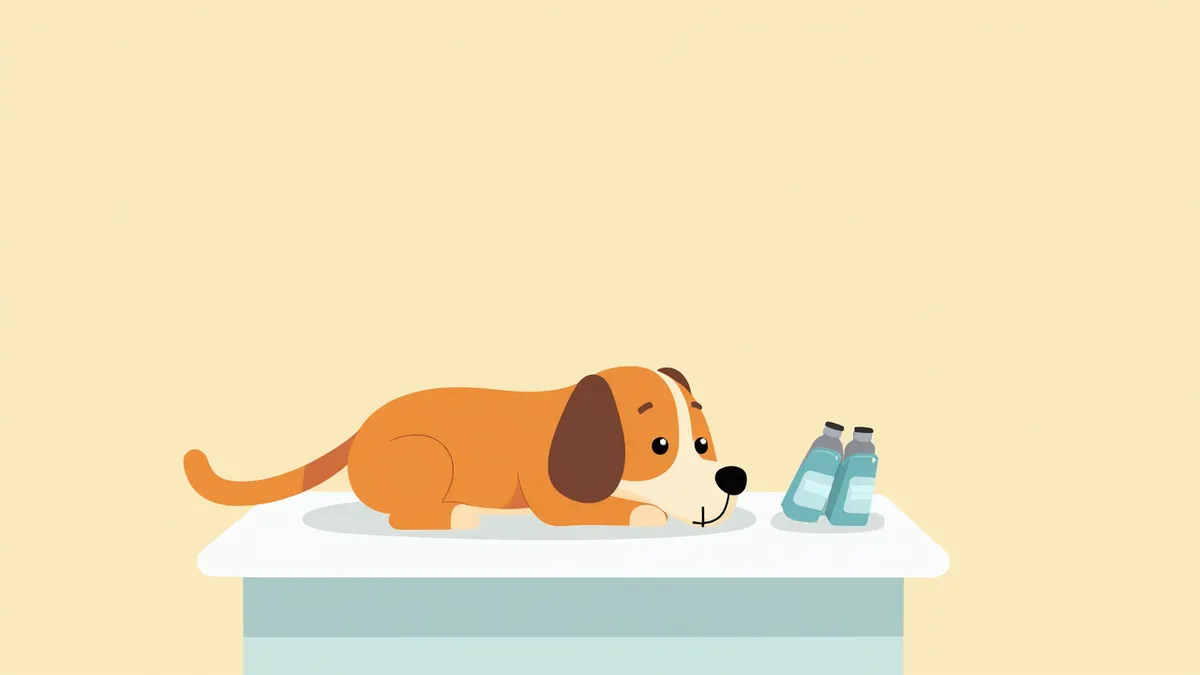
Condition of a dog suspected of having acute kidney failure
Acute kidney failure in dogs is a critical condition marked by a sudden decline in kidney function, with severe complications potentially developing within hours. Depending on the underlying cause, dehydration, toxic injury, and electrolyte imbalances can rapidly worsen. Immediate veterinary care is essential, as delays significantly reduce the chances of recovery. When pet owners understand the causes and initial response measures in advance, it can make a substantial difference in treatment outcomes. Early detection and prompt action are key to saving your dog’s life.

6 Major Causes of Acute Kidney Failure
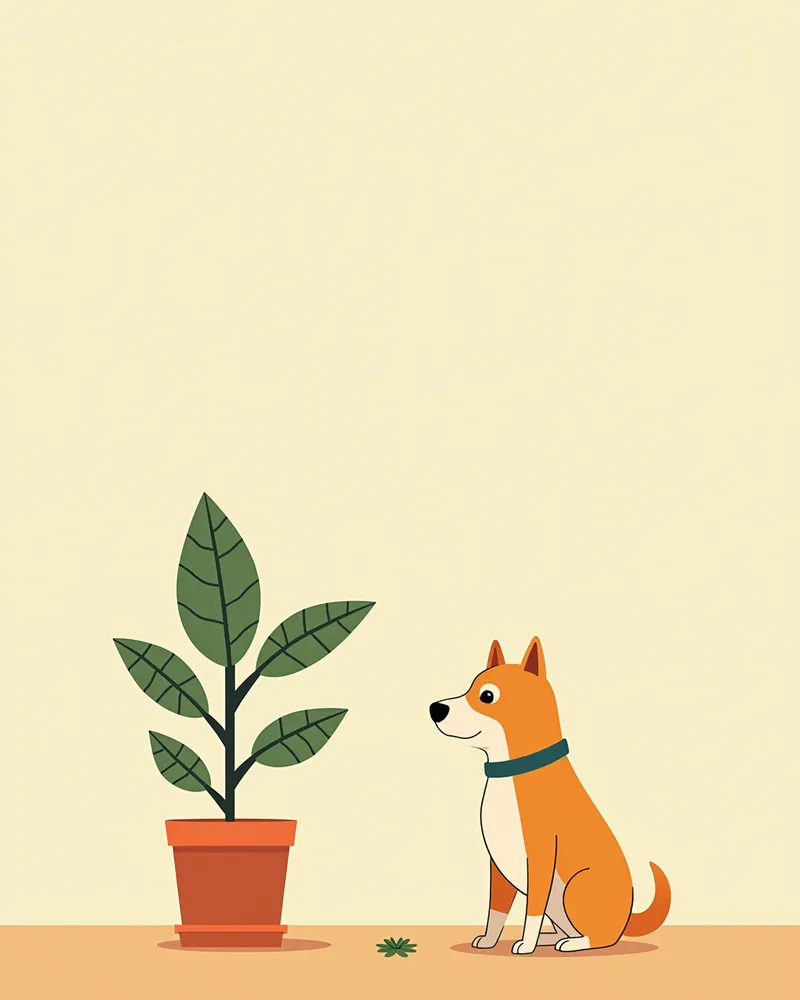
The most common causes of acute kidney failure in dogs are nephrotoxic substances that directly damage the kidneys and infections. Depending on the cause, kidney function can deteriorate rapidly.
Toxic foods: Grapes and raisins are well-known hazardous foods that can cause kidney damage (acute kidney failure) in dogs. It is safest to avoid giving dogs any human food indiscriminately.
Drug overdose: NSAIDs (nonsteroidal anti-inflammatory drugs), certain antibiotics, and chemotherapy agents (such as methotrexate) can cause direct kidney damage.
Antifreeze poisoning: Antifreeze containing ethylene glycol can lead to rapid progression to acute kidney failure, as even a small lick produces metabolites that damage the renal tubules.
Dehydration and reduced blood flow: Severe dehydration, bleeding, or heart problems can reduce blood flow to the kidneys, resulting in kidney damage.
Infectious diseases: Infections such as leptospirosis can cause inflammation and damage to the kidneys.
Urinary tract obstruction: If urine cannot be properly excreted, pressure builds up in the kidneys, leading to impaired function.
Examples of plants that are dangerous for dogs

5 Early Signs of Acute Kidney Failure

Early detection is key to improving survival rates for dogs experiencing acute kidney failure. Please watch closely for the following signs:
Loss of appetite: Your dog may suddenly refuse food or eat very little.
Repeated vomiting: Vomiting may occur several times a day and, in severe cases, may contain blood.
Decreased or absent urination: Urine output may drop sharply or stop completely.
Fatigue and signs of shock: Your dog may become lethargic, experience muscle tremors, or develop bluish lips.
Difficulty breathing: Breathing may become rapid and labored, with noticeable chest movement.
Early signs of acute kidney failure in puppies

Emergency Signs Requiring Immediate Veterinary Visit

If your pet stops urinating entirely, or experiences severe vomiting and a significant drop in consciousness (lethargy or coma), you need to get them to a vet immediately. Acute kidney failure accompanied by anuria (no urine production) or oliguria (severely reduced urine output) carries a poorer prognosis and a higher risk of death, so it is crucial not to delay and seek emergency veterinary care right away.

Key Point 1: Rapid Treatment Is Crucial for Acute Kidney Failure

Acute kidney failure is a condition in which kidney function suddenly and severely declines. If detected and treated promptly, recovery is possible, but delays can be dangerous. Causes include ingestion of toxic substances (such as human medications, antifreeze, grapes, or raisins), severe dehydration or reduced blood flow, urinary tract obstruction, and infections. Symptoms may include sudden lethargy, vomiting, decreased or increased urine output, and loss of appetite. Because timely intervention based on the underlying cause significantly impacts the outcome, it is crucial to seek veterinary care immediately if you suspect acute kidney failure.
Acute kidney failure requires prompt treatment. Please refer to the related guide image.

Key Point 2: Know the Emergency Signs, Veterinary Treatment, and Prevention
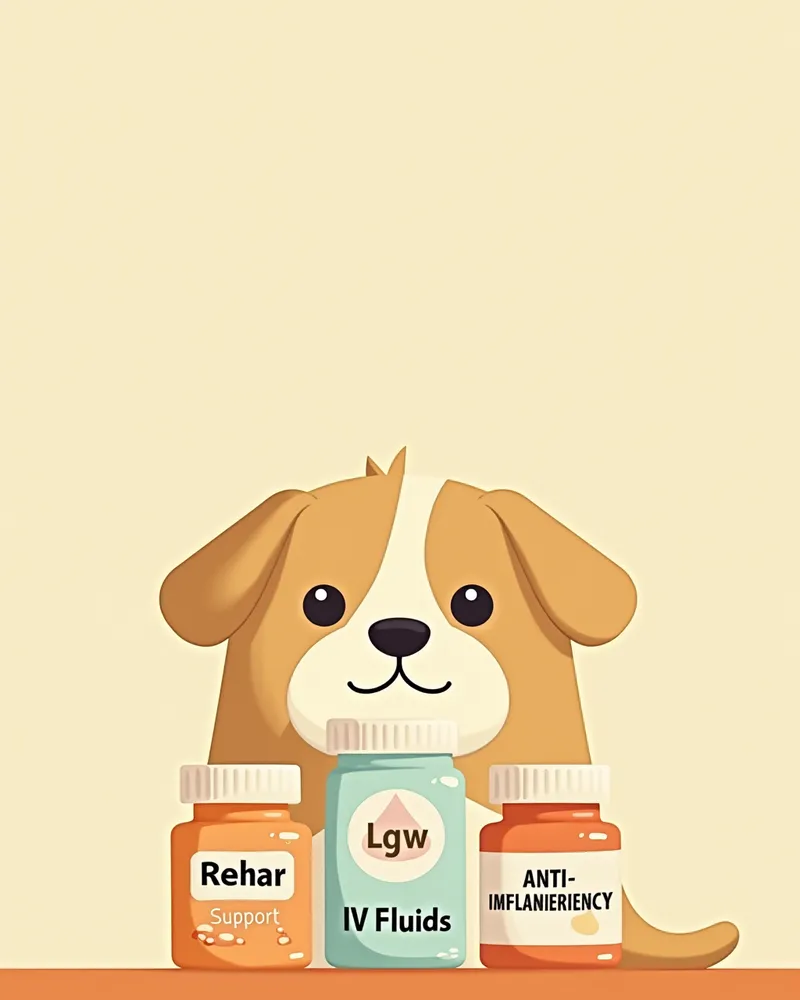
If your pet suddenly produces little to no urine, vomits repeatedly, or becomes severely lethargic, seek veterinary care immediately. If you suspect exposure to a toxic substance, write down what and when they ingested and share this information with your vet. Acute kidney failure typically requires hospitalization for treatment, which includes intravenous fluid therapy to support the kidneys, removal of the underlying cause, and correction of electrolyte imbalances. To prevent this condition, keep your pet away from hazardous substances such as human medications, grapes, raisins, and antifreeze, ensure they drink plenty of water, and continue monitoring their kidney values even after recovery.
Learn about emergency signs, hospital treatments, and prevention — related guide image

What Pet Owners Should Know About Acute Kidney Failure

ItemKey Points
UrgencySudden decline in kidney function; prompt treatment determines recovery
Common CausesToxic substances (human medications, antifreeze, grapes, raisins), urinary obstruction, dehydration
Emergency SignsGo to the clinic immediately if there is decreased/absent urination, repeated vomiting, or severe lethargy
Clinical TreatmentInpatient fluid therapy, removal of the cause, electrolyte correction
PreventionBlock hazardous substances, ensure water intake, and monitor kidney values after recovery

This is not a table recommending specific products or clinics, but a reference for when you consult your veterinarian. Treatment and testing decisions must always be made together with your veterinarian through an examination.

Precautions and Contraindications for Use

Never give your dog any supplements without your veterinarian’s guidance. This is especially important for dogs with compromised kidney function, as excessive intake can place a significant burden on their kidneys. Additionally, supplements may interact with prescription medications, so it’s crucial to avoid combining them without professional advice.

5 Management Points Pet Owners Must Know

Careful management by the pet owner is crucial during the recovery phase after acute kidney injury. Please adhere strictly to the following guidelines:
Hydration Management: Ensure fresh water is always available. If vomiting occurs, do not force-feed; instead, consult your veterinarian.
Dietary Management: Do not independently prescribe a high-protein, low-salt diet. Instead, offer small, frequent meals of the renal prescription diet recommended by your veterinarian.
Activity Restriction: Limit activities such as walking during the initial recovery period and allow for ample rest.
Regular Check-ups: Attend regular veterinary visits for blood and urine tests to monitor kidney function and electrolyte levels, particularly potassium.
Medication Adherence: Use notes or alarms to track medication schedules and ensure no doses are missed.
Management during the recovery phase of acute kidney failure

Reviewed by a veterinarian

Dr. Tony — Punnawat Phongkittirak

Dr. Tony — Punnawat Phongkittirak

Veterinarian

A veterinarian who majored in veterinary medicine at Khon Kaen University, Thailand, and completed the IVSA program at North Carolina State University in the United States. Drawing on clinical experience at animal hospitals, he works in the pet healthcare field and is dedicated to building a digital care environment that connects pet parents with veterinarians.

Frequently Asked Questions

Can acute kidney failure be cured?
The outcome varies significantly depending on the cause and severity. While prompt treatment can lead to recovery, the mortality rate is not low (reported at approximately 45% in dogs), and even among those who recover, many develop chronic kidney disease, requiring ongoing management.
Which plants are the most dangerous?
When it comes to acute kidney failure in dogs, you should be especially cautious about foods like grapes and raisins, as well as antifreeze (ethylene glycol) and human medications, particularly nonsteroidal anti-inflammatory drugs. If you suspect your dog has ingested any of these, immediately note down what was consumed, how much, and when, then contact your veterinarian right away.
What should I do if my pet keeps vomiting?
If vomiting occurs two or more times, seek veterinary care immediately, as dehydration and electrolyte imbalances can develop rapidly.
How should I manage my pet’s daily routine after recovery?
Even after recovery, it’s important to continue regular check-ups, follow the diet recommended by your veterinarian, and avoid sudden stress. Long-term care is essential.
How can I prevent it?
Keep grapes, raisins, antifreeze, and human medications out of your dog’s reach. Also, always provide plenty of fresh water and regularly check your pet’s overall health.

Share

Related Guides

References

[1] Plumb's Veterinary Drug Handbook, 9th ed. 2021. Wiley-Blackwell.

[2] Notes on Canine Internal Medicine, 4th Ed. 2018. Elsevier.

[3] Clinical Medicine of the Dog and Cat, 4th Ed. 2020. Elsevier.

This information is based on veterinary literature and does not replace diagnosis or treatment. Please consult a veterinarian for specific health concerns.

Metapet Co., Ltd. | CEO: Park Sung-yong | Business Reg. No. 417-88-02562 | Seoul, South Korea | Customer Center

7 Emergency Signs & Causes of Acute Kidney Failure in Dogs | Meongsiljang