Like
Share
멍실장
강아지 급성 신부전(AKI) 관리 추천 BEST와 고르는 기준 총정리

7 Best AKI Management Products for Dogs Recommended by Veterinarians — Criteria for Meeting the Golden Hour

KidneyTop PicksMeongsiljang Veterinary Advisory Board

Acute kidney injury (AKI) in dogs can be life-threatening due to a sudden decline in kidney function, making early intervention essential. Here’s a summary of effective management products and the criteria for choosing them.

Acute Kidney Injury (AKI) in Dogs Is a Critical Condition Characterized by a Rapid Decline in Kidney Function
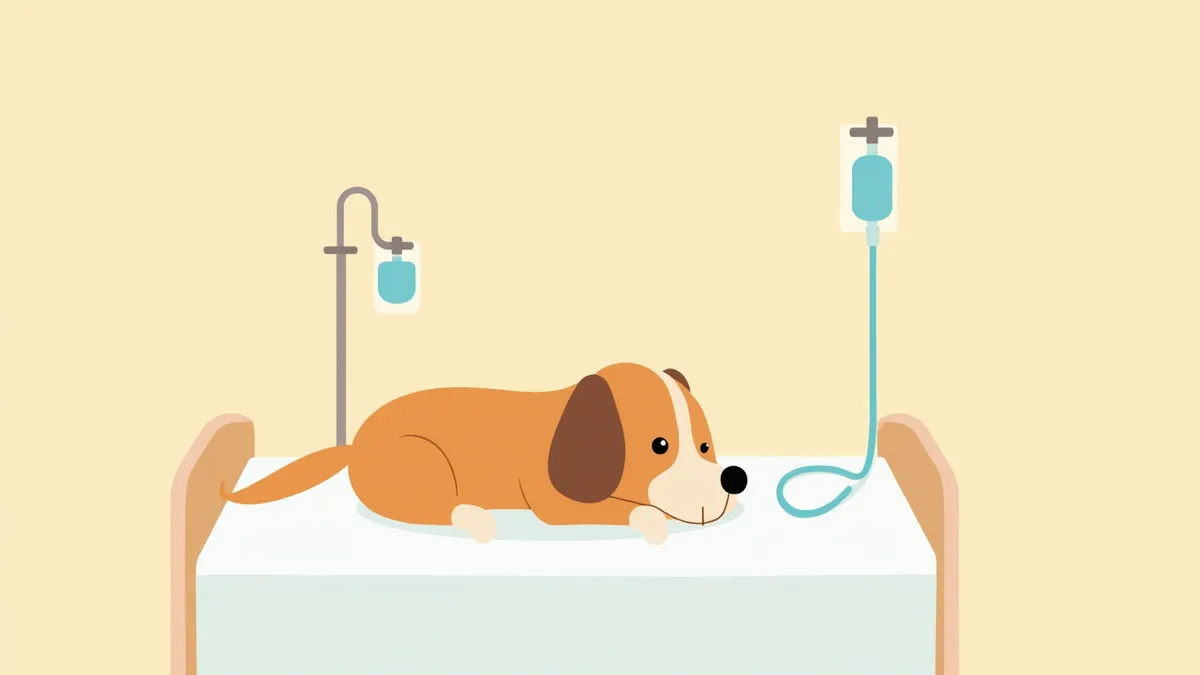
A puppy undergoing treatment for acute kidney failure
Acute kidney injury (AKI) in dogs is a condition characterized by a rapid decline in kidney function over hours to days, commonly caused by reduced blood flow to the kidneys (such as from severe dehydration or shock), ingestion of toxic substances, or infections. Because this condition can be life-threatening, early detection and immediate veterinary treatment are essential. Pet owners should be vigilant for early signs, including loss of appetite, vomiting, dehydration, and changes in urine output (either decreased or increased). The sooner the underlying cause is addressed and treatment begins, the better the chances of recovery, so do not delay a visit to the clinic. Accurate diagnosis and a tailored treatment plan from a veterinarian are crucial for restoring kidney function.

Understanding Acute Kidney Injury (AKI)

- Emergency fluid therapy is essential: Hospitalization for intravenous fluids to restore and maintain kidney blood flow, along with close monitoring of urine output, is the cornerstone of treatment. - Addressing the underlying cause is critical: Identifying and promptly removing triggers such as toxins, infections, or urinary obstructions significantly improves the chances of recovery. - Balancing electrolytes and acid-base levels: It is vital to correct imbalances, such as elevated potassium and phosphorus levels or acidosis. - Nutritional support: Appropriate nutritional assistance can aid recovery, so dietary adjustments should be made under veterinary guidance. - Avoid nephrotoxic substances: Medications that stress the kidneys, such as NSAIDs (nonsteroidal anti-inflammatory drugs) and aminoglycoside antibiotics, should be avoided. - Always consult a veterinarian: Using products or medications at home without professional advice can place additional strain on the kidneys; following a veterinarian’s diagnosis and instructions is the safest approach.
Kidney-support dog food

Understanding 1: What Is Acute Kidney Injury?

Acute kidney injury (AKI) is a condition in which kidney function drops suddenly over a short period, distinguishing it from chronic kidney disease, which progresses gradually. Causes can include ingestion of toxic substances, severe dehydration or reduced blood flow, urinary tract obstruction, and infections. Your pet may show sudden lethargy, vomiting, changes in urine output (either decreased or increased), and loss of appetite. Unlike chronic kidney disease, AKI can be reversible if the underlying cause is identified and treated promptly, making early recognition and veterinary care essential.
What is acute kidney failure? (See the related guide image.)

Understanding 2: Early Diagnosis and Treatment Are Key
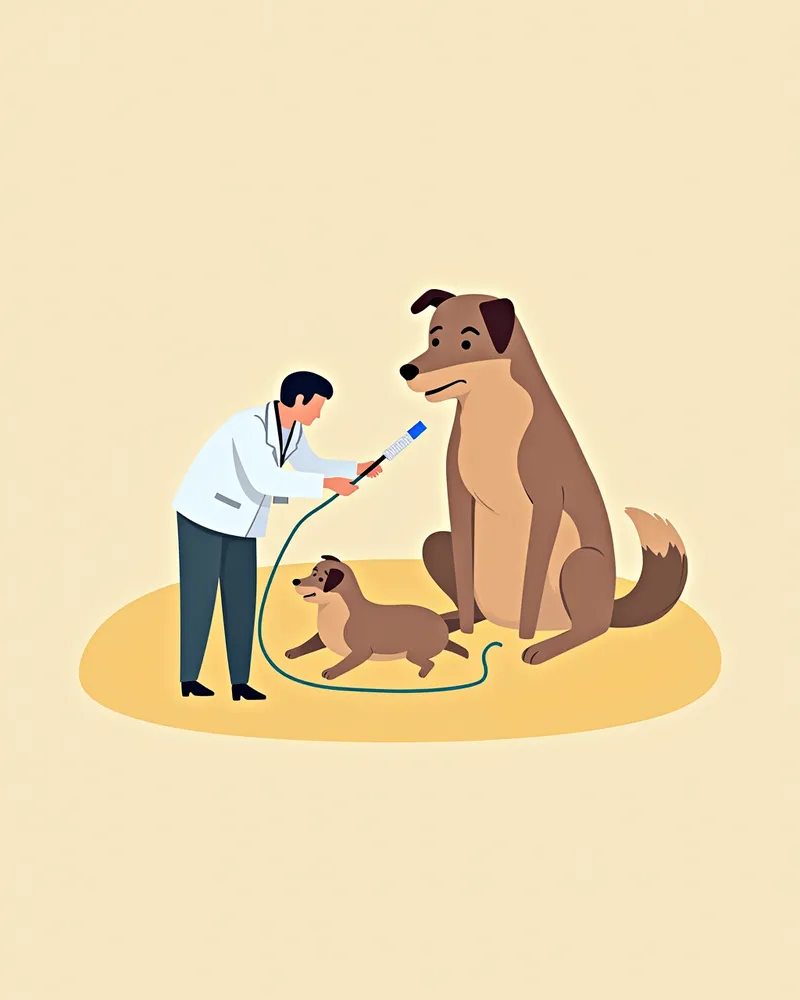
If acute kidney failure is suspected, blood and urine tests are performed to check kidney function markers and electrolyte levels, while an ultrasound examines the kidneys and urinary tract to identify the underlying cause. Treatment typically involves hospitalization for intravenous fluid therapy to support kidney function, address the root cause, and correct electrolyte and acid-base imbalances. Monitoring urine output is also crucial. Because delayed diagnosis can make recovery difficult, seeking veterinary care promptly at the first sign of symptoms is essential for a better outcome.
The sooner you get a diagnosis and start treatment, the better.

Understanding 3: Recovery Care and Prevention
Even after successfully navigating a crisis with treatment, the kidneys may not fully recover, leaving some residual impairment. Therefore, it is important to monitor kidney values during the recovery period. For prevention, keep your pet away from hazardous substances such as human medications, toxic plants, and antifreeze, ensure they stay well-hydrated, and take measures to protect their kidneys during other illnesses or anesthesia. If you suspect exposure to any toxic substance, consult your veterinarian immediately, even if no symptoms are present.
Learn about recovery care and prevention. See the related guide image.

Key Points to Know About Acute Kidney Injury (AKI)

ItemKey Points
DefinitionKidney function suddenly declines (unlike chronic, there is a possibility of recovery)
CausesToxic substances, severe dehydration, reduced blood flow, urinary obstruction, infection
Diagnosis & TreatmentIdentify the cause with blood, urine, and ultrasound tests; inpatient fluid therapy and removal of the cause
Early ResponseSee a vet without delay when symptoms are suspected; the faster, the more favorable for recovery
Prevention & Follow-upBlock toxic substances, ensure water intake, and monitor kidney values after recovery

This is not a table recommending specific products or clinics, but a reference for when you consult your veterinarian. Treatment and testing decisions must always be made together with your veterinarian through an examination.

Caution: Immediate Veterinary Visit Is Required for Acute Kidney Injury

If your dog suddenly loses its appetite, vomits, becomes dehydrated, or produces less urine, acute kidney failure should be suspected. Visit a veterinary clinic immediately for diagnostic tests and treatment. Delaying care significantly increases the risk of death.

Tips for Managing Acute Kidney Injury in Dogs

- Encourage water intake by placing water bowls in multiple locations and refreshing the water two to three times daily. - Adjust diet by transitioning to the food recommended by your veterinarian. - Monitor urine output by recording the daily volume and color. - Schedule regular check-ups, including kidney function tests every one to two weeks, even after recovery. - Minimize stress by allowing your pet to rest comfortably in a quiet environment. - Manage medication administration by following your veterinarian’s instructions for precise dosage and timing. - Keep detailed records of symptom changes and medication responses, as this diary-style tracking aids in treatment.
Observing your dog's urine and tracking water intake

Reviewed by a veterinarian

Dr. Tony — Punnawat Phongkittirak

Dr. Tony — Punnawat Phongkittirak

Veterinarian

A veterinarian who majored in veterinary medicine at Khon Kaen University, Thailand, and completed the IVSA program at North Carolina State University in the United States. Drawing on clinical experience at animal hospitals, he works in the pet healthcare field and is dedicated to building a digital care environment that connects pet parents with veterinarians.

Frequently Asked Questions

Can acute kidney failure in dogs be cured?
If the underlying cause is identified and treated promptly, some dogs do recover. However, the mortality rate for acute kidney failure is high, at approximately 50% (about 45% in dogs). Additionally, many dogs that do recover retain only partial kidney function, which can progress to chronic kidney disease, necessitating long-term management even after recovery.
Is it okay to use kidney-support products at home?
Using the product without a veterinarian's guidance can actually put extra strain on the kidneys. Please be sure to use it only after receiving a diagnosis at a veterinary clinic.
How likely is it for acute kidney failure to recur?
While it’s difficult to pinpoint the exact likelihood of recurrence, it’s known that about 60% of dogs who recover don’t regain full kidney function, leaving them with chronic kidney disease. That’s why regular check-ups and proper dietary management remain essential even after recovery.
What are the main causes of acute kidney failure?
Severe dehydration and reduced blood flow that impair kidney perfusion, ingestion of toxic substances (such as grapes, raisins, or ethylene glycol, an antifreeze component), infections, and nephrotoxic medications like NSAIDs are the main causes. In particular, toxic substances and infections are common culprits.
My dog is urinating less than usual. Should I take him to the vet?
If your pet is urinating less than once or twice a day, it’s important to visit the vet right away. This could be a significant sign of declining kidney function.

Share

Related Guides

References

[1] Notes on Canine Internal Medicine, 4th Ed, 2020

[2] Urinalysis in the Dog and Cat, 2019

[3] Clinical Medicine of the Dog and Cat, 4th Ed, 2021

This information is based on veterinary literature and does not replace diagnosis or treatment. Please consult a veterinarian for specific health concerns.

Metapet Co., Ltd. | CEO: Park Sung-yong | Business Reg. No. 417-88-02562 | Seoul, South Korea | Customer Center

7 Vet-Recommended AKI Management Products for Dogs | Meongsiljang