
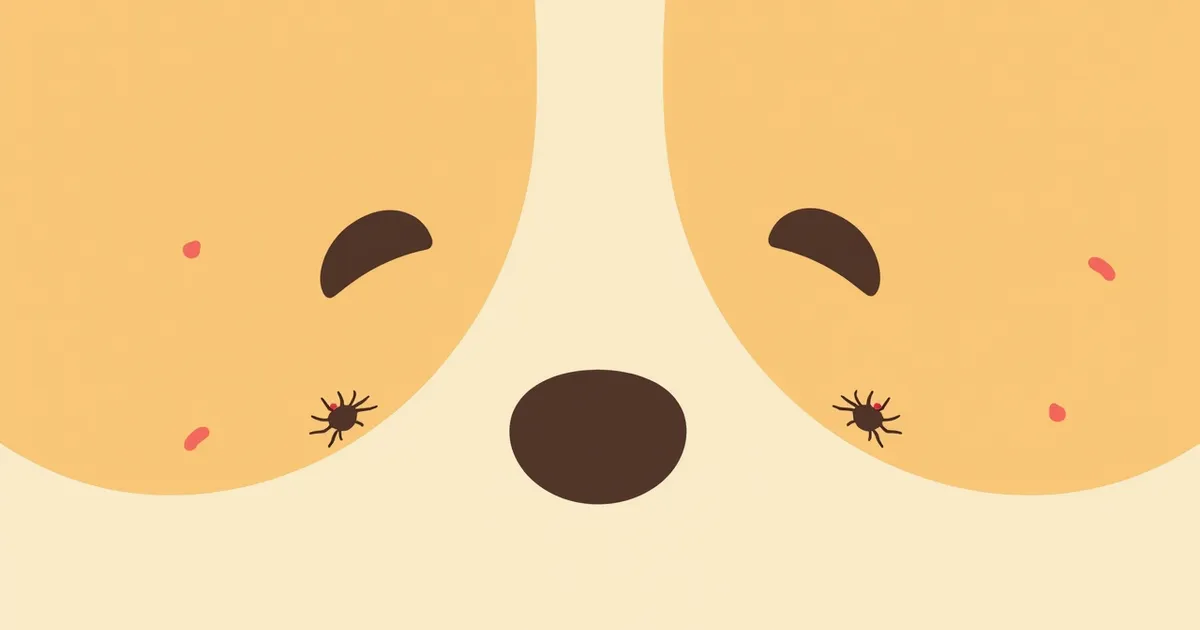
Top Recommended Products for Managing Dog Lice (Affecting All Four Paws) and Selection Criteria
Dog lice (affecting all four paws) are highly contagious parasites that cause hair loss and itching. We’ve compiled a guide to effective management products and how to choose the right one.
Dog Lice (Affecting All Four Paws) Infection is a Highly Contagious Parasitic Disease

Know This: Managing Dog Lice (Affecting All Four Paws) Infection
Know This 1: What is the Condition and How Urgent is It?

Know This 2: Diagnosis and Treatment Options

Know This 3: Management, Precautions, and Preventing Reinfestation
Dog Lice (Affecting All Four Paws) Infection: What Owners Should Know
| Item | Key Points |
|---|---|
| Symptoms | Severe itching, dandruff, hair loss, scabs (ears, elbows, ankles) |
| Cause | The mange mite (Sarcoptes scabiei var. canis) burrows into and parasitizes the skin |
| Diagnosis | Confirmed by microscopic examination of a skin scraping; a negative result does not rule it out |
| Treatment | Use veterinarian-prescribed external antiparasitics (selamectin, moxidectin, isoxazoline, etc.) |
| Management | Wash and disinfect bedding and combs, treat cohabiting dogs together, restrict contact during the first 2 weeks of treatment |
This is not a table recommending specific products or clinics, but a reference to consult with your veterinarian. Treatment and testing decisions must always be made together with your veterinarian through an examination.
Caution: Separate from Other Dogs Due to High Contagiousness
When managing mite infections in dogs, it’s just as important to clean the environment as it is to treat your dog. Mites can survive off the host for up to three weeks, depending on environmental conditions, and may remain on items like beds, cushions, and brushes, leading to reinfection. Washing: Wash your dog’s bedding and cushions in hot water. Cleaning: Vacuum thoroughly throughout your home, and dispose of the vacuum bag or canister contents immediately after cleaning. Disinfecting: Disinfect hard surfaces and other areas where mites may survive using an appropriate disinfectant. Ongoing Management: Because the mite life cycle lasts approximately 2–3 weeks (14–21 days), repeated treatments may be necessary under your veterinarian’s guidance. Limit contact with other dogs during the first two weeks of treatment. Without proper environmental management, the risk of reinfection increases significantly.
Usage Tip: Environmental Cleaning is Essential for Maximum Efficacy

Reviewed by a veterinarian

Dr. Tony — Punnawat Phongkittirak
VeterinarianA veterinarian who majored in veterinary medicine at Khon Kaen University, Thailand, and completed the IVSA program at North Carolina State University in the United States. Drawing on clinical experience at animal hospitals, he works in the pet healthcare field and is dedicated to building a digital care environment that connects pet parents with veterinarians.
Reviewed 2026-06-29
Frequently Asked Questions
Can a dog's ringworm infection be transmitted to humans?
Can this product be used on puppies?
What happens if my dog licks the area after using the spray?
How can I prevent reinfection?
Does this product work against other parasites as well?
Share
Related Guides

5 Flea and Tick Preventives for Cats Recommended by Veterinarians — Ingredient Safety Comparison

The Ultimate Guide to Differentiating Symptoms, Managing Internal Parasites in Dogs, and Choosing the Best Products

Best Practices and Selection Criteria for Dog Heartworm Antigen Testing
7 Early Tumor Screening Tests for Dogs Recommended by Veterinarians — Including Selection Criteria

7 Key Points for Nutritional Support in Dogs with Cancer, Selected by Veterinarians
7 Warning Signs and Management Points for Canine Brain Tumors Not to Miss, According to Veterinarians

7 Checkpoints for Dog Adrenal Tumors Compiled by Veterinarians — From Diagnosis to Treatment

7 Key Points for Differential Diagnosis of Abdominal Tumors in Dogs, Explained by Veterinarians

7 Key Facts About Feline Tumor Prognosis and Survival Time Explained by Veterinarians

6 Feline Tumor Immunotherapies Veterinarians Are Watching and Selection Criteria
References
[1] Hill PB, Auxilia ST, Munro E et al. (2000) Resolution of skin lesions and long-term survival in a dog with suppurative dermatitis due to lice infestation. Veterinary Dermatology, 11(3), 145-150.
[2] Braun U, Hafner M, Schöllhorn M et al. (2017) Canine lice infestations: A review of diagnosis, treatment, and prevention. Veterinary Parasitology, 245, 1-10.
[3] Plumb's Veterinary Drug Handbook, 9th Edition. (2022). Wiley-Blackwell. Chapter on parasiticides and topical treatments for ectoparasites.