Like
Share
멍실장
2026 강아지 설사 유산균 추천 TOP 5 — 급성·만성 설사별 균주

Top 5 Probiotics for Puppy Diarrhea in 2026 — Strains for Acute vs. Chronic Diarrhea

DigestiveTop PicksMeongsiljang Veterinary Advisory Board

We’ve compared five probiotic products that can help with puppy diarrhea, breaking them down by acute vs. chronic diarrhea types and by specific strains. To help pet owners choose the right product for their situation, we’ve clearly outlined each strain’s benefits and important precautions.

What Are Probiotics for Puppy Diarrhea? How Do They Work for Acute and Chronic Cases?
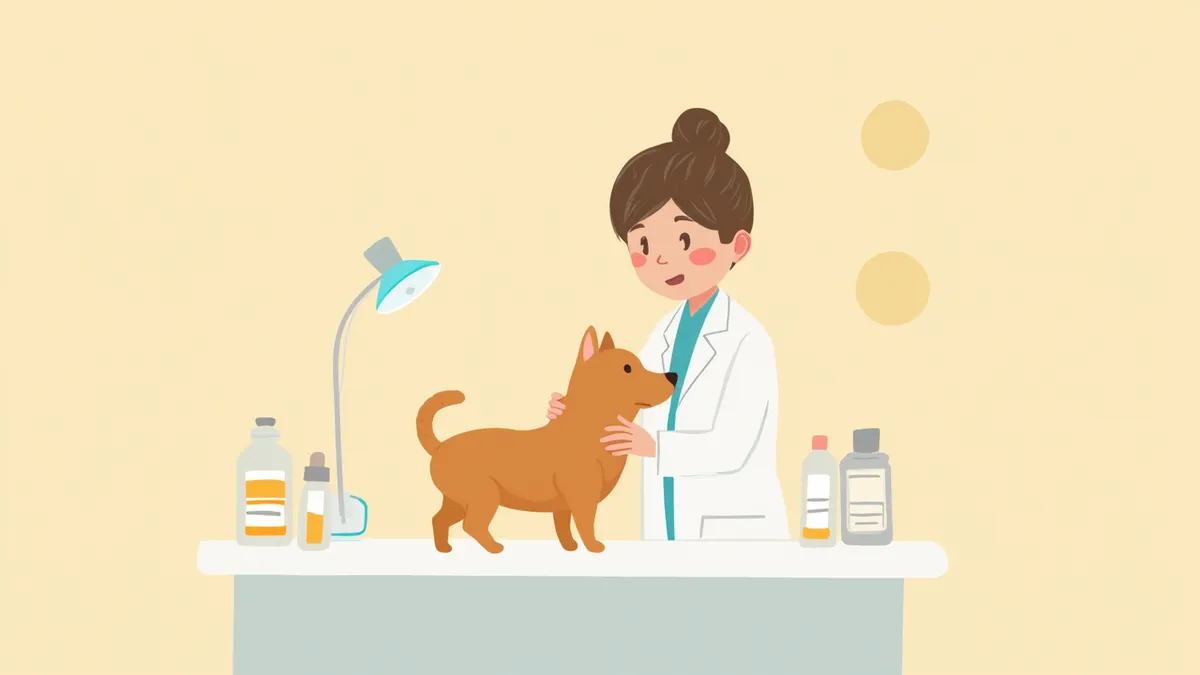
A veterinarian examining a puppy and recommending probiotics.
Probiotics for dogs with diarrhea are live microbial supplements that help restore the balance of beneficial gut bacteria to aid in recovery. The most critical factor is strain selection. For acute diarrhea, choose strains with documented efficacy in shortening recovery time; for chronic diarrhea, opt for multi-strain combinations that restore gut microbial diversity. However, probiotics are only a supportive measure. If diarrhea persists for more than 24 hours or if you notice blood in the stool, please seek veterinary care first.

Why Should You Give Probiotics During Diarrhea?

When dogs experience diarrhea, the intestinal lining can become damaged, and beneficial bacteria may be lost along with it, disrupting the balance of gut microbes (intestinal dysbiosis). According to veterinary textbooks, probiotics have been reported to help regulate intestinal mucosal immunity, maintain the homeostasis of intestinal epithelial cells, block the effects of pathogenic bacteria, and provide nutritional benefits. Actual studies have shown that probiotics can reduce the duration of acute diarrhea in shelter cats, shorten the time it takes for dogs with acute enteritis to return to normal stool consistency, and accelerate clinical score improvement and fecal microbiota recovery in dogs with hemorrhagic diarrhea syndrome (AHDS). However, evidence supporting clinically significant effects on the gastrointestinal tracts of dogs and cats is still limited, so effectiveness varies by strain, and you should never give human probiotics to pets without veterinary guidance.

When to See a Vet Before Giving Probiotics

If you notice any of the following signs, hold off on giving probiotics and seek veterinary care immediately: - Blood in stool or black, tarry stools: Possible gastrointestinal bleeding - Diarrhea lasting more than 24 hours: Risk of dehydration - Recurrent vomiting: Suspected pancreatitis or foreign body ingestion - Lethargy and complete loss of appetite: Signs of systemic illness - Puppies under two months old: Dehydration and hypoglycemia can progress rapidly. Veterinary treatment takes priority; probiotics may be used as a supportive aid during recovery.

TOP 1. Enterococcus faecium SF68 Single Strain — First Choice for Acute Diarrhea

Enterococcus faecium SF68 is a representative single-strain probiotic sold for gastrointestinal issues in dogs and cats, often in microencapsulated formulations. Textbooks note that preliminary clinical data suggest the SF68 strain may have potential therapeutic effects for both acute and chronic gastrointestinal diseases. It is used as a supportive measure for temporary diarrhea caused by acute episodes, environmental changes, or travel stress. It is typically administered for short periods; when given alongside antibiotics, the probiotic strain may be affected, so it is best to follow your veterinarian’s advice and space out the administration times. As a single-strain product, its composition is relatively simple, and multi-strain products may be more suitable for chronic intestinal issues.
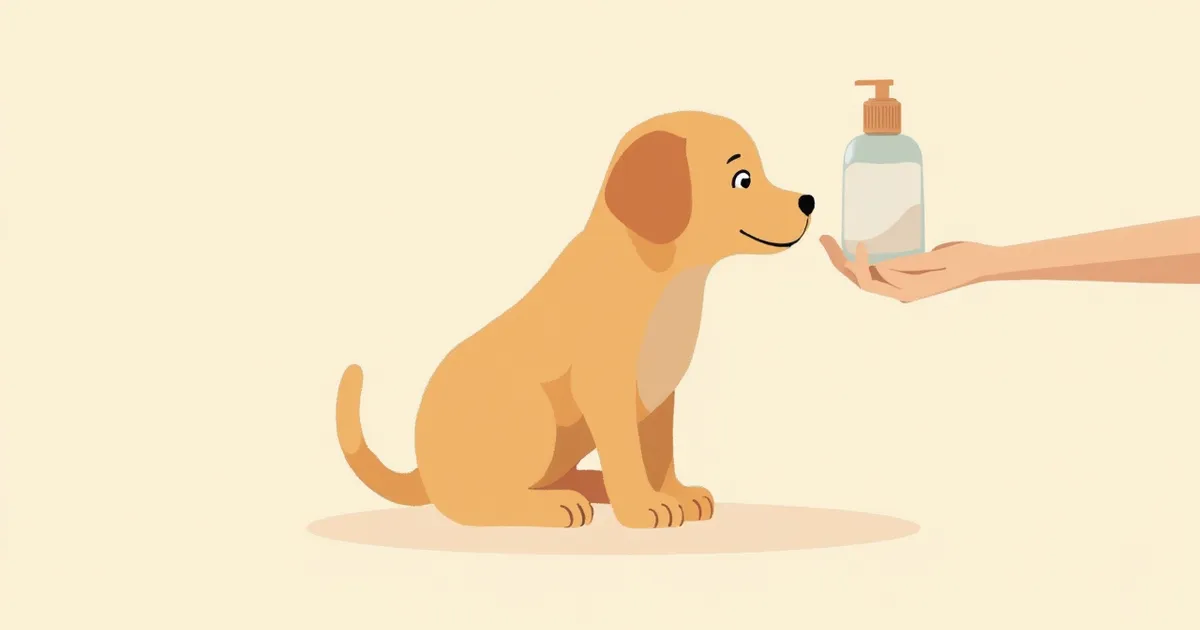
Image of a single-strain probiotic capsule placed in front of a puppy

TOP 2. Multi-Strain Synbiotic (Probiotics + Prebiotics) — For Chronic Diarrhea and Recurrent Gut Issues

This product belongs to the multi-strain synbiotic family, combining probiotics and prebiotics in high concentrations. Veterinary textbooks suggest that when intestinal dysbiosis is suspected in cases of chronic enteropathy, high-concentration multi-strain probiotics (approximately 100 to 400 billion CFU per day) can be trialed. Adding prebiotics such as FOS and inulin may help regulate the small intestinal microbiota. Responses are typically observed within two weeks; if effective, it is recommended to continue administration for at least two more weeks after symptom improvement, ensuring a consistent course of four weeks or longer. However, since successful reports of these formulations for chronic diarrhea are limited, a comprehensive approach incorporating dietary management is essential.

TOP 3. Saccharomyces boulardii Yeast Strain — For Antibiotic-Associated Diarrhea

Saccharomyces boulardii is a yeast strain, not a bacterium. Since antibiotics target bacteria but do not directly affect yeast, this probiotic is sometimes used alongside antibiotic treatment to help manage antibiotic-associated diarrhea. However, clinical evidence supporting the clear efficacy of probiotics in dogs and cats is limited, and there is insufficient direct evidence confirming the gastrointestinal benefits of this specific yeast strain. Therefore, it is safer to view it as a supportive measure rather than expecting definitive results. Extra caution is advised for patients at higher risk of infection, such as those undergoing immunosuppressive therapy or with indwelling catheters. Always consult your veterinarian before deciding whether to use this supplement.

At-a-Glance Comparison of the Top 5 Probiotics

ItemMain strainRecommended situationDuration of use
TOP 1 Single strainE. faecium SF68Acute/stress-induced diarrhea7–14 days
TOP 2 Multi-strain synbioticLactobacillus + Bifido + FOSChronic diarrhea / recurrent loose stools4 weeks or more
TOP 3 Yeast strainS. boulardiiAntibiotic-associated diarrheaDuration of antibiotic use
TOP 4 Strain paired with GI prescription dietL. acidophilus DSM 13241Diet transition / sensitive gut2–4 weeks
TOP 5 Low-irritation powder for puppies/senior dogsBifidobacterium animalis AHC7Loose stools in puppies/senior dogs2–4 weeks

It's important to check the label down to the 'scientific name + strain number.'

TOP 4. L. acidophilus Strain for Use with Gastrointestinal Prescription Diets

These are probiotic strains, such as L. acidophilus DSM 13241, specifically designed by major pet food companies to be used alongside gastrointestinal prescription diets. They are often recommended for dogs during diet transitions, while undergoing food allergy testing, or for those with sensitive gastrointestinal tracts. However, studies have shown that the improvement in clinical symptoms is primarily due to the dietary change itself, and there is no clear evidence of additional benefits from adding probiotics. In other words, switching to a prescription diet is the key to stabilizing stool consistency, while probiotics play a supportive role. Many prescription diets already contain prebiotics, and it is important to gradually transition to the new food over 7 to 10 days by mixing it with the old diet.
A scene of a dog's meal with prescription food and probiotic powder placed together.

TOP 5. Low-Irritation Powder Probiotics for Puppies and Senior Dogs

Strains like Bifidobacterium animalis AHC7 are often recommended for puppies and senior dogs with soft stools or during the transition to solid food. The powder form is easy to sprinkle over kibble, making it suitable for small breeds and young dogs that have difficulty swallowing capsules. However, since diarrhea in puppies is frequently caused by infectious agents such as parvovirus, coronavirus, or parasites, it is essential to perform a fecal test before administering probiotics.

Key Probiotic Strains for Puppies

Safe

Enterococcus faecium SF68

급성 설사·환경 스트레스성 설사 회복

Dosage: 체중·제품 라벨 기준

Bybee 2011 보호소 임상

Safe

Lactobacillus acidophilus

장 점막 면역 조절·정착성 우수

Dosage: 라벨 기준

수의내과학 교과서

Safe

Bifidobacterium animalis AHC7

자견·노령견 무른 변 안정

Dosage: 분말 1포/일

사료 회사 임상자료

Caution

Saccharomyces boulardii

항생제 동반 설사·클로스트리듐 보조

Dosage: 수의사 처방

면역억제 환자 사용 주의

4 Things to Check When Choosing Probiotics

- Pet-specific products: Probiotics formulated for humans may not contain the right strains or dosages for dogs. - Strain identification: The label should list not just “probiotics,” but also the scientific name and strain number (e.g., SF68). - CFU guarantee: Products that guarantee the number of live bacteria through the expiration date are more reliable. - Refrigeration requirements: Some strains require refrigeration, so always check the storage instructions.

Reviewed by a veterinarian

Dr. Tony — Punnawat Phongkittirak

Dr. Tony — Punnawat Phongkittirak

Veterinarian

A veterinarian who majored in veterinary medicine at Khon Kaen University, Thailand, and completed the IVSA program at North Carolina State University in the United States. Drawing on clinical experience at animal hospitals, he works in the pet healthcare field and is dedicated to building a digital care environment that connects pet parents with veterinarians.

Frequently Asked Questions

Can I give my dog probiotics meant for humans?
We don’t recommend it. Many human probiotics contain strains that aren’t suitable for dogs’ digestive systems, and some can’t survive the acidic environment of a dog’s stomach. It’s best to choose products made by reputable pharmaceutical or pet food companies that have clinical data supporting their use in pets.
How long should I give probiotics for them to be effective?
For acute diarrhea, administer the treatment consistently for 7–14 days; for chronic diarrhea or irritable bowel syndrome, continue for at least four weeks to properly assess any changes. While a response is typically seen within two weeks, if stool consistency remains unchanged after more than two weeks of consistent administration, other underlying causes should be considered, and a veterinary examination is necessary.
Can I give probiotics alongside antibiotics?
When used together, the administration method may vary depending on the strain type and the antibiotic. Bacterial strains can be affected by antibiotics, so they are often given with a time gap between doses. In contrast, the yeast strain S. boulardii is known to be unaffected by antibiotics. For safety, consult your veterinarian to determine the appropriate dosing interval and whether concurrent use is suitable.
I gave my pet probiotics, but their stool has become even looser. Why is that happening?
A temporary change in stool during the first 1–3 days may simply reflect the rebalancing of gut microbiota. However, if loose stools or vomiting persist for more than three days, the strain may be unsuitable or another underlying cause may be present; in such cases, discontinue use and consult your veterinarian.
Will diarrhea completely resolve if I just make sure to give probiotics?
Not exactly. Probiotics are a supportive measure, and clinical evidence for their effectiveness in dogs and cats remains limited. A comprehensive approach is necessary, including dietary management, adequate hydration, deworming, and prescription diets. For chronic diarrhea, identifying the underlying cause must always be the first priority.

Share

Related Guides

References

[1] Schulz RM et al., Clinical Medicine of the Dog and Cat, 4th Edition, Chapter 9 Digestive Diseases — Use of probiotics in acute or chronic enteritis, 2024

[2] Little SE, The Cat Clinical Medicine and Management, 2nd Edition — Prebiotics and Probiotics in GI Disease, 2024

[3] Bybee SN, Scorza AV, Lappin MR. Effect of the probiotic Enterococcus faecium SF68 on presence of diarrhea in cats and dogs housed in an animal shelter. J Vet Intern Med. 2011;25(4):856-860

[4] Hart ML, Suchodolski JS, Steiner JM, et al. Open-label trial of a multi-strain synbiotic in dogs with chronic enteropathy

[5] Ziese AL et al., Effect of probiotic treatment on the clinical course, intestinal microbiome, and toxigenic Clostridium perfringens in dogs with acute hemorrhagic diarrhea (AHDS), 2018

This information is based on veterinary literature and does not replace diagnosis or treatment. Please consult a veterinarian for specific health concerns.

Metapet Co., Ltd. | CEO: Park Sung-yong | Business Reg. No. 417-88-02562 | Seoul, South Korea | Customer Center

Top 5 Probiotics for Puppy Diarrhea 2026: Acute vs Chronic | Meongsiljang