
Like
Share
멍실장
강아지가 수의사의 검진을 받는 모습, 치과 마취 전 준비 단계

7 Safety Management Tips for Canine Anesthesia-Assisted Dental Procedures from Veterinarians

Oral HealthTop PicksMeongsiljang Veterinary Advisory Board

While anesthesia for dental procedures in dogs can carry risks, it can be performed safely with proper preparation and care. Here’s a clear overview of our top recommendations and key criteria to help ensure your dog’s safety.

Safety Management for Canine Anesthesia-Assisted Dental Procedures is Essential
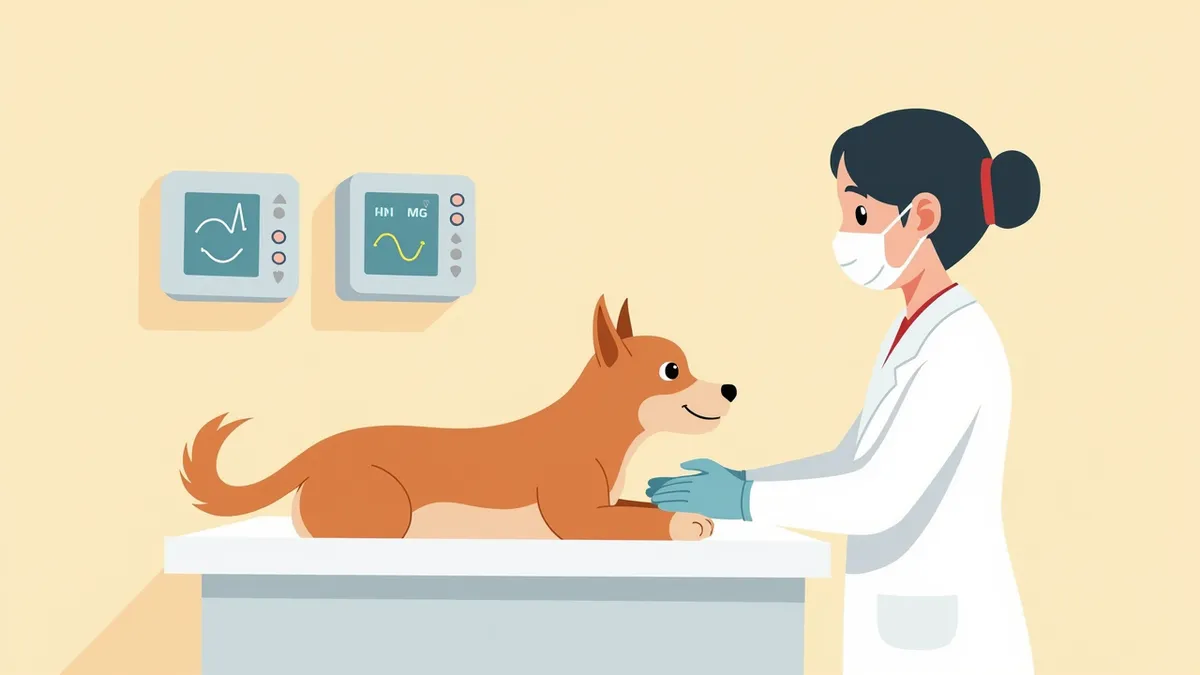
A veterinarian monitoring a dog’s vital signs during anesthesia
Because anesthesia for canine dental procedures involves general anesthesia, safety management is crucial. - Pre-anesthetic testing is essential: A physical examination and blood tests are conducted to check for underlying conditions or dehydration, with additional assessments such as cardiac evaluation performed as needed based on the dog’s condition. - Veterinary expertise: The procedure should be performed by a veterinarian with extensive experience in anesthesia and dental care. - Monitoring system: Vital signs including heart rate, respiration, oxygen saturation, blood pressure, and body temperature are continuously monitored throughout the anesthesia. - Anesthetic drug selection: Medications are chosen based on the dog’s age, weight, and overall health status. - Recovery environment: After anesthesia, the dog should rest in a quiet, warm space. Contact the clinic immediately if any abnormal symptoms appear.

Note: Points to Check Before Anesthesia-Assisted Dental Procedures

To ensure the safety of anesthesia for your dog’s dental treatment, be sure to verify the following criteria. These elements are essential for guaranteeing safe anesthesia. The veterinarian’s expertise and the condition of the equipment are also important factors to consider.
Pre-anesthetic examinations are mandatory: Conduct a physical examination and blood tests (such as complete blood count and biochemistry panels) to assess overall health status, and perform additional tests like cardiac evaluation if necessary.
Appropriate selection of anesthetic drugs: Use medications tailored to the dog’s weight, age, and underlying medical conditions.
Continuous monitoring: Monitor heart rate, blood pressure, oxygen saturation, respiration, and body temperature in real time.
Regular checks: Frequently assess the patient’s condition during both the anesthetic procedure and the recovery period.
Preparedness for acute reactions: Ensure that emergency equipment and medications are on hand to manage acute events such as cardiac arrest or respiratory distress.
Preparing emergency response equipment and medications for anesthesia-assisted dental procedures

Note 1: Why Anesthesia is Necessary for Dental Procedures

Dental procedures such as scaling and extractions require meticulous cleaning of the gums and tooth roots, which necessitates general anesthesia. Methods that only scrape visible tartar without anesthesia can miss tartar buildup below the gumline and root-related diseases, while performing these procedures on an awake animal increases the risk of pain and accidents. Anesthesia is essential for ensuring accurate and safe treatment, so it’s best to understand the limitations of non-anesthetized procedures and consult with your veterinarian to make an informed decision.
Observing a puppy recovering from anesthesia under the care of a veterinarian

Note 2: Reducing Risks Through Pre-Anesthetic Evaluation

Anesthesia safety begins with a thorough pre-anesthetic evaluation. Blood tests are used to check liver and kidney function, as well as for anemia, while heart and respiratory conditions, advanced age, and underlying health issues are assessed to develop a tailored anesthesia plan. Dogs often experience higher levels of stress, requiring extra careful preparation. A clinic that conducts meticulous pre-anesthetic testing and adjusts the anesthesia protocol based on your dog’s individual condition is a safer choice. Don’t hesitate to ask in advance about what evaluations they perform.
A veterinary technician monitoring the dog’s vital signs in real time during anesthesia

Note 3: Factors Enhancing Safety and Recovery Management

Anesthesia safety is significantly enhanced by continuous monitoring of heart rate, respiration, oxygen saturation, and body temperature, along with dedicated staff overseeing the procedure. Maintaining blood pressure through intravenous fluids and providing attentive care during recovery until the patient is fully awake and stable are also essential. You can feel more at ease by confirming that the clinic has these monitoring and recovery protocols in place and by thoroughly discussing the benefits and risks of anesthesia with your veterinarian before proceeding.
A veterinarian explaining post-anesthesia care to a pet owner

Anesthesia-Assisted Dental Procedures: What Owners Should Know

ItemKey Points
Reason for AnesthesiaGeneral anesthesia is needed to treat accurately and safely down into the gums and roots
Limits of Non-Anesthetic CleaningOnly surface tartar is removed, missing subgingival disease and posing accident risk
Pre-Anesthetic EvaluationEstablish an anesthesia plan through blood tests and cardiac and senior-risk assessments
Safety FactorsMonitoring of heart rate, respiration, oxygen, and temperature, plus dedicated staff, fluids, and recovery care
ConsultationDecide by thoroughly discussing the benefits and risks of anesthesia with your veterinarian

This is not a table recommending specific products or clinics, but a reference for when you consult your veterinarian. Always make treatment and testing decisions together with your veterinarian through an examination.

Warning: Never Skip Pre-Anesthetic Tests

Before performing anesthesia-assisted dental procedures on dogs, it is essential to evaluate their overall health through a physical examination and blood tests. Depending on the dog’s condition, additional assessments such as cardiac evaluation may be necessary. Dogs with underlying medical conditions face a significantly increased risk of anesthesia-related complications. Proceeding with anesthesia without proper pre-anesthetic evaluation can lead to serious adverse outcomes. Please discuss thoroughly with your veterinarian and review the test results before making a decision.

Tip: Strictly Follow Post-Anesthesia Recovery Management
After anesthesia, your dog will need time to recover. During this period, keep them in a quiet, warm environment to rest. Offer food and water only when your veterinarian advises, and do so gradually; feeding too soon can pose a risk of aspiration. Avoid excessive movement or play, and follow your veterinarian’s instructions for care. If you notice any abnormal symptoms such as vomiting, lethargy, or difficulty breathing, contact your clinic immediately. Always adhere to your veterinarian’s guidance and closely monitor your dog’s recovery.
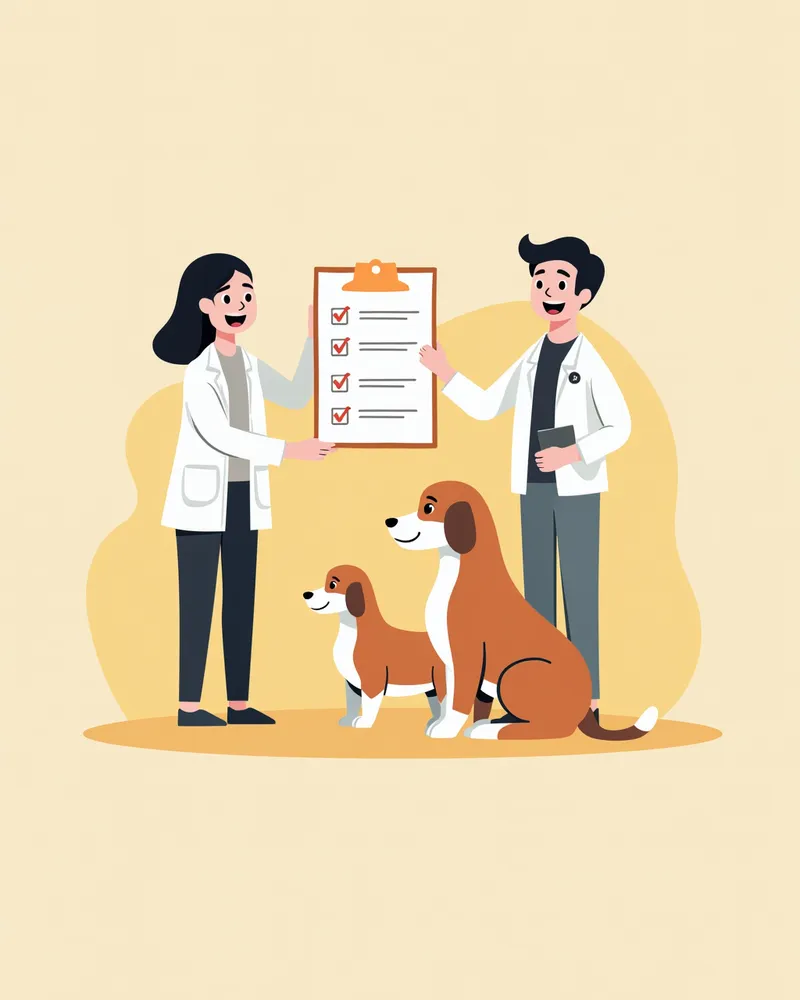
The pet owner and veterinarian reviewing the post-anesthesia care checklist.

Reviewed by a veterinarian

Dr. Tony — Punnawat Phongkittirak

Dr. Tony — Punnawat Phongkittirak

Veterinarian

A veterinarian who majored in veterinary medicine at Khon Kaen University, Thailand, and completed the IVSA program at North Carolina State University in the United States. Drawing on clinical experience at animal hospitals, he works in the pet healthcare field and is dedicated to building a digital care environment that connects pet parents with veterinarians.

Frequently Asked Questions

How risky is anesthesia for dogs during dental procedures?
Although general anesthesia carries some risks, it can be performed safely with thorough pre-anesthetic evaluation and monitoring. The reported mortality rate associated with anesthesia in dogs is approximately 0.11% to 0.43%, and the level of risk varies depending on the dog's age and overall health status.
Why is a pre-anesthetic examination absolutely necessary?
Dogs with underlying health conditions are at risk of serious complications during anesthesia. Pre-anesthetic testing helps us assess their overall health and develop a safe anesthesia plan.
How long does the recovery period last after anesthesia?
Recovery time varies depending on your dog's age, overall health, and the anesthesia method used. Most dogs settle down within a few hours after the procedure, but senior dogs may take longer. The veterinary clinic will ensure your dog has fully recovered before discharge. Please follow your veterinarian's instructions for post-procedure care.
What should I do if my pet vomits after anesthesia?
If vomiting persists or recurs after anesthesia, contact your veterinarian immediately. Repeated vomiting can pose risks such as aspiration. Follow your veterinarian’s instructions for care.
What should I do if my dog becomes lethargic after anesthesia?
It’s normal for your pet to feel temporarily weak after anesthesia. However, if the weakness persists or is accompanied by other unusual symptoms, contact your vet immediately so they can assess your pet’s condition.

Share

Related Guides

References

[1] Brodbelt DC, Blissitt KJ, Hammond RA, et al. The risk of death in small animal anaesthesia. Vet J. 2009;182:152–161.

[2] Pypendop BH, Ilkiw JE. Anesthetic management of the dog and cat. In: Handbook of Veterinary Anesthesia. 4th ed. Elsevier, 2016.

[3] Atul Gawande. Better: A Surgeon's Notes on Performance. Metropolitan Books, 2007.

This information is based on veterinary literature and does not replace diagnosis or treatment. Please consult a veterinarian for specific health concerns.

Metapet Co., Ltd. | CEO: Park Sung-yong | Business Reg. No. 417-88-02562 | Seoul, South Korea | Customer Center

7 Tips for Safe Anesthesia in Dog Dental Care | Meongsiljang