Like
Share
멍실장
고양이 요로결석 예방 식이 관리 추천 BEST와 고르는 기준 총정리

Top Recommended Diets for Preventing Feline Urinary Tract Stones and Key Selection Criteria

UrinaryTop PicksMeongsiljang Veterinary Advisory Board

Feline urinary tract stones are primarily composed of struvite and oxalate. Proper dietary management can help reduce the risk. The key is to select a diet that matches the specific composition and characteristics of the stones.

What Is a Feline Urinary Tract Stone Prevention Diet?
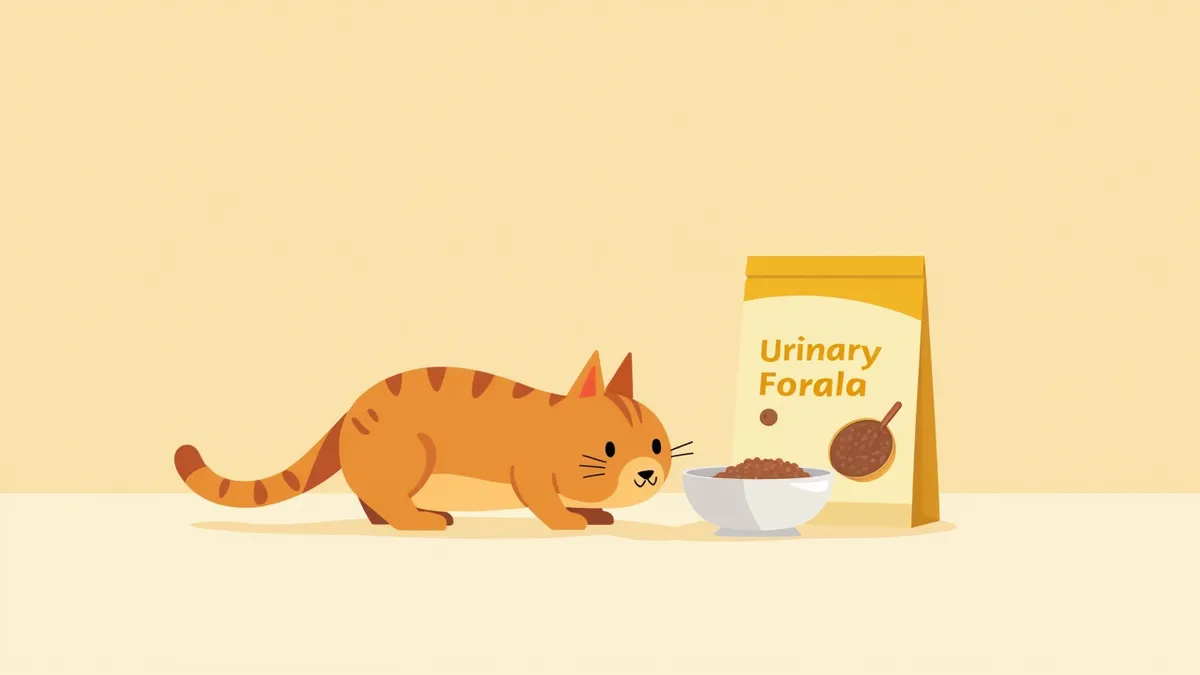
A bag of cat food designed for urinary tract health, alongside an image of a cat.
Cat urinary tract stone prevention diets are specialized foods designed to reduce the formation of struvite and oxalate (calcium oxalate) stones. It is known that over 85% of feline urinary stones fall into these two categories. - High-moisture food: Diets with high moisture content, such as canned food, help lower urine specific gravity (USG) to below 1.030, reducing the risk of stone formation. - Urine pH-regulating ingredients: Alkalizing formulations that maintain urine pH within the 6.6–7.5 range assist in stone management. - Calcium, oxalate, and sodium control: Avoid excessive intake of calcium, oxalate, sodium, and protein to reduce substances that contribute to stone formation. - Magnesium and phosphorus control: Adjust magnesium and phosphorus, which are components of struvite, to appropriate levels. - Long-term feeding stability: It is important to select a diet suitable for your cat’s health status through consultation with a veterinarian and to monitor consistently. Evidence-based ingredient formulation is key.

Selection Criteria: 5 Key Factors for a Urinary Stone Prevention Diet
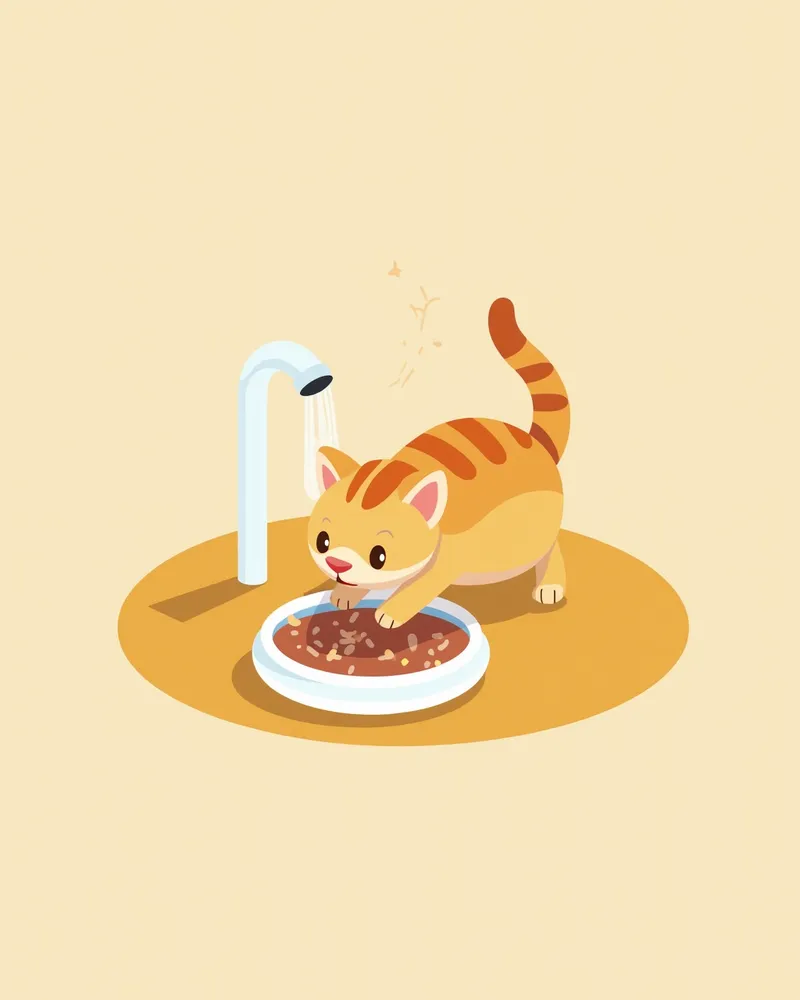
When selecting a diet to prevent urinary stones, be sure to check these five key factors. Following these guidelines will help you make a safe and effective choice.
High-moisture food: Increase water intake through wet foods like canned diets to lower urine specific gravity below 1.030.
Struvite management ingredients: Ensure magnesium and phosphorus are at appropriate levels and protein is not excessive.
Oxalate control ingredients: Prevent calcium oxalate stones by avoiding excessive intake of calcium, oxalic acid, and sodium.
Urine pH regulation: Look for formulas designed to maintain urine pH within the range of 6.6 to 7.5.
Protein and mineral balance: Reduce excessive intake of protein, calcium, and sodium to maintain proper balance.
Cats that use a water pump and eat urinary tract health food

BEST 1: Propolis Urinary Health Food (Specialized Diet)
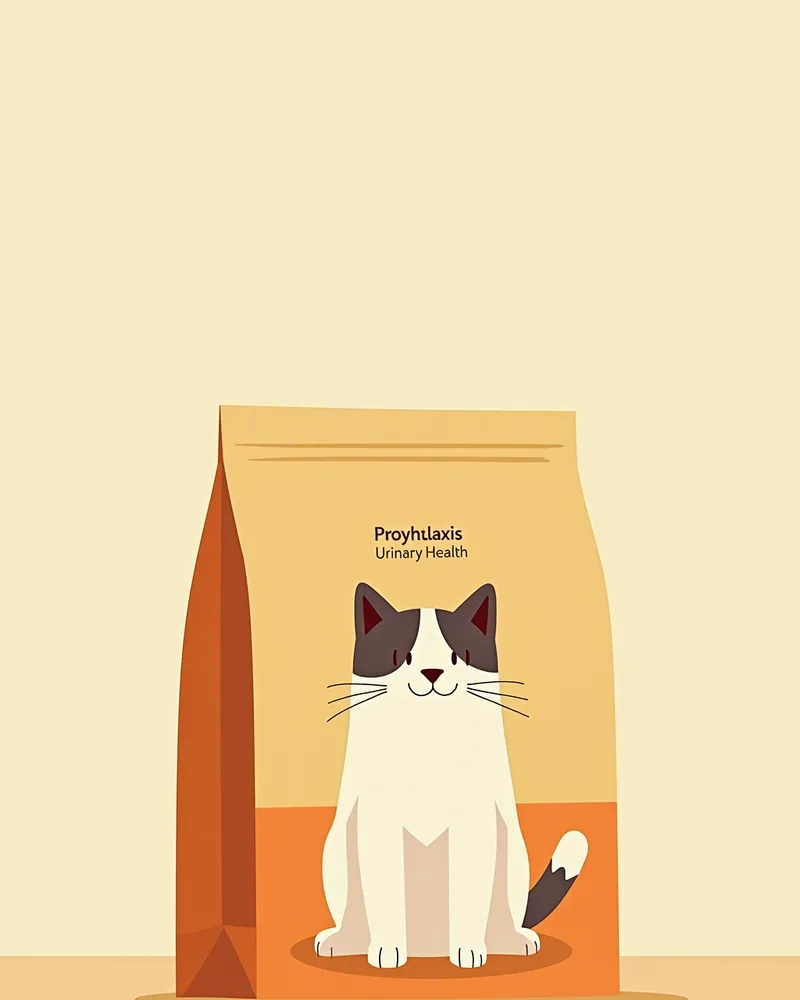
Propolis Urinary Health Food is a specialized diet formulated to manage struvite stones. - Calcium and sodium control: It reduces stone-forming substances by limiting excessive calcium and sodium intake. - pH-regulating ingredients: Helps maintain urine pH within the 6.6–7.5 range to support stone management. - High-moisture design: Its high moisture content lowers urine specific gravity and naturally encourages water intake. - Long-term stability: For best results, consult your veterinarian and consistently feed this diet while monitoring your cat’s urine. - Feeding convenience: Designed to be palatable and easy to eat, making it simple to feed. This customized food combines five key benefits.
Packaging of propolis urinary health food and the appearance of a cat

BEST 2: Red Mountain Urinary Health Canned Food (Canned Diet)
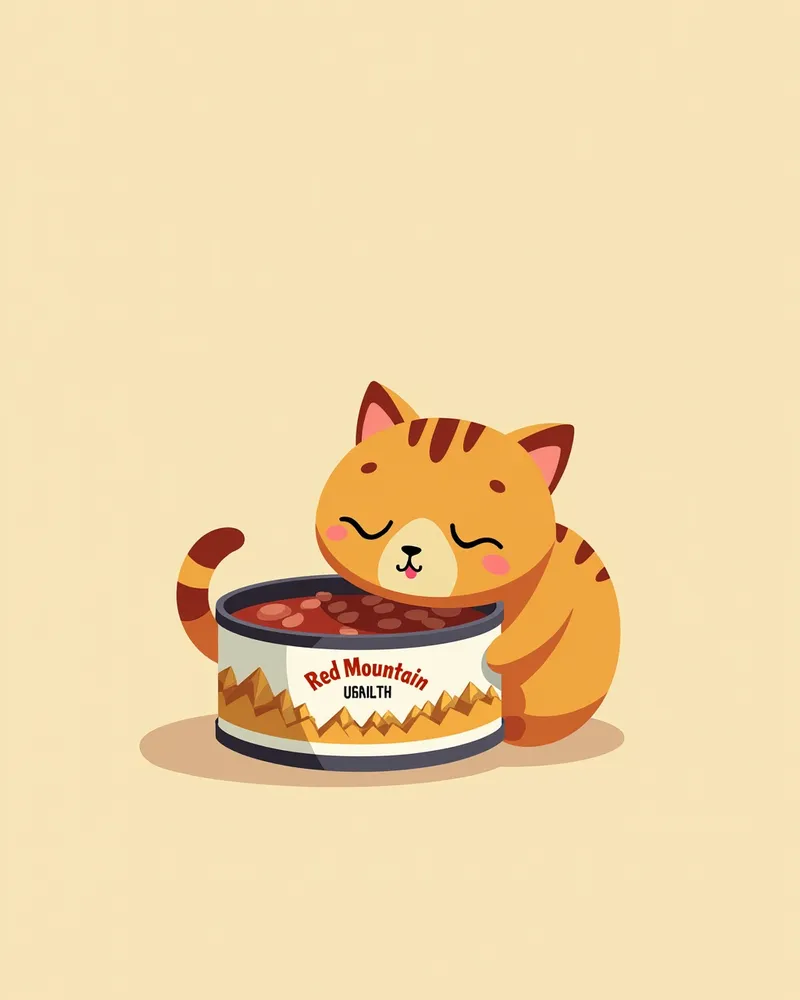
Tigerstone’s feline urinary tract formula is a mix-type diet that combines dry and wet food, allowing you to ensure both adequate hydration and balanced nutrition. - Mix-type design: You can freely combine dry and wet food to suit your cat’s eating habits. - Calcium-regulating ingredients: Helps reduce the risk of calcium oxalate stones by preventing excessive calcium intake. - Hydration support: The wet food component provides abundant moisture, helping to lower urine specific gravity. - Balanced nutrition: Contains essential nutrients such as protein, fat, and vitamins in balanced proportions. - Flexible feeding: If your cat dislikes dry food, adding more wet food makes feeding easier. This approach supports long-term urinary tract health.
Red Mountain urinary health canned food and a cat

BEST 3: Tigerstone Feline Urinary Tract Formula (Mix-Type)
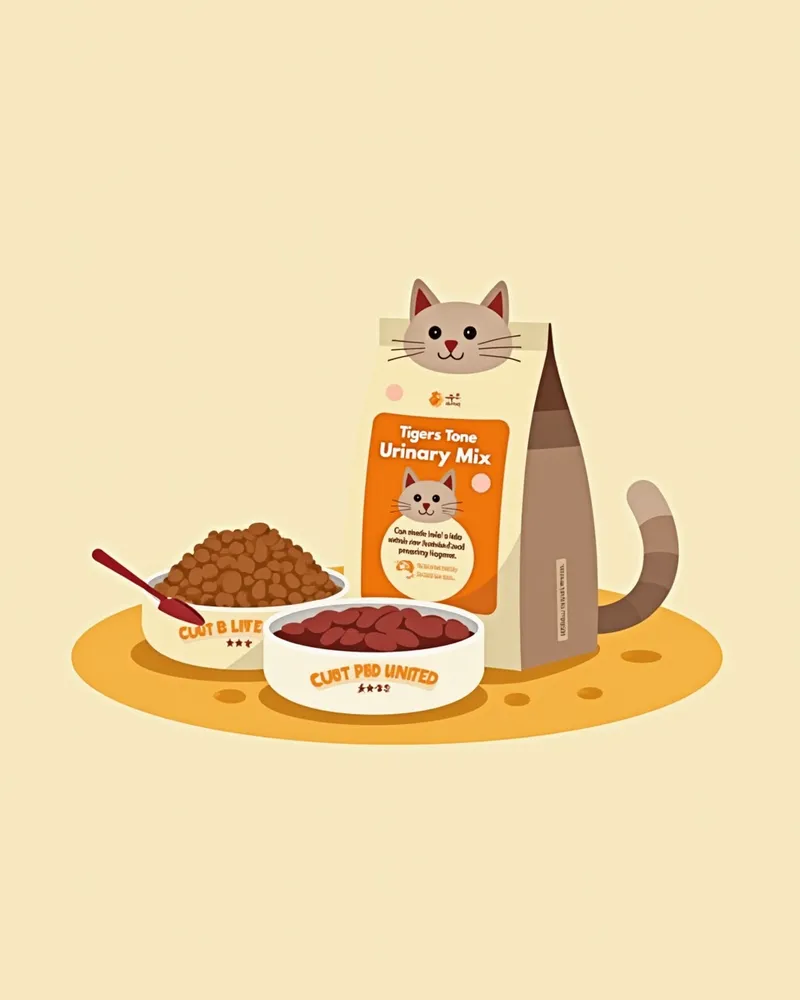
Tigerstone’s feline urinary tract formula is a mix-type diet that can be fed as a combination of dry and wet food. - Mix-type design: Cats can freely combine dry and wet food according to their preferences. - Calcium regulation: Helps reduce the risk of calcium oxalate stone formation by avoiding excessive calcium intake. - Hydration support: The wet food provides abundant moisture, helping to lower urine specific gravity. - Balanced nutrition: Contains essential nutrients such as protein, fat, and vitamins in balanced proportions. - Flexible feeding habits: If your cat dislikes dry food, you can increase the amount of wet food to make feeding easier. This supports long-term urinary tract health.
Tigerstone urinary health mix food and the appearance of cats

Comparison Table of BEST 1–3 Urinary Stone Prevention Diets

ItemPropolis FeedRed Mountain Canned FoodTiger Stone Mix
Key Preventive IngredientsStruvite management, maintains pH 6.6–7.5High moisture, mineral balanceCalcium oxalate management, calcium regulation
Moisture ContentLow (dry)Very high (wet)Medium (mix)
Food FormDryCannedDry + wet mix
Recommended AgeAdult cats and olderAll agesAdult cats and older
Price RangeMediumHighMedium

When choosing a diet, consider your cat's health condition, eating habits, and water intake.

Caution: Excessive Water Intake Can Be Dangerous

The most important factor in preventing urinary tract stones is ensuring adequate water intake. Place multiple water bowls around your home or incorporate wet food to gradually increase your cat’s hydration. However, if your cat drinks significantly more water than usual (polydipsia) or experiences a sudden increase in urine output (polyuria), it could be a sign of another issue, such as kidney disease. Introduce changes gradually, monitor your cat’s response, and consult your veterinarian if you notice any abnormalities.

Usage Tips: Practical Management for Feline Urinary Health
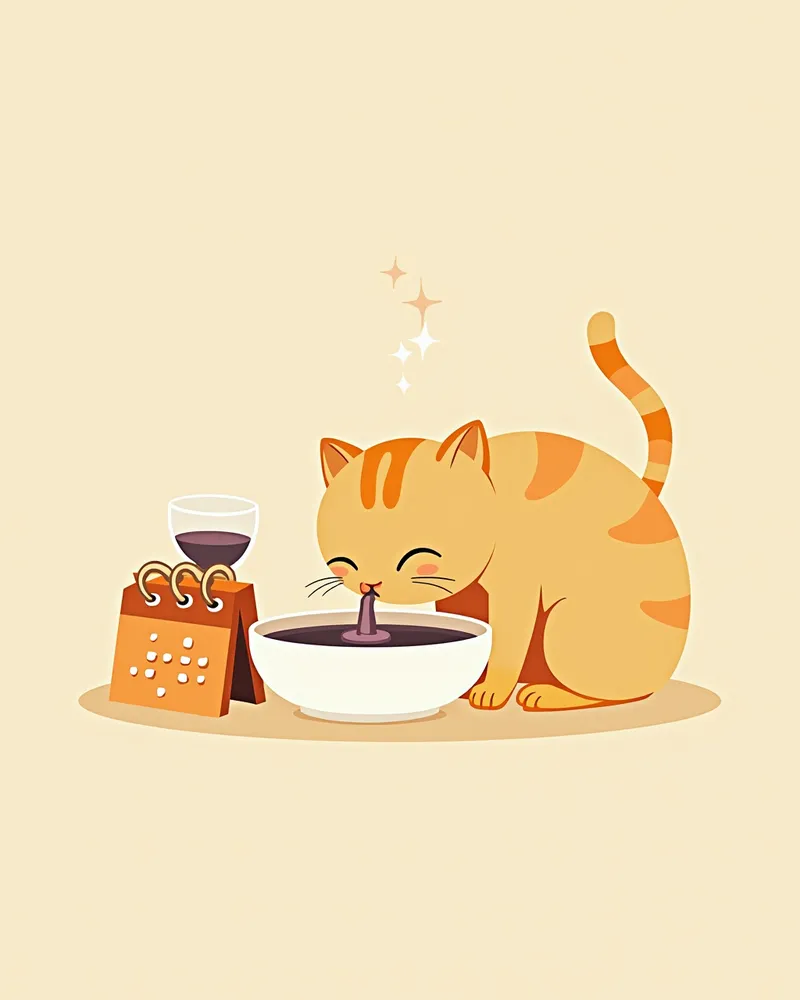
Follow these tips when using a urinary stone prevention diet to maximize its effectiveness.
Change water frequently: Cats often dislike stale water. Refresh their water 2–3 times daily.
Use various water bowls: Try different types, such as tube-style, plastic, or glass bowls, to see what your cat prefers.
Regulate meal times: Feed at set times, 2–3 times a day. This helps prevent overeating and regulates urination frequency.
Transition food gradually: Switch to the new food over 7–10 days to prevent gastrointestinal upset.
Regular check-ups are essential: Have your cat’s urine tested every six months to monitor urinary tract health.
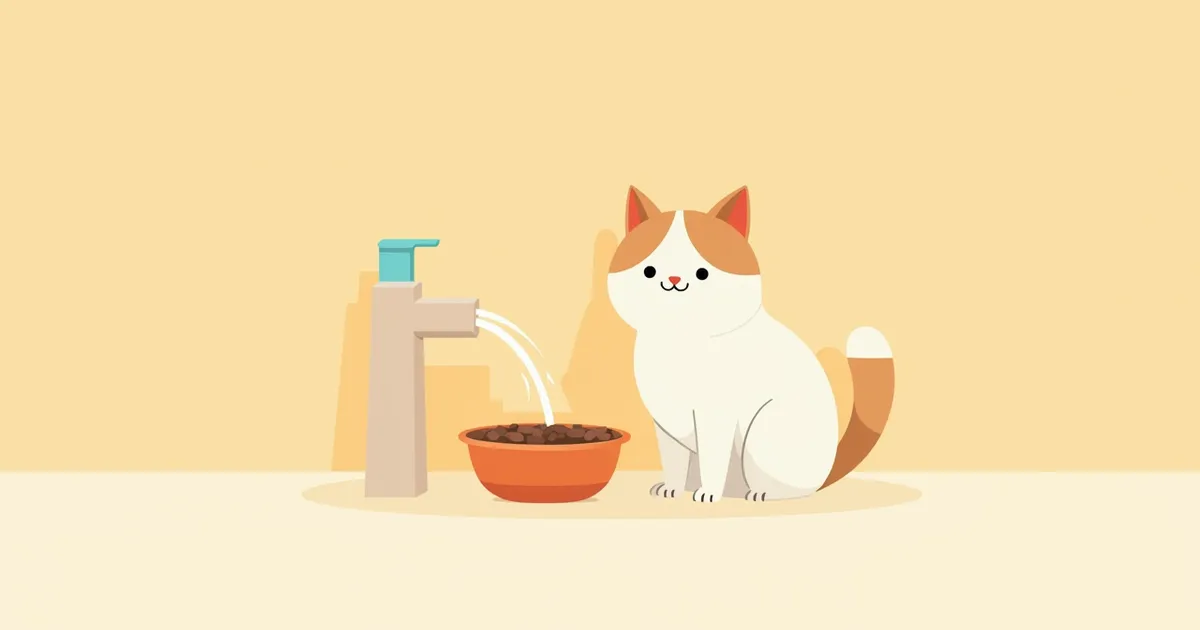
A cat drinking water and a regular check-up calendar

Reviewed by a veterinarian

Dr. Tony — Punnawat Phongkittirak

Dr. Tony — Punnawat Phongkittirak

Veterinarian

A veterinarian who majored in veterinary medicine at Khon Kaen University, Thailand, and completed the IVSA program at North Carolina State University in the United States. Drawing on clinical experience at animal hospitals, he works in the pet healthcare field and is dedicated to building a digital care environment that connects pet parents with veterinarians.

Frequently Asked Questions

Will feeding a urinary stone prevention diet completely stop stones from forming?
While a preventive diet alone may not completely stop stone formation, it can significantly reduce the risk. Because recurrence is common, regular check-ups and ongoing management are essential.
Is it okay to feed only canned food?
Canned food is highly effective for increasing water intake, which helps lower urine specific gravity. However, to ensure proper nutritional balance, it’s safest to consult with your veterinarian to determine the best feeding approach.
Will my cat dislike a change in diet?
Transitioning your cat’s diet should be done gradually. Slowly adjusting the ratio over 7 to 10 days makes it easier for your cat to adapt. Sudden changes can lead to a decreased appetite.
How long should I feed my pet a urinary stone prevention diet?
It is generally recommended to start feeding this food long-term once your cat reaches adulthood. Please consult with your veterinarian to adjust the diet according to your cat's health status.
Are there any other preventive measures besides diet?
Increasing water intake, monitoring bathroom habits, scheduling regular check-ups, and managing stress are all important. In particular, since stress is linked to idiopathic cystitis, addressing it alongside dietary adjustments can enhance the overall effectiveness of treatment.

Share

Related Guides

References

[1] Clinical Medicine of the Dog and Cat, 4th Ed, Chapter 13: Nephrology/Urology, p. 491

[2] Notes on Canine Internal Medicine, 4th Ed, p. 1167

[3] Fundamentals of Veterinary Clinical Pathology, 3rd Edition, p. 1458

This information is based on veterinary literature and does not replace diagnosis or treatment. Please consult a veterinarian for specific health concerns.

Metapet Co., Ltd. | CEO: Park Sung-yong | Business Reg. No. 417-88-02562 | Seoul, South Korea | Customer Center

Best Diets to Prevent Feline Urinary Stones: How to Choose | Meongsiljang