Like
Share
멍실장
강아지 켄넬코프 예방접종 관리 추천 BEST와 고르는 기준 총정리

The Best Kennel Cough Vaccination Management Products for Dogs and Selection Criteria

Lifestyle & Age CareTop PicksMeongsiljang Veterinary Advisory Board

Kennel cough in dogs is a highly contagious respiratory disease, so pet owners should reduce the risk through vaccination. We’ve compiled the best products for effective prevention and the criteria for choosing them.

Kennel Cough Vaccination is Essential Care for Dogs
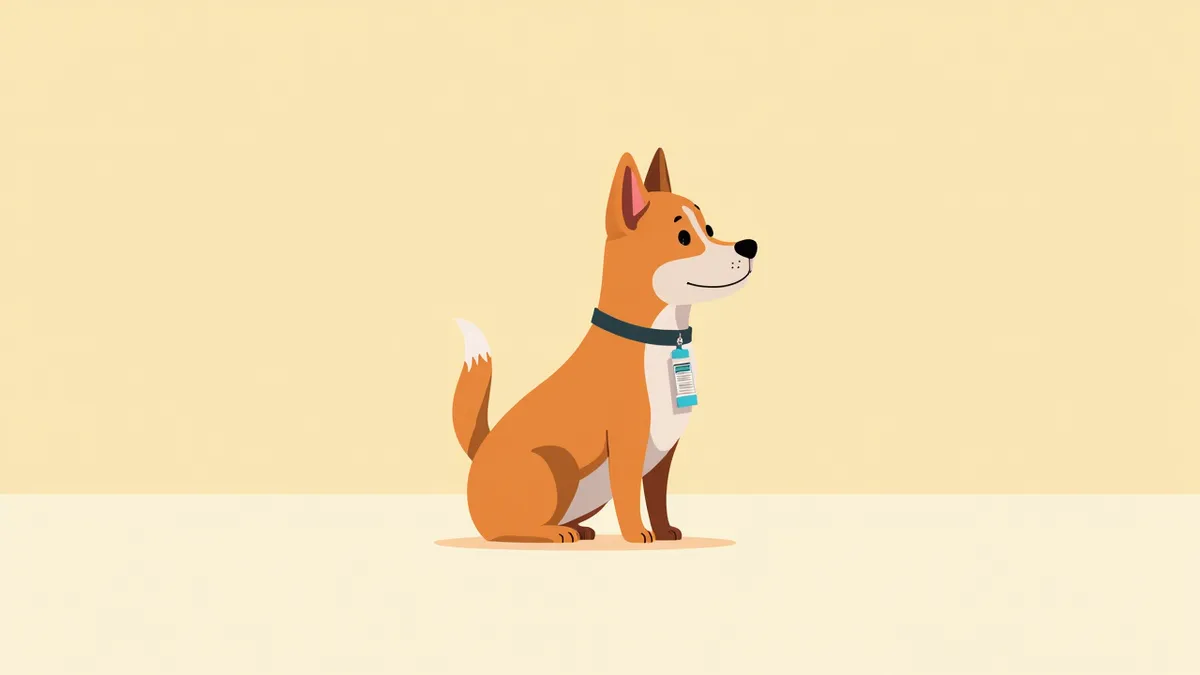
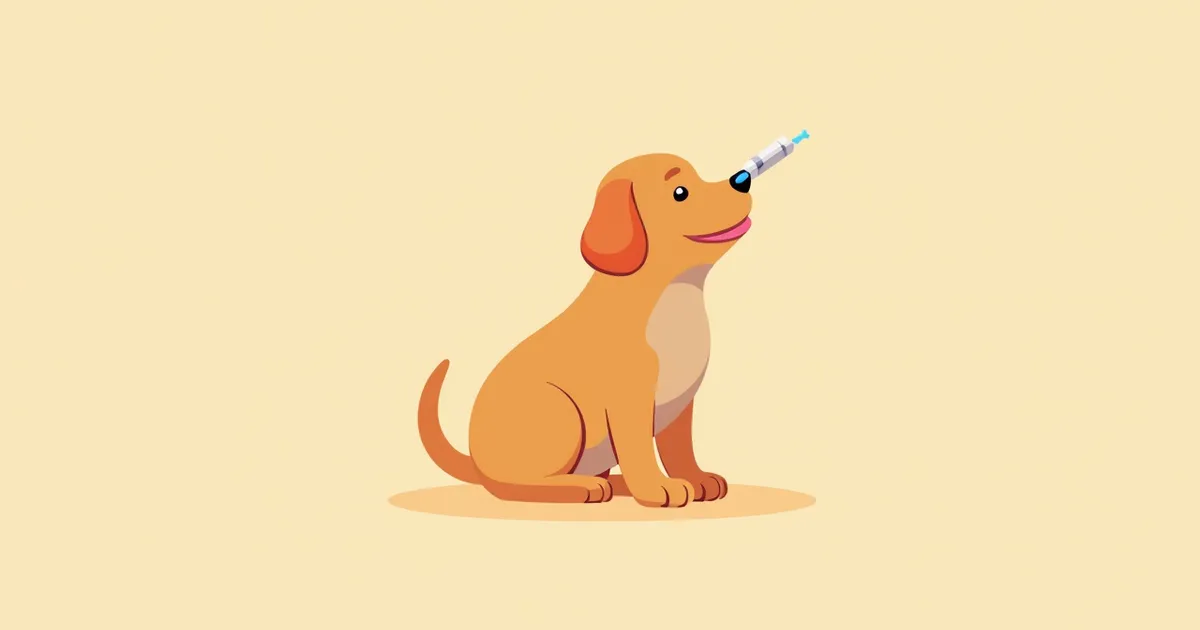
A puppy receiving a kennel cough vaccination
Kennel cough vaccinations help reduce the symptoms and spread of highly contagious respiratory diseases in dogs. However, vaccines alone cannot completely prevent infection, so they are considered optional based on your dog’s lifestyle and risk factors. If your dog is frequently exposed to environments where it comes into contact with many other dogs, such as pet centers, pet hotels, or dog cafes, the risk of infection increases significantly, making vaccination highly recommended. - Vaccination Timing: Typically begins around 8 weeks of age, as recommended by your veterinarian, with booster shots needed every 2–4 weeks (intranasal vaccines may be administered earlier). - Vaccination Method: It’s important to choose between intranasal and injectable vaccines based on your dog’s health status and environment. - Duration of Protection: Varies depending on the type of vaccine and individual differences. Since the protection period is relatively short, annual revaccination is generally recommended. The exact schedule should be determined in consultation with your veterinarian, considering your dog’s living environment and health condition. - Managing Side Effects: Mild fever or lethargy may occur after vaccination, but severe symptoms require immediate veterinary attention. Careful monitoring will help keep your dog healthy.

Key Criteria for Choosing a Kennel Cough Vaccine for Dogs
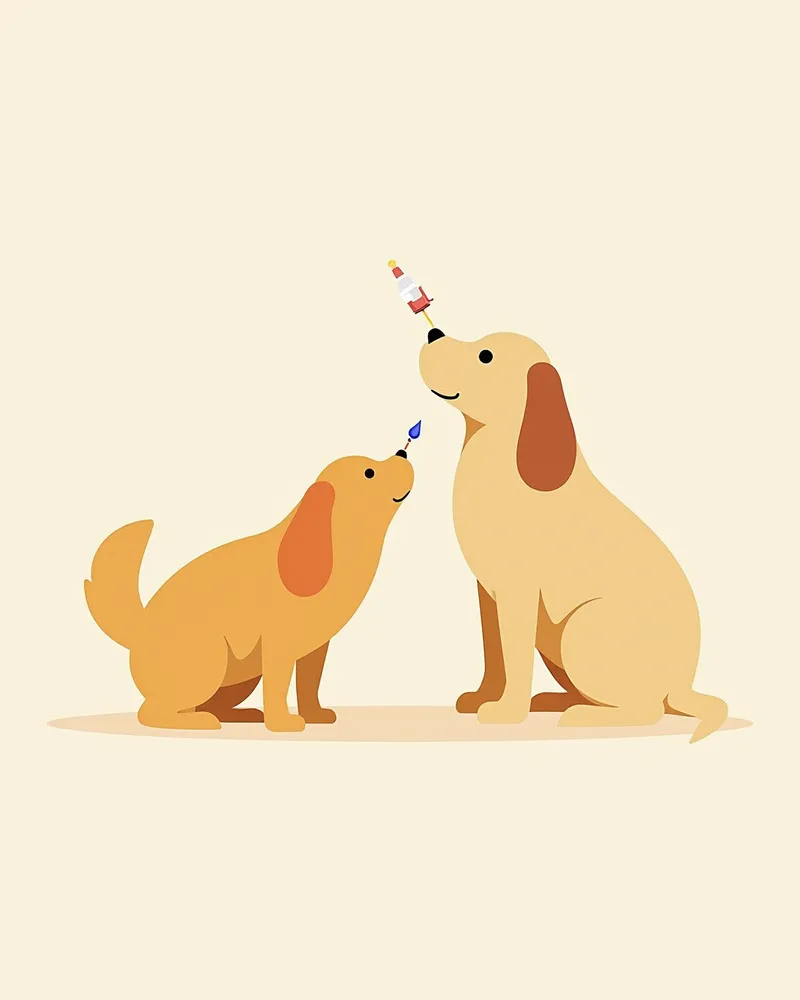
When choosing a kennel cough vaccine for your dog, it’s important to carefully consider factors such as the administration method, ingredients, duration of protection, and potential side effects. Since the effectiveness and your dog’s response can vary depending on the type of vaccine, it’s essential to make a choice that aligns with your lifestyle and your dog’s health status.
Administration Method: You can choose between injectable and intranasal vaccines. Intranasal vaccines are particularly effective at stimulating an immune response directly in the respiratory mucosa.
Ingredient Stability: Opt for vaccines with stable active ingredients and a lower risk of side effects.
Duration of Protection: The length of protection can vary depending on the vaccine type and individual differences. While immunity typically lasts for several months or more, the appropriate protection period should be determined in consultation with your veterinarian, taking into account your dog’s living environment and health status.
Vaccination Frequency: Excessive vaccinations can place unnecessary stress on your dog, so choose a product that aligns with the recommended vaccination schedule.
Comparing Types of Kennel Cough Vaccines for Dogs

BEST 1: Intranasal Kennel Cough Vaccine (Brand Name X)
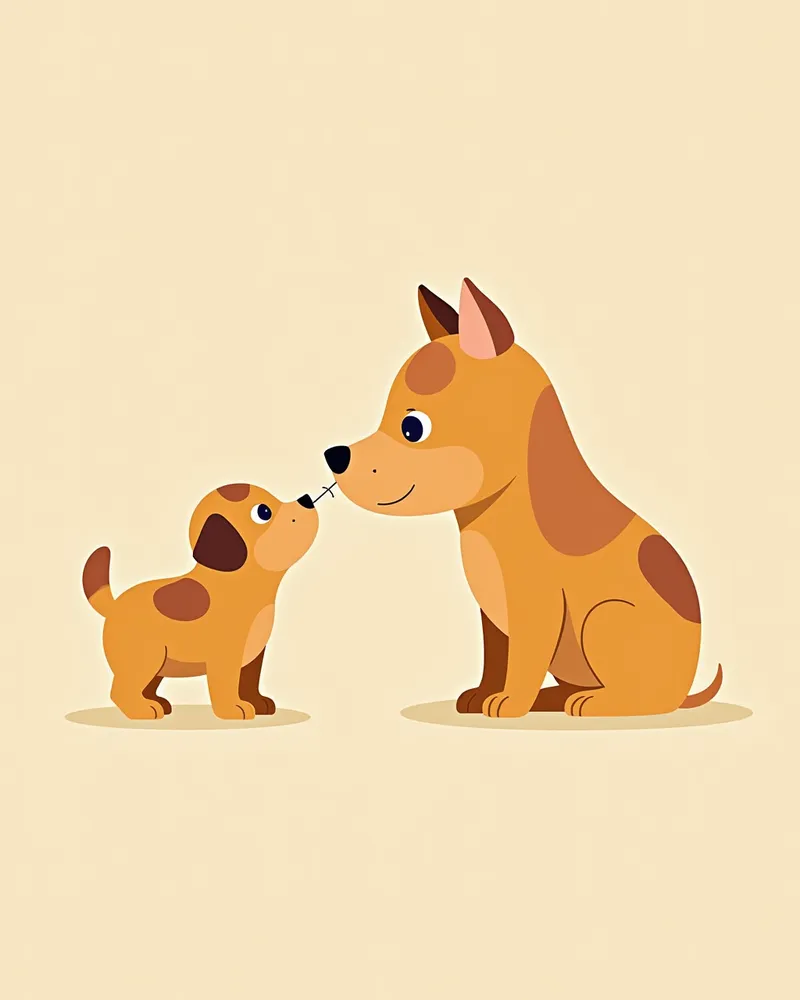
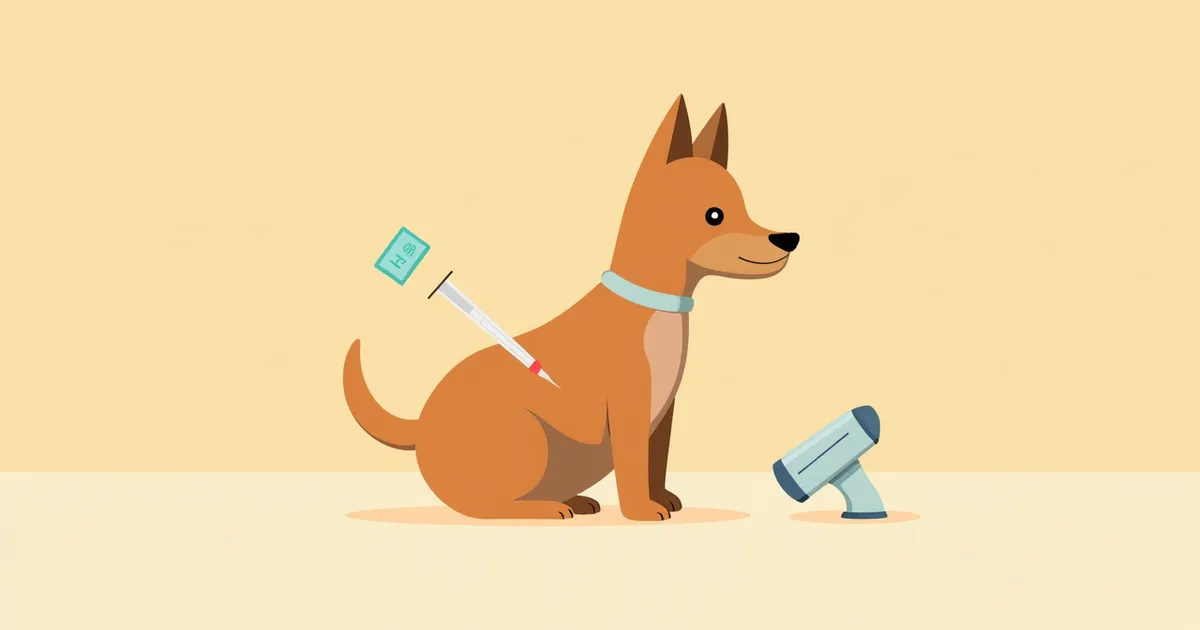
The intranasal kennel cough vaccine is administered through the nose, inducing a localized immune response in the respiratory mucosa. While no vaccine can completely prevent infection, this one is expected to reduce disease severity and the shedding of viruses and bacteria. It is particularly helpful for dogs frequently exposed to environments with multiple dogs, such as pet hotels or dog parks, as it helps lower the risk of infection and symptom severity. Mild, temporary side effects like a runny nose or cough may occur after vaccination, but these typically resolve on their own within a few days. This is one of the primary products recommended by veterinarians.
Administration of the intranasal canine kennel cough vaccine

BEST 2: Injectable Kennel Cough Vaccine (Brand Name Y)

Injectable kennel cough vaccines are administered via subcutaneous or intramuscular injection, inducing a systemic immune response. They are particularly suitable for dogs with weakened immune systems or those who experienced adverse reactions to intranasal vaccines. While mild, temporary side effects such as fever or lethargy may occur after vaccination, most dogs recover naturally within one to two days. However, since injectable vaccines do not completely prevent infection, it is advisable to consult your veterinarian to select a product with a stable formulation for routine preventive care.
A puppy receiving an injectable kennel cough vaccine

BEST 3: Combination Kennel Cough Vaccine (Brand Name Z)

Combination kennel cough vaccines are formulated to protect against not only Bordetella (the primary cause of kennel cough) but also other major respiratory pathogens, such as parainfluenza virus and adenovirus-2. This type of vaccine is particularly beneficial for dogs living in environments with a high risk of exposure to various respiratory diseases or those who frequently visit pet care facilities. It offers convenient management by addressing multiple causes with a single injection. However, no vaccine provides absolute protection, and combination vaccines may carry a slightly higher risk of side effects. Therefore, it is best to consult with your veterinarian before making a decision.
Appearance of a puppy after receiving the combination kennel cough vaccine

Comparison Table of BEST 1–3 Kennel Cough Vaccines

ItemVaccination methodDuration of effectRecommended situation
BEST 1 (Brand name X)Intranasal typeVaries by individual, usually annual revaccination recommendedEnvironments with many contacts, such as pet hotels and playgrounds
BEST 2 (Brand name Y)Injection type (subcutaneous/intramuscular)Varies by individual, usually annual revaccination recommendedDogs with weak immunity, concerns about side effects
BEST 3 (Brand name Z)Combination typeVaries by individual, usually annual revaccination recommendedWhen prevention of various respiratory diseases is needed

We recommend a customized choice after consulting your veterinarian.

Caution: Visit a Veterinary Clinic Immediately if Adverse Reactions Occur After Vaccination

If your dog experiences persistent difficulty breathing, severe coughing, fever, or loss of appetite after a kennel cough vaccination, you should visit a veterinary clinic immediately. In particular, if severe symptoms appear within 1–2 days of vaccination, urgent medical intervention is necessary. While mild side effects are common, any symptoms that persist or worsen require immediate evaluation.

Tips for Administering Kennel Cough Vaccinations to Dogs
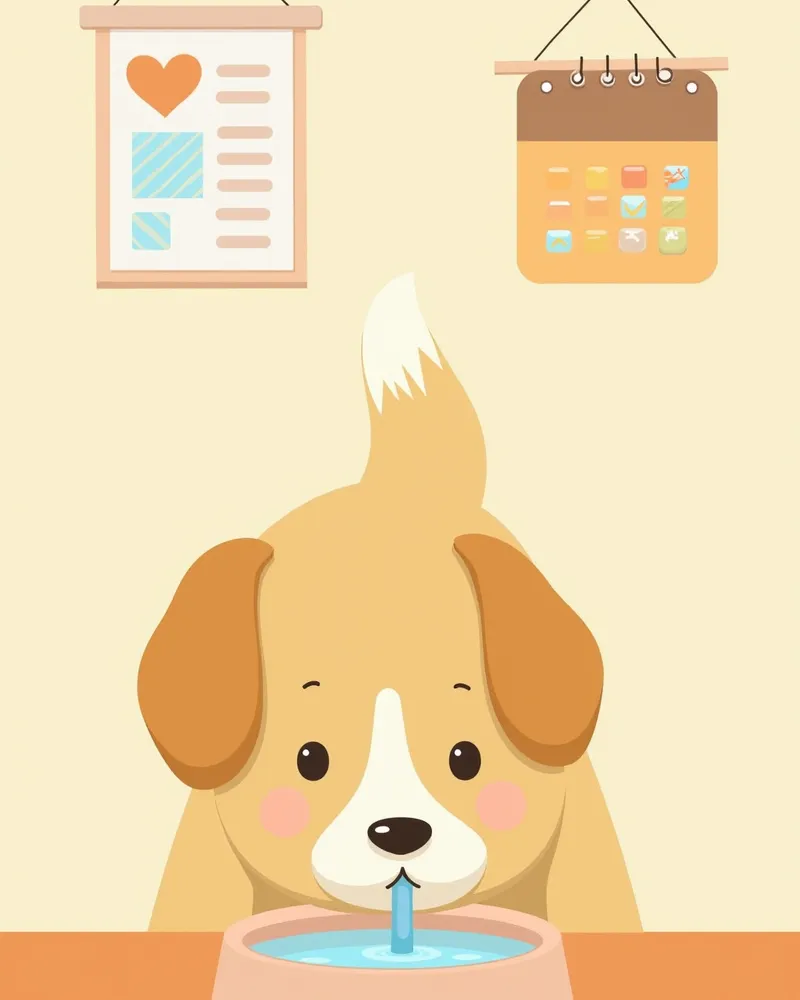
To effectively manage your puppy’s kennel cough vaccinations, it’s important to closely monitor their condition before and after each shot. For about 24 hours before and after vaccination, avoid excessive exercise or stress, and maintain their regular diet. It’s also important to encourage increased water intake for 1–2 days post-vaccination. - Record Keeping: Always keep track of the vaccination date and vaccine type, and plan ahead for the next scheduled dose. - Environmental Management: For a week after vaccination, minimize outdoor activities and avoid contact with other dogs to ensure safety. - Handling Adverse Reactions: If symptoms such as difficulty breathing, severe coughing, fever, or loss of appetite persist, visit a veterinarian immediately. With regular care and attention, you can help keep your puppy healthy.
Tips for caring for your puppy after the kennel cough vaccination

Reviewed by a veterinarian

Dr. Tony — Punnawat Phongkittirak

Dr. Tony — Punnawat Phongkittirak

Veterinarian

A veterinarian who majored in veterinary medicine at Khon Kaen University, Thailand, and completed the IVSA program at North Carolina State University in the United States. Drawing on clinical experience at animal hospitals, he works in the pet healthcare field and is dedicated to building a digital care environment that connects pet parents with veterinarians.

Frequently Asked Questions

When should puppies start their kennel cough vaccinations?
Kennel cough vaccinations for puppies can typically begin around 8 weeks of age (though intranasal vaccines may be administered earlier). It’s best to complete the series in two doses, spaced 2 to 4 weeks apart, following your veterinarian’s recommended schedule.
Which is better, intranasal vaccines or injectable vaccines?
The intranasal form is effective for boosting local immunity in the respiratory mucosa, while the injectable form induces a systemic immune response. It's best to consult with your veterinarian and choose the appropriate option based on your dog's living environment and health status.
Do I only need to give my dog a kennel cough vaccine once a year?
The duration of protection can vary depending on the type of vaccine and individual differences. Since the kennel cough vaccine offers relatively short-term protection, annual booster vaccinations are generally recommended. It is best to consult with your veterinarian to determine a vaccination schedule tailored to your pet’s specific needs.
What should I do if my pet continues to cough after vaccination?
If your pet’s cough persists for more than two days or worsens, consult your veterinarian. Early diagnosis is important, as it could indicate an infection or a side effect.
Can my puppy go to a pet hotel after receiving the kennel cough vaccine?
It takes time for immunity to fully develop after vaccination, and protection against parainfluenza in particular doesn’t take effect until about three weeks later. Therefore, it’s best to wait a while after vaccination before using pet hotels or exposing your dog to environments where it comes into contact with many other dogs. Consult your veterinarian to determine the appropriate timing.

Share

Related Guides

References

This information is based on veterinary literature and does not replace diagnosis or treatment. Please consult a veterinarian for specific health concerns.

Metapet Co., Ltd. | CEO: Park Sung-yong | Business Reg. No. 417-88-02562 | Seoul, South Korea | Customer Center

Kennel Cough Vaccines for Dogs: Top Picks and How to Choose | Meongsiljang