Like
Share
멍실장
고양이 간성 뇌증 관리 추천 BEST와 고르는 기준 총정리

7 Key Management Strategies for Feline Hepatic Encephalopathy Highlighted by Veterinarians

Liver HealthTop PicksMeongsiljang Veterinary Advisory Board

Feline hepatic encephalopathy is a condition in which toxic substances accumulate in the brain due to impaired liver function. Selecting appropriate management products and nutritional supplements is key to treatment.

Feline hepatic encephalopathy is a neurological condition caused by impaired liver function
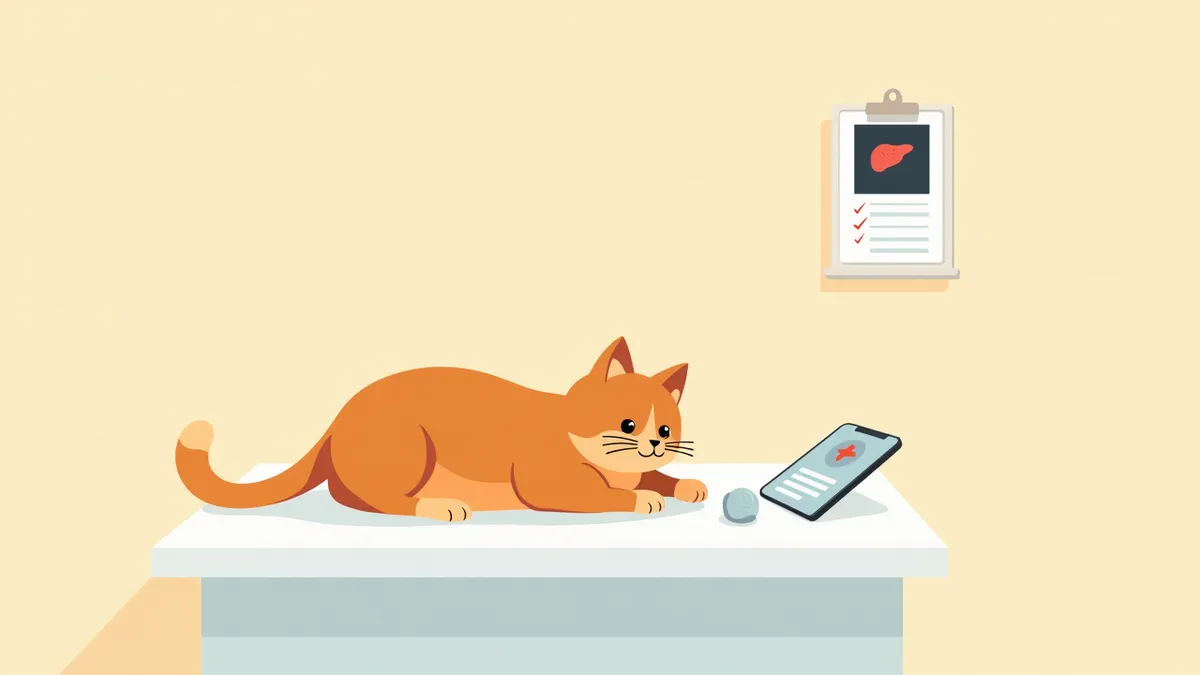
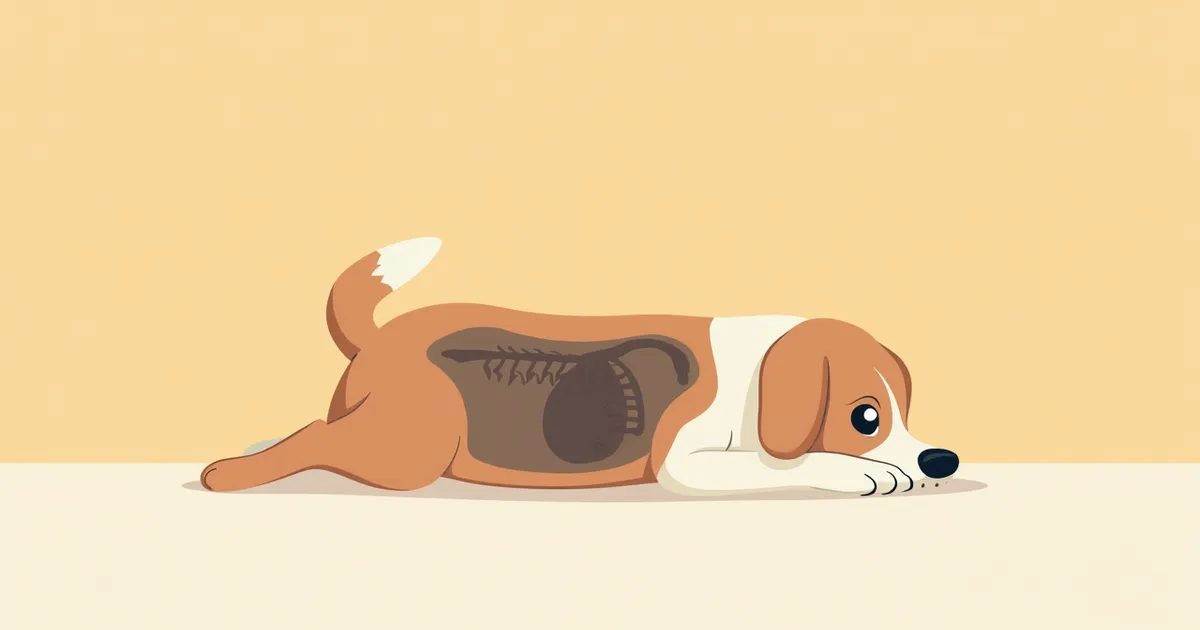
A cat undergoing tests to diagnose hepatic encephalopathy
Feline hepatic encephalopathy is a condition in which the liver fails to properly remove toxins, leading to the accumulation of substances like ammonia in the brain. This can cause confusion, seizures, lethargy, or behavioral changes in cats. Early detection and consistent management are key. If you notice early signs such as decreased appetite or reduced activity levels, seek veterinary care immediately. It’s also important to choose appropriate products that support liver function and help eliminate toxins. Regular check-ups combined with personalized care can significantly improve outcomes.

Selection criteria focus on four key elements
Managing feline hepatic encephalopathy should center on the core approaches recommended in veterinary textbooks. Most treatments focus on reducing the impact of hyperammonemia on the brain. Ammonia reduction (e.g., lactulose): Lactulose and soluble fiber trap ammonia in the gut as non-absorbable ions, which are then excreted in the feces, helping to alleviate symptoms. Gut flora modulation (antibiotics): Antibiotics such as neomycin, metronidazole, and ampicillin reduce urea-splitting bacteria, thereby lowering ammonia production. Dietary protein management: Dietary adjustments that limit the intake of proteins rich in aromatic amino acids can be beneficial. Supportive care and hepatoprotection: Fluid therapy corrects hypoglycemia, electrolyte imbalances, and acid-base disorders, while hepatoprotectants like vitamin E and ursodeoxycholic acid should be used only after consulting a veterinarian. All management strategies must be carried out alongside a veterinarian’s diagnosis.
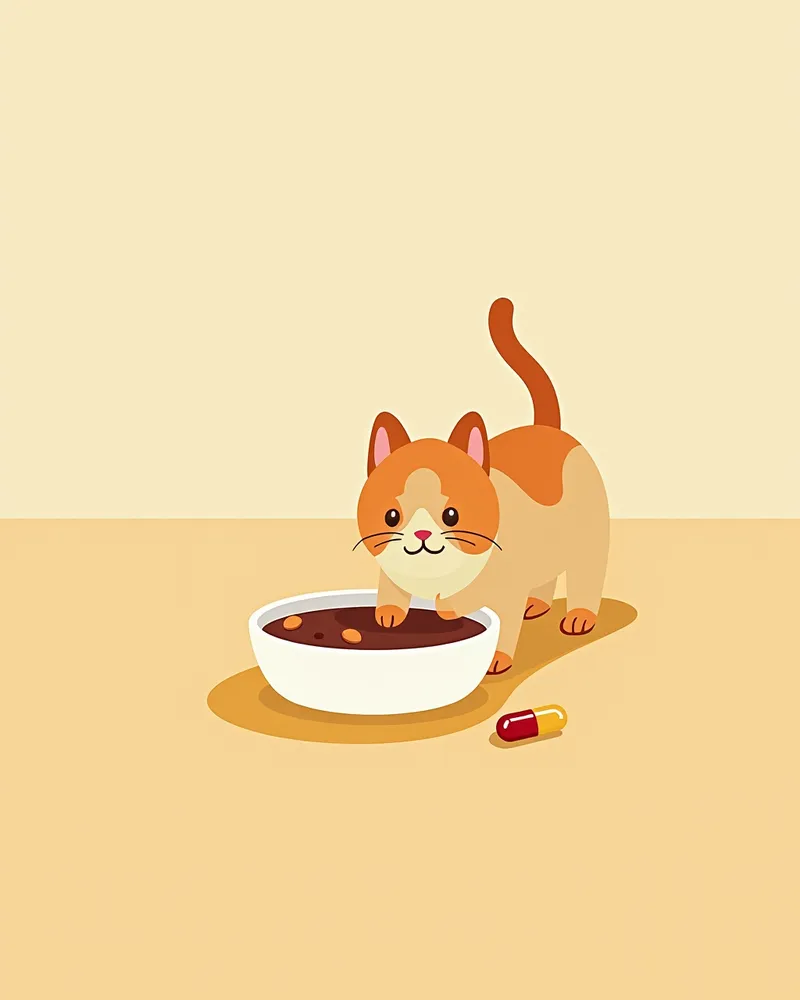
A cat taking a supplement to help manage hepatic encephalopathy

BEST 1: Ganseave Pro

Ganseave Pro is a feline-exclusive supplement specially formulated for managing hepatic encephalopathy. It combines ammonia-adsorbing ingredients with glutathione to simultaneously eliminate toxic substances and protect liver cells. The formula also includes ingredients that help alleviate decreased appetite in cats, making it easy to administer long-term.
Key Ingredients: Activated charcoal, glutathione, saponins, B vitamins
Additional Benefits: Improved digestion, enhanced immunity
How to Use: One tablet per day, given with meals.
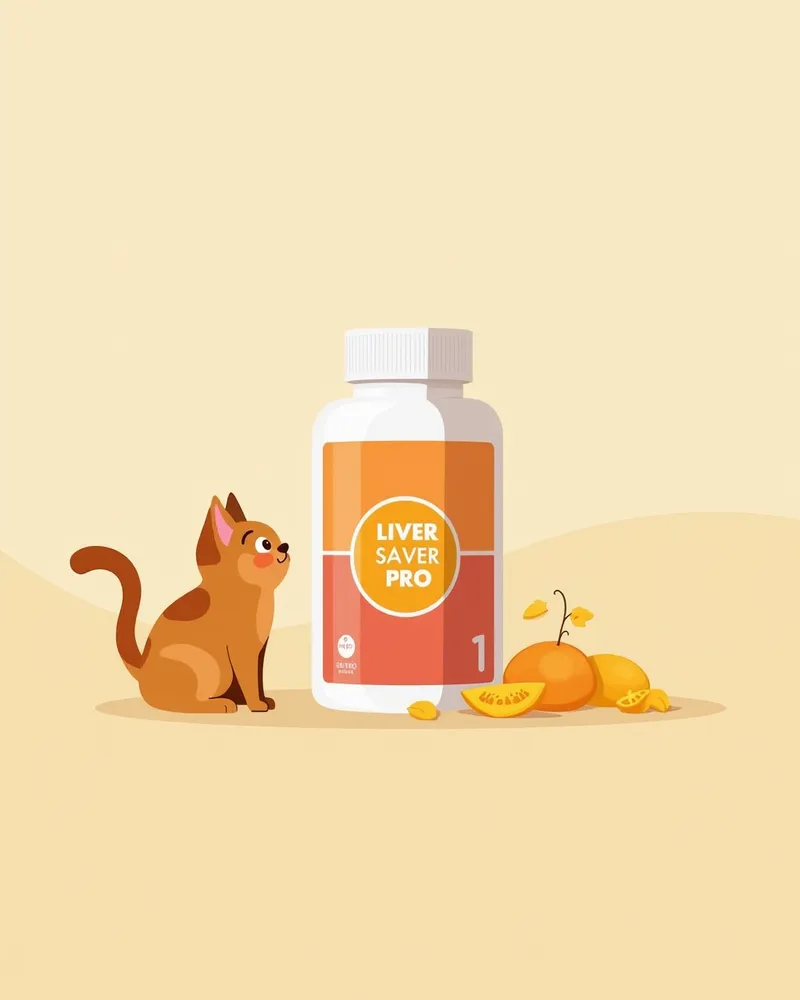
A cat alongside the Gansave Pro supplement

BEST 2: Cat Liver Protect

Cat Liver Protect is a feline-specific supplement designed to support liver function recovery. Its key ingredients, saponin and glutathione, promote liver cell regeneration and prevent the accumulation of toxic substances. It is effective in alleviating loss of appetite and fatigue in cats.
Key Ingredients: Saponin, Glutathione, Vitamin E, Amino Acid Complex
Additional Benefits: Antioxidant activity, Immune system support
How to Use: Administer one capsule daily with your cat’s morning meal.
A cat taking CatLiver Protect supplement

BEST 3: Liver Health Cat

Liver Health Cat is a feline-specific supplement that can be effectively used in the early stages of hepatic encephalopathy. It combines activated charcoal and B vitamins to adsorb toxic substances and support nervous system stability. The inclusion of glutathione also makes it effective for protecting liver cells. Formulated with a stable combination of ingredients for long-term use, it can positively influence appetite recovery in cats. Administer one capsule daily after meals. This product is particularly suitable for cats showing decreased activity levels or excessive lethargy.
A cat taking LiverHealth Cat supplement

Comparison Table of Products BEST 1–3

ItemLiverSave ProCatLiver ProtectLiverHealth Cat
Main IngredientsActivated charcoal, Glutathione, Saponin, B-complexSaponin, Glutathione, Vitamin E, Amino acidsActivated charcoal, B1/B6/B12, Glutathione
Toxin Removal EffectVery highHighModerate
Liver Protection EffectVery highVery highHigh
Appetite Improvement EffectHighHighModerate
Price (per 30 tablets)$10$10$10

Prices are as of 2025, and product ingredients and effects should be decided after consulting a veterinarian.

Caution: Side effects may occur with overdose

Supplements for managing hepatic encephalopathy should be administered under a veterinarian’s guidance. Overdosing may cause side effects such as diarrhea, vomiting, and decreased appetite. Be especially cautious with products containing high levels of activated charcoal, as they can affect gastrointestinal function.

Usage Tips: Follow proper timing and administration methods

When giving your cat a supplement for hepatic encephalopathy, timing and method matter. Administering it with meals improves absorption and reduces gastrointestinal upset. For best results, give it once daily with either the morning or evening meal.
Administration tips:
Give with food: This enhances absorption.
Consistent use: Long-term administration is necessary.
Consult your veterinarian: Always seek veterinary advice before starting.
Keep records: Maintaining a dosing log makes it easier to monitor effectiveness.
A pet owner keeping a daily log of their cat’s supplement intake

Reviewed by a veterinarian

Dr. Tony — Punnawat Phongkittirak

Dr. Tony — Punnawat Phongkittirak

Veterinarian

A veterinarian who majored in veterinary medicine at Khon Kaen University, Thailand, and completed the IVSA program at North Carolina State University in the United States. Drawing on clinical experience at animal hospitals, he works in the pet healthcare field and is dedicated to building a digital care environment that connects pet parents with veterinarians.

Frequently Asked Questions

When should management for feline hepatic encephalopathy begin?
Hepatic encephalopathy is diagnosed when neurological signs are accompanied by confirmed hyperammonemia and liver dysfunction. After diagnosis, it is best to immediately begin management under veterinary guidance, such as lactulose administration and a protein-controlled diet. However, there is insufficient evidence to support prophylactic use of these treatments before symptoms appear.
Will the liver function fully recover with proper management?
Management helps alleviate symptoms and support liver function, but it does not fully reverse liver damage. The prognosis varies depending on the underlying cause and response to treatment, so it is essential to follow your veterinarian’s care plan.
My pet developed diarrhea during treatment. Is this normal?
If diarrhea persists, temporarily discontinue use and consult your veterinarian. Medications and supplements can cause gastrointestinal side effects, and lactulose may also lead to loose stools depending on the dosage.
Can it interact with other medications?
Yes, certain medications can affect the cytochrome P450 enzymes in the liver, which may alter the effectiveness of other drugs. If your pet is currently taking any other medications, be sure to inform your veterinarian.
When will the effects of the treatment become noticeable?
The speed of improvement varies depending on the underlying cause, severity, and response to treatment, making it difficult to specify a fixed timeframe. Medications such as lactulose help reduce ammonia levels in the intestines, alleviating neurological symptoms, and it is important to consistently follow the prescribed regimen alongside veterinary care.

Share

Related Guides

References

[1] Plumb's Veterinary Drug Handbook, 9th Edition, 2022

[2] Feline Emergency and Critical Care Medicine, 2nd Edition, 2020

[3] The Cat: Clinical Medicine and Management, 2nd Edition, 2018

This information is based on veterinary literature and does not replace diagnosis or treatment. Please consult a veterinarian for specific health concerns.

Metapet Co., Ltd. | CEO: Park Sung-yong | Business Reg. No. 417-88-02562 | Seoul, South Korea | Customer Center

7 Key Ways to Manage Feline Hepatic Encephalopathy | Meongsiljang