Like
Share
멍실장
고양이 복수와 간 질환 관리 추천 BEST와 고르는 기준 총정리

7 Best Management Tips for Feline Ascites and Liver Disease Recommended by Veterinarians

Liver HealthTop PicksMeongsiljang Veterinary Advisory Board

Early detection is key when it comes to feline ascites and liver disease. Choosing the right management products and supplements can help improve symptoms and enhance your cat’s quality of life.

Top Recommended Products for Managing Feline Ascites and Liver Disease
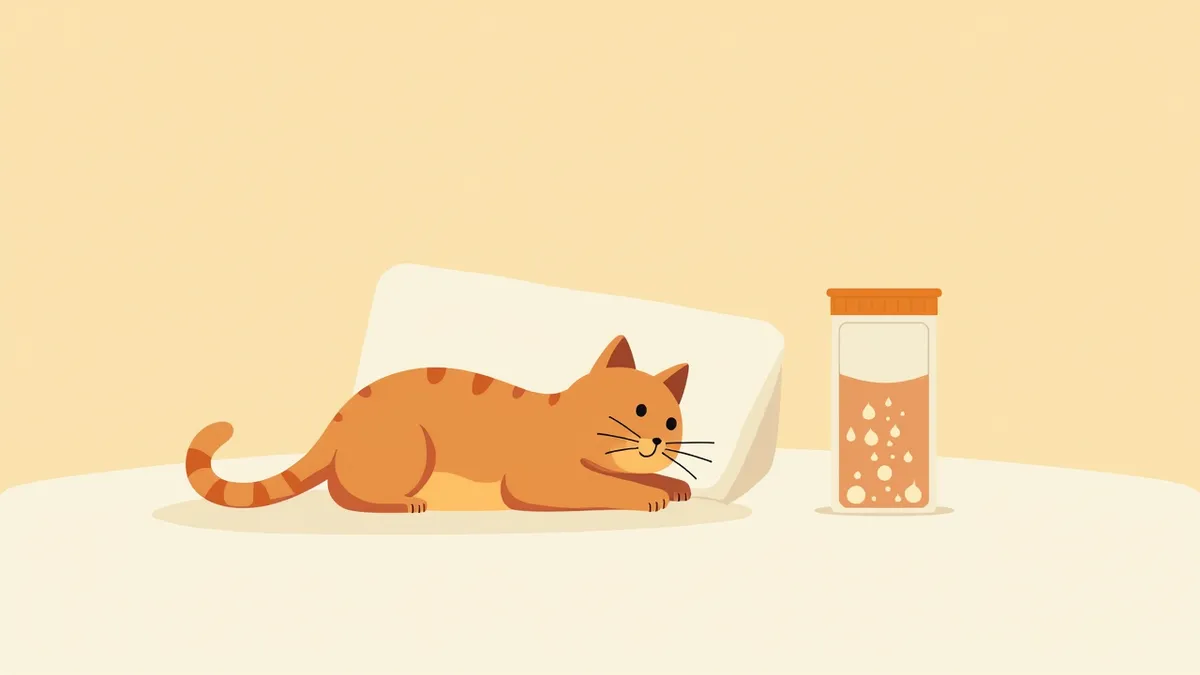
An image showing fluid accumulation in a cat's abdomen
Feline ascites and liver disease involve the accumulation of fluid in the abdominal cavity, often due to impaired liver function among other causes. Ascites can arise from various conditions beyond liver disease, including infectious peritonitis (FIP), intra-abdominal hemorrhage, and uroperitoneum, making early detection, accurate diagnosis, and consistent management essential. Combining proper nutritional care with veterinary guidance can help alleviate symptoms and improve your cat’s quality of life.
Liver-supporting ingredients: In cases of liver disease, cytoprotective agents such as ursodeoxycholic acid or vitamin E may be used as adjunctive therapies (under veterinary prescription).
Fluid and electrolyte management: Ascites or liver disease can lead to electrolyte imbalances, such as potassium disturbances, so correction under veterinary supervision is crucial.
Antioxidant effects: Vitamin E may be utilized as an adjunctive therapy for cholestatic or inflammatory liver diseases.
Dietary management: Nutritional care should provide adequate calories from carbohydrates and fats to prevent protein from being broken down for energy.

Selection Criteria: Guide to Choosing Products for Ascites and Liver Disease Management

When choosing products for managing feline ascites and liver disease, it is essential to verify the ingredients, safety profile, and whether the product is recommended by veterinarians. Effective management should focus on liver protection, electrolyte balance, and appropriate nutritional support.
Evidence-based hepatoprotective ingredients: Look for products containing cell-protective agents supported by veterinary textbooks, such as ursodeoxycholic acid and vitamin E.
Electrolyte correction capabilities: Ascites and liver disease can lead to electrolyte imbalances, such as potassium deficiency, so ensure the product can be used for correction under veterinary guidance.
Nutritional balance: Check that the product provides sufficient calories (from carbohydrates and fats) and appropriate protein levels to prevent protein catabolism.
Veterinary prescription and consultation: Products that are actually used and prescribed in clinical practice tend to be more reliable.
Exclusion of unnecessary ingredients: It is advisable to avoid ingredients that may be harmful to cats, such as high-dose vitamin C.
An image featuring cat food and veterinarian-recommended supplements.

BEST 1: Hepatoprotective Protein Capsules
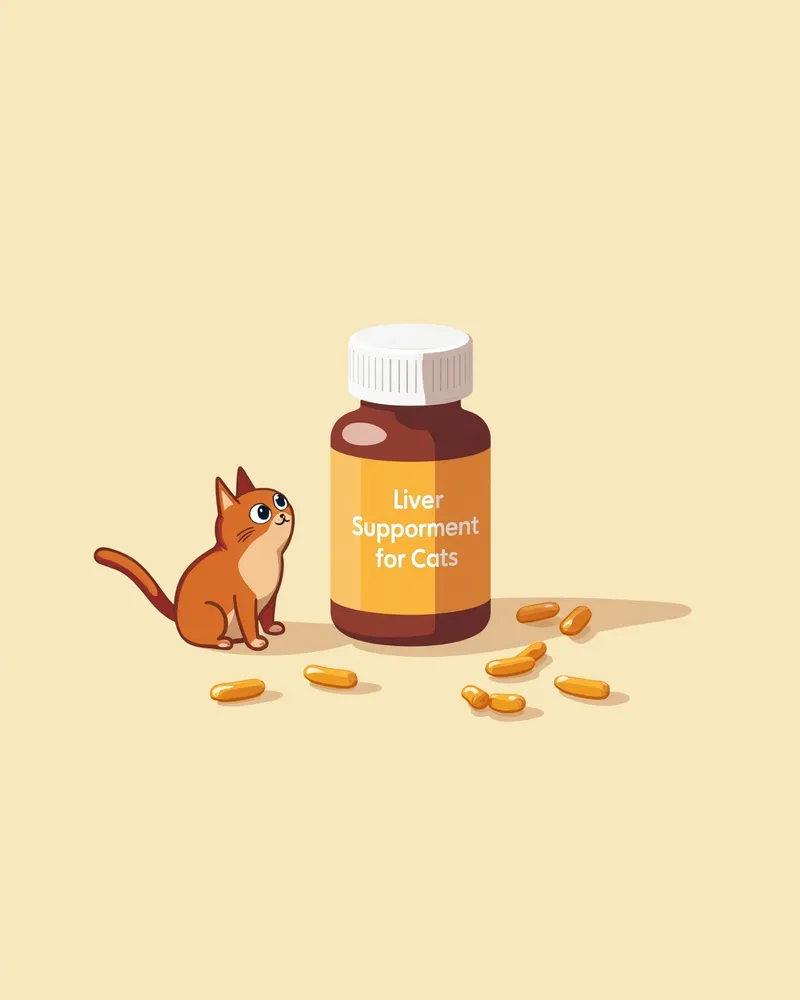
This capsule supplement is formulated with ingredients that support liver function. In cases of liver disease, hepatoprotective agents such as ursodeoxycholic acid and vitamin E are used as adjunctive therapies, alongside nutritional management to provide adequate calories and prevent protein catabolism. If ascites is present, it is advisable to consult a veterinarian for a diagnosis of the underlying cause and appropriate treatment guidance.
Vitamin E: Used as an antioxidant adjunctive therapy for cholestatic and inflammatory liver diseases (approximately 10–15 IU/kg, once daily).
Ursodeoxycholic Acid: Used as an adjunctive treatment for cholestatic and inflammatory liver diseases (according to veterinary prescription).
Low-Irritation Formula: Designed as a liquid-filled capsule for easier administration to cats.
Veterinary Consultation Recommended: Always consult your veterinarian before use to determine the appropriate dosage.
An image featuring a cat liver protection capsule product alongside a cat.

BEST 2: Ascites Control Permit Minerals
This mineral supplement is designed to correct electrolyte imbalances that can accompany ascites or liver disease. While potassium and magnesium do not directly remove excess fluid, replenishing them when deficient can help maintain electrolyte balance and support muscle and nerve function. Electrolyte supplementation must always be carried out under veterinary guidance.
Potassium supplementation: Administer under veterinary supervision when potassium levels are low (e.g., potassium citrate).
Magnesium inclusion: Plays a role in stabilizing muscle function and nerve conduction.
Low-sodium diet management: Dietary management to avoid excessive sodium intake can be beneficial.
Caution against over-supplementation: Excessive amounts can cause adverse effects, so a veterinarian must determine the appropriate dosage.
Product image of a cat electrolyte balance supplement

BEST 3: Special Cat Diet (for Liver Health)
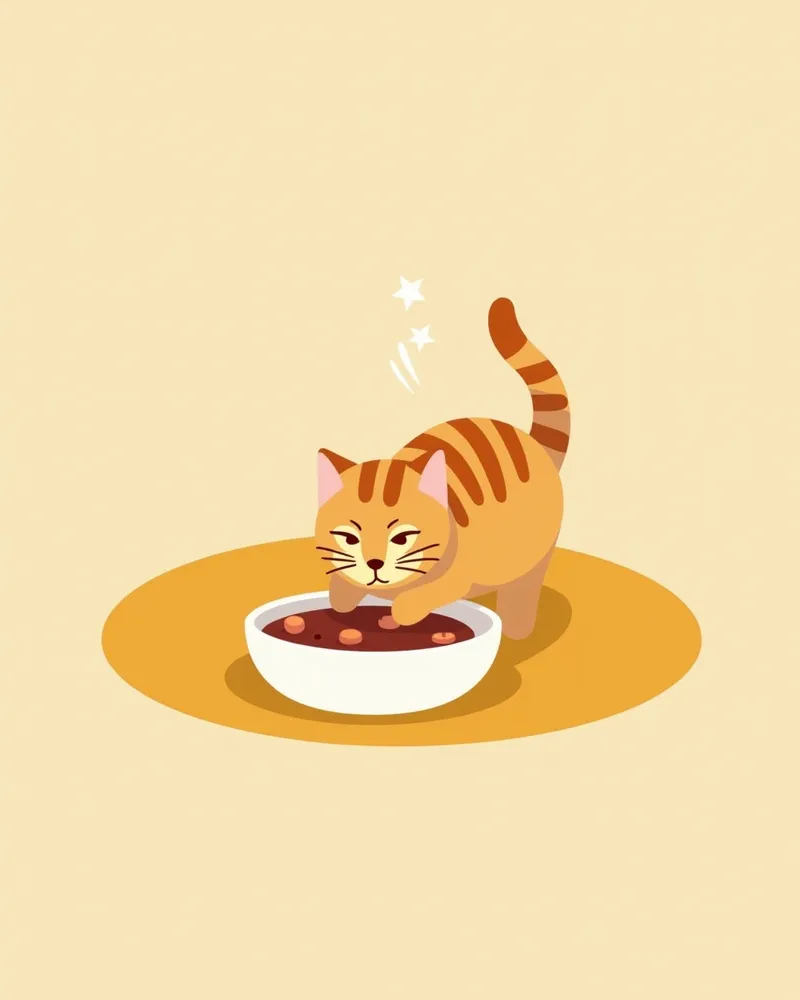
This diet is specially formulated to provide balanced nutrition for cats with compromised liver function. In conditions such as hepatic encephalopathy, it is important to carefully control protein levels to avoid excess, while supplying sufficient calories from carbohydrates and fats to prevent the body from breaking down protein for energy. Including antioxidants like vitamin E can offer additional supportive benefits.
Optimal Protein Levels: High-quality protein is provided in carefully controlled amounts to reduce the workload on the liver.
Antioxidant Support: Antioxidants, such as vitamin E, are included for supplementary support.
Adequate Caloric Intake: Calories are supplied through carbohydrates and fats to prevent the breakdown of protein.
Stage-Specific Dietary Management: The diet can be adjusted in consultation with your veterinarian based on the stage of liver disease or the presence of ascites.
A cat eating special food for liver health

Comparison Table of BEST 1–3 Products

ItemBEST 1: Liver Protection CapsuleBEST 2: Electrolyte Correction MineralsBEST 3: Special Diet
Main IngredientsVitamin E, ursodeoxycholic acidPotassium, magnesiumAppropriate protein, antioxidant ingredients
Main EffectsHepatocyte protection, antioxidantElectrolyte balance correctionReduced liver burden, dietary control
Usage1 capsule per day, taken after meals1 sachet per day, mixed with waterDaily meal amount adjustment
Recommended Age6 months and older6 months and older1 year and older
Usage RecommendationUse after veterinary consultationUse after veterinary consultationUse after veterinary consultation

All products are recommended for use after veterinary prescription or consultation. If ascites symptoms are severe, an immediate hospital visit is required.

Caution: Side Effects May Occur with Overdose

Overdosing on potassium supplements or liver protectants can cause irregular heart rhythms or increased strain on the liver. It is essential that a veterinarian determines the correct dosage based on your pet’s weight and overall health condition.

Usage Tips: Key Points for Managing Feline Ascites

Managing feline ascites and liver disease goes beyond simply administering supplements; daily care is essential. Consistent monitoring and environmental adjustments are key.
Regular weight checks: Weigh your cat once a week to monitor for worsening ascites.
Track water intake: Record daily water consumption to assess fluid balance.
Monitor activity levels: Both excessive activity and lethargy can increase the burden on the liver.
Maintain a stable environment: Minimize stressors to help prevent further decline in liver function.
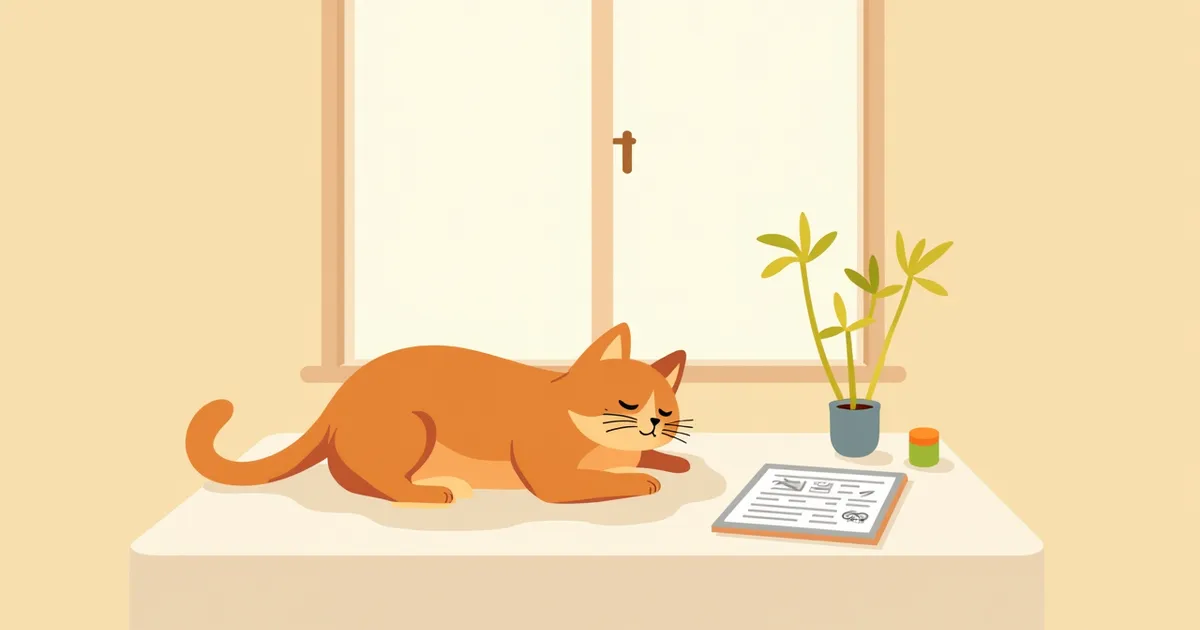
An image accompanying the cat's health record notebook

Reviewed by a veterinarian

Dr. Tony — Punnawat Phongkittirak

Dr. Tony — Punnawat Phongkittirak

Veterinarian

A veterinarian who majored in veterinary medicine at Khon Kaen University, Thailand, and completed the IVSA program at North Carolina State University in the United States. Drawing on clinical experience at animal hospitals, he works in the pet healthcare field and is dedicated to building a digital care environment that connects pet parents with veterinarians.

Frequently Asked Questions

Should I take my cat to the vet immediately if it develops ascites?
Yes, if the ascites increases rapidly or if there is difficulty breathing or loss of appetite, immediate veterinary care is necessary. Ascites can be caused by various conditions other than liver disease, such as FIP or intra-abdominal bleeding, making an accurate diagnosis essential.
Is it safe to give liver protectants to my pet for their entire life?
It can be taken long-term under a veterinarian’s guidance. However, it should be used while regularly monitoring liver function through periodic tests.
If you switch to a special diet, your cat may refuse to eat it.
Transition gradually by mixing the new food with the old. Start with 10% special diet and 90% current food, adjusting the ratio every week.
When is the best time to administer potassium supplements?
It's best to administer it with food. Supplements like potassium citrate cause less gastrointestinal irritation when given alongside your pet's regular diet. Your veterinarian will determine the exact dosage and timing based on your pet's weight and condition.
Are products for managing ascites covered by pet insurance?
While standard pet insurance typically doesn’t cover liver disease treatment, some specialized pet insurance plans may offer partial coverage. Please contact your insurance provider for details.

Share

Related Guides

References

[1] Hoskins, J.D. et al. (2020) Canine and Feline Hepatic Disease: Diagnosis and Management. Veterinary Clinics of North America: Small Animal Practice, 50(3), 451–472.

[2] Petersen, J. et al. (2019) Nutritional Support in Feline Liver Disease: A Review of Clinical Evidence. Journal of Feline Medicine and Surgery, 21(8), 689–701.

[3] American Association of Feline Practitioners (AAFP). (2022) Feline Liver Disease Guidelines. AAFP Feline Medicine Guidelines.

This information is based on veterinary literature and does not replace diagnosis or treatment. Please consult a veterinarian for specific health concerns.

Metapet Co., Ltd. | CEO: Park Sung-yong | Business Reg. No. 417-88-02562 | Seoul, South Korea | Customer Center

Vet-Recommended: 7 Best Tips for Feline Ascites & Liver Disease | Meongsiljang