Like
Share
멍실장
강아지 이갈기(이악물기) 관리 추천 BEST와 고르는 기준 총정리

7 Key Causes and Management Essentials for Dog Teeth Grinding Explained by a Veterinarian

Oral HealthTop PicksMeongsiljang Veterinary Advisory Board

Dog teeth grinding can be caused by stress, pain, or behavioral issues. Choosing the right care products and methods can help alleviate these symptoms.

What Is Dog Teeth Grinding (Gnawing)?
A puppy quietly grinding its teeth
Teeth grinding or gnawing in dogs is a repetitive behavior involving tightly clenching or grinding the teeth. Rather than being a mere habit, it can signal oral pain or emotional distress. According to veterinary textbooks, oral diseases such as periodontal disease, tooth fractures, stomatitis, and oral mucosal ulcers can cause pain that makes it difficult for the jaw to open and close normally. In these cases, symptoms like drooling or difficulty chewing food may also appear. Additionally, emotional factors such as stress or separation anxiety can be involved. - Diagnosing the cause is the priority: It is essential to confirm the presence of pain or dental disease through basic examinations and an oral checkup. - Characteristics of the behavior: The behavior is repetitive and tends to worsen in situations involving pain or stress. - Risks of neglect: Excessive force, such as biting hard objects, can lead to tooth fractures. - Key to management: Environmental adjustments, dental care, and veterinary prescriptions when necessary should be combined. Since teeth grinding is a sign reflecting health status, veterinary consultation should take precedence over self-diagnosis.

Criteria for Choosing Dog Teeth Grinding Management Products
When choosing products or supplements to manage your dog’s teeth grinding, safety should always be your top priority. Labels like “natural” or “herbal” don’t automatically mean a product is safe. According to veterinary toxicology textbooks, essential oils and certain plant or herbal ingredients can be toxic to dogs, so caution is essential. - Verify ingredient safety: Always check whether the product contains potentially toxic ingredients, such as essential oils. - Choose the right form for your needs: Gels, capsules, and sprays each have different application methods and associated risks. - Consider individual factors: Adjust whether and how you use the product based on your dog’s age, weight, and any underlying health conditions. - Consult your veterinarian: If your dog has underlying health issues, allergies, or suspected oral pain, it’s safest to seek professional advice before use. - Address the root cause first: Rather than relying solely on products, it’s important to first diagnose underlying causes such as dental disease or anxiety.
Products for managing your dog’s teeth grinding

BEST 1: Natural Ingredient Teeth Grinding Relief Gel
This product contains essential oils such as lemongrass and lavender. However, according to veterinary toxicology textbooks, essential oils can be toxic to dogs, so caution is advised when applying them directly to the mouth. - Efficacy needs verification: There is no evidence in textbooks that essential oils alleviate teeth grinding. - Caution regarding irritation and toxicity: It is difficult to definitively claim low irritation, and exposure to essential oils carries a risk of poisoning. - Consult before use: Even in gel form, please confirm the safety of the ingredients with a veterinarian before applying to the mouth. - Prioritize proven oral care: Brushing to control plaque and regular professional scaling have clearer evidence of effectiveness. - Monitor for reactions: If you observe abnormalities such as drooling or vomiting after use, discontinue immediately and consult a veterinarian.
Natural ingredient gel for soothing teething discomfort

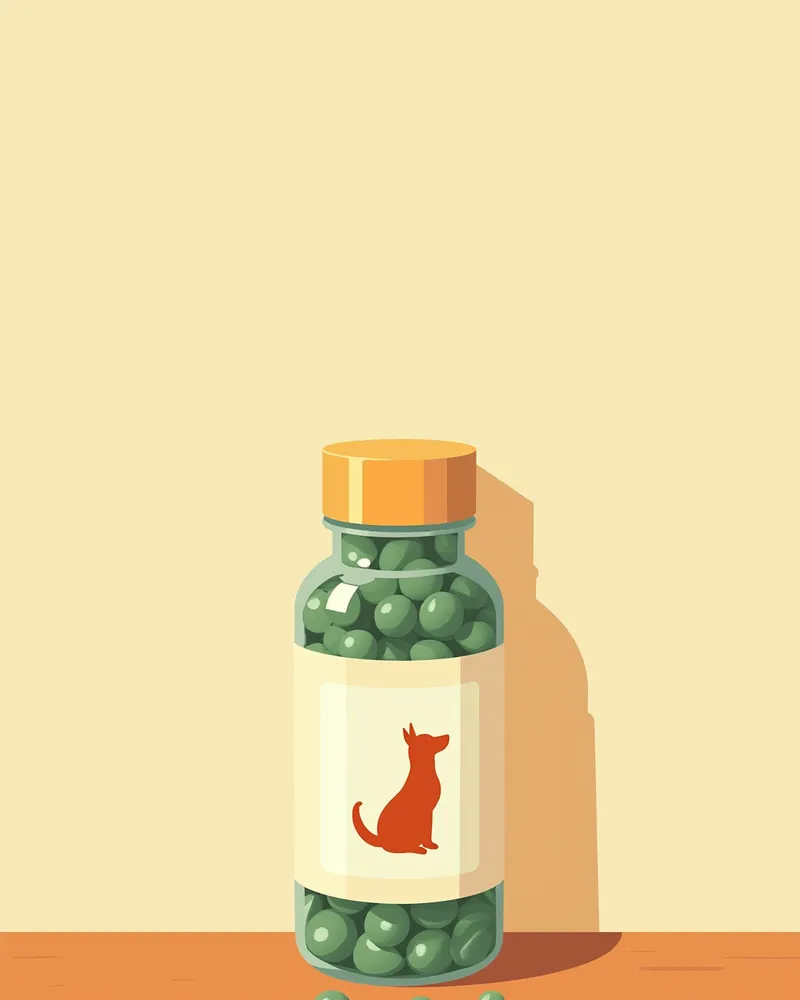
BEST 2: Stress Relief Herb Capsules

This capsule is made with plant and herbal ingredients such as lemon balm, lavender, and garlic. However, because some herbs and plant-based ingredients can be toxic to dogs, you cannot assume it is safe simply because it contains natural ingredients. - Do not assume safety: There is no evidence in veterinary textbooks to support claims that this product has few side effects or is safe for long-term use. - Consider weight and underlying conditions: For safety, consult your veterinarian to determine whether your dog should take this product and at what dosage. - Separation anxiety requires behavior-focused management: The most evidence-based approach to separation anxiety involves behavioral modification, such as departure training and environmental adjustments. - Use supplements under veterinary guidance: It is recommended to use anti-anxiety supplements or pheromones only under the prescription and guidance of a professional. - Monitor for dietary changes: When introducing new ingredients, watch for signs of refusal or digestive upset.
Stress Relief Herb Capsules

BEST 3: Teeth Grinding Prevention Herb Spray
Although this spray is marketed as being made with natural herbal ingredients, any product applied directly to the mouth should first be verified for ingredient safety. There is no evidence in veterinary textbooks to support the claim that scent alone can reduce bruxism. - Immediate effects are unverified: Claims that tension is relieved immediately upon spraying lack sufficient evidence. - Unclear link between scent and reduced bruxism: There is no medical evidence confirming that scent reduces bruxism. - Caution regarding ingredient toxicity: Some ingredients, such as essential oils, may be toxic and should be checked before use. - Environmental stress management: In situations with high external stimuli, environmental adjustments and behavioral management are more beneficial. - Monitor for reactions: If any adverse reactions occur after use, discontinue immediately and consult your veterinarian.
Herbal spray to prevent teeth grinding

Comparison Table of Products BEST 1–3

Item주요 성분사용 방법추천 상황
BEST 1 이갈기 젤레몬그라스, 라벤더 오일(에센셜 오일)이빨에 바르기하루 1~2회
BEST 2 허브 캡슐레몬밤, 마늘, 라벤더식사와 함께 복용하루 1정
BEST 3 허브 스프레이천연 허브 혼합물입 안에 뿌리기하루 2~3회

'천연·허브' 표시가 안전을 보장하지는 않아요. 에센셜 오일이나 일부 식물·허브 성분은 강아지에게 독성을 일으킬 수 있고, 이갈기 완화 효과도 수의학 교과서로 확인되지 않아요. 사용 전 수의사와 성분 안전성을 확인하고, 강아지의 반응을 관찰하세요.

Precautions and Contraindications

Before using any dental care product, check your dog’s overall health and look for signs of oral pain. Even products labeled “natural” or “herbal” can contain essential oils or plant extracts that are toxic to dogs, so always have your veterinarian verify the safety of the ingredients before applying them to your dog’s mouth or allowing ingestion. Dogs with allergies or sensitivities to herbal ingredients require extra caution. If you notice any discomfort, excessive drooling, vomiting, or diarrhea after use, stop the product immediately and consult your veterinarian.

Usage Tips and Practical Application Methods
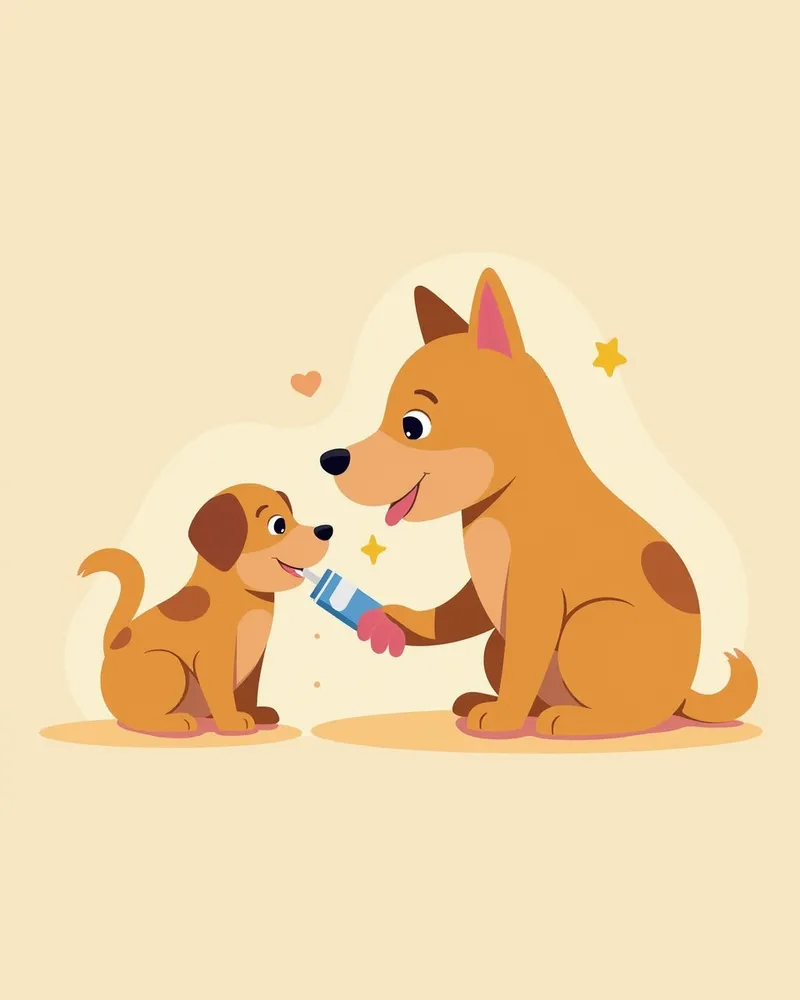
Teeth grinding is more effective when managed alongside addressing the underlying cause and adjusting the environment, rather than relying on the product alone. Most importantly, it’s crucial to first have a veterinarian diagnose potential causes such as oral pain, dental disease, or anxiety. - Prioritize environmental adjustments: Reducing stressors and providing appropriate alternatives like nose work or food puzzles when your pet is alone can be helpful. - Combine with dental care: Regular tooth brushing to control plaque and periodic professional cleanings are well-supported by evidence. - Verify ingredient safety: Before using any product in the mouth, check for potentially toxic ingredients such as essential oils. - Monitor consistently: If adverse reactions like drooling, vomiting, or diarrhea occur after use, stop immediately. - Collaborate with your veterinarian: For persistent issues, it’s best to develop a management plan together with a behavior specialist or veterinarian.
Applying a teething gel to a puppy's gums

Reviewed by a veterinarian

Dr. Tony — Punnawat Phongkittirak

Dr. Tony — Punnawat Phongkittirak

Veterinarian

A veterinarian who majored in veterinary medicine at Khon Kaen University, Thailand, and completed the IVSA program at North Carolina State University in the United States. Drawing on clinical experience at animal hospitals, he works in the pet healthcare field and is dedicated to building a digital care environment that connects pet parents with veterinarians.

Frequently Asked Questions

When does teething typically begin?
Teeth grinding can vary depending on a dog’s age and circumstances, so it may occur at any stage of life. It tends to be more common when there is oral pain, dental disease, or stress, so if it happens repeatedly, it’s a good idea to have a veterinarian check for the underlying cause.
How long should I use the dental chew product?
It’s difficult to say with certainty that the product will work within a specific timeframe. Since there’s limited evidence supporting its effectiveness, if your pet continues to grind its teeth, it’s more important to have a veterinarian diagnose the underlying cause rather than simply extending the duration of use.
Is it safe for children to eat this dental chew?
Even products labeled as “natural” aren’t guaranteed to be safe for your dog to ingest. Certain plant and herbal ingredients, such as essential oils and garlic, can be toxic to dogs. Avoid letting your dog swallow them, and always check with your veterinarian about their safety before use.
What should I do if my pet shows other symptoms besides grinding its teeth?
If your pet is experiencing a loss of appetite, drooling, or vomiting along with teeth grinding, please consult a veterinarian immediately. These symptoms may indicate oral pain or another underlying health issue.
Can I give the hairball remedy along with other supplements?
Whether it’s safe to give them together depends on the ingredients. Some herbal and essential oil components can be toxic or cause harmful interactions, so it’s best to consult your veterinarian before combining them with other supplements.

Share

Related Guides

References

[1] Bain, M.J. and Fan, C.M. (2012). Animal behavior case of the month. J. Am. Vet. Med. Assoc. 240 (6): 673–675.

[2] Udell, M.A.R., Dorey, N.R., and Wynne, C.D.L. (2010). The performance of stray dogs (Canis familiaris) living in a shelter on human-guided object-choice tasks. Anim. Behav. 79: 717–725.

[3] Weinstock, M. (2008). The long-term behavioural consequences of prenatal stress. Neurosci. Biobehav. Rev. 32: 1073–1086.

This information is based on veterinary literature and does not replace diagnosis or treatment. Please consult a veterinarian for specific health concerns.

Metapet Co., Ltd. | CEO: Park Sung-yong | Business Reg. No. 417-88-02562 | Seoul, South Korea | Customer Center

7 Causes of Dog Teeth Grinding & Vet Care Essentials | Meongsiljang