

Top Recommendations and Selection Criteria for Your Cat’s First Vet Visit
A cat’s first visit to the vet is a crucial moment for accurately assessing its health and starting vaccinations. Proper preparation and care help reduce stress and support healthy growth.
Your Cat’s First Vet Visit Is a Healthy Start
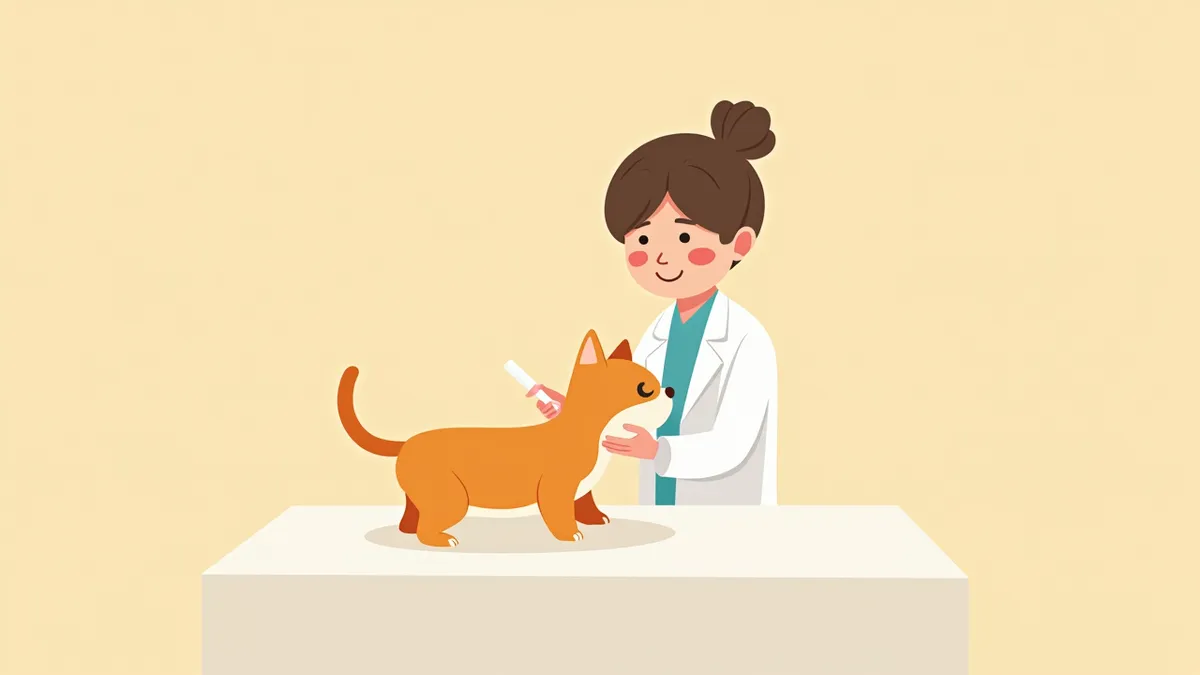
Key Summary: Preparing for the First Vet Visit

Key 1: Carrier Familiarization and Record Preparation Before the Visit

Key 2: What to Expect During the First Visit

Key 3: Reducing Stress and Building a Positive Relationship

Essentials to Prepare for the First Vet Visit
| Item | Key point |
|---|---|
| Advance preparation | Acclimate to the carrier; bring health/vaccination records and notes on symptoms and food |
| What you'll get | Weight and health check, parasite testing/deworming, vaccination plan consultation |
| Prepare questions | Organize questions in advance about food, neutering timing, behavior, etc. |
| Stress relief | Cover the carrier with a blanket; reward with praise/treats after the visit |
| Habit formation | Make a cat-friendly clinic your regular vet + build a habit of regular health checkups |
This is not a table recommending specific products or devices, but rather key points to reference for at-home care. Always consult your veterinarian for interpreting measurements and making treatment decisions.
Caution: Mistakes to Absolutely Avoid During Your Cat’s First Visit
Cats can become stressed from the moment they arrive at the clinic. It’s best to avoid these common mistakes.
Tips: How to Make Your Cat’s First Visit More Comfortable

Reviewed by a veterinarian

Dr. Tony — Punnawat Phongkittirak
VeterinarianA veterinarian who majored in veterinary medicine at Khon Kaen University, Thailand, and completed the IVSA program at North Carolina State University in the United States. Drawing on clinical experience at animal hospitals, he works in the pet healthcare field and is dedicated to building a digital care environment that connects pet parents with veterinarians.
Reviewed 2026-06-29
Frequently Asked Questions
When should I bring my cat in for its first vet visit?
How many times should my pet receive vaccinations?
My cat hates going to the vet. What should I do?
What items should I bring for my pet’s first visit?
What should I do if my pet experiences side effects after vaccination?
Share
Related Guides

Top Recommendations and Selection Criteria for Cat FIV and FeLV Testing
Top Microchip Implantation Management Recommendations for Dogs and Key Selection Criteria

Complete Guide to Choosing, Comparing, and Managing the Best Heartworm Preventives for Dogs

7 Key Symptoms and Management Essentials for Canine Glaucoma Recommended by Veterinarians

Dog Fluorescein Corneal Stain Test — 7 Key Points for Detecting Corneal Injuries

7 Key Points for Managing Canine Eyelid Tumors, According to Veterinarians

7 Key Points for Managing Entropion in Dogs Recommended by Veterinarians

Veterinarian-Recommended Top 7 Eye Care Products for Canine Ectropion (Eyelid Turning Outward)

7 Key Points for Managing Canine Corneal Ulcers and Erosions, as Recommended by Veterinarians

7 Key Points for Emergency Management of Canine Corneal Perforation Recommended by Veterinarians
References
[1] AAFP-AAHA. (2020). Feline Life Stage Guidelines. Journal of the American Animal Hospital Association, 56(1), 70-85.
[2] Volk, J.O., et al. (2011). Executive summary of the Bayer veterinary care usage study. Journal of the American Veterinary Medical Association, 238(10), 1275-1282.
[3] Rodan, I., et al. (2010). AAFP-AAHA Feline Life Stage Guidelines. Journal of the American Animal Hospital Association, 46(1), 70-85.