Like
Share
멍실장
강아지 첫 동물병원 방문 관리 추천 BEST와 고르는 기준 총정리

Best Practices and Selection Criteria for Your Puppy’s First Vet Visit

Lifestyle & Age CareTop PicksMeongsiljang Veterinary Advisory Board

A puppy’s first visit to the veterinary clinic is a crucial moment for accurately assessing its health and initiating vaccinations. Proper preparation and care can help minimize stress and support healthy growth.

Your Puppy’s First Vet Visit Is a Healthy Start
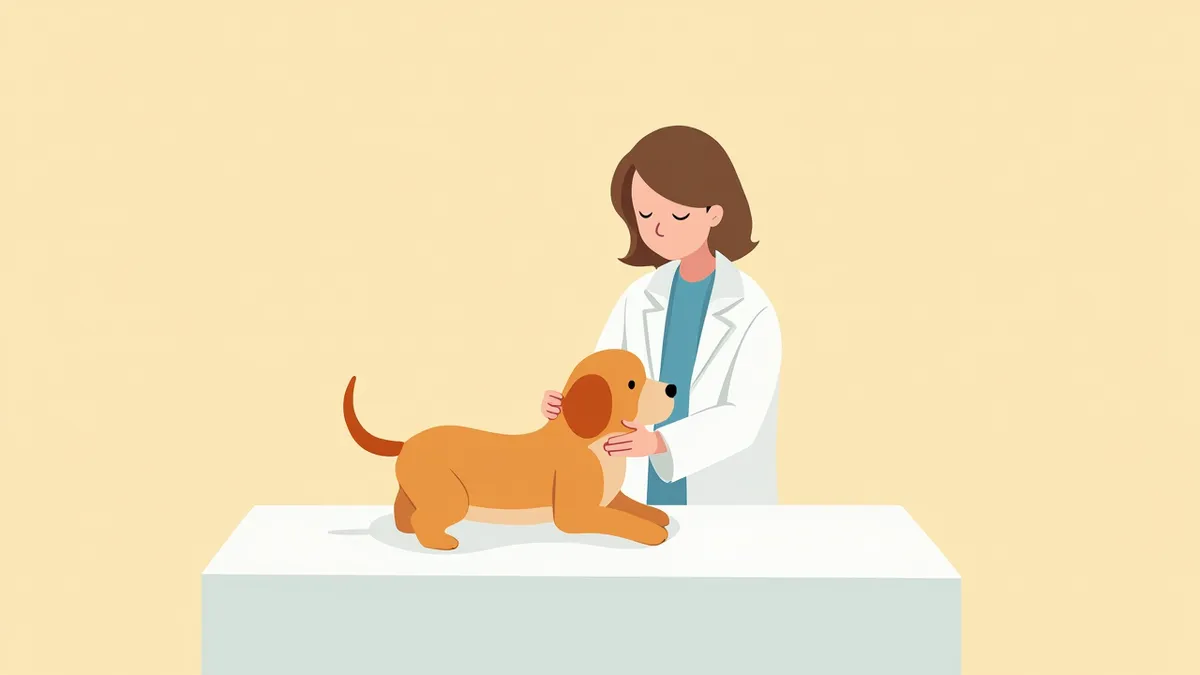
A veterinarian examining an adolescent puppy.
A puppy’s first visit to the vet is a crucial moment for accurately assessing its health and beginning vaccinations. Proper preparation can minimize stress and lay the foundation for long-term health care.
Vaccination Schedule: Vaccinations are administered in multiple doses starting at a young age, following the veterinarian’s guidance, and continued at recommended intervals thereafter. The exact number of doses and timing should be determined in consultation with your vet, based on your puppy’s condition and local factors.
Health Checkup: A comprehensive evaluation of weight, heart, lungs, eyes, ears, teeth, and skin is conducted, along with screening for any congenital abnormalities in young puppies.
Hygiene Assessment: The vet will check bowel habits, coat condition, and signs of external parasites.
Behavioral Evaluation: Traits such as aggression, fearfulness, and activity levels are assessed.
Through this process, your puppy’s overall health is documented, and a plan for future care is established.

Key Summary: Preparing for the First Vet Visit
The key to your puppy’s first vet visit is minimizing stress. Choose a clinic that meets the following criteria:
Puppy-dedicated space: Reduces stress by limiting contact with other animals.
Experienced veterinarian: A clinic with professionals familiar with puppy behavior is ideal.
Calm atmosphere: A quiet environment with minimal noise and soft lighting.
Appointment system: Shorter wait times and pre-visit preparation guidance.
Emergency response system: Equipped with the necessary tools and staff to handle urgent situations.
Selecting a clinic that meets these standards ensures your puppy can undergo examinations comfortably, giving you peace of mind as well.
A puppy waiting at the reception desk of a quiet veterinary clinic.

Key 1: Carrier Familiarization and Record Preparation Before the Visit

The first vet visit can be unfamiliar and stressful for your puppy, so getting them accustomed to their carrier in advance can significantly reduce anxiety. Leave the carrier open at home with treats or a familiar blanket inside so it feels like a comfortable, safe space. Bring any health and vaccination records from the shelter or breeder, as well as notes on their current diet and any symptoms you’ve observed—these details help streamline the examination. Booking an appointment in advance also helps minimize wait times.
A veterinarian smiling while holding a puppy.

Key 2: What to Expect During the First Visit

During the first visit, we typically measure your pet’s weight, conduct a general health check, perform parasite testing and deworming, and discuss a vaccination schedule appropriate for their age. It’s helpful to write down any questions you have in advance—about food, the right time for spaying or neutering, behavior, and so on—so you don’t forget to ask. Sharing details about your pet’s daily eating habits, bowel movements, and energy level helps us assess their health more accurately. This initial visit also serves as an opportunity to establish a baseline record of your pet’s normal health status.
A young puppy waiting safely in a soft crate.

Key 3: Reducing Stress and Building a Positive Relationship

Helping your dog see the vet as a familiar, comforting place rather than a scary one makes lifelong health care much easier. During transport, cover the carrier with a blanket to provide a sense of security, and after the visit, offer praise and treats to create positive associations. Choosing a clinic that offers a dog-friendly environment as your regular vet will make visits more comfortable for your pet. Starting with the first visit, establishing a routine of regular health check-ups is highly beneficial for early disease detection.
A veterinarian reviewing a dog’s health data on a tablet.

Essentials for Your Puppy’s First Vet Visit

ItemKey Points
Advance PreparationAcclimate to the carrier; bring health/vaccination records and notes on symptoms and food
What You GetWeight/health check, parasite testing/deworming, vaccination plan consultation
Prepare QuestionsOrganize questions in advance about food, neutering timing, behavior, etc.
Stress ReliefCover the carrier with a blanket; reward with praise and treats after the visit
Habit FormationMake it a habit to have a regular dog-friendly clinic and routine health checkups

This is not a table recommending specific products or devices, but key points to reference for at-home care. Always consult your veterinarian for interpreting measurements and making treatment decisions.

Caution: Mistakes to Absolutely Avoid During Your Puppy’s First Visit

Your dog can become stressed the moment they arrive at the clinic. It’s best to avoid these common mistakes.

Tips: How to Make Your Puppy’s First Visit More Comfortable
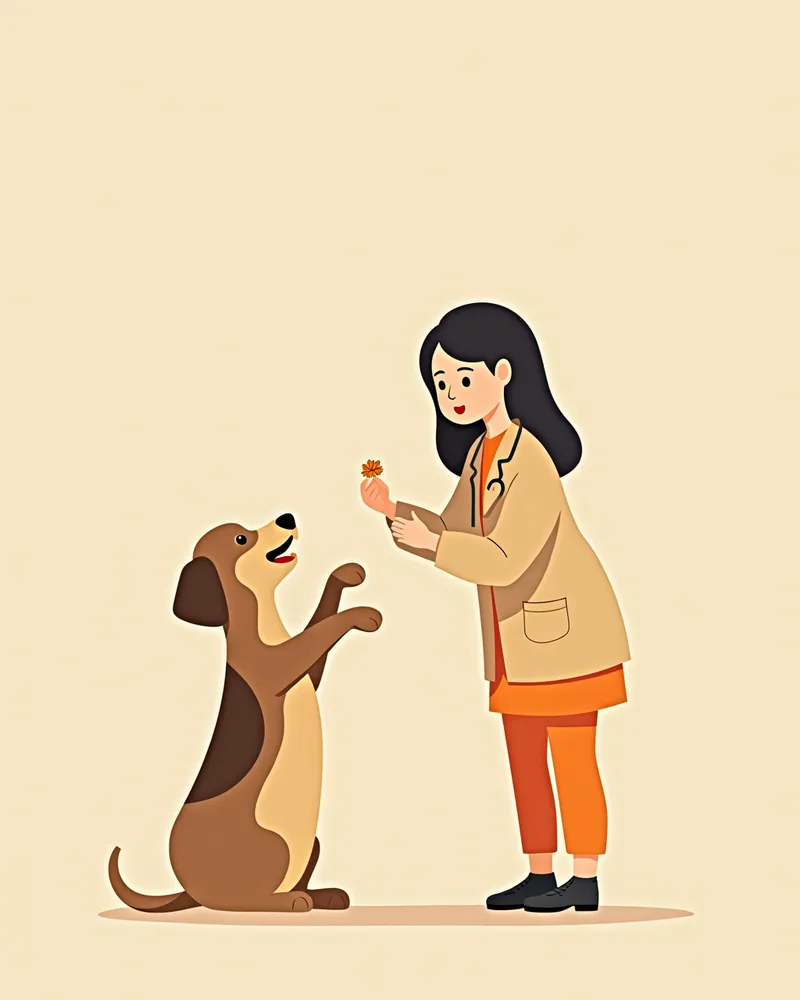
Proper preparation is key to ensuring your puppy’s first vet visit goes smoothly.
Carrier Familiarization: Start placing your puppy in the carrier regularly about a week before the appointment to help reduce anxiety.
Treats: Avoid feeding a large meal right before the visit, but bring a small amount of your puppy’s favorite treats. These can be used as rewards and distractions during the exam. Redirecting attention with food or toys can significantly reduce stress during the checkup.
Calming Scents: Place a scent your puppy enjoys or finds calming (such as pheromones) inside the carrier.
Quiet Environment: Minimize exposure to noisy toys or interactions with other animals at the clinic as much as possible.
Calm Waiting: Wait quietly so your puppy can remain relaxed and comfortable during the examination.
Following these tips will help your puppy have a more comfortable checkup experience and give you peace of mind.
A pet owner giving a treat to their dog during a veterinary examination.

Reviewed by a veterinarian

Dr. Tony — Punnawat Phongkittirak

Dr. Tony — Punnawat Phongkittirak

Veterinarian

A veterinarian who majored in veterinary medicine at Khon Kaen University, Thailand, and completed the IVSA program at North Carolina State University in the United States. Drawing on clinical experience at animal hospitals, he works in the pet healthcare field and is dedicated to building a digital care environment that connects pet parents with veterinarians.

Frequently Asked Questions

When should I bring my puppy in for its first vet visit?
While many pet owners begin veterinary visits early in life, the ideal timing for the first appointment depends on when you adopt your pet and their current health status. It’s best to consult with your veterinarian to create a coordinated plan for vaccinations and health check-ups.
How many times should my pet receive vaccinations?
In their early years, vaccinations are given in multiple doses, followed by booster shots on the schedule recommended by your veterinarian. The exact number of doses and intervals should be determined by your vet based on your pet’s individual health status.
My dog hates going to the vet. What should I do?
You can help reduce your pet’s stress by getting them used to their carrier, using calming pheromones, and taking advantage of at-home veterinary check-up services.
What items should I bring for my pet’s first visit?
We have a carrier, a pheromone diffuser, treats your dog loves, a health record book, and a water bowl.
What should I do if my pet experiences side effects after vaccination?
After vaccination, your pet may experience temporary lethargy or a decreased appetite. However, if you notice severe fever, repeated vomiting, or difficulty breathing, please contact your veterinarian immediately without delay.

Share

Related Guides

References

[1] The Dog Care Handbook, Things I Wish My Vet Had Told Me, 2024

[2] American Veterinary Medical Association (AVMA), Puppy Care Guidelines, 2023

[3] 수의내과학 교과서, 제4판, 2022

This information is based on veterinary literature and does not replace diagnosis or treatment. Please consult a veterinarian for specific health concerns.

Metapet Co., Ltd. | CEO: Park Sung-yong | Business Reg. No. 417-88-02562 | Seoul, South Korea | Customer Center

Puppy's First Vet Visit: Best Practices & How to Prepare | Meongsiljang