
Like
Share
멍실장
고양이 치주질환 단계별 관리 관리 추천 BEST와 고르는 기준 총정리

7 Best Stage-Specific Management Tips for Feline Periodontal Disease and Selection Criteria by Veterinarians

Oral HealthTop PicksMeongsiljang Veterinary Advisory Board

Feline periodontal disease can progress from early stages to severe tooth loss. See stage-specific care tips and recommended products at a glance.

What Is Stage-Specific Management for Feline Periodontal Disease?

A veterinarian cleaning a cat's teeth
Feline periodontal disease is a condition in which plaque bacteria and inflammation affect the supporting structures of the teeth, including the gums, periodontal ligament, and alveolar bone. If left untreated, it can lead to tooth loss. - Early stage (gingivitis): The gums become red and swollen, and bleeding may occur during brushing or probing as plaque begins to accumulate. Since inflammation at this stage is confined to the gums and is reversible, daily home care such as brushing can effectively manage plaque. - Intermediate stage: As inflammation progresses, the gums become more swollen and painful, and may pull away from the teeth, forming periodontal pockets. At this point, professional veterinary scaling and assessment are necessary. - Severe stage (periodontitis): Loss of alveolar bone causes teeth to become loose and fall out, while appetite decreases and bad breath worsens. Because alveolar bone loss is generally irreversible, veterinary treatment must be combined with consistent care by the pet owner. Tailored management for each stage is key.

Selection Criteria: How to Choose Stage-Specific Tailored Management Products
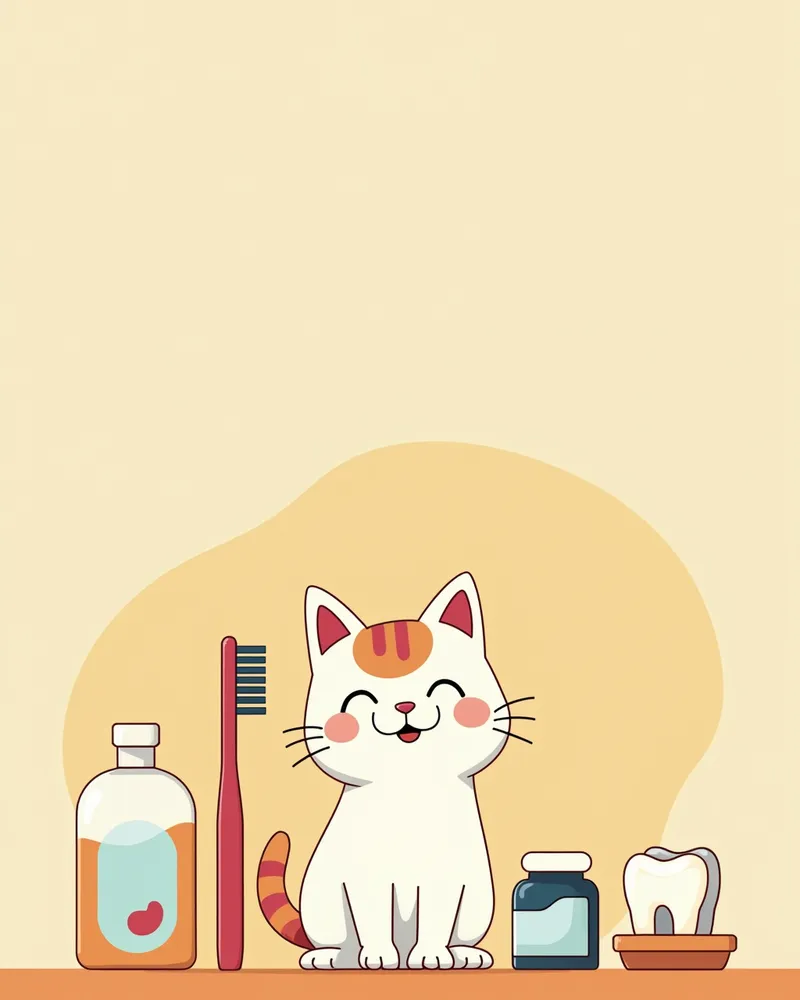
Managing feline periodontal disease requires a tailored approach depending on the stage of progression. - Early stage: The key is plaque removal, making daily tooth brushing the most important step. Cat-specific toothpastes are flavored to encourage acceptance and help establish a routine. - Moderate stage: Home plaque control alone has limitations, so regular veterinary scaling and evaluation under anesthesia are necessary. Dental treats and similar products should only be used as supplementary aids. - Advanced stage: This stage involves loose teeth and alveolar bone loss, requiring veterinary diagnosis and professional treatment, such as extractions when indicated. Home care plays a supportive role. When selecting products, consider your cat’s response and ease of use, but remember that no product can cure established periodontal disease or restore lost tissue.
A collection of products for managing feline periodontal disease

BEST 1: Plaque Removal Toothpaste (Recommended for Early Stage)
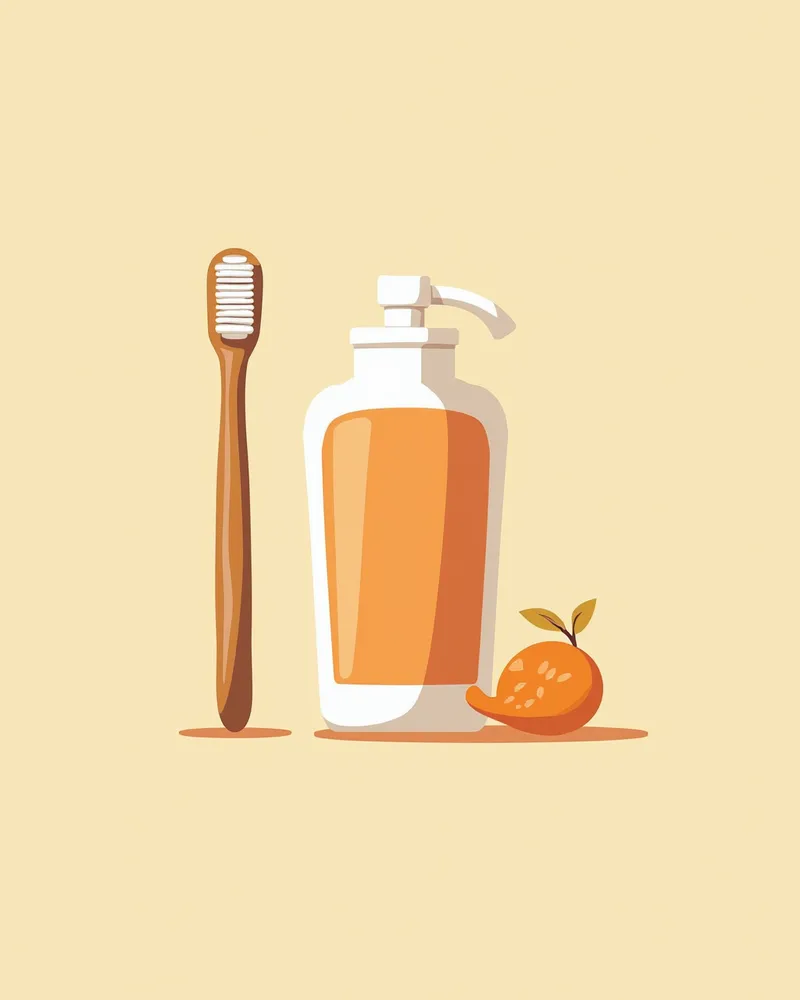
This toothpaste is specially formulated to effectively remove plaque buildup on your cat’s teeth. Made with safe, non-toxic ingredients, it’s harmless if swallowed, and its appealing flavor encourages natural acceptance. For best results, apply to a toothbrush and use once or twice daily to prevent early plaque accumulation. We especially recommend it for pet owners looking to proactively maintain their cat’s dental health, as regular brushing plays a key role in managing the early stages of periodontal disease.
Product image of cat-specific toothpaste

BEST 2: Dental Chews with Anti-Inflammatory Ingredients (Recommended for Mid-Stage)

This treat is a supplementary product that can help physically reduce plaque on your cat’s teeth through the act of chewing. - Chewing action: Chewing on the firm texture can help somewhat reduce plaque buildup. - Texture design: It is crafted with a firm texture that allows cats to chew naturally. - Flavor design: The strong fishy flavor stimulates your cat’s curiosity, resulting in fewer refusals. - Supplementary use: Treats alone cannot completely remove plaque, so daily tooth brushing and regular veterinary check-ups are necessary to achieve effective results. - Caution: If your cat already has gingivitis or loose teeth, do not rely on treats; prioritize professional veterinary treatment instead.
A cat enjoying a dental chew treat.

BEST 3: Products for Tooth Protection and Pain Relief (Recommended for Severe Stage)

This product is designed for owners to use at home as a supportive measure in advanced stages of periodontal disease. However, please be aware that alveolar bone loss caused by progressed periodontitis is generally irreversible, so this product alone cannot regenerate damaged periodontal supporting tissues. - Supportive Use: It may help reduce external irritation on the tooth surface, but it does not repair damaged periodontal tissues. - Support for Pain and Appetite Management: While it can assist cats with reduced appetite due to pain, veterinary assessment must take priority for pain management. - Prioritize Veterinary Treatment: Loose teeth often require extraction, so please consult your veterinarian before use. - Monitor for Reactions: Carefully observe any changes in your cat’s condition after using the product. - Management of Advanced Stages: Home care is strictly supportive; effective management requires professional veterinary treatment as the primary approach.
Cat Dental Care and Pain Relief Supplement

Comparison Table of BEST 1–3 Products

ItemApplication StageMain IngredientsHow to Use
BEST 1 ToothpasteEarlyPlaque-removing ingredientsEdible jelly base
BEST 2 TreatsMiddlePhysical plaque reduction through chewing actionChewable form
BEST 3 SupplementSeverePain-relief supporting ingredientsDrop form

Choosing according to each stage is important. However, no product can treat advanced periodontitis or restore already-lost alveolar bone, so it must always be combined with veterinary examination and scaling.

Caution: Risk of Worsening Due to Improper Management

Feline periodontal disease isn’t just a problem with the teeth—it’s an inflammation and infection affecting all the supporting structures, including the gums, periodontal ligaments, and alveolar bone. In humans, periodontal disease is known to be linked to systemic conditions like heart disease and diabetes, and similar connections are being actively studied in pets as well. If you rely solely on home care and delay professional veterinary treatment, you may see accelerated bone loss and tooth loss. That’s why regular check-ups with your veterinarian are essential.

Usage Tips: How to Prevent Your Cat from Refusing Products
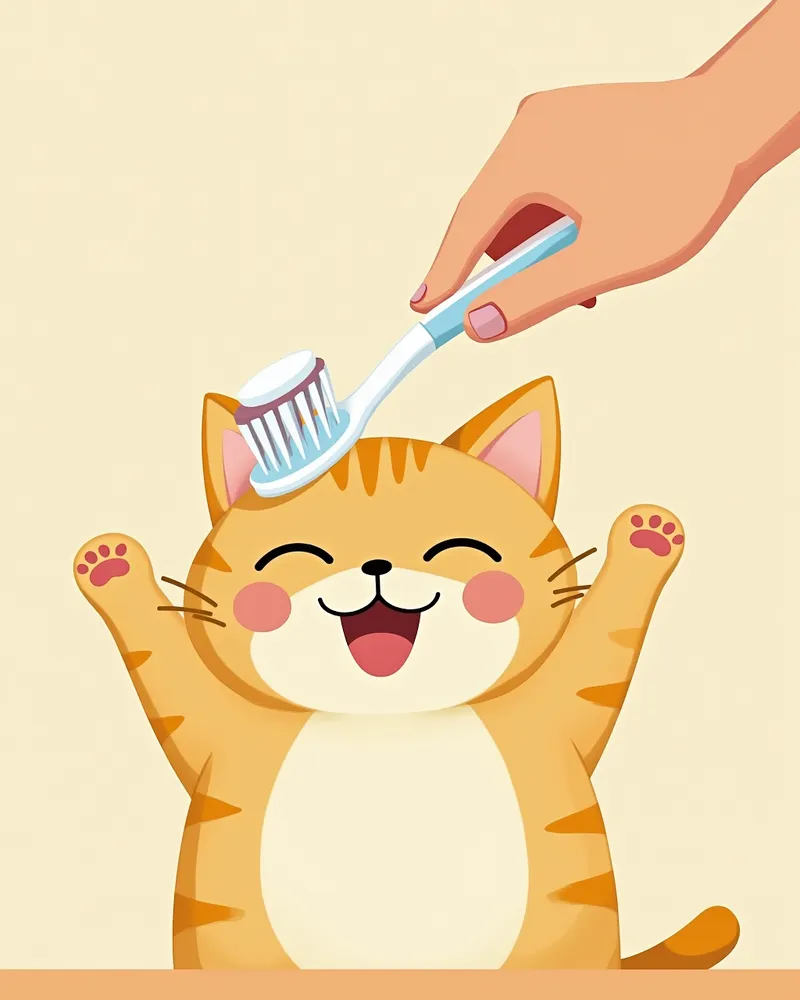
If your cat refuses toothpaste or treats, start with very small amounts to help them get used to it gradually. Begin with products that have familiar scents and flavors, and praise them every time they respond positively. When using a toothbrush, choose a soft-bristled brush and avoid applying too much pressure. Establishing a routine by brushing at the same time each day can help build a habit. It’s important to observe your cat’s mood and condition and approach the process flexibly. Never force them; instead, focus on creating positive experiences.
Use a soft-bristled brush when caring for your cat’s teeth.

Reviewed by a veterinarian

Dr. Tony — Punnawat Phongkittirak

Dr. Tony — Punnawat Phongkittirak

Veterinarian

A veterinarian who majored in veterinary medicine at Khon Kaen University, Thailand, and completed the IVSA program at North Carolina State University in the United States. Drawing on clinical experience at animal hospitals, he works in the pet healthcare field and is dedicated to building a digital care environment that connects pet parents with veterinarians.

Frequently Asked Questions

Why is feline periodontal disease so serious?
Periodontal disease isn’t just a problem of the teeth—it affects the entire supporting structure, including the gums and alveolar bone, which can lead to loose or even lost teeth. In humans, its link to systemic diseases is well established, and similar research is ongoing in pets, making early intervention crucial.
Is it okay to just manage my pet's teeth at home?
Early-stage gingivitis can often improve with daily home care, such as brushing your pet’s teeth. However, if the gums have receded to form periodontal pockets or if the teeth are loose, professional treatment by a veterinarian—such as scaling under anesthesia—is necessary.
Can I use human toothpaste for my pet?
We don’t recommend it. Human toothpaste isn’t designed to be swallowed by cats, and cats have difficulty rinsing their mouths or spitting. Always use a cat-specific toothpaste that’s safe to swallow.
Can treats alone be effective?
Treats can help reduce plaque as a supplementary measure through the chewing action, but they alone are not enough for complete oral care. It's important to combine daily tooth brushing with regular veterinary check-ups.
Which product is the most effective?
Stage-appropriate care is the most important factor. No product can cure advanced periodontitis or regenerate lost alveolar bone, so the most effective approach is to combine at-home plaque management with professional veterinary treatment.

Share

Related Guides

References

[1] Clinical Medicine of the Dog and Cat, 4th Ed, 2023

[2] The Cat, Clinical Medicine and Management, 2nd Edition, 2021

[3] Handbook of Veterinary Pharmacology, 2022

This information is based on veterinary literature and does not replace diagnosis or treatment. Please consult a veterinarian for specific health concerns.

Metapet Co., Ltd. | CEO: Park Sung-yong | Business Reg. No. 417-88-02562 | Seoul, South Korea | Customer Center

Feline Periodontal Disease: Stage-by-Stage Care & Vet Picks | Meongsiljang