
Like
Share
멍실장
강아지 간 지지 식이 관리 추천 BEST와 고르는 기준 총정리

Top 7 Liver-Support Diets for Dogs Recommended by Veterinarians — Based on Liver Function Protection Criteria

Liver HealthTop PicksMeongsiljang Veterinary Advisory Board

A specialized liver-support diet can help when your dog’s liver function declines. It’s important to choose a diet based on the right ingredients and quality.

Liver-Support Diets for Dogs Are Specialized Diets Designed to Protect Liver Function

Detailed images of the packaging for liver-supportive dietary products
Canine liver-support diets are a form of supportive nutritional management designed to maintain nutritional status and assist liver function in dogs with liver disease. Although the liver has the remarkable ability to regenerate after injury, malnutrition is a common complication in advanced liver disease. - Adequate caloric intake: Sufficient energy is provided through carbohydrates and fats to prevent the breakdown of protein for energy, which would otherwise produce ammonia. - Appropriate protein levels: For dogs without hepatic encephalopathy, it is important to provide adequate protein without excessive restriction. - Highly digestible ingredients: Formulations based on easily digestible ingredients help reduce the burden on the gastrointestinal tract. - Antioxidant support: Antioxidant nutrients are also considered as part of nutritional management for liver disease. - Concurrent treatment of the underlying cause: Diet plays a supportive role; identifying and treating the root cause of the liver disease is paramount. This underscores the importance of specialized, individualized nutritional planning.

5 Key Criteria for Choosing a Liver-Support Diet for Dogs

When selecting a liver-support diet for your dog, the most important factors are nutritional balance, digestibility, and veterinary supervision. - Use commercial prescription diets: Commercially available prescription diets for liver disease are a good starting point, so consult your veterinarian to choose the right one. - Appropriate protein and sufficient calories: Look for products that provide adequate energy through carbohydrates and fats without excessively restricting protein. - Highly digestible ingredients: Choose products based on easily digestible ingredients to minimize gastrointestinal burden. - Consider mineral regulation: If ascites is present, a sodium-restricted diet may be helpful; if copper accumulation is an issue, a product with adjusted copper content can be beneficial. - Individualized planning: Nutritional needs vary depending on the type and stage of liver disease, so following your veterinarian’s prescription is the safest approach. Carefully consider these criteria.
A veterinarian reviewing liver function test results

BEST 1: Premium Liver-Support Diet Pro

This product is a liver-support diet that can be selected in consultation with a veterinarian, and it can be used for supplementary nutritional management of liver disease. - Appropriate protein: Designed to provide adequate protein without excessive restriction in cases without hepatic encephalopathy. - Sufficient calories: Provides energy through carbohydrates and fats to reduce body protein breakdown and ammonia production. - Antioxidant nutrition considered: Reflects antioxidant nutrition, which is often considered in the nutritional management of liver disease. - Sodium-controlled design: Sodium levels are adjusted to reduce the burden when ascites is present. - Highly digestible ingredients: Uses easily digestible ingredients to minimize gastrointestinal stress. However, since this diet is a supportive therapy, it should be used alongside cause-specific treatment and veterinary care.
A puppy happily enjoying a liver-support diet.

BEST 2: Natural Ingredient Liver Protection Diet Balance

This product is a liver-support diet formulated with highly digestible ingredients, making it suitable for supportive management in the early stages of liver disease. - Antioxidant nutrition considered: The formula is designed to include antioxidant nutrients, which are commonly considered in nutritional management for liver disease. - Appropriate protein levels: It provides high-quality protein without excessive restriction. - Highly digestible ingredients: Easily digestible and absorbable ingredients are used to reduce gastrointestinal burden. - Adequate caloric supply: Energy is supplemented through carbohydrates and fats to help prevent the breakdown of body proteins. - Individualized feeding: Nutritional requirements vary depending on the type and stage of liver disease, so please consult your veterinarian before feeding. This diet is most effective when used alongside treatment of the underlying cause.
Detailed images of a natural-ingredient liver-support dietary product

BEST 3: Economical Liver-Support Diet Plus
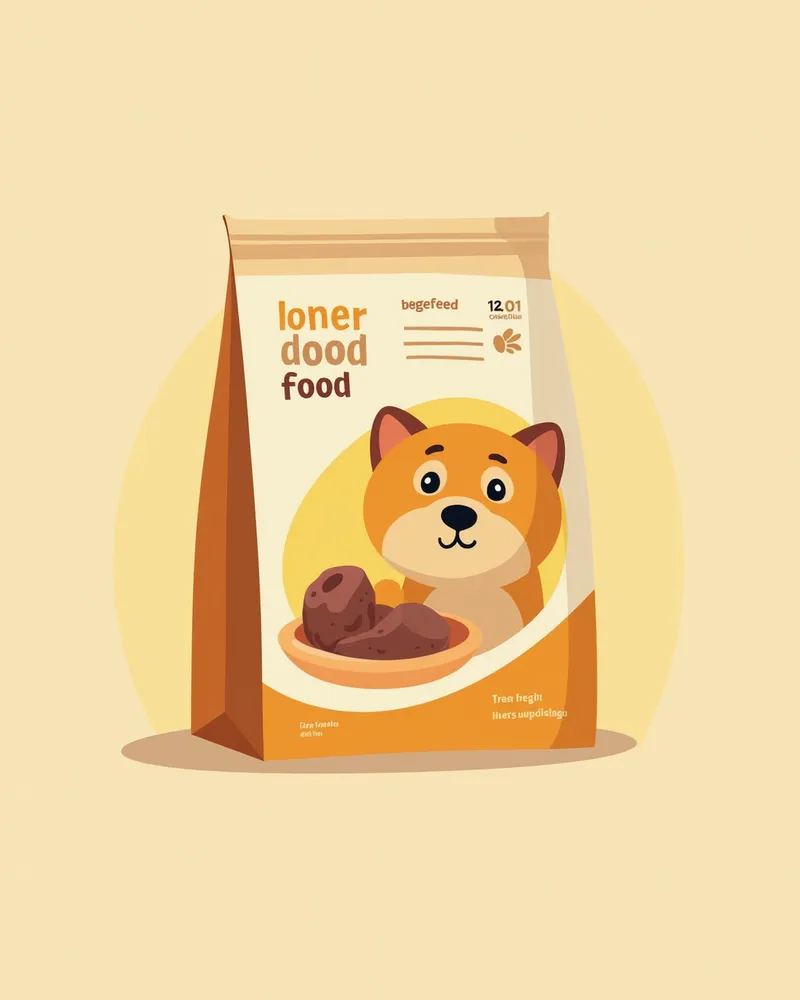
This product is a liver-support diet designed for consistent daily feeding, helping with supplemental nutritional management. - Supplements such as vitamin B12: It replenishes nutrients like vitamin B12, which may become deficient in cases of liver disease. - Appropriate protein levels: The formula is designed to provide adequate protein without excessive restriction. - Sufficient calories: Energy is supplied through carbohydrates and fats to help reduce the breakdown of body proteins and the production of ammonia. - Highly digestible ingredients: A combination of easily digestible ingredients enhances nutrient absorption. - Consult your veterinarian: The appropriate diet varies depending on the type and stage of liver disease, so please consult your veterinarian before selecting a diet. It is important to manage the condition alongside treatment of the underlying cause.
Economy liver support diet product packaging

Comparison Table of Liver-Support Diets BEST 1–3

ItemBEST 1: Premium ProBEST 2: Natural Ingredient BalanceBEST 3: Economy Plus
Key Nutritional FeaturesAppropriate protein and sufficient calories, with antioxidant nutrition consideredAntioxidant nutrition considered, highly digestible ingredientsSupplementation with vitamin B12 and others, highly digestible ingredients
Ingredient FeaturesSodium regulation, highly digestible ingredientsHighly digestible ingredients, additive-freeBlend of highly digestible ingredients
Price RangeHighMediumLow
Veterinarian RecommendedOOO

Nutritional needs differ depending on the type and condition of liver disease, so it is best to choose a commercial liver prescription diet in consultation with your veterinarian.

Caution: Immediate Veterinary Visit Is Necessary If Liver Dysfunction Is Suspected

If your dog shows symptoms such as loss of appetite, vomiting, jaundice, or lethargy, it may indicate liver dysfunction. Consult a veterinarian immediately and have your dog undergo liver function tests. Liver-support diets are only complementary therapies, not treatments. Be cautious, as improper feeding can further strain the liver.

5 Tips for Using Liver-Support Diets for Dogs

When transitioning to a liver-support diet, it’s important to do so gradually. Mix the new food with the current diet, increasing the proportion by one-quarter each day, and complete the switch within 3–5 days. The feeding amount should be determined by your veterinarian based on your pet’s weight and condition. Provide plenty of water after meals and monitor liver function regularly. If you’re considering other supplements alongside the liver-support diet, always consult your veterinarian first. Improving liver function takes time, so consistent care is key.
Measuring your dog's food

Reviewed by a veterinarian

Dr. Tony — Punnawat Phongkittirak

Dr. Tony — Punnawat Phongkittirak

Veterinarian

A veterinarian who majored in veterinary medicine at Khon Kaen University, Thailand, and completed the IVSA program at North Carolina State University in the United States. Drawing on clinical experience at animal hospitals, he works in the pet healthcare field and is dedicated to building a digital care environment that connects pet parents with veterinarians.

Frequently Asked Questions

When should I start feeding a liver-support diet?
Start administering it as soon as your veterinarian diagnoses liver dysfunction. Early intervention is crucial once initial symptoms appear.
Can I continue feeding my pet a liver-support diet?
Whether to continue long-term feeding depends on the type and progression of the liver disease, so please consult with your veterinarian to make this decision. Nutritional needs for liver disease vary from individual to individual, so regular reassessment is necessary.
Can I feed my pet a liver-support diet along with supplements?
It is possible, but you should consult with a veterinarian before administering it. Overdosing can put a strain on the liver.
Will feeding a liver-support diet help restore liver function?
It plays a supportive role, and its effectiveness increases when used alongside treatment of the underlying cause. Complete recovery depends on eliminating the root cause.
Can I mix liver-support diet with other types of pet food?
It’s safer to transition gradually. A sudden change can cause digestive upset.

Share

Related Guides

References

[1] Applied Veterinary Clinical Nutrition, 2nd Ed. (2023). Chapter 12: Nutritional Management of Hepatic Disease in Dogs.

[2] Plumb's Veterinary Drug Handbook, 9th Ed. (2022). Section on Hepatoprotective Nutrients and Dietary Supplements.

[3] AAFCO Nutrient Profiles for Canine Diets (2023). Specialized Diets for Liver Support.

This information is based on veterinary literature and does not replace diagnosis or treatment. Please consult a veterinarian for specific health concerns.

Metapet Co., Ltd. | CEO: Park Sung-yong | Business Reg. No. 417-88-02562 | Seoul, South Korea | Customer Center

7 Best Liver Support Diets for Dogs Recommended by Vets | Meongsiljang