
Top Recommended Management Products for Canine Urethral Obstruction and Selection Criteria
Urethral obstruction in dogs can be a medical emergency, so prompt action and proper management are essential. This article outlines effective management products and the criteria for choosing them.
Canine Urethral Obstruction Is a Medical Emergency
Criteria for Choosing Management Products for Canine Urethral Obstruction

BEST 1: Premium Urinary Tract Health Food (Acidic pH Regulation Type)
BEST 2: Urinary Tract Health Supplement (Water Intake Encouragement Type)
BEST 3: Urinary Tract Health Capsule (Acidic pH + Anti-Inflammatory Effect)
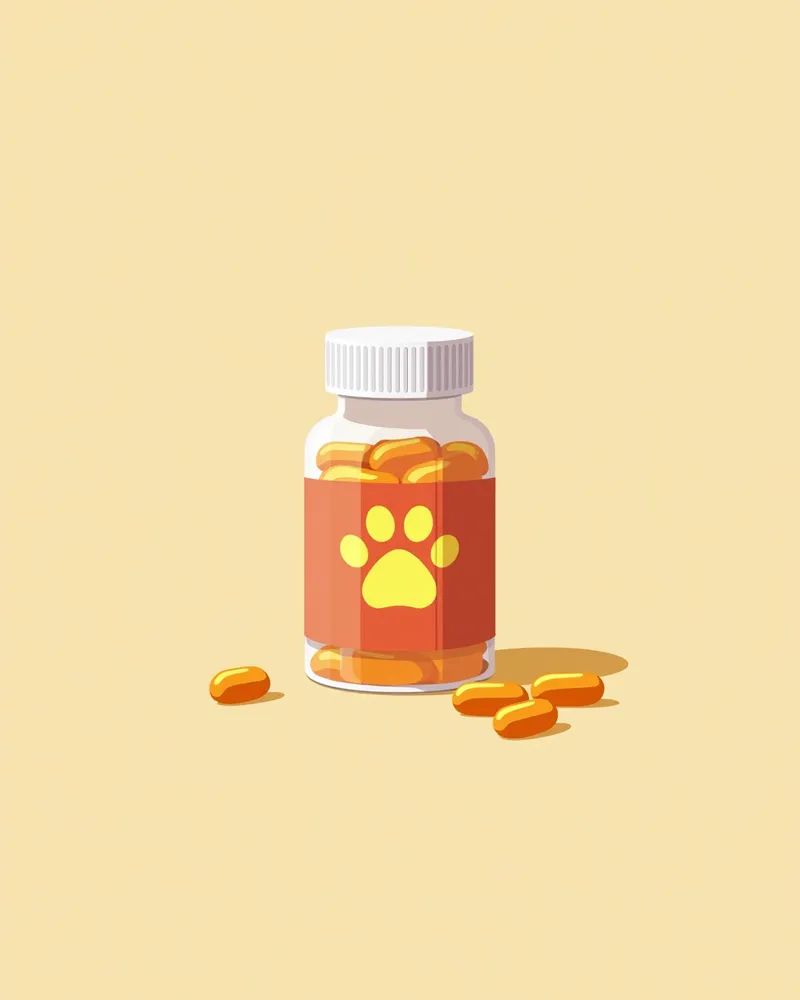
Comparison Table of BEST 1–3 Products
| Item | Main Ingredients | Effect | How to Use |
|---|---|---|---|
| BEST 1 Food | Low phosphorus, low magnesium, low calcium | Induces acidic urine, prevents stones | Dietary control type, for daily use |
| BEST 2 Supplement | Ingredients that promote water intake | Dilutes urine, increases hydration | Liquid/powder, easy to administer |
| BEST 3 Capsule | Acidic pH regulation + anti-inflammatory ingredients | Reduces inflammation, inhibits stones | Capsule, suitable for long-term use |
Choose after consulting your veterinarian. Dogs at high risk of recurrence need comprehensive management.
Caution: Urethral Obstruction Is a Medical Emergency
If your dog tries to urinate but nothing comes out, or shows signs of pain, take them to the vet immediately. A prolonged blockage can lead to kidney damage or systemic complications, so don’t delay—seek veterinary care right away.
Tips for Managing Canine Urethral Obstruction
Reviewed by a veterinarian

Dr. Tony — Punnawat Phongkittirak
VeterinarianA veterinarian who majored in veterinary medicine at Khon Kaen University, Thailand, and completed the IVSA program at North Carolina State University in the United States. Drawing on clinical experience at animal hospitals, he works in the pet healthcare field and is dedicated to building a digital care environment that connects pet parents with veterinarians.
Reviewed 2026-06-29
Frequently Asked Questions
Why is urethral obstruction more common in male dogs?
Can urethral obstruction recur?
Will switching to a different diet prevent urethral obstruction?
When should I start giving supplements?
What should I do if I suspect a urethral obstruction?
Share
Related Guides
Top 5 Prescription Diets for Feline FLUTD — Comparison by Struvite and Calcium Oxalate Stones
Top 7 Prescription Diets for Feline Bladder and Urinary Tract Health Recommended by Veterinarians — Including Selection Criteria

Top 5 Cranberry Urinary Supplements for Dogs — Preventing Cystitis
7 Best Care Products for Cats Becoming Sensitive After a Baby Is Born — Selection Criteria
7 Key Tips for Managing Canine Mammary Tumors Selected by Veterinarians — Criteria for Distinguishing Benign from Malignant
Top 5 Joint-Support Mats and Stairs for Dogs and How to Choose Them
Top 5 Recommended Recovery Diets for Dogs After Joint Surgery — Nutritionally Balanced Food for the Recovery Period
When Are Prescription Diets Needed for Dogs? — Selection Criteria by Kidney, Liver, and Obesity Conditions
Top 5 Cat Water Fountains for Increasing Water Intake and Kidney Health
5 Key Differences in Dog Food Grades Explained by a Veterinarian
References
[1] BSAVA. (2020). BSAVA Manual of Canine and Feline Dermatology, 4th Ed. BSAVA Publications.
[2] Withrow, S.J. et al. (2019). Veterinary Surgical Oncology, 2nd Ed. Elsevier.
[3] Plumb's Veterinary Drug Handbook, 9th Ed. (2023). Wiley-Blackwell.