Like
Share
멍실장
강아지 구강 편평세포암 관리 추천 BEST와 고르는 기준 총정리

Top Recommended Products and Selection Criteria for Managing Canine Oral Squamous Cell Carcinoma

Oral HealthTop PicksMeongsiljang Veterinary Advisory Board

Canine oral squamous cell carcinoma is a malignant tumor that can be challenging to treat. Proper management and product selection can significantly impact survival time and quality of life.

Canine Oral Squamous Cell Carcinoma Is a Malignant Tumor That Is Difficult to Treat

Real-life images of squamous cell carcinoma in a dog's mouth
Canine oral squamous cell carcinoma is a malignant tumor that develops in the mouth (gums, tongue, or mucous membranes) and is one of the most common types of oral cancer in dogs. Because early symptoms are often subtle, diagnosis is frequently delayed. - Early Diagnosis: Detecting small, superficial lesions early and initiating treatment leads to better outcomes. Regular oral examinations are essential for improving survival rates and maintaining quality of life. - Local Invasion: This cancer tends to invade surrounding bone, which can make complete surgical removal difficult depending on the tumor’s location and stage of progression. - Standard Treatment: Surgical excision is the primary treatment option. If surgical margins are incomplete, radiation therapy may be used in conjunction with surgery. - Palliative and Supportive Care: Pain management and nutritional support are not substitutes for cancer treatment but are vital components of care aimed at preserving quality of life. - Owner’s Role: Do not overlook warning signs. Respond promptly by seeking diagnosis-based treatment rather than relying on unverified products.

Key Information: Managing Oral Squamous Cell Carcinoma

For canine oral squamous cell carcinoma, treatment based on diagnosis—such as surgery and radiation therapy—is fundamental, and supplements should only be used as supportive aids, not as replacements for cancer treatment. When considering a product, prioritize veterinary evidence, safety, and ease of administration for your dog. Be cautious of exaggerated claims that assert efficacy, such as "anti-cancer" or "proven effects." To ensure long-term use without burdening your dog, choose forms with fewer side effects that your dog readily accepts, such as liquids or gels. For the safest approach, consult your veterinarian to ensure any supplement complements ongoing treatment without interfering with it.
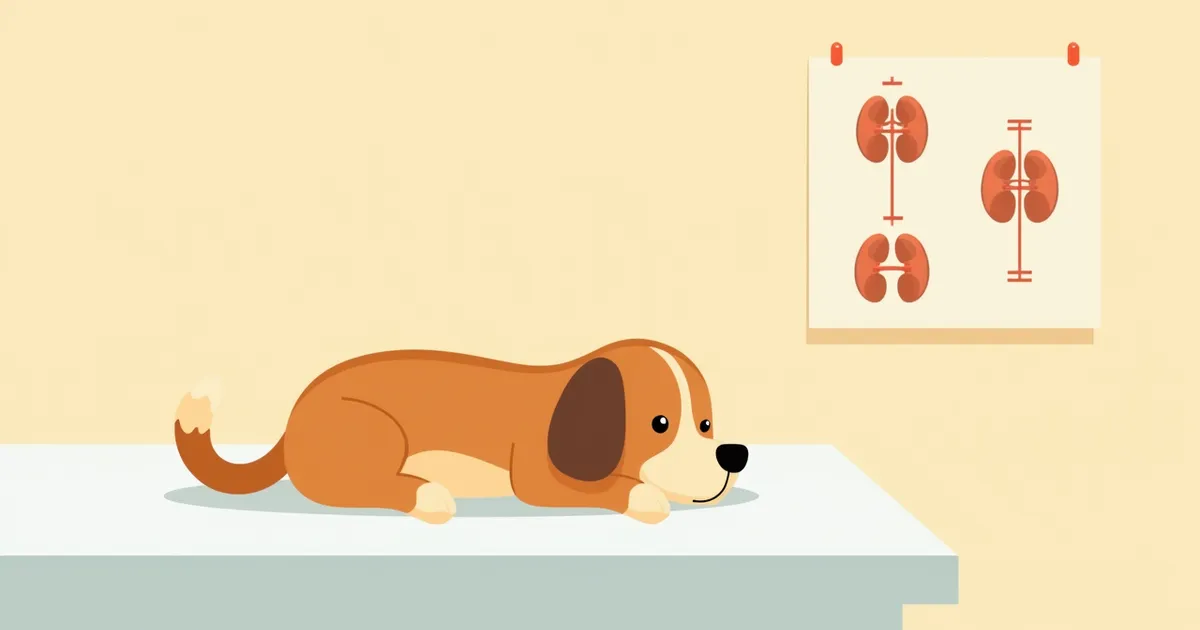
A veterinarian examining a puppy's mouth.

Key Information 1: What Is Oral Squamous Cell Carcinoma?
Oral squamous cell carcinoma is a malignant tumor that develops in the mouth (gums, tongue, oral mucosa) and is particularly common in dogs. It may present as lumps or ulcers in the mouth, drooling, bad breath, difficulty eating, facial swelling, or loose teeth. Because it progresses rapidly and tends to invade surrounding bone, early detection significantly expands treatment options. Do not dismiss changes in the mouth as simple periodontal disease; if you notice these signs, it is important to confirm the diagnosis through examination.
Probiotic powder product for your dog’s oral health

Key Information 2: Diagnosis and Treatment Options
Oral squamous cell carcinoma is confirmed through a biopsy, and imaging is used to assess bone invasion and the extent of spread to determine the treatment plan. Depending on the tumor's location and size, options may include surgical excision, radiation therapy, or palliative care focused on pain management and maintaining nutrition. In cases where the tumor is located deep in the mouth or has invaded the bone, complete surgical removal may be difficult, so it is important to fully understand the goals and limitations of treatment before making a decision. If oral pain leads to reduced food intake, nutritional support is also necessary. The specific treatment plan is determined through a consultation with an oncology specialist.
A natural liquid supplement to soothe inflammation in your dog’s mouth

Key Information 3: Early Detection and Professional Consultation Are Important
Oral squamous cell carcinoma has better treatment outcomes when detected early, so regular dental check-ups and routine monitoring of your pet’s mouth are helpful. Rather than trying to eliminate oral tumors with unproven products, it is important to receive treatment based on a proper diagnosis. Managing pain and dietary issues to maintain quality of life is also a crucial part of treatment. Consult with a veterinarian experienced in tumor care to determine the most suitable approach—whether surgery, radiation, or palliative care—for your pet, and ensure regular follow-up.
A combined product of oral cleanser and immune-boosting capsules

Key Points to Know About Oral Squamous Cell Carcinoma

ItemKey Points
ConditionMalignant oral tumor (a common oral cancer in dogs), with bone invasion and rapid progression
SymptomsOral mass, ulcers, drooling, bad breath, difficulty eating, loose teeth
DiagnosisBiopsy confirmation + imaging to assess bone invasion and staging
TreatmentSurgery, radiation, palliative care, along with pain and nutritional management
ManagementEarly detection is advantageous; avoid unverified products, seek oncology consultation and follow-up

This is not a table recommending specific products or clinics; it is a reference for when you consult your veterinarian. Always make treatment and diagnostic decisions together with your veterinarian through an examination.

Caution: Risk of Overdose or Drug Interactions

These supplements are intended only to support treatment and should not be used as a substitute for cancer therapy. In particular, dogs receiving chemotherapy or immunosuppressive medications may experience ingredient interactions. Do not administer them without consulting your veterinarian. Watch your dog closely after giving the supplement, as side effects such as nausea, diarrhea, and decreased appetite may occur.

Usage Tips: Timing and Environment Are Important

Supplements are most effective when given consistently at the same time each day. It’s best to administer them before morning or evening meals, in a calm and comfortable environment for your dog. After giving the supplement, check your dog’s mouth for any signs of adverse reactions. Since products vary in flavor and formulation, it’s important to choose one that suits your dog’s preferences and response. For the safest approach, work with your veterinarian to develop a tailored management plan.
A puppy eating soft food

Reviewed by a veterinarian

Dr. Tony — Punnawat Phongkittirak

Dr. Tony — Punnawat Phongkittirak

Veterinarian

A veterinarian who majored in veterinary medicine at Khon Kaen University, Thailand, and completed the IVSA program at North Carolina State University in the United States. Drawing on clinical experience at animal hospitals, he works in the pet healthcare field and is dedicated to building a digital care environment that connects pet parents with veterinarians.

Frequently Asked Questions

Can supplements help with oral squamous cell carcinoma in dogs?
There is no clear evidence that supplements can treat or reduce oral squamous cell carcinoma. They cannot replace cancer treatment, and diagnosis-based treatments such as surgery and radiation therapy are essential. If you wish to use supplements, consult your veterinarian to ensure they do not interfere with the primary treatment.
Which ingredient is the most effective?
There isn’t enough veterinary evidence to support the effectiveness of specific supplements like glucosamine, coenzyme Q10, or broccoli and green tea extracts for oral squamous cell carcinoma. Claims of “proven efficacy” should be viewed with skepticism. Prioritize treatment based on a proper diagnosis over supplement selection, and consult your veterinarian before using any supplements.
How many times a day should I feed it?
Dosage varies by product. Generally, it is recommended once daily: 1 ml for liquids, one gummy, or one capsule. Always follow the manufacturer’s instructions.
Are there any side effects?
Most dogs tolerate it well, but some may experience nausea, diarrhea, or a decreased appetite. Monitor your dog for any adverse reactions after administration, and if any issues arise, stop use immediately and consult your veterinarian.
Is it okay to purchase this directly without consulting a veterinarian?
It’s safest to use this under the guidance of a veterinarian. Especially for dogs undergoing cancer treatment, there’s a risk of drug interactions, so be sure to consult your vet first.

Share

Related Guides

References

[1] Withrow, S.J., & MacEwen, E.G. (2013). Veterinary Surgical Oncology, 5th ed. Elsevier.

[2] Newkirk, K.M., Brannick, E.M., & Kusewitt, D.F. (2021). Neoplasia and tumor biology. In Pathologic Basis of Veterinary Disease, 7th ed. Elsevier.

[3] Todoroff, R.J., & Brodey, R.S. (1979). Oral and pharyngeal neoplasia in the dog: A retrospective survey of 361 cases. JAVMA, 175(5), 567–571.

This information is based on veterinary literature and does not replace diagnosis or treatment. Please consult a veterinarian for specific health concerns.

Metapet Co., Ltd. | CEO: Park Sung-yong | Business Reg. No. 417-88-02562 | Seoul, South Korea | Customer Center

Canine Oral Squamous Cell Carcinoma: Best Care & Selection | Meongsiljang