

Top Recommended Products for Feline Neurogenic Bladder Management and Selection Criteria
Feline neurogenic bladder is a condition in which abnormal nerve regulation of the bladder impairs normal urination. With the right management products and methods, symptoms can be improved.
What Is Feline Neurogenic Bladder?
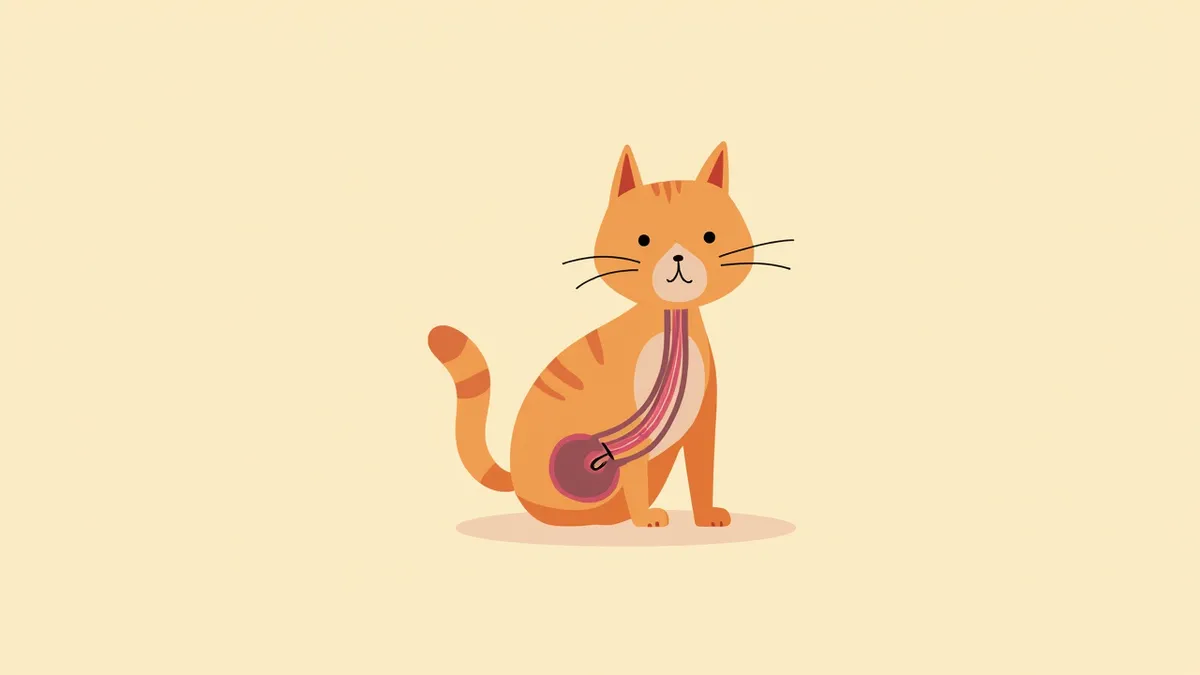
Selection Criteria: Key Factors for Effective Management Products

BEST 1: Premium Bladder Care Jelly

BEST 2: Nerve-Calming Supplement Capsules
BEST 3: Natural Ingredient Bladder Care Powder

Comparison Table of BEST 1–3 Products
| Item | Main Ingredients | Form | Reason for Recommendation |
|---|---|---|---|
| BEST 1: Premium Bladder Care Jelly | Glucosamine, chondroitin | Jelly | An easy-to-consume form for cats; contains auxiliary ingredients, but direct efficacy is not proven |
| BEST 2: Nerve-Stabilizing Supplement Capsule | B vitamins, magnesium | Capsule | Contains possible auxiliary ingredients for maintaining nerve function (therapeutic effect not proven) |
| BEST 3: Natural Ingredient Bladder Care Powder | Blueberry, coenzyme Q10 (※Allium family ingredients such as garlic are harmful to cats) | Powder | Mainly natural ingredients, but caution is needed as Allium family extracts such as garlic can cause anemia in cats |
Veterinary diagnosis and guidance are needed when selecting a product, and it must be clearly understood that efficacy and safety have not been clinically proven. In particular, avoid products containing Allium family ingredients such as garlic, as they can cause anemia in cats, and choose according to the cat's weight and health condition.
Precautions: Side Effects May Occur with Overdosing
These products are intended to support bladder health in cats, but their efficacy has not been clinically proven. Overdosing may cause diarrhea, loss of appetite, or vomiting. Always follow the dosage recommended by your veterinarian. In particular, if your cat has any underlying health conditions, consult your vet before use.
Usage Tips: Combine with Daily Care

Reviewed by a veterinarian

Dr. Tony — Punnawat Phongkittirak
VeterinarianA veterinarian who majored in veterinary medicine at Khon Kaen University, Thailand, and completed the IVSA program at North Carolina State University in the United States. Drawing on clinical experience at animal hospitals, he works in the pet healthcare field and is dedicated to building a digital care environment that connects pet parents with veterinarians.
Reviewed 2026-06-29
Frequently Asked Questions
Can feline neurogenic bladder be cured?
Will the product take effect immediately after administration?
Can it be taken together with other products?
Can kittens take this medication as well?
Will the symptoms return if I stop using the product?
Share
Related Guides

Top 5 Prescription Diets for Feline FLUTD — Comparison by Struvite and Calcium Oxalate Stones

Top 7 Prescription Diets for Feline Bladder and Urinary Tract Health Recommended by Veterinarians — Including Selection Criteria

Top 5 Cranberry Urinary Supplements for Dogs — Preventing Cystitis
7 Best Feline Bile Acid Testing and Management Items Recommended by Veterinarians

7 Key Signs for Managing Feline Autoimmune Hepatitis, as Selected by Veterinarians

7 Best Management Tips for Feline Ascites and Liver Disease Recommended by Veterinarians
7 Key Points for Assessing Canine Kidney Function via Urine Specific Gravity from a Veterinarian
7 Emergency Signs and Management Tips for Canine Ureteral Stones and Obstruction Recommended by Veterinarians
5 Checkpoints for Dog Kidney Ultrasound Recommended by Veterinarians — Findings, Cost, and Timing
Top Recommendations and Selection Criteria for Managing Canine Kidney Tumors
References
[1] The Cat, Clinical Medicine and Management, 2nd Edition. Elsevier, 2022.
[2] Campoli, V. and Vettorato, E. (2018) 'How to Recognise Pain in Cats'. BSAVA Companion Animal, 12, pp. 12–17.