

Top Recommended Products and Selection Criteria for Managing Feline Hypertension and Proteinuria
Feline hypertension can cause proteinuria, which is an early sign of kidney damage. Here are the key criteria for selecting appropriate management products.
What is the Relationship Between Feline Hypertension and Proteinuria?

6 Selection Criteria
BEST 1: Kidney Calm Protein Capsules
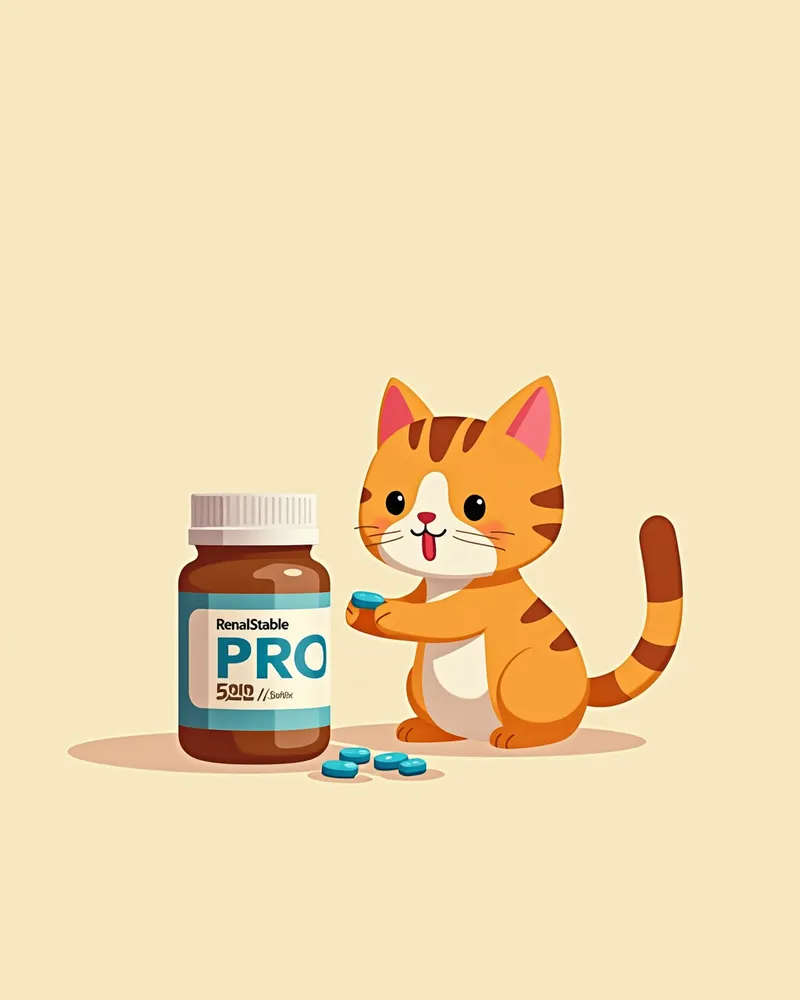
BEST 2: Hydrogen Capsules
BEST 3: Protein-Less Capsules
Comparison Table of BEST 1–3 Products
| Item | Kidney Stabilization Protein Capsule | Hydrogen Capsule | Proteinless Capsule |
|---|---|---|---|
| Main Ingredients | Asparagus, omega-3, glucosamine | Lutein, vitamin E, coenzyme Q10 | Low protein, essential amino acids |
| Blood Pressure Control Effect | No proven effect (blood pressure is controlled with veterinary prescription drugs) | No proven effect (blood pressure is controlled with veterinary prescription drugs) | No proven effect (blood pressure is controlled with veterinary prescription drugs) |
| Proteinuria Reduction Effect | Not clinically proven (supplementary use) | Not clinically proven (supplementary use) | Not clinically proven (supplementary use) |
| Safety | Not confirmed (veterinary consultation required) | Not confirmed (veterinary consultation required) | Not confirmed (veterinary consultation required) |
| Veterinary Recommendation | Not applicable (individual consultation required) | Not applicable (individual consultation required) | Not applicable (individual consultation required) |
The effects shown in the table are not clinically proven but merely general possibilities based on ingredients. Actual control of feline hypertension and proteinuria centers on veterinary prescription drugs such as amlodipine and dietary management, and supplements cannot replace treatment. Since results vary depending on each cat's condition, always consult a veterinarian before use.
Precautions and Contraindications
Always consult your veterinarian before giving your cat any supplement for managing hypertension and proteinuria. This is especially important if your cat has underlying health conditions or is taking other medications, as interactions may occur. To avoid side effects such as vomiting or diarrhea from overdosing, please strictly follow the recommended dosage.
Usage Tips

Reviewed by a veterinarian

Dr. Tony — Punnawat Phongkittirak
VeterinarianA veterinarian who majored in veterinary medicine at Khon Kaen University, Thailand, and completed the IVSA program at North Carolina State University in the United States. Drawing on clinical experience at animal hospitals, he works in the pet healthcare field and is dedicated to building a digital care environment that connects pet parents with veterinarians.
Reviewed 2026-06-29
Frequently Asked Questions
Can feline hypertension and proteinuria be treated (cured)?
How many capsules should I give my pet per day?
Is this product suitable for all cats?
How long does it take to see results?
Will the symptoms return if I stop using the product?
Share
Related Guides

Top 5 Prescription Diets for Feline FLUTD — Comparison by Struvite and Calcium Oxalate Stones

Top 7 Prescription Diets for Feline Bladder and Urinary Tract Health Recommended by Veterinarians — Including Selection Criteria

Top 5 Cranberry Urinary Supplements for Dogs — Preventing Cystitis

Top Recommended Products and Selection Criteria for Managing Difficulty Urinating (Stranguria) in Dogs

Top Recommended Products and Selection Criteria for Managing Cystine Uroliths in Dogs
Top Recommended Products and Selection Criteria for Managing Bladder Polyps and Growths in Dogs

Top Recommended Canine Bladder Nerve Stimulation Therapy Management and Selection Criteria

Top 3 Recommended Products for Managing Bladder Diverticula in Dogs and Selection Criteria

Top Recommended Products for Managing Bacterial Cystitis in Dogs and Selection Criteria

Top Recommended Products and Selection Criteria for Managing Canine Amyloid Nephropathy
References
[1] Acierno, M.J., Brown, S., Coleman, A.E. et al. (2018). ACVIM consensus statement: guidelines for the identification, evaluation, and management of systemic hypertension in dogs and cats. J. Vet. Intern. Med. 32: 1803–1822.
[2] Taylor, S.S., Sparkes, A.H., Briscoe, K. et al. (2017). ISFM consensus guidelines on the diagnosis and management of hypertension in cats. J. Feline Med. Surg. 19(3): 28–41.
[3] Finco, D.R., Brown, S.A., Crowell, W.A. et al. (1994). Effects of aging and dietary protein intake on uninephrectomized geriatric dogs. Am. J. Vet. Res. 55: 1282–1290.