Like
Share
멍실장
강아지 비문증(유리체 혼탁) 관리 추천 BEST와 고르는 기준 총정리

7 Key Criteria for Managing Canine Vitreous Opacities Recommended by Veterinarians

Eye HealthTop PicksMeongsiljang Veterinary Advisory Board

Canine floaters are cloudy shadows or specks drifting in the vitreous humor. While most are harmless, they do require proper eye care. Here are the key criteria for choosing effective management products, along with our top three recommendations.

What Are Canine Vitreous Opacities?

If your dog squints or appears to be squinting, it may indicate vitreous opacity.
Canine vitreous opacities occur when cloudy shadows or speck-like floaters appear to drift within the vitreous humor, the gel-like substance filling the eye. This condition can result from age-related vitreous degeneration, posterior vitreous detachment, or ocular trauma. While mild floaters often pose no significant issue, severe changes can impair vision. A definitive assessment requires an ophthalmic examination, and an ocular B-scan ultrasound if necessary. Depending on the severity, treatment may or may not be required. Therefore, regular check-ups to monitor eye health and collaborative management planning with your veterinarian are the best approach.

Criteria for Choosing Products to Manage Canine Vitreous Opacities

When choosing a supplement to help manage floaters in dogs, it’s important to look for ingredients that support both eye and overall health, while also avoiding products that make exaggerated claims. - Vitamin E: This nutrient has antioxidant and anti-inflammatory properties. In some retinal diseases, high-dose oral administration has been reported to help slow disease progression. - Lutein and other antioxidants: These may play a supportive role in reducing oxidative damage, but their direct effect on floaters is not yet well-established in veterinary literature. - Omega-3 fatty acids: Commonly used for general health support, but there is no proven evidence that they improve vitreous opacity. - Glucosamine: Primarily used for joint health, with no confirmed evidence that it strengthens the structure of the vitreous body. - Vitamin C (ascorbic acid): An antioxidant supplement, but its specific effect on the eyes remains unclear. It’s always safest to consult your veterinarian before giving any supplement to your dog.
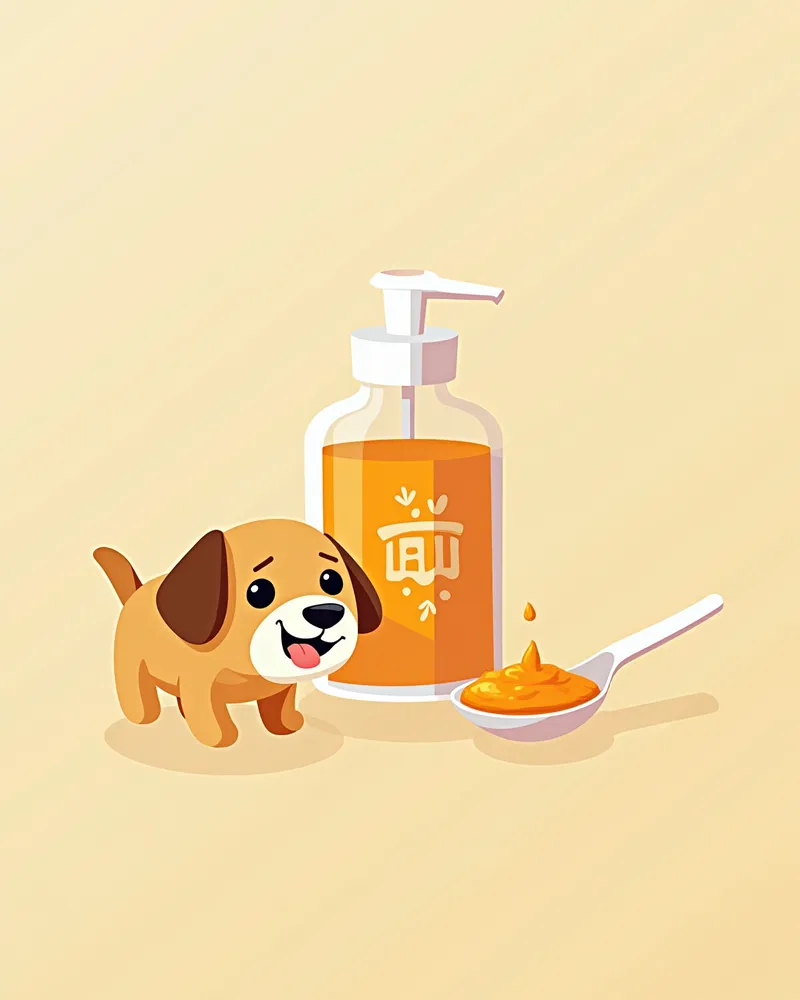
A puppy taking a supplement, with the ingredients listed on the bottle.

BEST 1: Eye Health Pro Vitamin

Eye Health Pro Vitamin is a liquid supplement that combines omega-3, lutein, and vitamin E. Its liquid form makes it relatively easy to administer. However, please remember that it is not intended to treat cataracts or restore vision. - Key Ingredients: 250 mg omega-3 fatty acids, 5 mg lutein, 10 IU vitamin E. - Expected Role: Used as an antioxidant supplement; it does not guarantee proven therapeutic effects. - Usage: Follow the product label for one dose per day, using 1 ml as a reference for a 10 kg body weight. Consult your veterinarian for the exact dosage.
For dogs taking liquid eye supplements, the ingredient list is printed on the bottle.

BEST 2: Premium Vitamin E + Lutein Capsules
Premium Vitamin E + Lutein Capsules are a supplement that combines vitamin E and lutein in capsule form. The capsule format can make administration easier for dogs that are sensitive to smells or tastes. However, please note that this supplement cannot reverse vitreous opacity itself. - Vitamin E: Known for its antioxidant and anti-inflammatory properties. - Lutein: An antioxidant supportive ingredient, though its direct efficacy against vitreous opacities has not been established. - Vitamin C (Ascorbic Acid): Expected to play a supportive antioxidant role. As a general guideline, administer one capsule per 20 kg of body weight once daily, but please consult your veterinarian before use.
A puppy’s paw resting on a capsule, an eye supplement capsule

BEST 3: Vitreous-Protecting Pro-Vitamin Complex

The vitreous-protecting pro-vitamin complex is a supplement that combines glucosamine, omega-3, and lutein. However, there is no evidence that glucosamine strengthens the vitreous structure, and even if antioxidant ingredients slow the progression somewhat, they cannot prevent blindness. - Key Ingredients: Glucosamine 200mg, Omega-3 300mg, Lutein 8mg. - Expected Role: This product is used as an antioxidant supplement and does not guarantee therapeutic effects. - Usage: As a general guideline, administer once daily at a rate of one tablet per 15kg of body weight, but please consult your veterinarian for the exact dosage.
A puppy taking a supplement, a combination pill

Comparison Table of Products BEST 1–3

ItemMain IngredientsAdditional EffectsDirections for Use
Eye Health Pro VitaminOmega-3, Lutein, Vitamin EAntioxidant support (not a treatment or vision-restoration effect)Once a day, 1 ml
Premium Vitamin E + Lutein CapsuleVitamin E, Lutein, Ascorbic acidAntioxidant support (direct retinal effect not established)Once a day, 1 capsule
Vitreous Protection Pro Vitamin ComplexGlucosamine, Omega-3, LuteinAntioxidant support (no evidence of strengthening vitreous structure)Once a day, 1 tablet

Dosage must be adjusted according to body weight, and since supplements are not therapeutic drugs, be sure to consult a veterinarian before use.

Precautions and Contraindications

Products for managing canine conjunctivitis are supplements, not treatments. If your dog experiences eye pain, redness, or red spots, please visit a veterinarian immediately. Overdosing may cause diarrhea or vomiting, so please adhere to the recommended dosage.

Usage Tips and Management Points

Consistent care is key to managing canine entropion. It’s important to administer the prescribed product regularly and schedule routine eye examinations.
Eye Health Check: Monitor your dog’s eyes monthly.
Environmental Adjustments: Avoid excessive exposure to bright light.
Dietary Management: Include foods rich in antioxidants.
Maintain Exercise: Engage in activities that promote blood circulation.
Veterinary Consultation: Seek immediate veterinary care if symptoms worsen.
A puppy playing in the sunlight, maintaining eye health

Reviewed by a veterinarian

Dr. Tony — Punnawat Phongkittirak

Dr. Tony — Punnawat Phongkittirak

Veterinarian

A veterinarian who majored in veterinary medicine at Khon Kaen University, Thailand, and completed the IVSA program at North Carolina State University in the United States. Drawing on clinical experience at animal hospitals, he works in the pet healthcare field and is dedicated to building a digital care environment that connects pet parents with veterinarians.

Frequently Asked Questions

Can a dog's eye floaters be treated?
There are limited options for directly eliminating floaters, and treatment may be necessary depending on the severity. In mild cases, we may simply monitor the condition. In severe cases, veterinary interventions such as topical anti-inflammatory therapy or vitrectomy may be considered. Supplements play a supportive role rather than serving as a cure.
Can severe floaters affect vision?
If the changes are severe or progress rapidly, it can lead to vision loss. If the cloudiness suddenly worsens or is accompanied by other symptoms such as pain or redness, it is essential to visit a veterinary clinic immediately for an ophthalmic examination.
Will giving nutritional supplements make seborrhea go away?
Nutritional supplements alone cannot reverse cataracts. While some experts believe that antioxidants may help slow the progression of the condition, they do not prevent blindness. Therefore, it is important to use supplements only as a complementary measure and to maintain regular veterinary check-ups.
Which dogs are more prone to developing nasal polyps?
Vitreous and retinal changes are more likely to occur in senior dogs, dogs that have experienced eye trauma or inflammation, and those with a genetic predisposition. It is difficult to definitively identify which specific breeds are most prone to these conditions, so regular veterinary check-ups are recommended if any risk factors are present.
When should I start giving my pet a supplement for floaters?
There is no clear evidence for a specific preventive dosage schedule. If you notice any abnormalities in your pet's eyes, it's best to consult a veterinarian rather than making your own judgment. Discussing the use and timing of supplements with your vet is the recommended approach.

Share

Related Guides

References

[1] Plumb's Veterinary Drug Handbook, 9th Edition. 2022. Wiley-Blackwell.

[2] Veterinary Ophthalmology, 5th Edition. 2020. Wiley-Blackwell.

[3] American College of Veterinary Ophthalmologists (ACVO). Canine Vitreous Opacities: Clinical Assessment and Management Guidelines. 2021.

This information is based on veterinary literature and does not replace diagnosis or treatment. Please consult a veterinarian for specific health concerns.

Metapet Co., Ltd. | CEO: Park Sung-yong | Business Reg. No. 417-88-02562 | Seoul, South Korea | Customer Center

7 Vet-Backed Criteria for Managing Canine Vitreous Opacities | Meongsiljang