Like
Share
멍실장
고양이 배뇨 곤란(스트레인거리아) 관리 추천 BEST와 고르는 기준 총정리

Top Recommended Products and Selection Criteria for Managing Feline Dysuria (Straining to Urinate)

UrinaryTop PicksMeongsiljang Veterinary Advisory Board

Difficulty urinating in cats can be a medical emergency. Choosing the right management products and care methods can help reduce the risk of recurrence.

What is Feline Dysuria (Straining to Urinate)?
A male cat experiencing difficulty urinating
Feline dysuria, or straining to urinate, is a condition where a cat has difficulty passing urine, and it is a particularly common emergency in male cats. When the urinary tract becomes obstructed, urine flow is restricted, causing the cat to experience painful straining without producing any urine. Urethral obstruction is the most common cause of acute kidney injury in cats, so without timely veterinary care, it can lead to kidney damage or even death. Urethral blockages can result from muscle spasms or from urethral plugs formed by clumps of minerals, cells, and proteins. If your cat is straining to urinate but nothing comes out, or shows signs of pain while attempting to urinate, seek veterinary care immediately. To prevent this condition, ensure adequate water intake, minimize environmental stress, and schedule regular veterinary check-ups. Early detection and proper management are key to preventing recurrence.

Selection Criteria: Guide to Choosing Products for Managing Straining to Urinate
Choosing the right product is key to preventing and managing feline lower urinary tract issues. While consulting your veterinarian is always the safest approach, when selecting a product yourself, consider its ingredients, moisture content, palatability, and dietary management functions. Here’s how each factor helps:
High-moisture food: Helps dilute urine, which can reduce irritation in the urinary tract. Adequate hydration is widely recognized as the most critical factor in maintaining urinary health.
Acidifying ingredients: Lowering urine pH to approximately 6.1–6.6 can help inhibit the formation of struvite crystals.
Controlled mineral levels: Adjusting the mineral content in food, such as magnesium, can help reduce the risk of crystal formation.
Enhanced dietary fiber: Supports healthy bowel movements and helps prevent constipation.
Palatability enhancers: Makes the food more appealing to cats, ensuring they eat it readily and making feeding much easier.
Ingredient Comparison of Management Diets for Stranguria

BEST 1: Cat-Specific High-Moisture Food (Wet Food)
This food has a moisture content of over 80%, allowing cats to get sufficient hydration even if they don’t naturally drink much water. High moisture content dilutes urine, reducing irritation to the urinary tract and supporting urinary health. It features flavors and textures that are easy for cats to eat, minimizing meal refusal and making it suitable for long-term use with minimal burden. It is particularly recommended as one of the dietary management options for cats with recurrent stranguria. As a prescription diet recommended by veterinarians, it is effective for cases requiring dietary management. Even cats with irregular eating habits can naturally replenish their moisture intake. When combined with daily care, it greatly supports maintaining urinary health.
A cat eating moisture-enhanced food

BEST 2: Urinary Health-Specific Food (Contains Acidifying Ingredients)
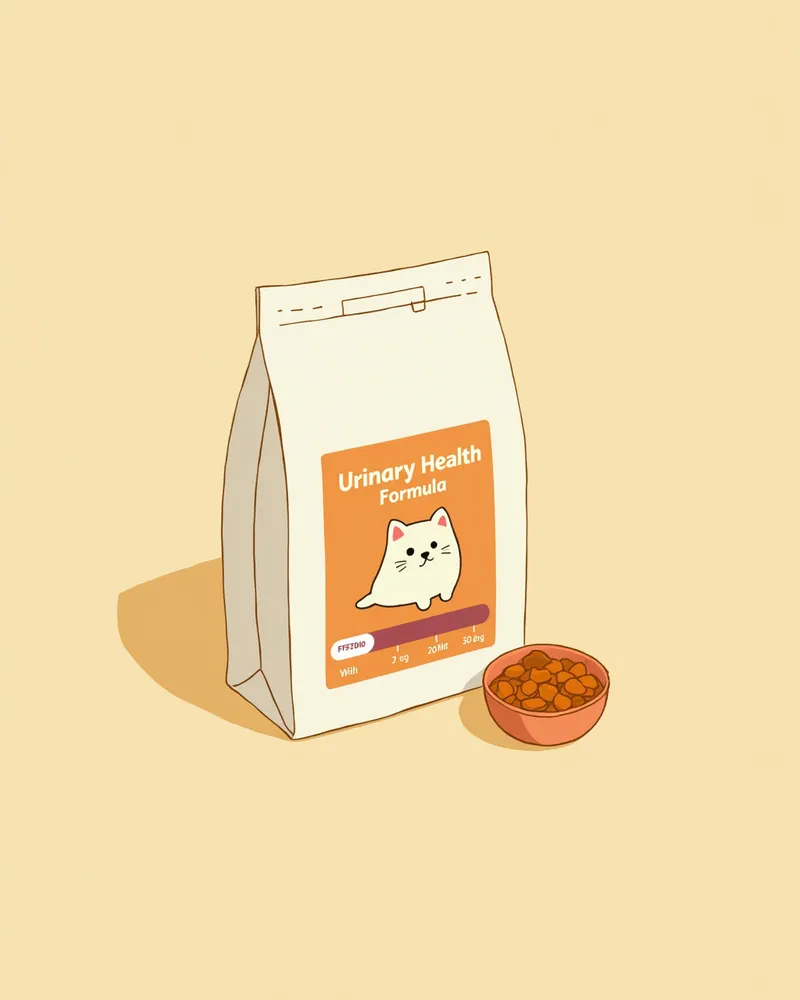
This food contains ingredients that help regulate urine pH. Acidifying components that lower urine pH may help inhibit the formation of struvite stones and can partially reduce urinary tract irritation caused by stones. It was specifically designed with male cats in mind, as their longer, narrower urethras make them more prone to blockages. If long-term management is needed, it is important to work with your veterinarian to develop a dietary plan. Developed with taste and texture in mind to encourage eating, this food minimizes meal refusal. When used alongside veterinary care, it enables safer and more effective management. If special dietary adjustments are required for urinary tract health, this food may be conditionally considered as an option.
Packaging for a diet specifically formulated to support urinary tract health

BEST 3: Cat-Specific Hydration Supplement (Liquid Form)
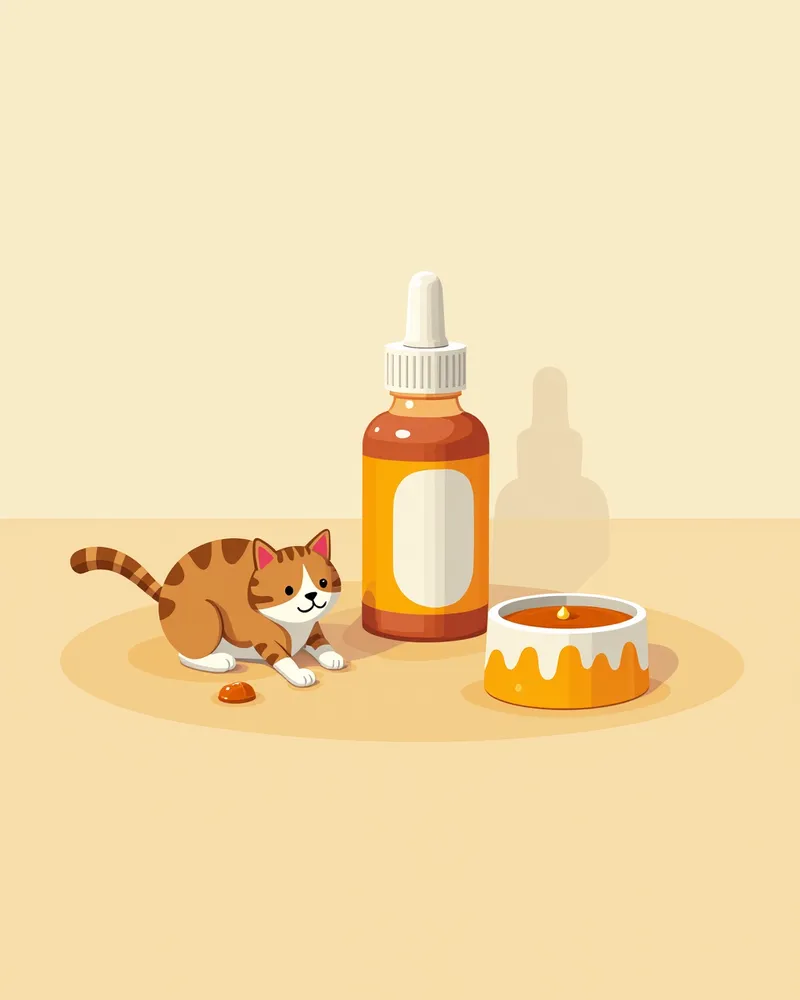
This hydration supplement is ideal for cats that don’t drink enough water. Its liquid form and appealing flavor make it easy for cats to consume, and when given with meals, it naturally increases their water intake. It helps dilute urine and reduce urinary tract irritation, and its effectiveness is enhanced when used alongside regular food. While hydration support can be beneficial for cats eating only dry food, always consult your veterinarian first for safety. Administered once or twice daily with meals, it fits seamlessly into everyday care. It can play a supportive role in maintaining urinary tract health in cats with insufficient water intake.
Liquid hydration supplement for cats

Comparison Table of BEST 1–3 Products

ItemBEST 1 (Moisture-Enhanced Food)BEST 2 (Urinary-Specific Food)BEST 3 (Moisture Supplement)
Moisture Content80% or higher50–60%100% (liquid)
Urine pH ControlNeutralAcidifying (pH 6.1–6.6)Supplementary
Dietary Control FunctionHigh moistureContains ingredients to prevent struvite stonesSupplementary support
Ease of Eating for CatsVery goodGoodVery good
Usage CycleContinuousContinuousDaily intake

Recommended for use after veterinary diagnosis. Cats at high risk of recurrence may need a long-term management plan.

Caution: Straining to Urinate is a Medical Emergency

If your cat is straining to urinate but nothing comes out, or if they show signs of pain while trying to go, take them to the vet immediately. This could indicate a urinary blockage, which is life-threatening. If home care isn’t helping, seeking veterinary assistance is the safest course of action.

Usage Tips: Preventing Recurrence with Daily Management
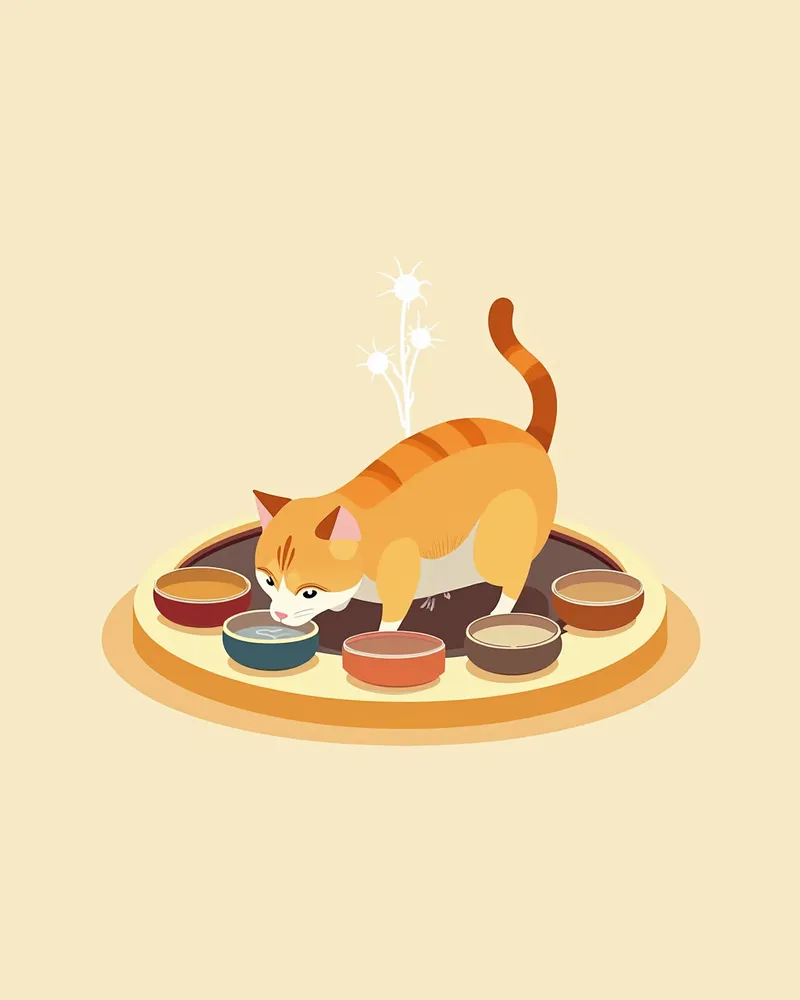
Since stranguria tends to recur, daily management is essential. Place multiple water bowls around the home and always provide clean, fresh water. Offering chilled water can also encourage your cat to drink more. When water stays clean and fresh, your cat is less likely to refuse it. Keep water bowls in easily accessible spots and make it a habit to refresh the water frequently. Stale water can develop odors or harbor bacteria, which may deter your cat from drinking. Alongside these daily water-care habits, managing environmental stress is the first step toward maintaining urinary tract health.
A cat drinking water from a fountain

Reviewed by a veterinarian

Dr. Tony — Punnawat Phongkittirak

Dr. Tony — Punnawat Phongkittirak

Veterinarian

A veterinarian who majored in veterinary medicine at Khon Kaen University, Thailand, and completed the IVSA program at North Carolina State University in the United States. Drawing on clinical experience at animal hospitals, he works in the pet healthcare field and is dedicated to building a digital care environment that connects pet parents with veterinarians.

Frequently Asked Questions

My cat had trouble urinating. What should I do next?
Consult with your veterinarian to create a plan to prevent recurrence. You may need to adjust your pet's diet, ensure adequate hydration, and modify their environment.
Can I give my pet an oral rehydration solution at home?
Please use this product only after consulting with your veterinarian. Overdosing can cause side effects.
Do only male cats get stranguria?
While this condition is more common in male cats, it can also occur in females. Males are more prone to blockages because their urethra is longer and narrower.
Will I see immediate results after switching my pet’s food?
The effects of dietary changes may not be immediate and can vary from cat to cat. Full recovery may take longer, so it’s important to work closely with your veterinarian and maintain consistent care.
Can streptococcal infection be completely cured?
It is possible to manage the condition to prevent recurrence. It is important to work with your veterinarian to develop a long-term management plan.

Share

Related Guides

References

[1] Carney, J. et al. (2014). A Professional’s Guide to Feline Behaviour: Understanding, Improving and Resolving Problems.

[2] Barrs, V.R. et al. (2006). Feline idiopathic cystitis: a review of pathogenesis, diagnosis, and management. Journal of Feline Medicine and Surgery.

[3] The Cat, Clinical Medicine and Management, 2nd Edition. (2018). Elsevier Health Sciences.

This information is based on veterinary literature and does not replace diagnosis or treatment. Please consult a veterinarian for specific health concerns.

Metapet Co., Ltd. | CEO: Park Sung-yong | Business Reg. No. 417-88-02562 | Seoul, South Korea | Customer Center

Cat Stranguria: Best Treatments & How to Choose the Right Care | Meongsiljang