Like
Share
멍실장
강아지 부신기능저하증(애디슨병) 관리 추천 BEST와 고르는 기준 총정리

7 Key Points for Lifelong Hormone Management of Canine Addison’s Disease, According to Veterinarians

EndocrineTop PicksMeongsiljang Veterinary Advisory Board

Canine hypoadrenocorticism (Addison’s disease) is a rare endocrine disorder in which the adrenal glands fail to produce sufficient cortisol and aldosterone. With proper management and treatment, dogs can maintain their normal daily lives.

What Is Canine Hypoadrenocorticism (Addison’s Disease)?
An image illustrating the anatomical causes of canine hypoadrenocorticism
Canine hypoadrenocorticism, commonly known as Addison’s disease, is an endocrine disorder characterized by insufficient production of cortisol and aldosterone by the adrenal glands. These hormones play crucial roles in managing stress responses and maintaining fluid and electrolyte balance. When adrenal function declines, this internal equilibrium is disrupted, leading to severe clinical signs. The condition is more frequently observed in young to middle-aged female dogs, accounting for approximately 70% of reported cases. Certain breeds, including Standard Poodles, West Highland White Terriers, Bearded Collies, Portuguese Water Dogs, Nova Scotia Duck Tolling Retrievers, and Leonbergers, have shown a genetic predisposition. However, mixed-breed dogs are also commonly affected, so breed alone should not provide false reassurance. Although early symptoms can be subtle, early detection allows for stable, lifelong management through hormone replacement therapy.

Good to Know: Managing Canine Hypoadrenocorticism (Addison’s Disease)
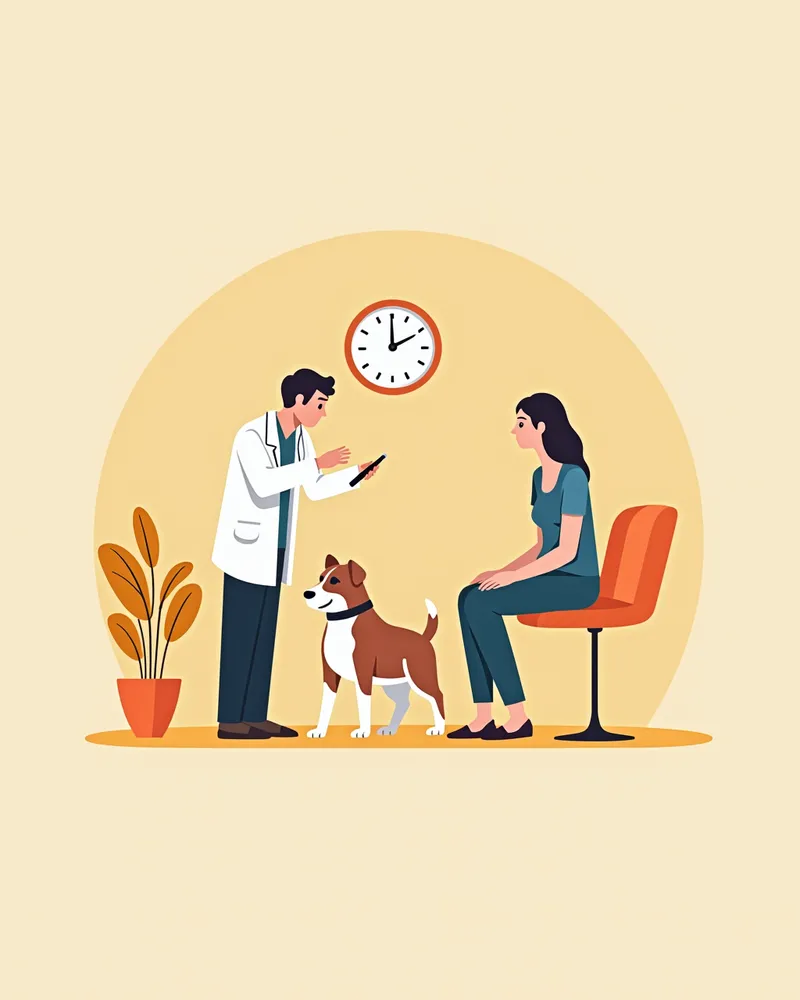
When choosing a product to manage canine hypoadrenocorticism, it’s important to carefully consider several factors, as each directly impacts treatment efficacy and safety. First, the ingredients should be backed by scientific evidence; products containing cortisol replacement and aldosterone supplementation are particularly reliable. Second, ease of administration matters—formulations that allow for once- or twice-daily dosing make long-term management much simpler. Third, pay close attention to potential side effects, ensuring the product won’t cause gastrointestinal issues or immune suppression with prolonged use. Fourth, the product should be tailored to breed-specific needs; for example, small-breed dogs benefit from formulations that allow for precise dose adjustments. Finally, always seek your veterinarian’s recommendation, as consulting with a professional before making a choice is the safest approach.
A scene of consulting with a veterinarian about managing hypoadrenocorticism.

Good to Know 1: What Is Hypoadrenocorticism?
Addison’s disease (hypoadrenocorticism) is an endocrine disorder in which the adrenal glands fail to produce sufficient amounts of essential hormones such as cortisol and aldosterone. Although relatively uncommon in dogs, it can occur in medium- and large-breed dogs. Symptoms may include lethargy, decreased appetite, vomiting, diarrhea, weight loss, and trembling. Acute adrenal crisis (Addisonian crisis) is a medical emergency that can rapidly lead to shock and collapse, so immediate veterinary care is essential if these signs are observed.
What is adrenal insufficiency? Related guide image

Good to Know 2: Diagnosis and Treatment Options
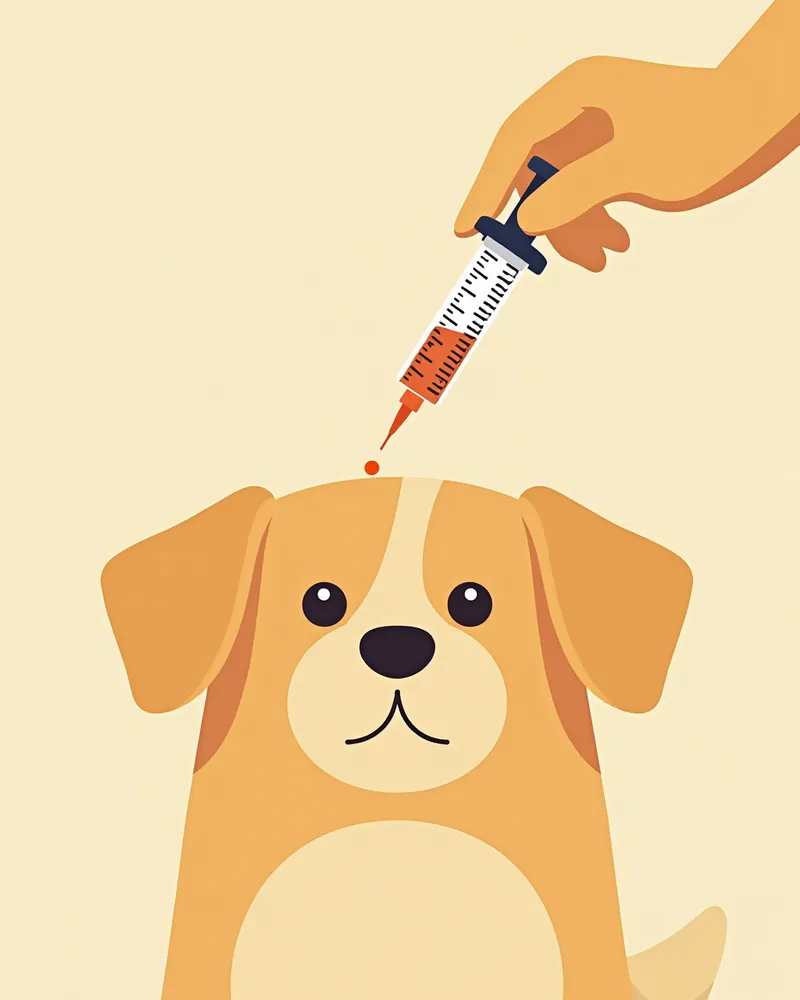
Diagnosis is made by your veterinarian through blood tests, electrolyte levels (sodium-to-potassium ratio), and ACTH stimulation tests. Treatment involves supplementing the deficient hormones, with your veterinarian prescribing injectable or oral hormone medications. In acute crises, hospitalization for intensive fluid therapy and emergency care is necessary. While a stable quality of life is possible with a good response to treatment, this is a condition requiring lifelong management. All medication choices and dosage adjustments must be determined by your veterinarian.
What are the diagnostic and treatment options? Related guide image

Good to Know 3: Long-Term Management and Owner Precautions
Addison’s disease is a condition that requires ongoing management through consistent hormone supplementation rather than a cure. Regular blood tests and electrolyte monitoring are essential, and hormone dosages should be adjusted in consultation with your veterinarian during stressful situations such as travel, grooming, or surgery. Abruptly stopping or reducing medication can trigger an Addisonian crisis. Unverified supplements or home remedies may disrupt hormonal balance and should only be used with veterinary approval. Consistent observation by the pet owner and regular veterinary check-ups are the most important aspects of managing this condition.
Guidance image on long-term care and precautions for pet owners

What Owners Should Know About Canine Hypoadrenocorticism (Addison’s Disease)

ItemKey Points
ConditionAn endocrine disorder in which the adrenal glands secrete insufficient essential hormones
SymptomsLethargy, vomiting, decreased appetite, weight loss, acute collapse
DiagnosisConfirmed by a veterinarian via ACTH stimulation test and electrolyte blood tests
TreatmentVeterinarian-prescribed hormone supplements; inpatient fluid therapy during acute phase
ManagementLifelong medication and regular monitoring; dose adjustment needed during stress

This table does not recommend specific products or clinics; it is a reference to consider when consulting your veterinarian. Always make treatment and testing decisions together with your veterinarian through an examination.

Caution: Serious Side Effects May Occur with Overdose

Adrenal insufficiency medications can cause side effects such as edema, high blood pressure, and immunosuppression if overdosed. Aldosterone supplements, in particular, can lead to electrolyte imbalances, making regular blood tests essential. Never exceed the dosage prescribed by your veterinarian. If your pet suddenly loses its appetite, vomits, or shows signs of lethargy, seek veterinary care immediately.

5 Tips for Managing Canine Hypoadrenocorticism

Regular check-ups: Have blood tests done every 3 to 6 months to monitor hormone levels.
Stress management: Visits to the vet, moving, or adding new family members can cause stress, so it's important to manage these situations carefully.
Diet adjustment: Don't restrict salt intake too much, and make sure your pet gets enough fluids.
Emergency preparedness: Keep emergency medications on hand so you can administer them quickly if an acute crisis occurs.
Record keeping: Regularly log medication use and symptom changes to make communication with your veterinarian easier.
Image of a management log for puppy adrenal insufficiency

Reviewed by a veterinarian

Dr. Tony — Punnawat Phongkittirak

Dr. Tony — Punnawat Phongkittirak

Veterinarian

A veterinarian who majored in veterinary medicine at Khon Kaen University, Thailand, and completed the IVSA program at North Carolina State University in the United States. Drawing on clinical experience at animal hospitals, he works in the pet healthcare field and is dedicated to building a digital care environment that connects pet parents with veterinarians.

Frequently Asked Questions

Can canine hypoadrenocorticism be cured?
While a complete cure is currently difficult, hormone replacement therapy can help maintain a stable and comfortable daily life. Long-term management is essential.
Which breeds are more commonly affected by Addison’s disease?
A genetic predisposition has been identified in Standard Poodles, West Highland White Terriers, Bearded Collies, Portuguese Water Dogs, Nova Scotia Duck Tolling Retrievers, and Leonbergers. However, this condition is also commonly seen in mixed-breed dogs.
How does an acute crisis present itself?
Symptoms may include vomiting, diarrhea, lethargy, low blood pressure, and abnormal heart rhythms (such as ECG changes caused by hyperkalemia). Immediate veterinary care is essential, as this condition can be life-threatening.
Shouldn't you avoid changing medications without consulting a veterinarian?
Absolutely not. Hormone levels are extremely sensitive, so you must consult your veterinarian before changing the type or dosage of any medication.
Is there a genetic component to hypoadrenocorticism?
Yes, certain breeds have a genetic predisposition, so early screening is recommended if there’s a family history.

Share

Related Guides

References

[1] Jamie M. Burkitt Creedon, DVM, DACVECC. Small Animal Critical Care Medicine, 3rd Ed. 2023.

[2] Textbook of Cardiovascular Medicine in Dogs and Cats. 2022.

[3] Clinical Medicine of the Dog and Cat, 4th Ed. 2021.

This information is based on veterinary literature and does not replace diagnosis or treatment. Please consult a veterinarian for specific health concerns.

Metapet Co., Ltd. | CEO: Park Sung-yong | Business Reg. No. 417-88-02562 | Seoul, South Korea | Customer Center

7 Vet Tips for Lifelong Hormone Care in Canine Addison's | Meongsiljang