Like
Share
멍실장
강아지 만성 재발 요로 감염 관리 추천 BEST와 고르는 기준 총정리

Top Recommended Products and Selection Criteria for Managing Chronic Recurrent Urinary Tract Infections in Dogs

UrinaryTop PicksMeongsiljang Veterinary Advisory Board

Chronic recurrent urinary tract infections in dogs require long-term management due to repeated infections. With the right products and care strategies, you can improve symptoms and help prevent recurrences.

Chronic Recurrent Urinary Tract Infections in Dogs Are Repeated Urinary Tract Issues
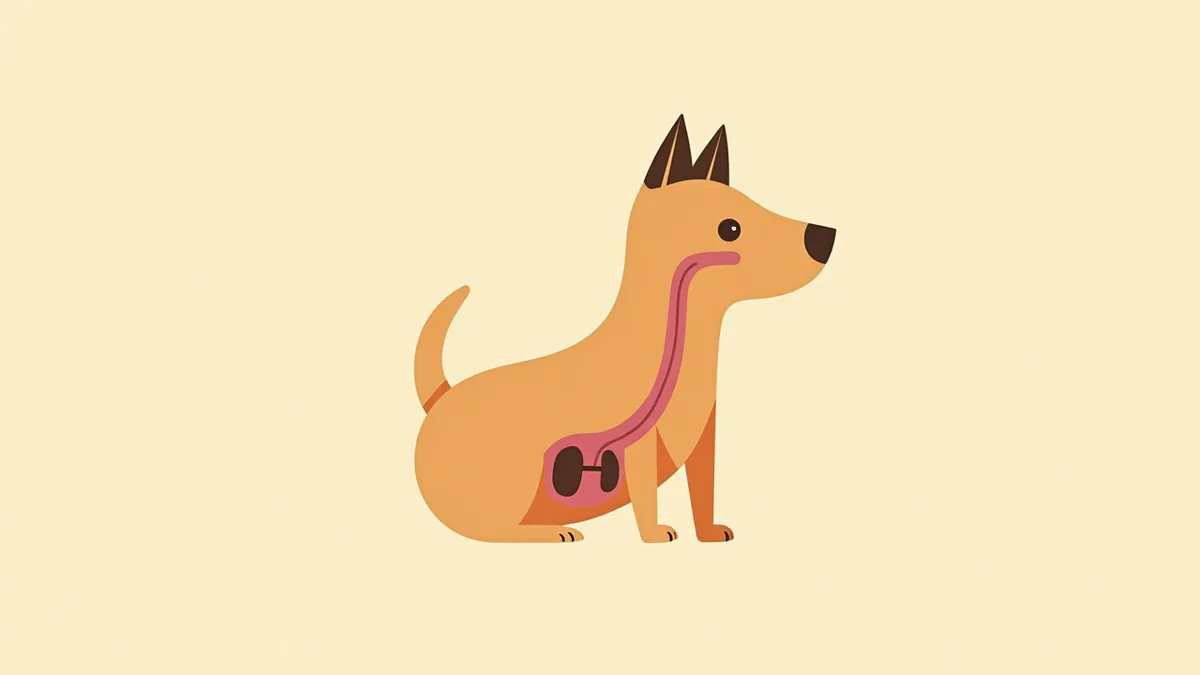
Anatomical diagram for understanding your dog’s urinary tract health
Chronic recurrent urinary tract infections (UTIs) in dogs are conditions characterized by repeated bacterial inflammation of the urinary tract, typically defined as clinical symptoms occurring three or more times a year, or two or more times within a six-month period. Dogs may experience recurring lower urinary tract signs such as frequent urination (pollakiuria), painful urination (dysuria), and hematuria. Recurrence can stem from a relapse or persistence of the same bacterial strain, or from a new reinfection, and is more likely to occur when underlying risk factors such as urinary stones or diabetes are present. - Management of Underlying Risk Factors: The cornerstone of managing recurrent infections is identifying and addressing hidden causes such as stones, tumors, or metabolic disorders. - Cranberry Components: Proanthocyanidins found in cranberries can help prevent recurrence by inhibiting Escherichia coli from adhering to the urinary tract mucosa. However, caution is advised with ingredients whose safety for dogs has not been confirmed, such as garlic. - Culture-Based Treatment: Antibiotic therapy should be kept as short as possible, guided by the results of urine culture and susceptibility testing. - Ease of Administration and Consultation: Products available in liquid or powder forms are convenient for daily administration and can be advantageous for routine care. However, since supplements do not replace medical treatment, it is important to consult with a veterinarian to select a tailored management plan.

5 Criteria for Choosing Products to Manage Urinary Tract Infections in Dogs
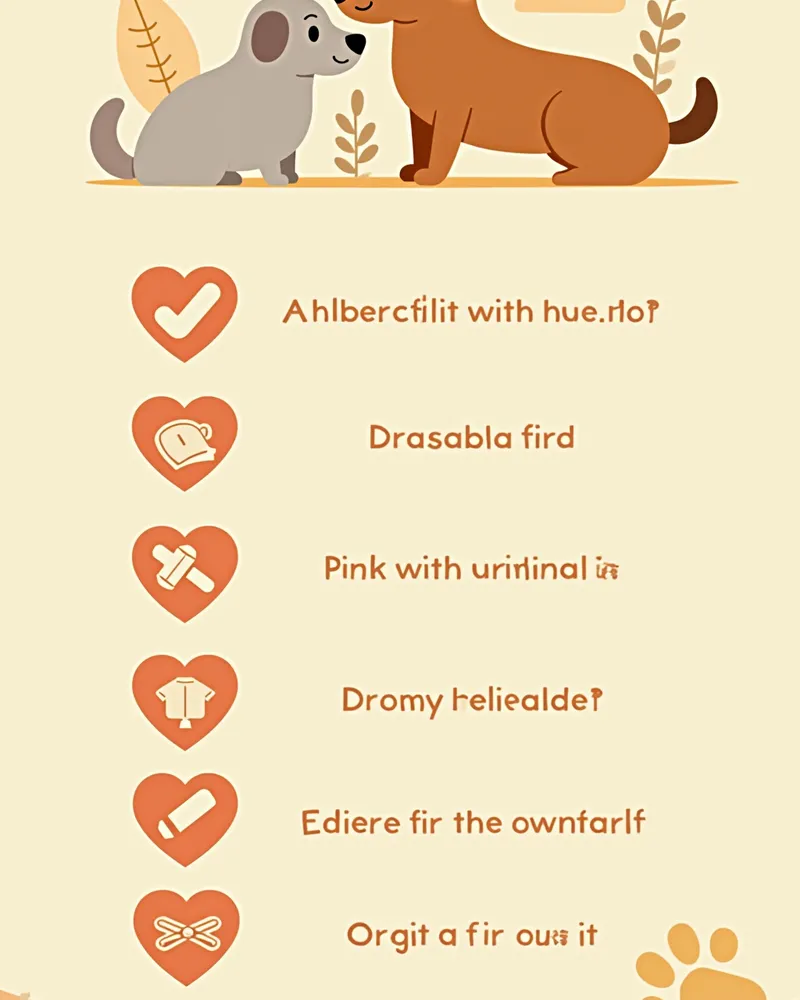
When choosing a product to help manage your dog’s chronic recurrent urinary tract infections, be sure to check the following criteria. First and foremost, it’s essential to screen for any underlying conditions such as bladder stones or diabetes. Second, look for products containing natural ingredients that have been reported to prevent E. coli from adhering to the urinary tract lining, such as cranberry. Third, ensure the product does not include ingredients whose safety in dogs has not been established, like garlic. Fourth, check that it is free from excessive sugar and unnecessary artificial additives. Fifth, remember that supplements do not replace antibiotic therapy based on culture results, so it’s important to consult your veterinarian before selecting a product. By following these guidelines, you can help ensure safer and more effective management for your dog.
5 Key Criteria for Choosing a Urinary Tract Health Supplement for Dogs

BEST 1: Bristled Urinary Tract Health Capsules
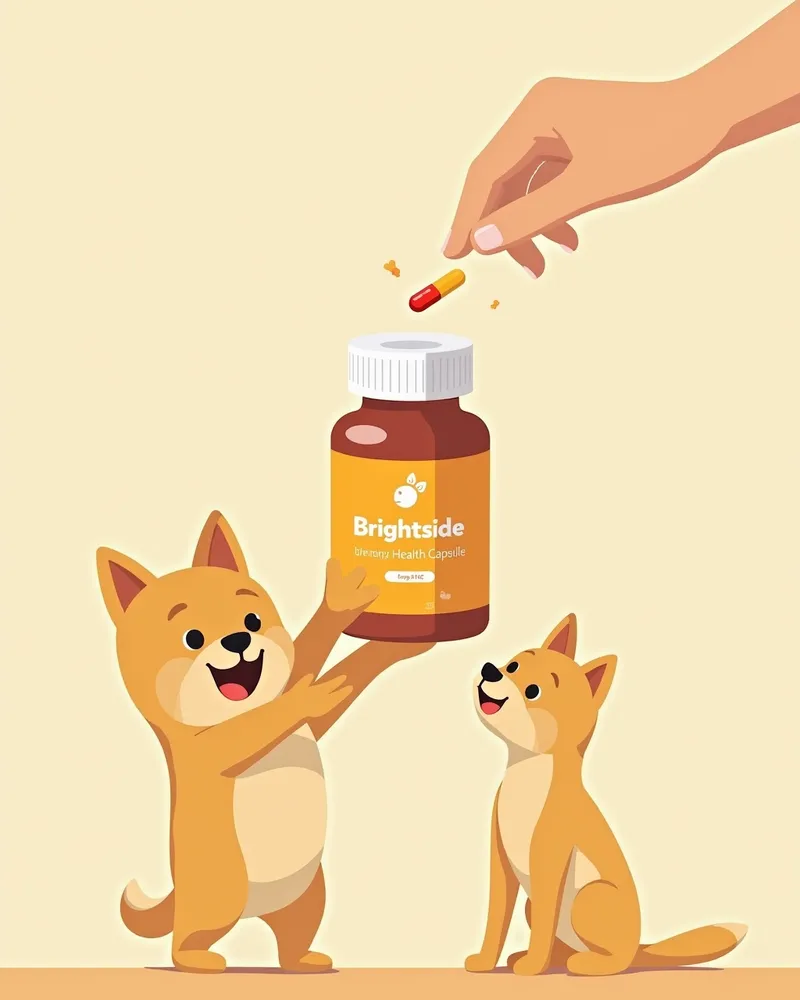
Bristled Urinary Tract Health Capsules are a urinary tract health supplement containing cranberry and blueberry. The proanthocyanidins in cranberries have been reported to help prevent recurrence by inhibiting E. coli from adhering to the urinary tract mucosa. The urinary tract mucosa naturally has a glycosaminoglycan protective layer, so maintaining mucosal health is key to defense. The capsule form makes it easy to administer, allowing for simple daily management with just one capsule. However, since supplements alone do not treat infections, it is safest to consult a veterinarian for culture testing and professional care if symptoms persist or recur.
Product image of Bristed Urinary Tract Health Capsules

BEST 2: Pet Plus Urinary Tract Support Powder
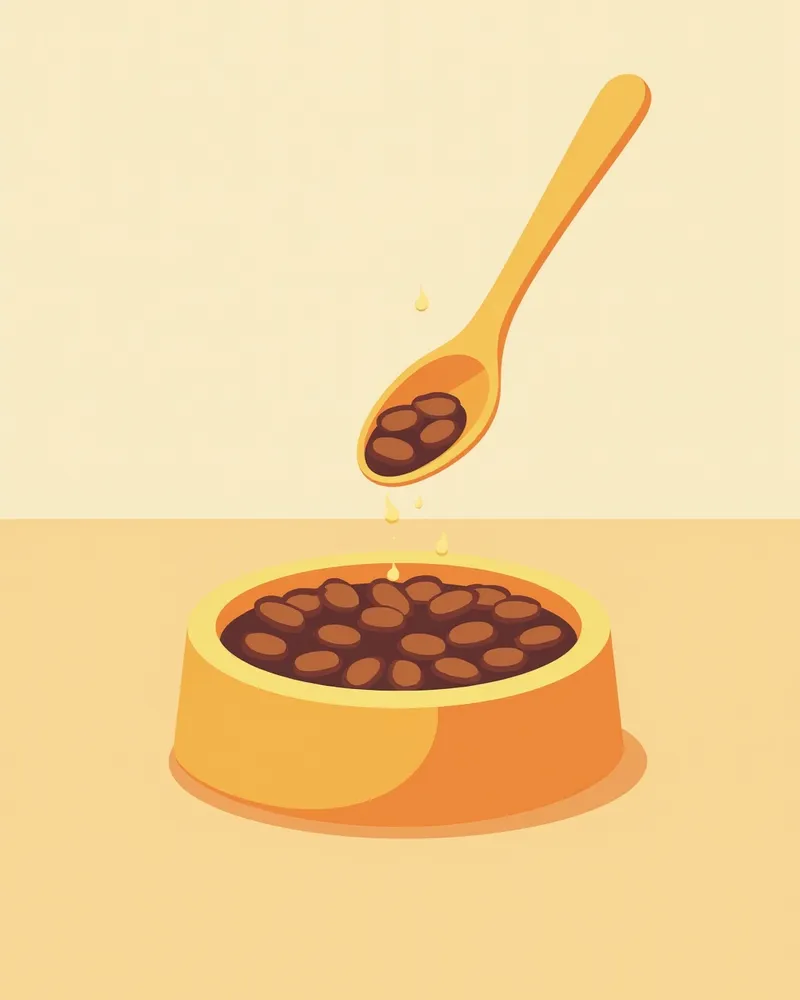
Pet Plus Urinary Tract Support Powder is formulated with cranberry as its main ingredient to help maintain urinary tract health. Cranberry can help prevent recurrence by inhibiting E. coli from adhering to the urinary tract lining. However, it’s best to avoid ingredients whose safety in dogs has not been confirmed, such as garlic extract. The powder form makes it easy to mix into your dog’s food, and the convenient daily dose is just one teaspoon. Please note that supplements do not replace antibiotic treatment, so if infections recur, it’s important to consult your veterinarian to rule out any underlying conditions.
PetPlus Urinary Tract Support Powder product image

BEST 3: LifeCare Urinary Health Liquid
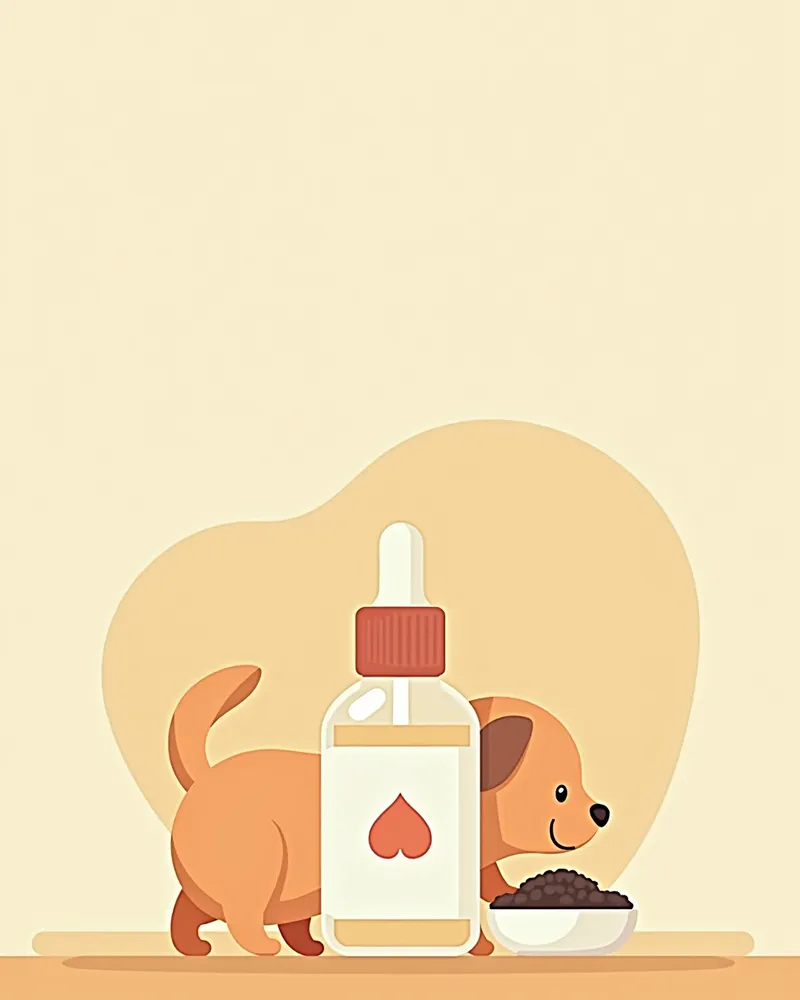
LifeCare Urinary Health Liquid is a liquid supplement designed for easy administration. Its blend of cranberry and herbal ingredients helps prevent E. coli from adhering to the urinary tract mucosa. - Cranberry Extract: Proanthocyanidins in cranberries help reduce bacterial adhesion to the mucosa, supporting the prevention of recurrence. - Easy Administration: Thanks to its liquid form, it can be easily mixed with water or given directly. It’s especially convenient for dogs with reduced appetite, as it can be offered without stress. - Simple Daily Care: With a recommended daily dose of 10 ml, it’s easy to administer and suitable for consistent, long-term management. - Veterinary Consultation First: This supplement does not replace treatment based on culture test results. If symptoms recur frequently, please consult your veterinarian for appropriate dosage and management guidance.
Life Care Urinary Tract Health Liquid Product Image

Comparison Table of BEST 1–3 Products

ItemBristed CapsulePet Plus PowderLife Care Liquid
Key IngredientsCranberry, blueberry, glucosamineCranberry, aloe vera, mucosa-protecting ingredientsCranberry, herbal extract
FormulationCapsulePowderLiquid
Recommended Daily Amount1 tablet1 teaspoon10ml
AdvantagesEasy to administerEasy to mix into foodEasy to mix into water, convenient to feed
PrecautionsPossible allergic reactionIndigestion if overconsumedRequires refrigeration during storage

All products are recommended for use after veterinary consultation. Supplements do not replace antibiotic treatment based on culture testing; if an allergic reaction occurs, discontinue immediately.

Caution: Risk of Side Effects with Excessive Intake

Overdosing on urinary tract health supplements can cause digestive upset or diarrhea. It’s safest to always follow the recommended dosage, and you should avoid products containing ingredients whose safety for dogs hasn’t been confirmed, such as garlic. If your dog shows symptoms like vomiting, diarrhea, or loss of appetite, stop giving the supplement immediately and consult your veterinarian.

4 Tips for Managing Urinary Tract Infections in Dogs
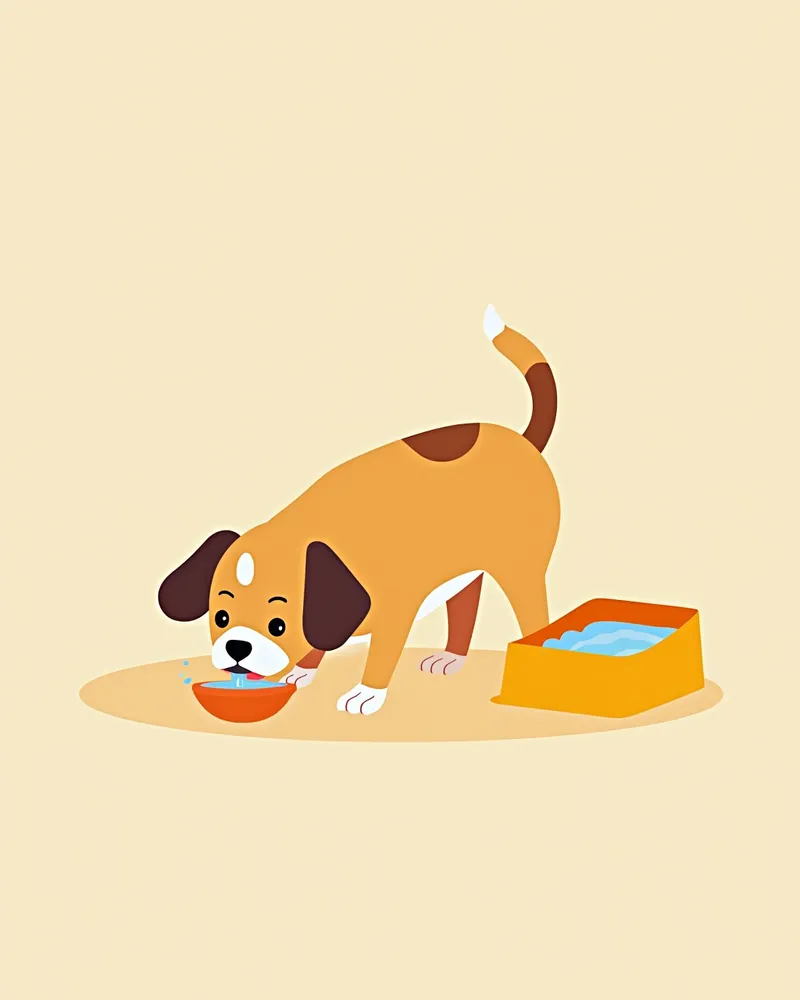
To effectively manage chronic recurrent urinary tract infections in dogs, follow these tips. First, encourage frequent water intake to promote urination. Second, clean the toilet area regularly to maintain hygiene. Third, create a stress-reducing environment. Fourth, schedule regular veterinary check-ups for early detection. Implementing these four tips will significantly help reduce the recurrence of urinary tract infections.
Practical tips for maintaining your dog’s urinary tract health

Reviewed by a veterinarian

Dr. Tony — Punnawat Phongkittirak

Dr. Tony — Punnawat Phongkittirak

Veterinarian

A veterinarian who majored in veterinary medicine at Khon Kaen University, Thailand, and completed the IVSA program at North Carolina State University in the United States. Drawing on clinical experience at animal hospitals, he works in the pet healthcare field and is dedicated to building a digital care environment that connects pet parents with veterinarians.

Frequently Asked Questions

When should I start giving my pet a urinary tract infection supplement?
It's best to use this product after receiving a diagnosis from a veterinarian. Supplements do not replace medical treatment, and it's safest to consult with your vet to determine the appropriate duration for both antibiotic therapy and supplement use.
Are supplements high in cranberry ingredients safe?
Cranberries have been reported to help prevent recurrence by blocking E. coli from adhering to the mucous membranes. However, excessive consumption is not recommended; it is important to adhere to the recommended dosage and consult with your veterinarian.
What should I do if the condition keeps recurring even after giving supplements?
If the condition keeps recurring, it’s important to check for any underlying diseases, such as diabetes or urinary stones. Work with your veterinarian to perform additional tests, like a urine culture.
Can supplements be taken together with medications?
Some supplements may interact with medications. Always consult your veterinarian before use. Special caution is needed when taking them with antibiotics.
Can giving supplements reduce the odor of urine?
The evidence that supplements reduce urine odor is not clear. Rather than focusing on changes in odor, it’s more important to manage the condition through veterinary diagnosis and culture testing.

Share

Related Guides

References

[1] Feldman, E.C. (2009). Urinary tract infections. In Nelson RW, Couto CG (eds.), Small Animal Internal Medicine, 4th ed. St. Louis: Mosby, pp. 624-630.

[2] Wagenlehner, F.M.E., & Naber, K.G. (2000). Hospital-acquired urinary tract infections. Journal of Hospital Infection, 46(3), 171–181.

[3] Plumb's Drug Handbook for Dogs and Cats (2023). 10th ed. Wiley-Blackwell.

This information is based on veterinary literature and does not replace diagnosis or treatment. Please consult a veterinarian for specific health concerns.

Metapet Co., Ltd. | CEO: Park Sung-yong | Business Reg. No. 417-88-02562 | Seoul, South Korea | Customer Center

Best Care for Chronic Recurrent UTIs in Dogs + Criteria | Meongsiljang