

7 Key Management Strategies and Selection Criteria for Canine Tricuspid Valve Dysplasia Recommended by Veterinarians
Canine tricuspid valve dysplasia is a condition in which blood flows backward due to a heart valve abnormality, making early detection and proper management essential. We’ve outlined the key criteria for selecting effective products and care strategies.
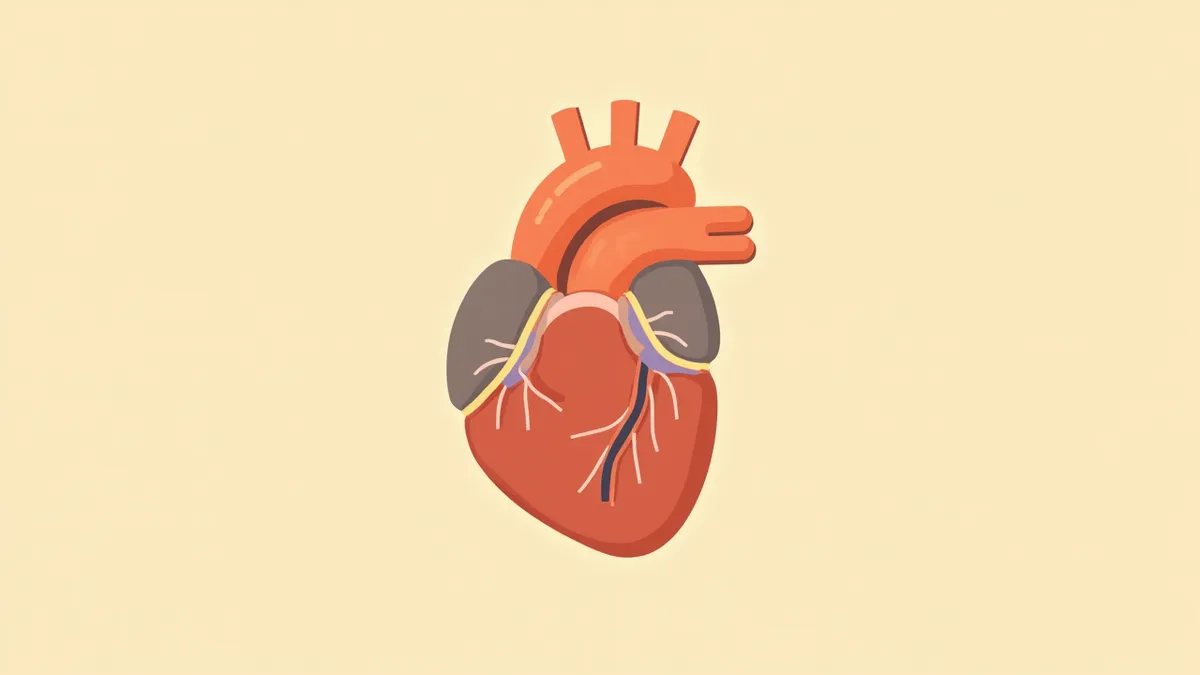
Canine Tricuspid Valve Dysplasia is a Condition Caused by Heart Valve Abnormalities
5 Key Criteria for Selecting Products That Aid in Management
BEST 1: Cardiac Support Supplement A (Premium)
BEST 2: Economy Heart Health Supplement B

BEST 3: Heart Health Diet C (Specialized)

Comparison Table of Products BEST 1–3
| Item | Main Ingredients | Form | Price Range | Recommended Timing |
|---|---|---|---|---|
| BEST 1: Supplement A | Omega-3, L-carnitine, glucosamine | Capsule | About $20 | When cardiac function declines |
| BEST 2: Supplement B | Omega-3, magnesium, vitamin E | Powder | About $10 | For prevention or early stage |
| BEST 3: Feed C | Low sodium, omega-3, antioxidant ingredients | Feed | About $20 | For long-term management and basic diet |
Prices are average prices per 1 month. Choose after consulting your veterinarian.
Caution: Excessive Dosage May Increase Cardiac Burden
Heart supplements can actually burden your dog’s body if given in excess of the recommended dose. This is especially true for nutritional supplements like omega-3 fatty acids, as potency and recommended amounts vary by product; arbitrarily increasing the dose can lead to unexpected side effects. Therefore, it is important to have your veterinarian determine the appropriate dosage based on your dog’s weight and health status. Avoid self-prescribing or overdosing, and always follow the recommended dosage on the product label as well as your veterinarian’s instructions.
Usage Tips: Consistent Management and Regular Check-ups Are Key

Reviewed by a veterinarian

Dr. Tony — Punnawat Phongkittirak
VeterinarianA veterinarian who majored in veterinary medicine at Khon Kaen University, Thailand, and completed the IVSA program at North Carolina State University in the United States. Drawing on clinical experience at animal hospitals, he works in the pet healthcare field and is dedicated to building a digital care environment that connects pet parents with veterinarians.
Reviewed 2026-06-03
Frequently Asked Questions
Can tricuspid valve dysplasia be treated?
When should I start giving my pet supplements?
Can it be managed with diet alone?
Are there any side effects?
Is prevention possible?
Share
Related Guides

Coenzyme Q10 Benefits and Administration Guide
Dog Pulmonary Edema Warning — 7 Best Diuretics (Furosemide) for Heart Management

7 Best Prescription Diets for Feline Heart Disease Recommended by Veterinarians — Criteria for Choosing Low-Sodium Food

Top Recommended Management Strategies for Fear-Based Aggression in Dogs and Selection Guidelines

7 Best Environmental Enrichment Strategies to Combat Boredom and Stress in Cats — Expert Selection Criteria

The Ultimate Guide to Increasing Your Dog’s Water Intake: Management Tips, Recommended Products, and Selection Criteria
Top Recommended Dog Urine Specific Gravity Test Kits and Selection Criteria
Top Recommended Products for Managing Urethral Stricture in Dogs and Selection Criteria
Top Recommended Management Products for Canine Urethral Obstruction and Selection Criteria
Complete Guide to Choosing and Managing Urethral Catheterization in Dogs: Top Recommendations and Selection Criteria
References
[1] Meurs KM. Genetics of Cardiac Disease in the Small Animal Patient. Vet Clin Small Anim Pract, 2010, 40:701–715.
[2] Textbook of Cardiovascular Medicine in Dogs and Cats. 2018, Elsevier.
[3] Clinical Medicine of the Dog and Cat, 4th Ed. 2020, Elsevier.