Like
Share
멍실장
고양이 심장 질환과 치과 처치 관리 추천 BEST와 고르는 기준 총정리

5 Things Not to Miss Before Scaling for Cats with Heart Disease — Criteria to Reduce Anesthesia Risk

HeartTop PicksMeongsiljang Veterinary Advisory Board

Feline heart disease and dental issues can influence each other, so comprehensive care is essential. Here’s a summary of the criteria for selecting effective products and management strategies.

Feline Heart Disease and Dental Issues Are Interconnected
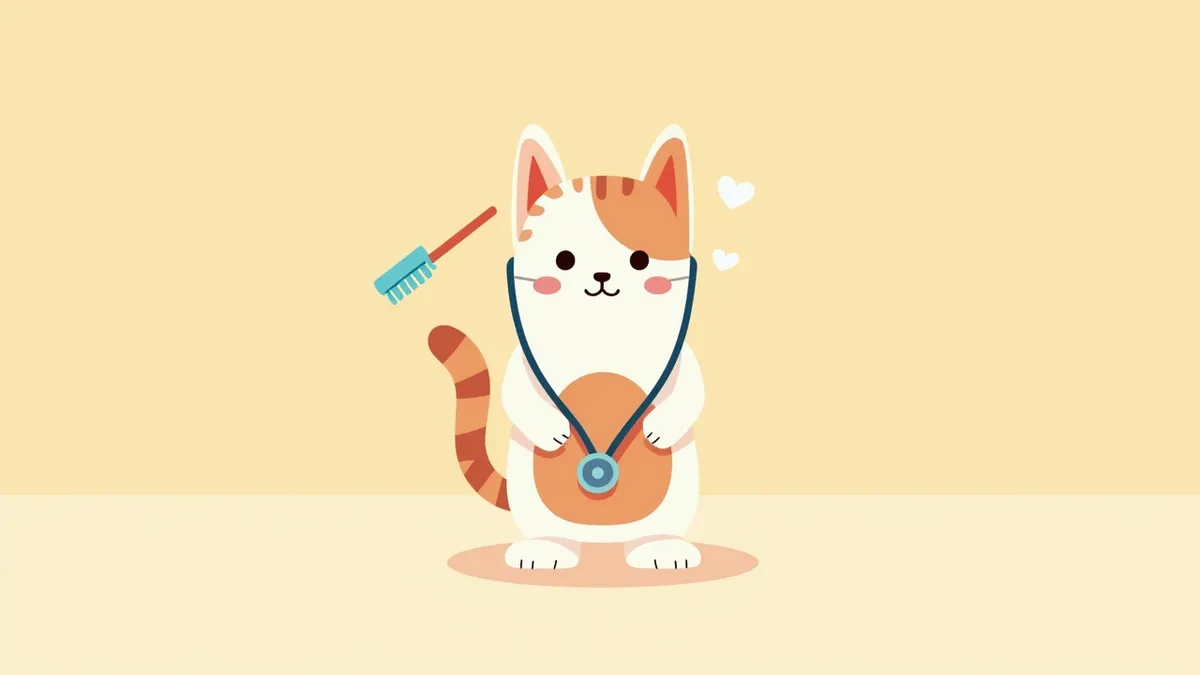
An image of a cat undergoing simultaneous checks for heart and dental health.
Oral health care is crucial for cats, as the majority of adult cats suffer from periodontal disease. The link between oral disease and systemic health (such as heart disease and diabetes) is relatively well established in humans, while research is still ongoing in companion animals. Therefore, rather than making definitive claims like “poor teeth inevitably lead to heart problems,” it is more accurate to understand that properly managing oral inflammation can help reduce the burden on the entire body. Fortunately, early-stage gingivitis (inflammation confined to the gums) can be prevented or reversed through consistent home oral care, such as regular tooth brushing. Thus, it is advisable to monitor both heart and dental health consistently, adopting a comprehensive management approach rather than making hasty conclusions. - Prevalence of oral disease: Since periodontal disease appears in most adult cats, routine care is essential. - Systemic association: The oral-systemic disease link is recognized in humans, but research is still underway in companion animals. - Need for comprehensive management: A care plan that considers both aspects together is beneficial. - Prevention-focused approach: Early gingivitis can be prevented and resolved through home care, making early intervention important.

Note: Dental Treatment in Cats with Heart Disease
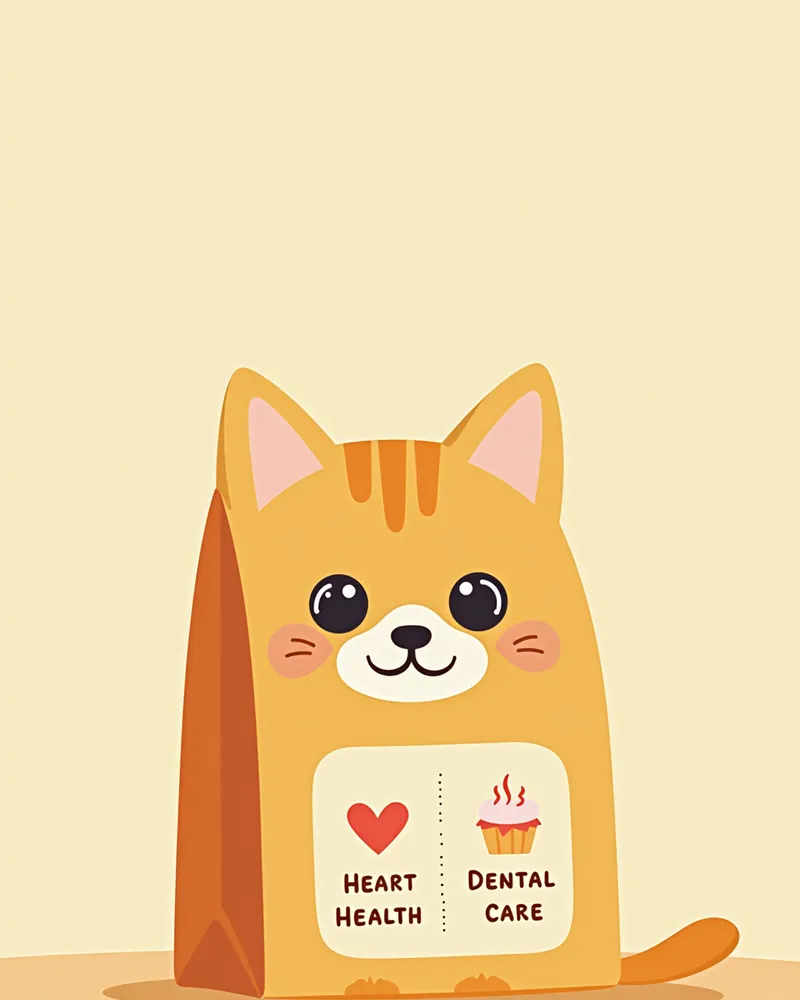
When selecting a product that supports both heart and dental health in cats, consider the following criteria. However, since claims that specific ingredients protect the heart often lack sufficient evidence, it’s best to make conservative decisions based on general principles supported by veterinary textbooks.
Dental Health Benefits: Diets certified by the Veterinary Oral Health Council (VOHC) for helping control tartar and plaque can be beneficial for cats prone to periodontal disease.
Complementary Oral Care: Daily home tooth brushing and regular professional dental cleanings remain the most important aspects of oral care.
Safe Ingredients: Ensure the product contains no ingredients harmful to cats, and carefully scrutinize any exaggerated efficacy claims.
Easy to Incorporate into Meals: Products that are easy to mix with regular food and allow for simple portion control are more convenient.
Consult Your Veterinarian: Because individual conditions vary, including whether your cat is taking heart medication, it’s safest to choose a product in consultation with your veterinarian.
An image of a food package that supports both heart and dental health.

Note 1: Why Extra Caution Is Needed

Dental health is closely linked to overall well-being, but pets with heart disease face higher anesthesia risks during dental procedures, requiring careful consideration. On the other hand, leaving oral inflammation untreated can itself place a burden on the body, so simply postponing treatment isn’t the answer. It’s important to evaluate both the heart and oral conditions together, carefully weighing the benefits of treatment against the risks of anesthesia. These decisions should always be made in consultation with your veterinarian.
Why is extra caution needed? Related guidance image

Note 2: Pre-procedural Cardiac Evaluation and Stabilization Are Key

For pets with heart disease, the key to dental treatment is evaluating and stabilizing their cardiac condition before anesthesia. We assess their status through echocardiograms or other necessary tests, adjust how their current heart medications are managed, and develop a plan to minimize anesthetic risks. If their condition is unstable, we first stabilize their heart before scheduling the procedure. It’s safest to receive care at a clinic that can address both cardiac and dental needs.
Pre-cardiac evaluation and stabilization are important. Refer to the related guide image.

Note 3: Consultation and Monitoring for Safe Treatment
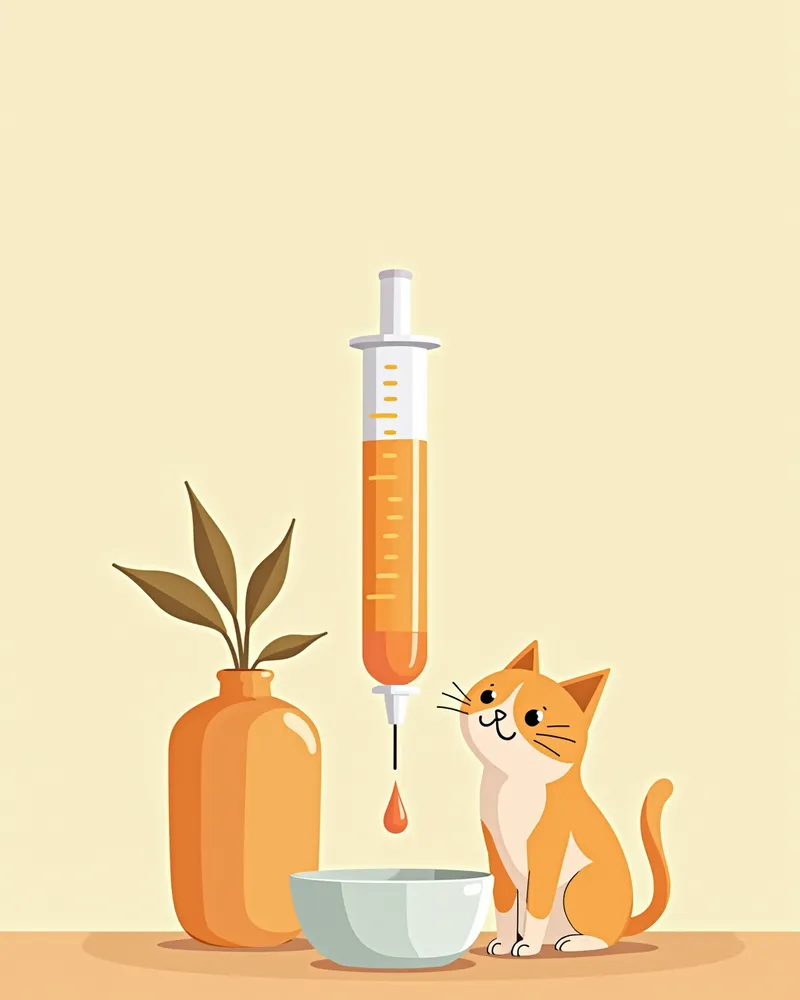
During the procedure, safety is significantly enhanced by close monitoring of heart rate, respiration, oxygen levels, and blood pressure, as well as having dedicated staff to oversee anesthesia. Maintaining blood pressure with intravenous fluids and carefully managing the duration of the procedure are also helpful. It’s best to choose a clinic where the cardiologist and dental team collaborate on a treatment plan and provide care through the recovery process. Discuss the benefits and risks thoroughly with your veterinarian to decide together on the right timing for the procedure.
Guidance image on collaborative care and monitoring for safe treatment

Key Points on Heart Disease and Dental Treatment

ItemKey Points
Reason for cautionHeart disease increases anesthesia risk, but leaving oral inflammation untreated is also a burden
Balanced judgmentWeigh the benefits and risks by considering both cardiac and oral conditions
Pre-assessmentDetermine the timing of the procedure after stabilization through cardiac testing and medication adjustment
Safe procedureHeart rate, respiration, and blood pressure monitoring with fluids and dedicated staff
ConsultationPlan through cardiology-dental collaboration; decide timing with the veterinarian

This is not a table recommending specific products or hospitals, but a reference for consulting your veterinarian. Treatment and testing decisions must always be made together with a veterinarian through examination.

Caution: Veterinary Consultation Is Essential Before Dental Treatment for Cats with Heart Disease

In cats with compromised heart function, dental surgery or aggressive treatments can place undue stress on the heart. In particular, dental procedures involving anesthesia carry significant risks, so a veterinarian must thoroughly evaluate the cat’s cardiac status before making any decisions. Do not give treats or supplements without your veterinarian’s recommendation.

Usage Tips: How to Maintain Long-Term Heart and Dental Health in Cats

To keep your cat’s heart and teeth healthy for the long term, daily care habits are essential. Consistent maintenance alongside regular check-ups is key.
Regular Check-ups: For cats with heart disease, it’s advisable to monitor disease progression via echocardiograms every 6 to 12 months, depending on the stage, and to include oral examinations in these visits.
Dietary Management: Avoid salty (high-sodium) foods. If necessary, consult your veterinarian to select a diet tailored to support both heart and dental health.
Oral Care: Brush your cat’s teeth daily if possible. When offering dental-supportive foods or treats, strictly adhere to the recommended serving sizes.
Supplements: Since the efficacy of supplements can be difficult to confirm, administer them consistently only when recommended by your veterinarian.
Stress Management: Stress can impact heart health, so minimize stimuli such as environmental changes or loud noises, especially for cats sensitive to these factors.
An image showing how to manage your cat’s routine check-ups and dental care schedule.

Reviewed by a veterinarian

Dr. Tony — Punnawat Phongkittirak

Dr. Tony — Punnawat Phongkittirak

Veterinarian

A veterinarian who majored in veterinary medicine at Khon Kaen University, Thailand, and completed the IVSA program at North Carolina State University in the United States. Drawing on clinical experience at animal hospitals, he works in the pet healthcare field and is dedicated to building a digital care environment that connects pet parents with veterinarians.

Frequently Asked Questions

Can cats with heart disease also receive dental care?
Yes, it’s possible. However, dental procedures requiring anesthesia should only be performed after a veterinarian has evaluated your pet’s heart condition. Treats and supplements can be given under veterinary guidance.
What are the benefits of a product that simultaneously supports heart and dental health?
The link between oral and heart disease is relatively well-established in humans, but research is still ongoing in pets. While we can’t definitively say that one condition necessarily worsens the other, managing oral inflammation can support overall health. It’s best to monitor both areas consistently.
Which of the BEST products should I choose first?
It depends on your cat’s current condition. Rather than assuming one product is superior, it’s best to evaluate both heart and oral health together to determine priorities. In any case, consulting with your veterinarian is the safest approach.
Is it okay to give treats or supplements every day?
If it’s a product recommended by a veterinarian, it’s safe to feed as long as you follow the daily recommended amount. Overconsumption can cause side effects, so be sure to stick to the recommended dosage.
What should you keep in mind when giving dental cleaner treats to a cat with heart disease?
If your cat has trouble swallowing treats or starts coughing while eating them, stop giving the treats right away and consult your veterinarian. This is especially important for cats with weakened heart function, as overly hard treats can pose a risk.

Share

Related Guides

References

[1] Bellows J. Feline Dentistry – Oral Assessment, Treatment, and Preventative Care. 1st ed. Ames: Wiley-Blackwell; 2010.

[2] DeBowes LJ. Simple and surgical exodontia. Vet Clin North Am Small Anim Pract. 2005;35:963–984.

[3] Payne JR, Borgeat K, Brodbelt DC, Connolly DJ, Luis Fuentes V: Risk factors associated with sudden death vs. congestive heart failure or arterial thromboembolism in cats with hypertrophic cardiomyopathy, J Vet Cardiol 17(Suppl 1):S318-S328, 2015.

This information is based on veterinary literature and does not replace diagnosis or treatment. Please consult a veterinarian for specific health concerns.

Metapet Co., Ltd. | CEO: Park Sung-yong | Business Reg. No. 417-88-02562 | Seoul, South Korea | Customer Center

Cat Heart Disease & Dental Scaling: 5 Pre-Op Must-Knows | Meongsiljang