Like
Share
멍실장
고양이 베타차단제 심장 관리 추천 BEST와 고르는 기준 총정리

Top 3 Recommended Beta-Blockers for Feline Heart Disease and Selection Criteria

HeartTop PicksMeongsiljang Veterinary Advisory Board

Here’s how to effectively choose beta-blocker products for managing feline heart disease, along with our top three recommendations. Always use these medications under veterinary guidance to ensure safety.

What Is Beta-Blocker Therapy for Cats?
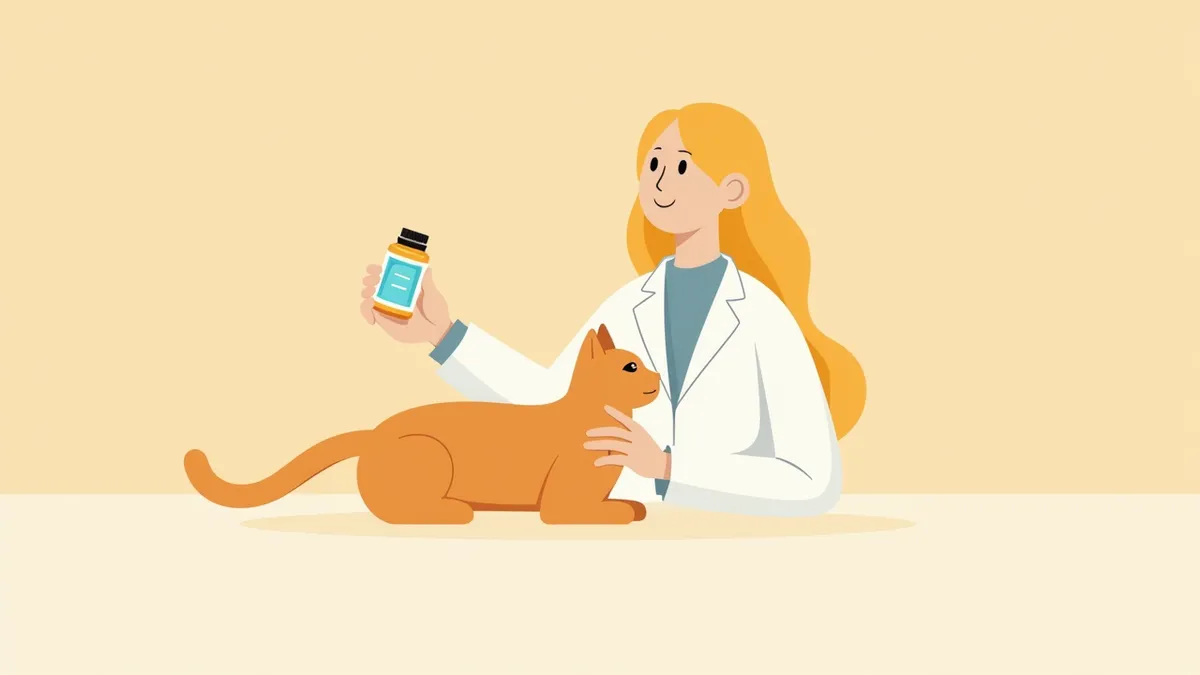
A veterinarian holding a beta-blocker medication, with a cat watching attentively.
Beta-blocker therapy for cats helps manage heart conditions by slowing the heart rate and controlling arrhythmias, thereby reducing the heart’s workload. Veterinarians typically prescribe these medications for cats with hypertrophic cardiomyopathy (myocardial hypertrophy), tachyarrhythmias, or hypertension. However, because beta-blockers have a negative inotropic effect—meaning they can slightly reduce the heart’s contractile force—they must be used with caution or avoided in cats with weakened cardiac contractility or congestive heart failure. While these drugs help stabilize heart rate and rhythm, there is no established evidence that atenolol specifically extends survival time. Side effects such as lethargy, decreased appetite, and difficulty breathing may occur during treatment, so careful monitoring is essential. Consistent administration under veterinary guidance, along with regular check-ups and ongoing management, is crucial.

6 Criteria for Choosing a Beta-Blocker

Choosing the right beta-blocker for your cat starts with a veterinarian’s diagnosis. - Drug stability: Opt for medications with fewer side effects during long-term use. - Potential side effects: Choose drugs that minimize drowsiness and loss of appetite. - Ease of administration: Tablets or liquid forms are more convenient for easy dosing. - Dosing frequency: Once-daily medications are more practical for daily care. - Brand reliability: Prioritize products from reputable pharmaceutical companies. - Cost-effectiveness: Balance affordability with therapeutic effectiveness.
6-Point Checklist for Choosing a Beta-Blocker for Cats

BEST 1: Atinor Beta-Blocker (Atenolol)
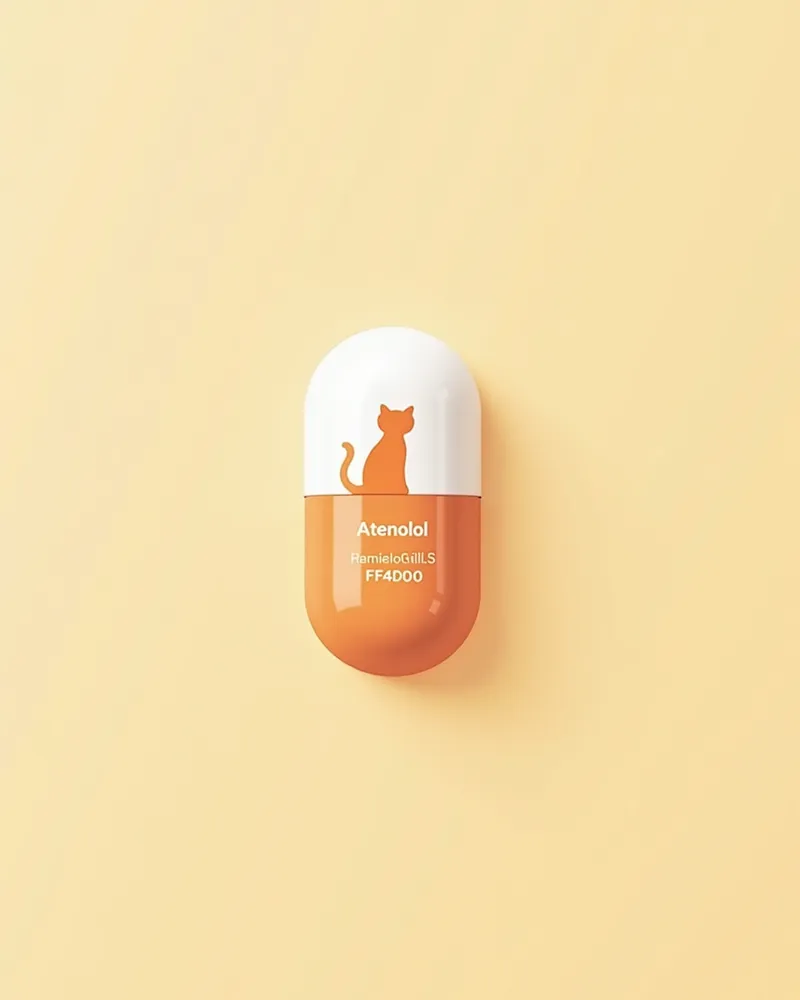
Atenolol (Atinor) is the most widely used β1-selective beta-blocker for managing heart disease in cats. - Heart rate control: It reduces heart rate and cardiac output, easing the burden on the heart. - Use in hypertrophic cardiomyopathy: It may be considered for cats with hypertrophic cardiomyopathy (HCM) or severe left ventricular outflow tract obstruction, although evidence that it extends survival time has not yet been established. - Convenient dosing: Typically administered every 12–24 hours, making management relatively straightforward. - Monitoring for side effects: Most cats tolerate it well, but because the safety margin is narrow, drowsiness or decreased appetite may occur. - Veterinary guidance essential: Dosage must be adjusted based on body weight and kidney function. - Caution in heart failure: Use is generally discouraged in cases of congestive heart failure.
Atinor Beta-Blocker Medication Reminder Chart

BEST 2: Propinor Beta-Blocker (Propranolol)
Propranolol (Propinor) is a non-selective beta-blocker used in cats with rapid heart rates or tachyarrhythmias. - Control of tachycardia and arrhythmias: It helps slow down a fast heart rate and manage tachyarrhythmias. - Blood pressure considerations: Beta-blockers have limited efficacy in treating systemic hypertension in cats, so medications like amlodipine are typically preferred for high blood pressure. - Contraindications in liver disease: This medication is contraindicated in cats with compromised liver function or liver disease, and it should not be used in cases of heart failure or bradycardia. - Dosing schedule: In cats, it is usually administered every 8 hours (three times daily). - Administration precautions: The dosage should be adjusted gradually under the guidance of a veterinarian. - Monitoring for side effects: Carefully watch for signs such as lethargy, decreased appetite, and reduced activity levels.
Propranolol, a beta-blocker medication, and a heart monitor graph

BEST 3: Betarol Beta-Blocker (Betaxolol)

Betarol (betaxolol) is classified as a β1-selective beta-blocker. However, since the referenced veterinary textbooks do not provide data on its use in cats, it should be used cautiously according to general beta-blocker principles. - Mechanism of action: Like other beta-blockers, it is used to lower heart rate and control arrhythmias. - Caution with reduced contractility: Beta-blockers have a negative inotropic effect, meaning they reduce heart muscle contractility. Therefore, they should generally be avoided in cats with weakened contractile function or heart failure. - Individualized dosing: Precise dosage adjustments are necessary based on body weight and clinical condition. - Veterinary supervision required: Regular check-ups are essential during treatment. - Monitor respiratory status: If difficulty breathing occurs, seek immediate veterinary care.
Betarrr, a beta-blocker medication, and heart-shaped leaves

Comparison Table of Beta-Blockers BEST 1–3

ItemAtenorPropinorBetarr
Main effectHeart-rate control, HCM managementTachycardia/arrhythmia controlHeart-rate control (limited evidence in cats)
Main side effectsDrowsiness, decreased appetiteContraindicated in liver disease/heart failurePossible hypotension
Dosing schedule1–2 times daily (every 12–24 hours)3 times daily (every 8 hours)As directed by the veterinarian
Cost-effectivenessHighMediumHigh

After veterinary prescription, dosage is adjusted according to body weight and kidney condition.

Caution: Do Not Stop Abruptly

Beta-blockers can cause sudden, severe heart rhythm instability if stopped abruptly. Always taper the dose gradually under your veterinarian’s guidance. If your pet develops drowsiness, loss of appetite, or difficulty breathing while taking the medication, seek veterinary care immediately.

Usage Tips and Management Points

While your cat is taking beta-blockers, monitor their appetite, activity level, and breathing daily. - Consistent dosing time: It is important to administer the medication at the same time every day. - Record reactions: If any adverse reactions occur, document them immediately and share the information with your veterinarian. - Post-dosing observation: Closely observe your cat for any reactions within 1 to 2 hours after administering the medication. - Regular check-ups are essential: For safety, have your cat undergo cardiac examinations every 3 to 6 months. - Do not stop abruptly: Never discontinue the medication without your veterinarian's instructions. - Maintain a stable environment: Provide a low-stress environment for your cat.
Cat Beta-Blocker Medication Management Diary Calendar

Reviewed by a veterinarian

Dr. Tony — Punnawat Phongkittirak

Dr. Tony — Punnawat Phongkittirak

Veterinarian

A veterinarian who majored in veterinary medicine at Khon Kaen University, Thailand, and completed the IVSA program at North Carolina State University in the United States. Drawing on clinical experience at animal hospitals, he works in the pet healthcare field and is dedicated to building a digital care environment that connects pet parents with veterinarians.

Frequently Asked Questions

Are beta-blockers always safe for cats?
Not all cats are safe to use this medication. Cats with weak liver function, low blood pressure, bradycardia, or congestive heart failure should avoid using it or use it with particular caution. Beta-blockers have a narrow safety margin, so they must be prescribed by a veterinarian after diagnosis.
What should I do if my pet gets sleepy after taking the medication?
Temporary drowsiness is a common side effect. However, if it persists or your pet loses its appetite, please contact your veterinarian, as a dosage adjustment may be necessary.
What should I do if my pet’s heart condition worsens after starting a beta-blocker?
Contact your veterinarian immediately. Do not stop the medication on your own, as the heart condition may worsen; professional veterinary care is necessary.
When is the best time to give my pet medication?
The frequency of administration varies depending on the medication. For medications given once daily, administer them in the morning. For those given two or three times a day, divide the doses evenly throughout the day. It is important to give the medication at consistent times each day.
What should I do if my pet’s bowel movements become abnormal after giving them medication?
If your pet develops constipation or diarrhea, please inform your veterinarian. These symptoms may be side effects of the medication, so do not stop administering it on your own; instead, seek veterinary care.

Share

Related Guides

References

[1] Jaisser F, Farman N. (2016) Emerging roles of the mineralocorticoid receptor in pathology: toward new paradigms in clinical pharmacology. Pharmacol Rev, 68(1):49-75.

[2] Payne JR, Borgeat K, Brodbelt DC, et al. (2015) Risk factors associated with sudden death vs. congestive heart failure in cats with hypertrophic cardiomyopathy. J Vet Cardiol, 17(Suppl 1):S318-S328.

[3] Feline Emergency and Critical Care Medicine, 2nd Ed. (2020) Chapter 3: Pharmacological Management of Feline Heart Disease. Elsevier.

This information is based on veterinary literature and does not replace diagnosis or treatment. Please consult a veterinarian for specific health concerns.

Metapet Co., Ltd. | CEO: Park Sung-yong | Business Reg. No. 417-88-02562 | Seoul, South Korea | Customer Center

Top 3 Beta-Blockers for Feline Heart Care | Meongsiljang