Like
Share
멍실장
고양이 고혈당증 관리 추천 BEST와 고르는 기준 총정리

7 Essential Blood Sugar Management Products for Cats with Hyperglycemia Recommended by Veterinarians and Selection Criteria

EndocrineTop PicksMeongsiljang Veterinary Advisory Board

Feline hyperglycemia is a condition characterized by persistently elevated blood sugar levels due to insulin resistance or deficiency. Proper management and careful product selection are essential.

Feline Hyperglycemia Is a Metabolic Disorder Caused by Impaired Insulin Function
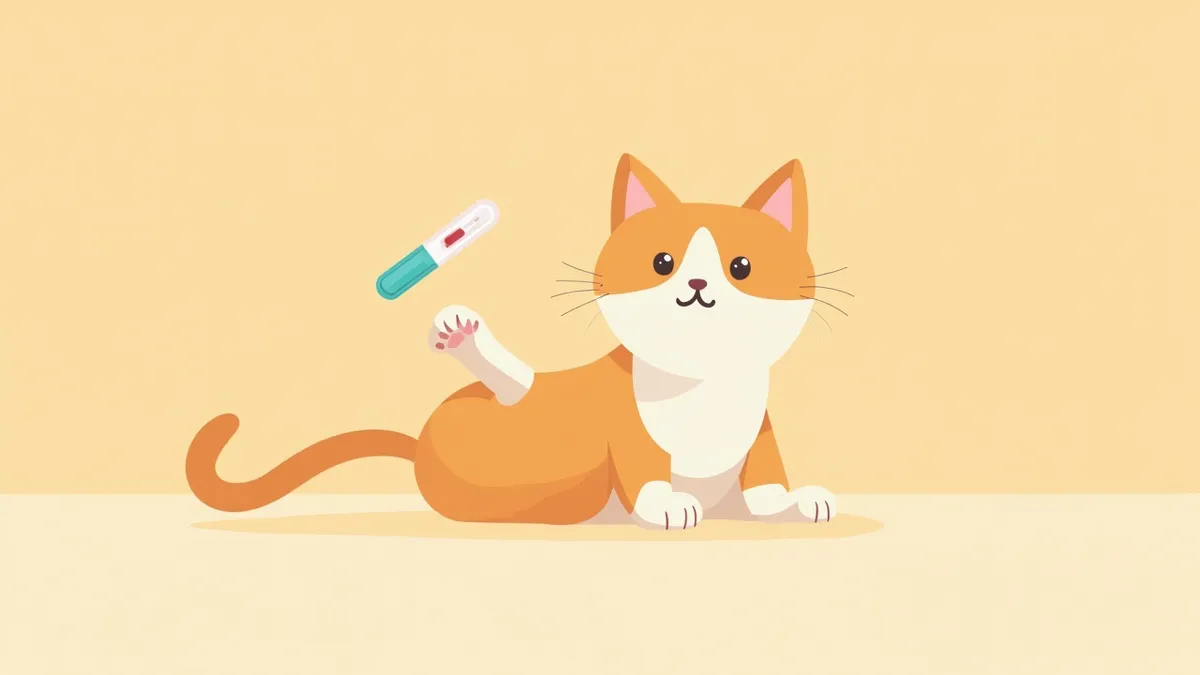
An image showing a blood glucose test strip attached to a cat's paw pad.
Feline hyperglycemia is a condition in which blood glucose levels remain persistently elevated due to insufficient insulin secretion or insulin resistance, with diabetes mellitus being the most common cause. Most cases of feline diabetes resemble type 2 diabetes in humans, and it is known to be associated with obesity because substances secreted by adipose tissue can interfere with insulin action. Prolonged hyperglycemia can lead to glucotoxicity, which damages the pancreatic beta cells responsible for producing insulin, making early detection and management crucial. If blood glucose is not properly controlled, it can progress to life-threatening complications such as diabetic ketoacidosis (DKA) or hyperglycemic hyperosmolar syndrome (HHS). Additionally, urinary tract infections occur in more than 10% of diabetic cats. Therefore, regular veterinary check-ups and ongoing management are essential, and effective control requires a combination of a low-carbohydrate diet and insulin therapy.

Know This: Managing Feline Hyperglycemia

When choosing a product to help manage your cat’s hyperglycemia, be sure to follow these three key criteria. - Effectiveness: The product should have a dietary composition that supports blood sugar control. Low-carbohydrate diets are evidence-based for managing feline diabetes. However, no supplement or food can replace insulin, so if your cat requires insulin, it must be administered alongside veterinary-prescribed insulin therapy. - Safety: The product should have minimal side effects with long-term use and place little burden on your cat’s liver and kidneys. - Palatability: The taste and form should be appealing enough that your cat will eat it willingly and naturally. Options include jelly-based and wet-food formats. A product that meets all three of these criteria is truly the best choice.
A cat eating a special diabetic diet food

Know This 1: What Is Hyperglycemia?

Feline hyperglycemia is a condition in which blood glucose levels exceed the normal range. The most common cause is diabetes mellitus, but stress-induced temporary elevations, pancreatitis, and hyperadrenocorticism (Cushing’s syndrome) can also raise blood sugar. Key symptoms include excessive thirst and urination, changes in appetite, weight loss, and lethargy. If blood glucose becomes very high, the condition can progress to diabetic ketoacidosis (DKA), which is marked by vomiting, complete loss of appetite, and severe lethargy, requiring prompt veterinary care.
What is hyperglycemia? Related guide image

Know This 2: Diagnosis and Treatment Options
Diagnosis is made by checking blood glucose levels and the presence of glucose in the urine through blood and urine tests. Fructosamine levels may also be measured to distinguish between stress-induced hyperglycemia and true diabetes mellitus. Treatment varies depending on the underlying cause. If diabetes mellitus is confirmed, the veterinarian will prescribe insulin injections and a therapeutic diet. If pancreatitis or another underlying condition is the cause, that condition will be treated concurrently. The type and dosage of insulin must be determined individually by the veterinarian; owners should never adjust these on their own, as doing so can be dangerous.
What are the diagnostic and treatment options? Related guide image

Know This 3: Daily Management and Precautions
Once insulin therapy begins, maintaining consistent meal times and a steady diet is crucial. Strictly adhere to the injection schedule prescribed by your veterinarian, and contact them immediately if signs of hypoglycemia—such as trembling, stumbling, or confusion—appear. Regular blood glucose monitoring and periodic veterinary check-ups are essential to determine whether dosage adjustments are needed. Many supplements and dietary regimens found online lack scientific validation, so always consult your veterinarian before implementing any changes. Making independent decisions can worsen your cat’s health.
Learn about daily care and precautions. Related guide image

What Owners Should Know About Feline Hyperglycemia

ItemKey Points
SymptomsIncreased thirst, increased urination, weight loss, lethargy
CausesDiabetes, pancreatitis, stress-induced elevation, etc.
DiagnosisBlood test, urinalysis, fructosamine measurement
TreatmentVeterinarian-prescribed insulin and prescription dietary therapy
CautionNo arbitrary dose adjustment or unverified supplements

This is not a table recommending specific products or clinics, but criteria to reference when consulting your veterinarian. Always make treatment and testing decisions together with your veterinarian through an examination.

Caution: Risk of Hypoglycemia with Insulin Overdose

Insulin injections can cause sudden hypoglycemia if overdosed. If symptoms such as trembling, lethargy, fainting, or seizures occur, immediately offer a food containing sugar. In severe cases, a veterinary visit is necessary. A veterinarian must determine the correct dosage.

Usage Tip: Combine with Daily Management

Blood sugar control isn’t just about using a product—it requires consistent daily management. Maintain regular meal times and exercise routines, and keep a steady record of weight changes. Monitor blood glucose levels weekly to track progress, and consult your veterinarian regularly. Products alone aren’t enough. Creating a low-stress environment is equally important, as changes in a cat’s daily routine can affect blood sugar. Therefore, maintaining a stable, predictable lifestyle is the most helpful approach.
An image of a cat next to a blood sugar logbook

Reviewed by a veterinarian

Dr. Tony — Punnawat Phongkittirak

Dr. Tony — Punnawat Phongkittirak

Veterinarian

A veterinarian who majored in veterinary medicine at Khon Kaen University, Thailand, and completed the IVSA program at North Carolina State University in the United States. Drawing on clinical experience at animal hospitals, he works in the pet healthcare field and is dedicated to building a digital care environment that connects pet parents with veterinarians.

Frequently Asked Questions

Can feline hyperglycemia be cured?
In some cases, dietary management and weight loss can reduce insulin dependence. However, most dogs require ongoing care.
Can insulin injections be administered at home?
Under your veterinarian’s guidance, you can administer injections at home. Initially, your vet will show you how to do it, and regular check-ups will be necessary afterward.
Can supplements replace insulin?
Supplements play a supportive role and cannot replace insulin. Always use them alongside insulin under your veterinarian’s prescription.
What should I do if my cat refuses to eat?
Refusing meals can significantly impact blood sugar control. Consult your veterinarian about switching to a different food or adjusting the medication administration method.
How often should blood glucose levels be monitored?
It is generally recommended to measure blood glucose levels 1 to 2 times a day or more, as prescribed. In particular, focus on measuring 1 to 2 hours after injections and before and after meals.

Share

Related Guides

References

[1] Reusch, C. et al. (2014). Feline Emergency and Critical Care Medicine, 2nd Ed. Elsevier Saunders.

[2] Anderson, J.D. et al. (2019). Lispro insulin and electrolyte supplementation for treatment of diabetic ketoacidosis in cats. J. Vet. Intern. Med. 33(4): 1593–1601.

[3] Brown, S.A. & Henik, R.A. (1998). Diagnosis and treatment of systemic hypertension in cats. Vet Clin North Am Small Anim Pract 28(6): 1481–1494.

This information is based on veterinary literature and does not replace diagnosis or treatment. Please consult a veterinarian for specific health concerns.

Metapet Co., Ltd. | CEO: Park Sung-yong | Business Reg. No. 417-88-02562 | Seoul, South Korea | Customer Center

7 Vet-Picked Blood Sugar Products for Cats with Hyperglycemia | Meongsiljang