Like
Share
멍실장
고양이 백혈병(FeLV) 예방접종 관리 추천 BEST와 고르는 기준 총정리

Top Recommended FeLV Vaccines for Cats and Key Selection Criteria

Lifestyle & Age CareTop PicksMeongsiljang Veterinary Advisory Board

Feline leukemia virus (FeLV) is a highly contagious virus, making early prevention essential. Protect your cat’s health with a tailored vaccination plan.

Why Is FeLV Vaccination Essential for Cats?
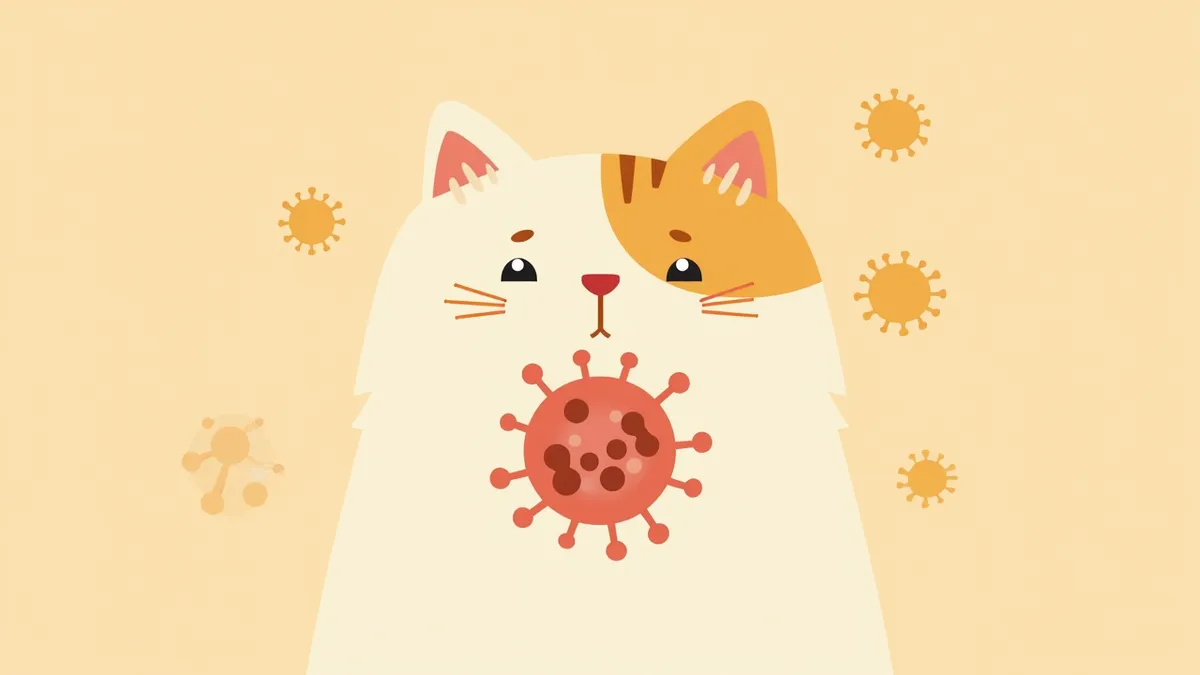
How a cat's immune system suppresses the FeLV virus
Feline leukemia virus (FeLV) is a highly contagious virus that can suppress the immune system and increase the risk of cancer. Vaccination is especially important for cats that go outdoors frequently or have regular contact with other cats, as their risk of infection is higher. - Transmission routes: The virus is primarily spread through saliva, nasal secretions, and milk. The risk also increases through direct contact between cats, mutual grooming, and exposure to feces or urine. - Immune response: The vaccine boosts immunity against the virus, reducing the risk of infection. - Preventive efficacy: Immunity develops after vaccination, and careful risk assessment can help maximize the preventive benefits. - Vaccination schedule: Initial vaccination begins at 8 weeks of age, with at least two doses given 3–4 weeks apart. A booster shot is typically considered around one year of age. It is important to consult your veterinarian to create a customized vaccination plan tailored to your cat’s individual health status.

Selection Criteria: 4 Key Factors for FeLV Vaccines
When choosing a feline leukemia vaccine, prioritize safety and efficacy. Be sure to check these four key factors:
Vaccine type: Modified live vaccines (MLV) induce a strong immune response but should be used with caution in immunocompromised cats.
Vaccination schedule: After the initial two doses, a booster is typically given about a year later. Subsequent intervals should be determined in consultation with your veterinarian based on your cat’s lifestyle and risk level.
Potential side effects: Mild, temporary reactions such as fever, lethargy, or swelling at the injection site may occur.
Veterinary recommendation: A personalized plan tailored to your individual cat’s health status is essential.
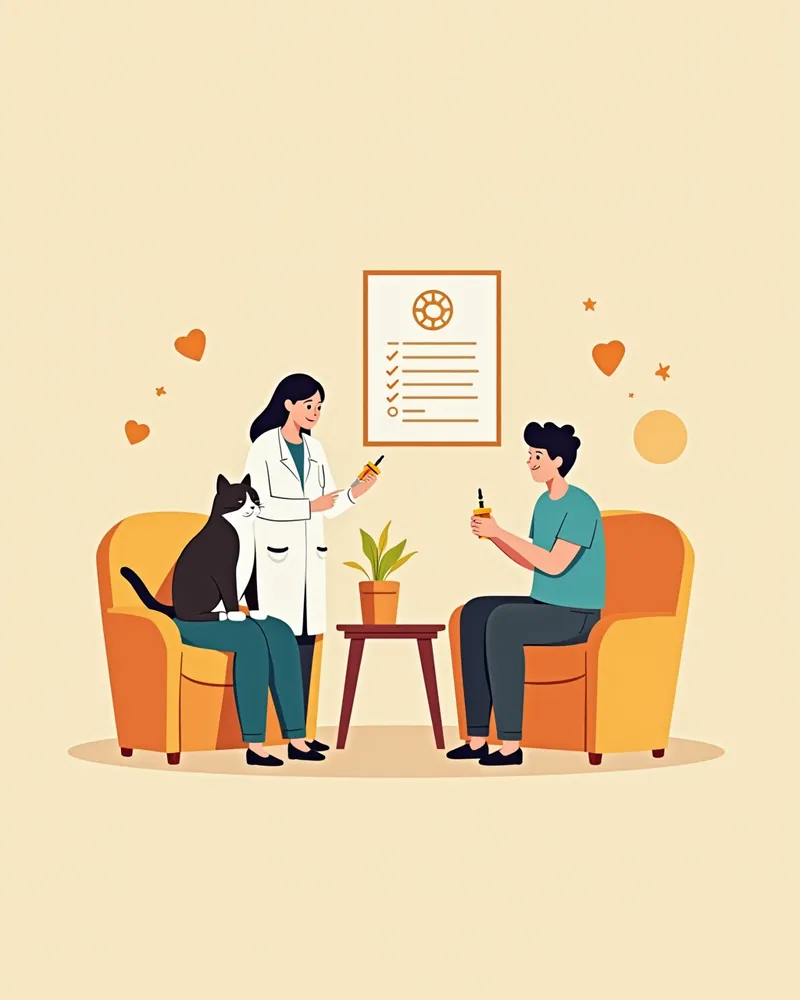
A veterinarian discussing vaccine options with a cat owner.

BEST 1: American Lake FeLV Vaccine (MLV-Based)
The American Lake FeLV vaccine is a modified live virus (MLV) vaccine that effectively stimulates an immune response. - Immune efficacy: Protective immunity develops after two doses, helping to reduce the risk of infection. - Safety: Use with caution in immunocompromised cats, but it is generally safe for healthy cats. - Vaccination schedule: After the initial two-dose series, consider booster vaccinations at intervals of one year or more. - Precautions: Limit your cat’s activity for 24 hours after vaccination and monitor them in a calm environment. - Recommended for: While especially important for cats that go outdoors, indoor cats may also be candidates for vaccination based on individual risk assessment.
American Lake FeLV vaccine vial

BEST 2: LakeWave FeLV Vaccine (Killed + Adjuvant)
The LakeWave FeLV vaccine is formulated using inactivated (killed) virus, allowing for controlled immune responses. - Vaccine characteristics: While the immune response may develop more slowly than with live vaccines, the reduced risk of viral transmission makes it a stable and reliable choice. - Safety: It can be used relatively safely in cats with compromised immune systems. - Vaccination schedule: After an initial series of two doses, booster vaccinations are recommended at intervals of one year or longer. - Additional benefits: It can be administered concurrently with other vaccines, and veterinarians can adjust the protocol based on the cat’s weight and overall health. - Recommended for: Cats with unstable immune status or those for whom live vaccines pose concerns.
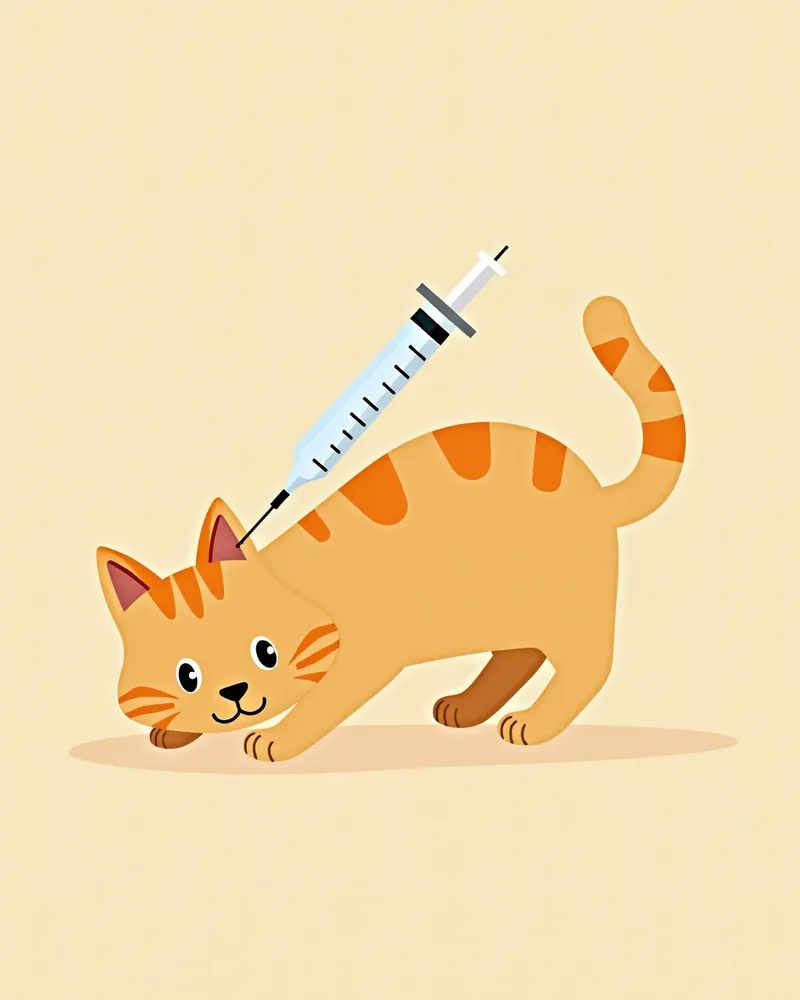
A veterinarian administering a vaccine to a cat.

BEST 3: Premium Cat Vaccine for FeLV

Premium cat vaccines are live-attenuated vaccines that can stimulate an immune response. - Vaccine Type: They may elicit a strong immune response, though individual cats may react differently. - Safety: Side effects are rare, but the vaccine should be used with consideration of each cat’s health status. - Vaccination Schedule: After the initial two-dose series, consider booster shots at intervals of one year or more. - Individualized Care: Your veterinarian will adjust the vaccination schedule based on your cat’s weight, health status, and risk assessment. - Why We Recommend It: Choosing a safe vaccine in consultation with your veterinarian, taking into account your cat’s health and risk factors, is essential.
Premium Cat Vaccine Package

Comparison Table of BEST 1–3 Vaccines: Selection Criteria Summary

ItemAmerican LakeLakewavePremium Cat
Vaccine typeModified live vaccine (MLV)Killed vaccine + adjuvantModified live vaccine (MLV)
Vaccination schedule2 initial doses + consider booster at intervals of 1 year or more2 initial doses + consider booster at intervals of 1 year or more2 initial doses + consider booster at intervals of 1 year or more
Likelihood of side effectsGenerally lowGenerally lowGenerally low
Recommended forCats that go outdoors frequentlyImmunocompromised catsHealthy adult cats

Choose the vaccine recommended by your veterinarian based on your cat's condition.

Caution: Testing Is Mandatory Before Vaccination

The FeLV vaccine offers no benefit to cats already infected with the virus, so it is essential to confirm infection status through an FeLV blood test prior to vaccination. If the test result is positive, the cat is already infected, and vaccination is not recommended; instead, maintaining the cat’s health and quality of life through appropriate management and regular veterinary check-ups is crucial. If the test result is inconclusive or recent exposure is suspected, consider retesting after 30 days.

Usage Tips: Post-Vaccination Care Checklist
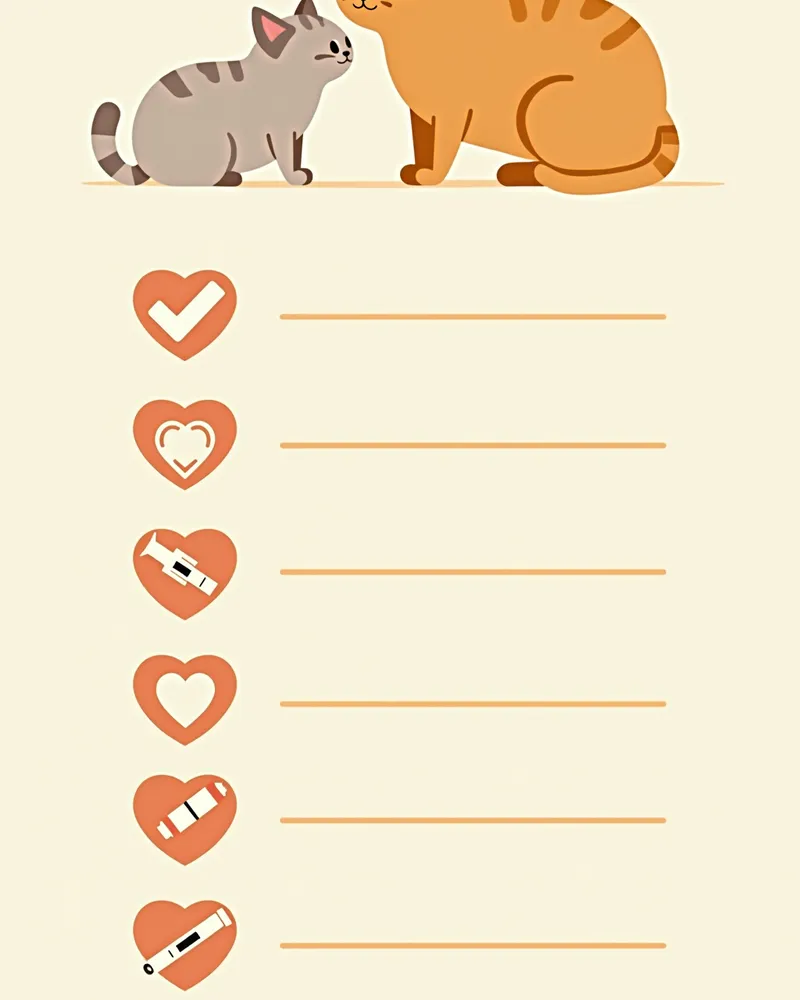
It’s important to closely monitor your cat after vaccination. Please check the following points:
Decreased activity: Your cat may feel sleepy or less active for 1–2 days after vaccination.
Swelling at the injection site: Minor swelling can be normal, but if it lasts more than 3 days, consult your veterinarian.
Loss of appetite: A temporary decrease in appetite for 1–2 days is usually not a concern.
Fever: If your cat’s body temperature exceeds 39°C (102.2°F), seek veterinary care immediately.
Abnormal behavior: Sudden aggression or lethargy should be reported to your veterinarian right away.
Post-Vaccination Care Checklist

Reviewed by a veterinarian

Dr. Tony — Punnawat Phongkittirak

Dr. Tony — Punnawat Phongkittirak

Veterinarian

A veterinarian who majored in veterinary medicine at Khon Kaen University, Thailand, and completed the IVSA program at North Carolina State University in the United States. Drawing on clinical experience at animal hospitals, he works in the pet healthcare field and is dedicated to building a digital care environment that connects pet parents with veterinarians.

Frequently Asked Questions

When should kittens start receiving vaccinations for feline leukemia?
Basic vaccinations should begin at 8 weeks of age, with at least two doses administered at intervals of 3 to 4 weeks. A booster shot may be considered around the one-year mark. It’s important to consult with your veterinarian to create a tailored vaccination plan for your pet.
Do indoor cats need vaccinations?
Yes, since there may be contact with other cats, indoor cats may also be recommended to receive vaccinations after a risk assessment.
What should I do if my pet experiences side effects after vaccination?
Temporary drowsiness, decreased appetite, and swelling at the injection site are common. If these symptoms persist for more than three days, consult your veterinarian.
What should I do if my pet missed a vaccination?
Please consult with your veterinarian as soon as possible to adjust the vaccination schedule. Depending on how many doses were missed, additional vaccinations may be necessary.
Do senior cats also need vaccinations?
Healthy senior cats may be eligible for vaccination after a risk assessment, which will be determined by your veterinarian following an examination.

Share

Related Guides

References

This information is based on veterinary literature and does not replace diagnosis or treatment. Please consult a veterinarian for specific health concerns.

Metapet Co., Ltd. | CEO: Park Sung-yong | Business Reg. No. 417-88-02562 | Seoul, South Korea | Customer Center

Best FeLV Vaccines for Cats: Key Selection Criteria | Meongsiljang