
Top 5 Dog Hair Loss Supplements Recommended — Biotin and Zinc Key Ingredient Comparison Guide
We’ve compared biotin, zinc, and omega-3 supplements for dogs experiencing excessive shedding, focusing on their key ingredients. To help pet owners make informed choices by reading product labels, we’ve summarized dosage guidelines and important precautions.
What Are Dog Hair Loss Supplements?
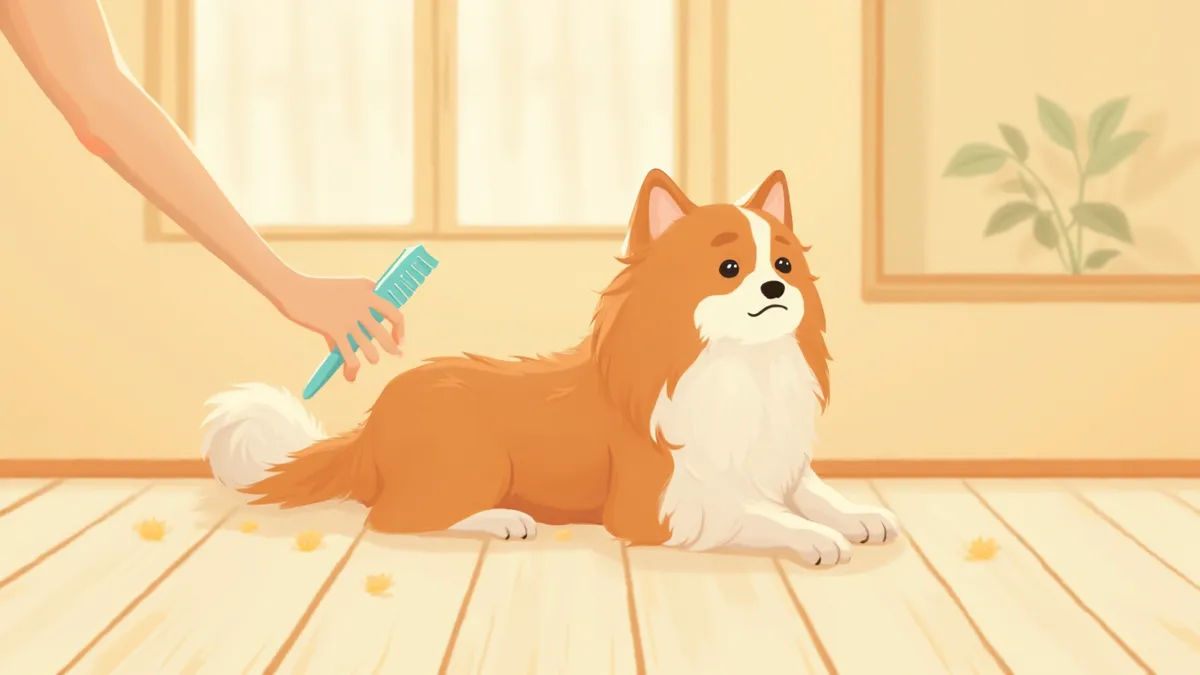
4 Main Causes of Dog Hair Loss
For This Type of Hair Loss, See a Vet Before Trying Supplements
If any of the following apply, please prioritize a veterinary visit over supplements, as the issue may be a treatable condition rather than a simple nutritional deficiency. - One or more round, circular patches of hair loss appear. - The skin becomes red, with oozing or scabs visible. - The sides and both sides of the tail show symmetrical hair loss. - Itching is so severe that your pet cannot sleep. - Dandruff is noticeably more abundant than usual.
4 Key Ingredients in Hair Loss Supplements
비오틴(Biotin)
모낭 케라틴 합성 촉진
Dosage: 체중 10kg당 5mg/일
1989년 연구에서 모질 불량 강아지 119마리 중 91%가 5주 안에 개선
아연(Zinc)
각질화 정상화·피부 장벽 강화
Dosage: 원소 아연 기준 체중 1kg당 1~2mg/일
시베리안허스키 등 아연 반응성 피부염 품종에 효과 입증
오메가3(EPA+DHA)
피부 염증 완화·윤기
Dosage: 체중 1kg당 EPA+DHA 합산 약 30~70mg/일
수의피부과학 교과서 권장 표준 성분
L-시스틴·메티오닌
털 단백질 구조 보강
Dosage: 복합 제품 라벨 기준
함황 아미노산이 케라틴 구성 핵심
5 Criteria to Check When Choosing a Supplement
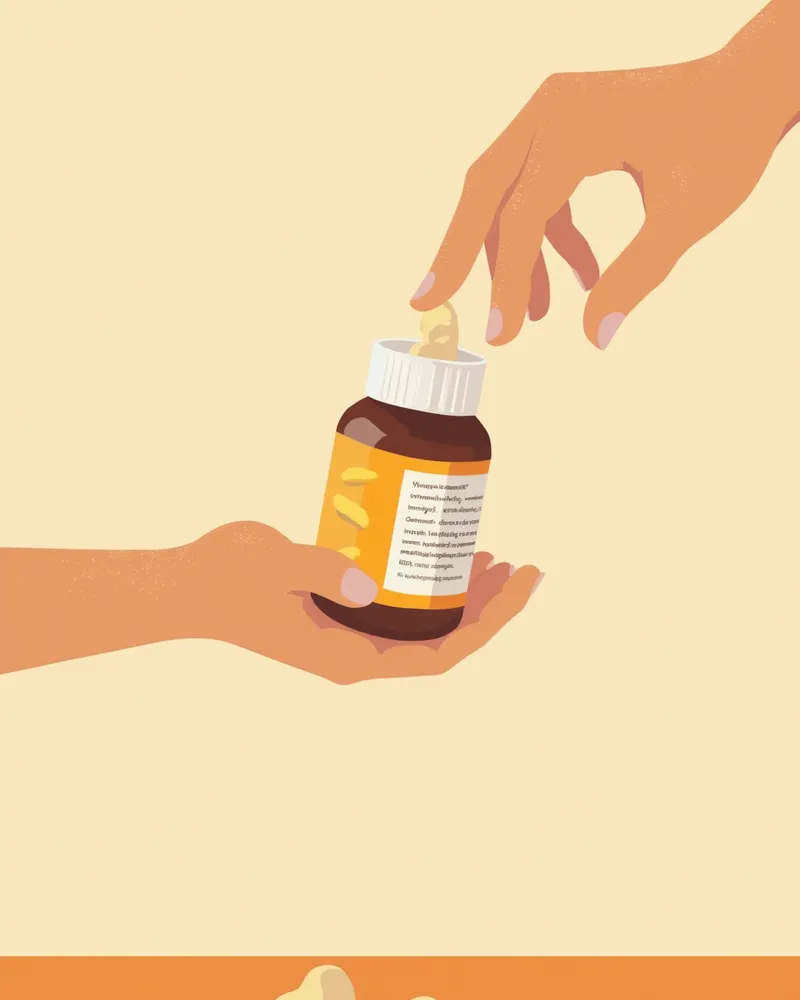
Comparison of Key Ingredients in the Top 5 Dog Hair Loss Supplements
| Item | Complex coat-quality supplement | High-dose single biotin | Zinc supplement | Omega-3 capsule | Sulfur-containing amino acid supplement |
|---|---|---|---|---|---|
| Primary ingredients | Biotin + zinc + omega-3 | Biotin | Elemental zinc | EPA + DHA | L-cystine & methionine |
| Biotin content (daily, per 10kg) | 3–5mg | 5mg or more | None | None | Supplementary amount |
| Recommended situation | Overall coat-quality decline | Dull, rough coat during seasonal change | Zinc-responsive breeds such as Husky and Malamute | With dryness & dandruff | Brittle & weak coat |
| Ease of administration | Powder & soft chew | Tablet & powder | Tablet (bitter taste) | Capsule (fish scent) | Powder |
| Cautions | Check for overlapping ingredients | Limits of a single ingredient | Vomiting possible on an empty stomach | Consult if history of pancreatitis | Limited effect when used alone |
Amounts are based on the average of typical commercial products; when purchasing, follow the per-body-weight recommended dosage on the label.
Top 5 Details — Choosing the Right One for Your Pet
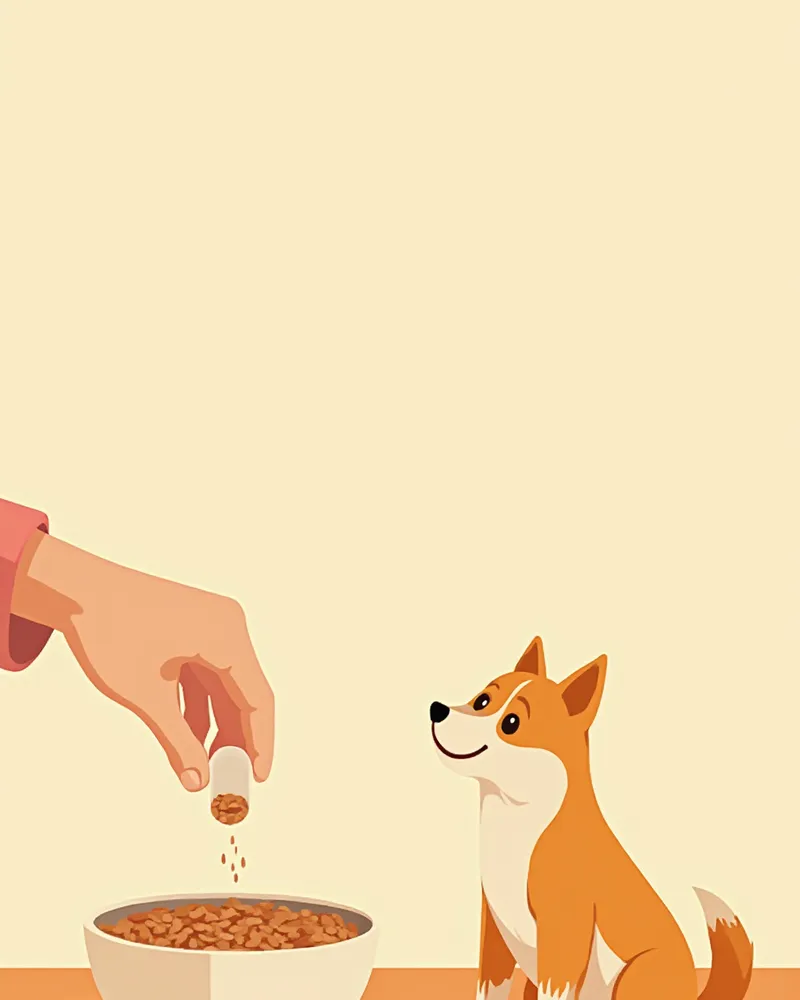
4 Key Points to Follow When Feeding
Stop Immediately If You Notice These Side Effects
Even at the recommended dosage, some dogs may experience side effects. If you notice any of the following signs, stop administering the product and consult your veterinarian: - Repeated vomiting or diarrhea within 2–3 days of starting the supplement - A sudden loss of appetite or refusal to eat their regular food - Excessive water consumption or increased urine output compared to normal - New rashes or swelling on the skin Zinc supplements, in particular, commonly cause side effects such as vomiting, nausea, and decreased appetite. If these symptoms persist or your dog refuses to eat, it is safest to stop the supplement immediately and seek veterinary advice. Additionally, if your dog’s gums appear unusually yellow or pale, seek veterinary care without delay.
Reviewed by a veterinarian

Dr. Tony — Punnawat Phongkittirak
VeterinarianA veterinarian who majored in veterinary medicine at Khon Kaen University, Thailand, and completed the IVSA program at North Carolina State University in the United States. Drawing on clinical experience at animal hospitals, he works in the pet healthcare field and is dedicated to building a digital care environment that connects pet parents with veterinarians.
Reviewed 2026-05-06
Frequently Asked Questions
How long does it take to see results from the supplement?
My pet food already contains biotin. Is it safe to give a biotin supplement as well?
Can I give the same supplement to a puppy?
Can I give the same dosage to senior dogs?
Can I give my pet the biotin supplements meant for humans?
Share
Related Guides
Top 5 Medicated Dog Shampoos — For Pyoderma and Bacterial Infections

Veterinarian-Recommended Top 5 Medicated Shampoos for Canine Yeast Dermatitis — Relieves Itching and Greasiness
Top 5 Medicated Cat Shampoos Recommended by Veterinarians — Fungal Dermatitis and Fungal Care
Top Recommended Cat Oral Preventives (Isoxazoline Class) and Selection Criteria
Top Recommended Cat Hookworm Dewormers and Selection Criteria
Top Recommendations and Selection Criteria for Managing Your Dog’s Oral Bacteria and Systemic Diseases
7 Key Causes and Management Essentials for Dog Teeth Grinding Explained by a Veterinarian
7 Key Tips for Cat Tooth Brushing Training Recommended by Veterinarians

When Cat Baby Teeth Don't Fall Out — Top 7 Must-Have Care Products and Selection Criteria
7 Management Strategies and Selection Criteria for Canine Anal Gland Tumors Recommended by Veterinarians
References
[1] Frigg M, Schulze J, Volkert M, Biotin deficiency in dogs and its therapeutic effects on hair coat condition, Schweizer Archiv für Tierheilkunde, 1989
[2] White SD, Bordeau P, Rosychuk RAW et al., Zinc-responsive dermatosis in dogs: 41 cases and literature review, Veterinary Dermatology, 2011
[3] Jeromin Anita, Applied Veterinary Clinical Nutrition, 2nd Edition, Wiley-Blackwell, Chapter on Dermatologic Disease and Nutrition
[4] Jackson HA, Marsella R, BSAVA Manual of Canine and Feline Dermatology, 4th Edition, BSAVA, Chapter on Nutritional Skin Disease
[5] Watson TDG, Diet and skin disease in dogs and cats, Journal of Nutrition 128, 1998, pp. 2783-2789