Like
Share
멍실장
강아지 심부전 병기(ACVIM 분류) 관리 추천 BEST와 고르는 기준 총정리

Veterinarian-Explained: 4 Stages of Canine Heart Failure (ACVIM) and Management Guidelines

HeartTop PicksMeongsiljang Veterinary Advisory Board

Canine heart failure is managed differently depending on the stage according to ACVIM guidelines. Check out stage-specific care methods and recommended products at a glance.

Canine Heart Failure Staging (ACVIM Classification) Is a Condition That Requires Management Together with Pet Owners

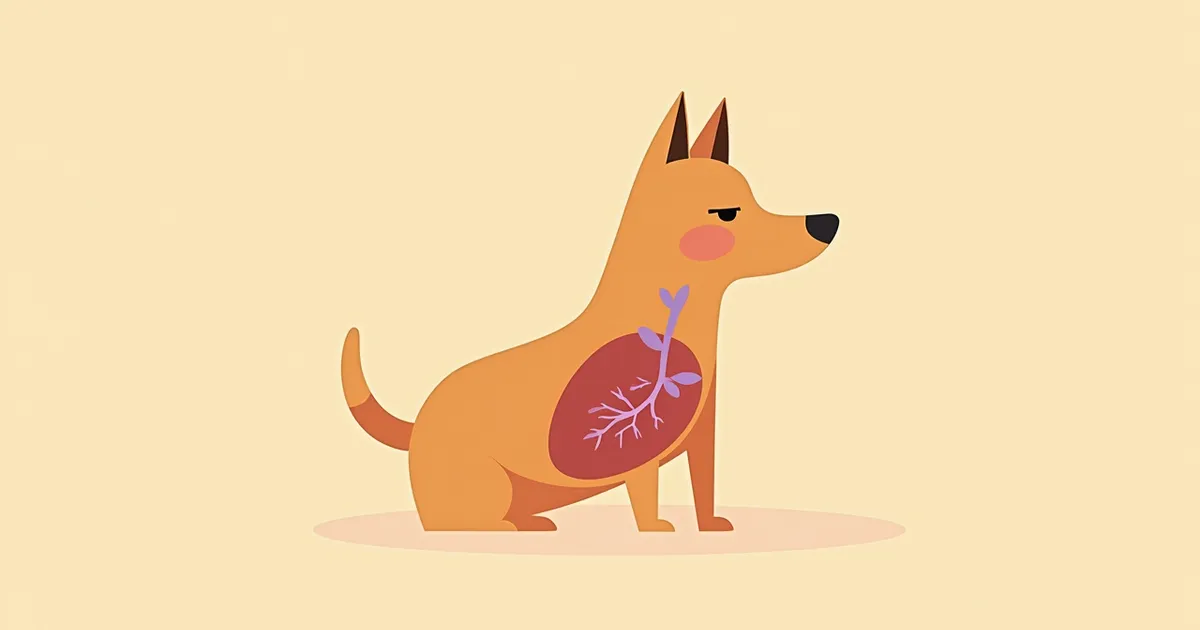
Visualized image of the ACVIM staging classification for canine heart failure
Canine heart failure is staged based on the progression of heart disease, with the most widely used system being the classification established by the American College of Veterinary Internal Medicine (ACVIM). Accurate staging is crucial because treatment goals and management strategies vary depending on the stage. Note that the ACVIM classification for dogs uses stages A, B, C, and D rather than numbers.
Stage A: This stage involves a high risk of heart disease but no structural abnormalities yet; management focuses on regular check-ups.
Stage B: Structural heart abnormalities are present, but there are no clinical signs. This stage is further divided into B1 (no cardiac enlargement) and B2 (clear cardiac enlargement).
Stage C: Congestive heart failure symptoms have occurred in the past or are currently present, requiring medication.
Stage D: This is the end-stage where the condition does not respond well to standard treatments.
Tailored management according to the specific stage can help improve your dog’s quality of life.

You Must Accurately Understand the Management Guidelines for Each Stage of Canine Heart Failure
The management approach for canine congestive heart failure varies according to the ACVIM staging system (Stages A, B, C, and D). Understanding the criteria for each stage is the first step.
Stage A and B1 criteria: Monitor disease progression through regular check-ups and cardiac ultrasound, while maintaining an appropriate diet and exercise routine.
Stage B2 criteria: This stage is characterized by significant cardiac enlargement. Pimobendan is approved as a preventive treatment in many countries. Regular re-evaluation is necessary.
Stage C criteria: This stage involves the onset of congestive heart failure symptoms. Medication therapy, such as diuretics and ACE inhibitors, along with monitoring of respiratory rate and body weight, is essential.
Stage D criteria: This stage is marked by a diminished response to treatment, requiring immediate veterinary care and more frequent monitoring.
Based on these criteria, you should work with your veterinarian to select the appropriate management plan.
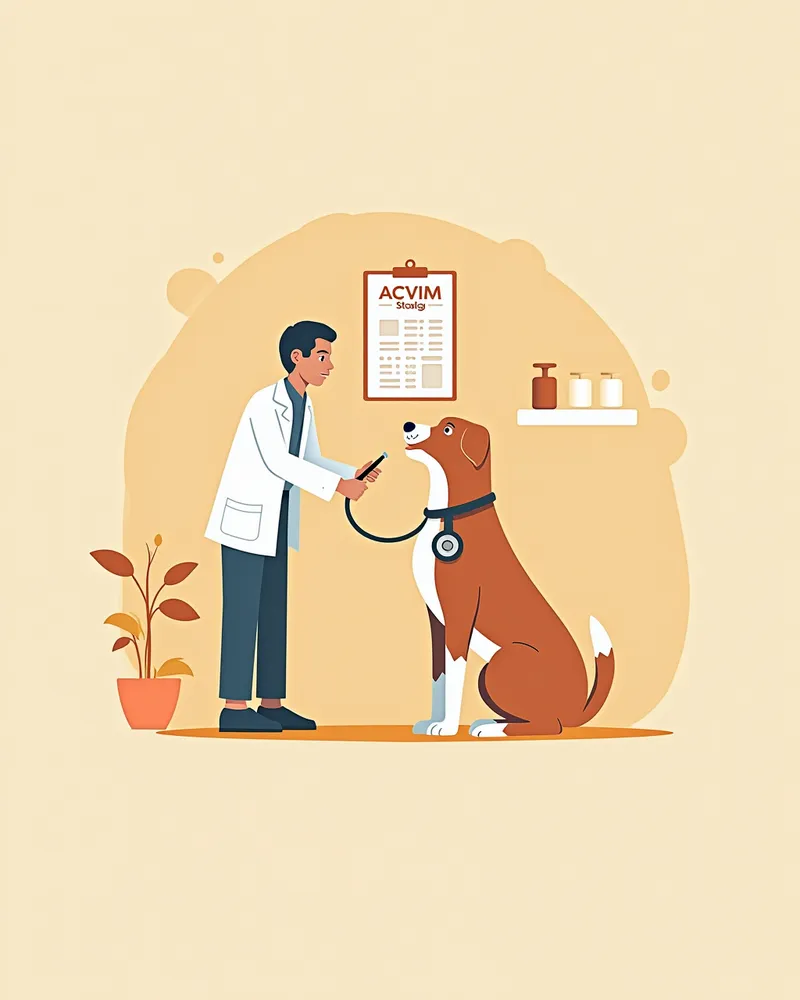
Image of management guidelines for each stage of canine heart failure

BEST 1: Heart Health Supplement for Stage 1 Management

For dogs in the early stages of heart disease (ACVIM stages A–B1), the key is to maintain their health through regular monitoring of their cardiac condition. Some studies suggest that dietary management may benefit certain dogs with heart disease.
Omega-3 fatty acids: Omega-3s from fish oil have been reported in some studies to help reduce ventricular arrhythmias in dogs, although effectiveness can vary from dog to dog.
Joint support ingredients: Ingredients such as glucosamine are intended for joint health and do not treat heart disease itself.
Ingredient verification: Carefully check the ingredients and labels when selecting supplements.
Usage: Administer according to the product label and your veterinarian’s instructions.
Supplements do not replace medical treatment, so be sure to consult your veterinarian before starting any supplement regimen.
Stage 1 Heart Health Supplement Image

BEST 2: Multifunctional Heart Supplement for Stage 2 Management

When symptoms begin to appear (ACVIM stages B2–C), treatment should center on proven medications rather than supplements, which play only a supportive role.
Medication comes first: Pimobendan is approved in many countries for stage B2, where significant cardiac enlargement is evident, while diuretics and ACE inhibitors are used for congestive heart failure (stage C). These medications require a veterinary prescription.
Electrolyte management: Regular monitoring of electrolytes, such as potassium, is necessary when using ACE inhibitors, spironolactone, or high-dose diuretics.
Caution with supplements: Some supplements may interact with medications, so veterinary guidance is essential.
Dosage: All dosages should be adjusted according to your veterinarian’s instructions.
Do not replace prescribed medications with supplements based on your own judgment.
Stage 2 Multifunctional Heart Support Supplement Image

BEST 3: Heart-Specific Supplement for Stage 3 Management
For dogs in the advanced stages of heart failure (ACVIM stages C–D), where symptoms are pronounced, ongoing medication and monitoring are essential. Supplements cannot replace medical treatment.
Treatment is central: At this stage, management with supplements alone is insufficient; drug therapy, such as diuretics, along with regular re-evaluations, is necessary.
Dietary management: Some studies suggest that dietary interventions may benefit certain dogs with heart disease, and low-sodium diets are known to help reduce congestion.
Electrolytes and monitoring: If medications are being used, regularly monitor electrolytes (such as potassium), respiratory rate, and body weight.
Administration: Use supplements according to product instructions and your veterinarian’s guidance.
If symptoms worsen, consult your veterinarian immediately.
Image of a heart-specific supplement for stage 3 conditions

Comparison Table of BEST 1–3 Canine Heart Failure Supplements

ItemStage A–B1Stage B2Stage C–D
Main managementRegular checkups, diet/exercise managementPrescription drugs such as pimobendan (approved for B2)Drug treatment such as diuretics + monitoring
Main goalObserve heart condition, detect progression earlyDelay symptom onset with preventive medicationRelieve symptoms, control congestion
Time of useAt-risk group to asymptomatic with structural abnormalityMarked cardiomegaly, asymptomaticCurrent/past heart failure symptoms
MonitoringRegular checkups, echocardiographyRegular reassessmentFrequent observation of respiratory rate and body weight
Additional recommendationVeterinary consultationVeterinary prescription essentialKnow the criteria for an immediate hospital visit

Supplements do not replace drug treatment. Staging and treatment must be carried out only after consulting your veterinarian.

Caution: Dogs in Stage 3 or Higher Require Immediate Veterinary Visit

Dogs in the advanced stages (ACVIM C–D) with clear symptoms exhibit obvious signs of heart failure, such as difficulty breathing, coughing, and exercise intolerance (getting tired easily). At this point, management with supplements alone is insufficient. Immediate consultation with a veterinarian and initiation of medication are essential.

5 Tips for Managing Canine Heart Failure by Stage

Here are some practical tips to help you manage your pet’s condition according to its disease stage.
Regular check-ups: Have your veterinarian reassess your pet and perform heart evaluations every 3 to 6 months to monitor progress.
Respiratory rate monitoring: Regularly count and record your pet’s breathing rate while sleeping to detect any worsening early on.
Sodium management: Rather than strictly limiting fluids, consult your veterinarian to adjust dietary sodium intake for better management.
Exercise moderation: Avoid strenuous activity, but encourage regular, gentle movement within safe limits.
Symptom logging: Keep a daily record of symptoms such as coughing, difficulty breathing, and easy fatigue.
Consistently following these tips and staying in close communication with your veterinarian will greatly support effective management.
Tips for Managing Canine Heart Failure: Illustrated Guide

Reviewed by a veterinarian

Dr. Tony — Punnawat Phongkittirak

Dr. Tony — Punnawat Phongkittirak

Veterinarian

A veterinarian who majored in veterinary medicine at Khon Kaen University, Thailand, and completed the IVSA program at North Carolina State University in the United States. Drawing on clinical experience at animal hospitals, he works in the pet healthcare field and is dedicated to building a digital care environment that connects pet parents with veterinarians.

Frequently Asked Questions

Is it safe to give supplements to dogs in the high-risk group or early (A and B) stages?
ACVIM stages A and B are the preclinical stages. Supplements do not replace treatment, so be sure to consult with your veterinarian before starting them.
Can supplements be taken together with medications?
Some supplements can interact with medications. Always consult your veterinarian before combining them.
Can dogs with clear signs of heart failure be managed with supplements alone?
No, for dogs in ACVIM stages C and D of heart disease, medication is essential. Supplements should only be used as an adjunct to primary treatment.
How long should I continue giving the supplement?
Since management approaches vary depending on the stage of the disease, please consult with your veterinarian to determine whether to continue the current treatment or switch to a different approach.
Are there any side effects from the supplement?
Individual responses may vary. If any unusual symptoms appear after administration, stop use immediately and consult your veterinarian.

Share

Related Guides

References

[1] American College of Veterinary Internal Medicine (ACVIM). (2023). Guidelines for the Diagnosis and Management of Canine Heart Failure. Journal of Veterinary Internal Medicine.

[2] Handbook of Veterinary Pharmacology. (2022). Chapter 307: Drugs Used in Heart Failure Therapy.

[3] Textbook of Cardiovascular Medicine in Dogs and Cats. (2021). 2nd Edition, Elsevier Health Sciences.

This information is based on veterinary literature and does not replace diagnosis or treatment. Please consult a veterinarian for specific health concerns.

Metapet Co., Ltd. | CEO: Park Sung-yong | Business Reg. No. 417-88-02562 | Seoul, South Korea | Customer Center

4 Stages of Canine Heart Failure (ACVIM): Vet Management Guide | Meongsiljang