Like
Share
멍실장
고양이 내분비계 종합 검진 관리 추천 BEST와 고르는 기준 총정리

7 Preparation Items and Selection Criteria for a Comprehensive Feline Endocrine Checkup Recommended by Veterinarians

EndocrineTop PicksMeongsiljang Veterinary Advisory Board

A comprehensive endocrine system checkup for cats is essential for the early detection of conditions such as diabetes and hyperthyroidism. We’ve compiled a list of recommended tests and products to help you manage your cat’s health effectively.

What is a Comprehensive Feline Endocrine Checkup?
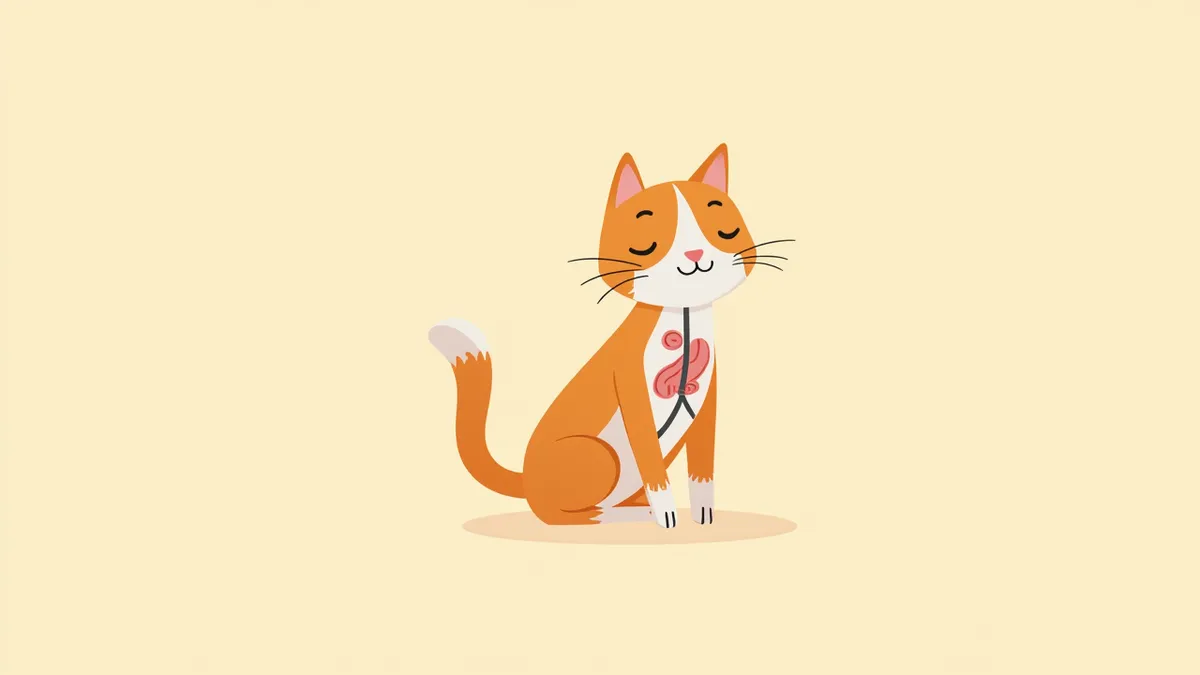
The major glands that make up a cat’s endocrine system
The comprehensive feline endocrine screening aims to detect major endocrine disorders, such as diabetes mellitus and hyperthyroidism, at an early stage through blood tests. Hyperthyroidism is the most common endocrine disorder in cats, and the risk increases with age, particularly in middle-aged and older cats, making regular screenings beneficial. - Diabetes screening: Blood glucose and fructosamine levels are measured to determine the presence of diabetes. Fructosamine is a more appropriate indicator for cats than HbA1c, which is commonly used in humans and dogs. - Thyroid function testing: Total thyroxine (TT4) is measured, and if the result falls within the borderline range, free T4 (fT4) is additionally checked to diagnose hyperthyroidism. - Adrenal cortex function assessment: When necessary, cortisol-related tests are performed to evaluate for adrenal disease. However, adrenal disorders are relatively rare in cats. This screening is highly valuable for early detection even in asymptomatic cats and is essential for their long-term health management.

Selection Criteria: Tips for Choosing a Clinic for Endocrine Screening
When choosing an endocrine screening test, consider the comprehensiveness of the test items, accuracy, cost, and turnaround time. For effective results, the panel should include key indicators specific to cats, such as thyroid hormones (total T4), blood glucose, and fructosamine.
Comprehensive test items: The screening should cover major conditions common in cats, such as diabetes and thyroid disorders.
Accurate analytical technology: Opt for tests that use reliable analytical equipment and adhere to quality control standards to ensure consistent results.
Rapid result delivery: Results should be available within one to two days.
Cost-effectiveness: An affordable price point suitable for routine check-ups is ideal.
Meets veterinary recommendation standards: The test items should align with those recommended in veterinary textbooks.
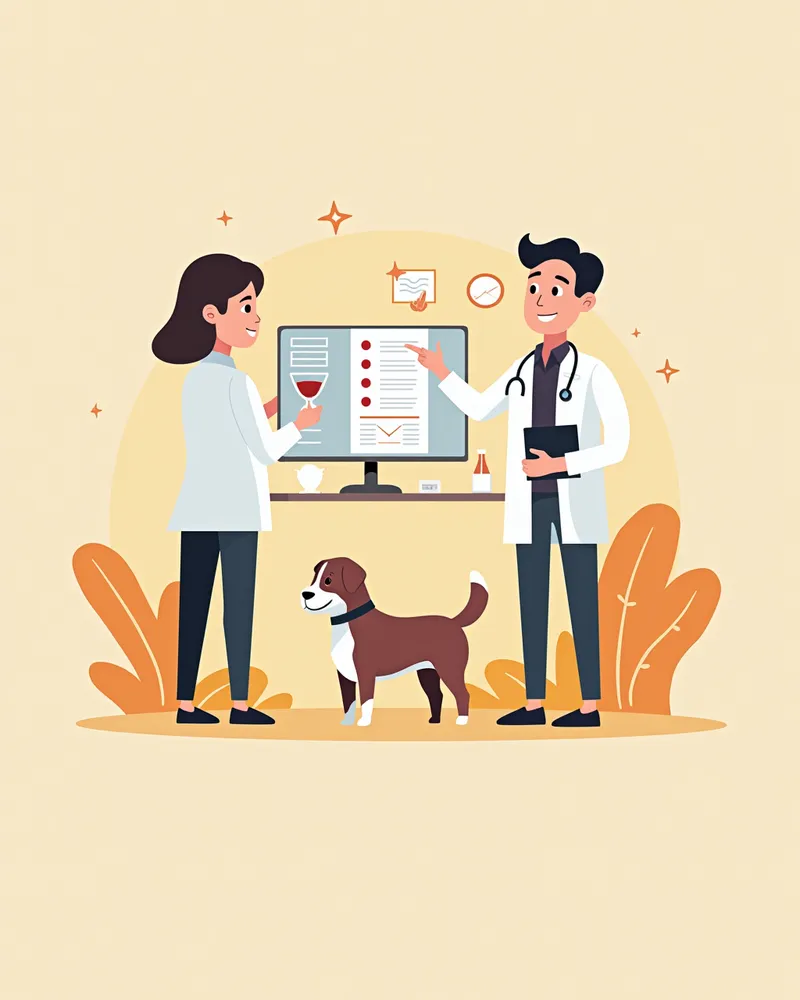
A veterinarian analyzing the results of a cat's endocrine system examination.

Check 1: Whether It Includes Senior Cat Endocrine Items
As cats age, endocrine disorders such as hyperthyroidism and diabetes become more common, so it’s a good idea to include thyroid (T4) and blood glucose tests in their comprehensive health checkups. Look for a clinic that bundles these with kidney and liver function tests, along with basic blood work, to assess your cat’s overall health. Choose a practice that tailors endocrine screening to feline needs and clearly explains what each test measures and why it’s important. Unlike dogs, cats are more prone to hyperthyroidism.
An informational image showing whether the product includes ingredients for senior cat endocrine health.

Check 2: Whether It Is Integrated into Routine Senior Cat Checkups

Endocrine disorders often present with vague early signs that are easy to overlook, so it’s wise to include endocrine screening in routine checkups for senior cats, even if symptoms aren’t obvious. If your cat shows weight loss, changes in appetite, or increased thirst, a more thorough evaluation is warranted. Choose a clinic that tailors screening tests and intervals to your cat’s age and health status, recommends additional tests based on symptoms, and compares results with previous values so you can spot changes quickly.
An informational image explaining whether this service is integrated into routine check-ups for senior cats.

Check 3: Whether Results Are Interpreted Holistically and Linked to Treatment
The goal of an endocrine check-up is to detect conditions like hyperthyroidism and diabetes early so they can be managed effectively. It’s best to choose a clinic where veterinarians interpret results holistically rather than looking at individual values in isolation, and who clearly explain next steps—such as further diagnostic testing or treatment—if abnormalities are found. For diabetes, this means guidance on blood sugar management; for hyperthyroidism, appropriate treatment plans. You can feel confident entrusting your pet to a clinic that provides ongoing monitoring and adjusts care as needed.
An illustrative guide showing how to comprehensively interpret test results and translate them into a treatment plan.

Checklist for Choosing a Clinic for Comprehensive Endocrine Screening

ItemRecommended Criteria
Test ItemsA clinic that bundles thyroid (T4) and blood glucose together with kidney, liver, and basic blood panels
Test OperationA clinic that integrates endocrine testing into routine checkups for senior cats and advises on intervals
Interpretation CapabilityA veterinarian who synthesizes multiple values to distinguish hyperthyroidism from diabetes
Result InterpretationA clinic that connects abnormalities to detailed testing and treatment and follows up
Cost GuidanceA clinic that informs you in advance of expected costs and the possibility of additional testing before testing

This is not a table recommending specific products or clinics, but criteria to reference when consulting your veterinarian. Always make treatment and testing decisions together with your veterinarian through an examination.

Precautions and Contraindications

Blood tests, especially those related to diabetes, may require fasting. However, whether fasting is necessary and for how long depends on the specific tests being performed, so please follow your veterinarian’s instructions beforehand. Additionally, since stress can skew results such as blood glucose levels, ensure your cat rests in a calm, quiet environment before the test.

Tips for Using the Checkup
To get the most out of your cat’s checkups, follow these tips:
Schedule regular checkups: Senior cats in their middle age and beyond should have routine exams that include endocrine screenings, even if they show no symptoms. Work with your veterinarian to determine the best starting age and frequency based on your cat’s individual age and health status.
Keep detailed records: Consistently document your cat’s checkup results to track health trends over time.
Consult your veterinarian: If any test results are abnormal, seek veterinary advice promptly.
Adjust lifestyle habits: Modify your cat’s diet or exercise routine as recommended by the checkup findings.
Monitor your cat’s behavior: If you notice any unusual behavior after a checkup, visit the clinic immediately.
Cat Health Record Notebook and Dietary Diary

Reviewed by a veterinarian

Dr. Tony — Punnawat Phongkittirak

Dr. Tony — Punnawat Phongkittirak

Veterinarian

A veterinarian who majored in veterinary medicine at Khon Kaen University, Thailand, and completed the IVSA program at North Carolina State University in the United States. Drawing on clinical experience at animal hospitals, he works in the pet healthcare field and is dedicated to building a digital care environment that connects pet parents with veterinarians.

Frequently Asked Questions

My cat is 5 years old. Does it need an endocrine system checkup?
As cats enter middle age and beyond, their risk of endocrine disorders such as hyperthyroidism and diabetes increases. Therefore, it is recommended to include endocrine screening in regular check-ups for senior cats, even if they show no symptoms. The specific timing and frequency of these screenings vary depending on the cat’s age and health status, so please consult your veterinarian to determine the best plan for your pet.
Will the results from a home care kit test be accurate?
Endocrine testing relies on precise blood collection, proper sample handling, and a comprehensive interpretation of multiple values together. Since home-care kits cannot guarantee the same level of accuracy as in-clinic tests, it is safest to consult your veterinarian for diagnosis and result interpretation.
How much does a checkup cost?
Costs can vary significantly depending on the veterinary clinic, the specific tests performed, and your pet’s condition. For an accurate estimate, please contact the clinic where you plan to receive treatment directly.
What should I do if the check-up results show abnormalities?
Consult your veterinarian immediately. Early intervention is important, as further testing or a treatment plan may be needed.
My cat is very afraid of exams. What should I do?
You can help reduce your cat’s stress by gradually acclimating them to vet visits or training them to feel comfortable in a carrier. If your cat is particularly anxious about exams, talk to your veterinarian about strategies like step-by-step desensitization or mild sedation to make the experience less stressful.

Share

Related Guides

References

[1] The Cat, Clinical Medicine and Management, 2nd Edition. Elsevier, 2021.

[2] Feline Emergency and Critical Care Medicine, 2nd Ed. Wiley-Blackwell, 2018.

[3] Peterson ME. Diagnostic tests for hyperthyroidism in cats. J Am Vet Med Assoc. 2006;221(1):243-248.

This information is based on veterinary literature and does not replace diagnosis or treatment. Please consult a veterinarian for specific health concerns.

Metapet Co., Ltd. | CEO: Park Sung-yong | Business Reg. No. 417-88-02562 | Seoul, South Korea | Customer Center

7 Essentials for a Feline Endocrine Checkup & How to Choose | Meongsiljang